
Understanding Alein: Its Place in History


Alein is a term that piques interest among historians. Though not frequently mentioned, its importance is tied to the geographic and cultural settings of the area. Possibly located near the Jordan River, it may have served as a key site for trade.
The Jordan River is an important landmark, often cited in historical records. This article delves into Alein’s historical background, its references in ancient texts, and its role in historical narratives, alongside other notable locations such as Dan and Bethel.
Where Is Alein Mentioned in the Bible?
Mentions of Alein in ancient texts are limited but fascinating. It appears in a few passages suggesting a place of significance. Alein might imply a setting of strength or vitality, akin to places like Beersheba, known for its wells and agreements.
Researchers examine these references to understand its place in broader historical narratives. Analyzing ancient texts provides context and aids in reconstructing its historical role.
from the Western Wall to Masada.
The Geography of Alein
Efforts to locate Alein historically place it near known landmarks. Some researchers suggest its proximity to the ancient city of Jericho, famous for its past.
Located within the heart of ancient territories, its closeness to other recognized places offers clues to its importance. It might have been a crossroads for travelers and traders, similar to Gezer, fortified by ancient leaders.
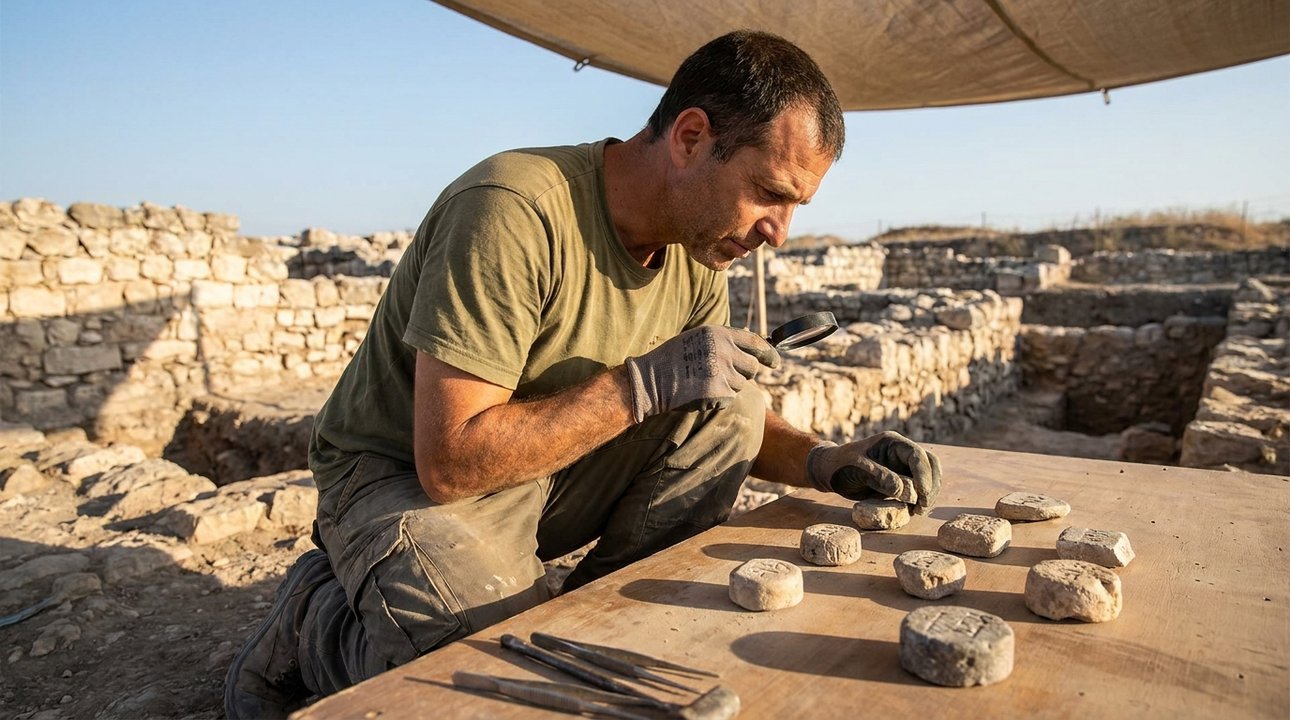
Evidence points to its role in trade or local governance. Artifacts such as weights and measures found nearby suggest a bustling market. Alein’s potential involvement in these systems underscores its strategic importance in regional politics and economics.
Similar items have been found in the ancient city of Megiddo, known for its strategic location. These discoveries help historians reconstruct the socio-economic landscape of the time, revealing aspects of daily life.
Alein in Historical Context
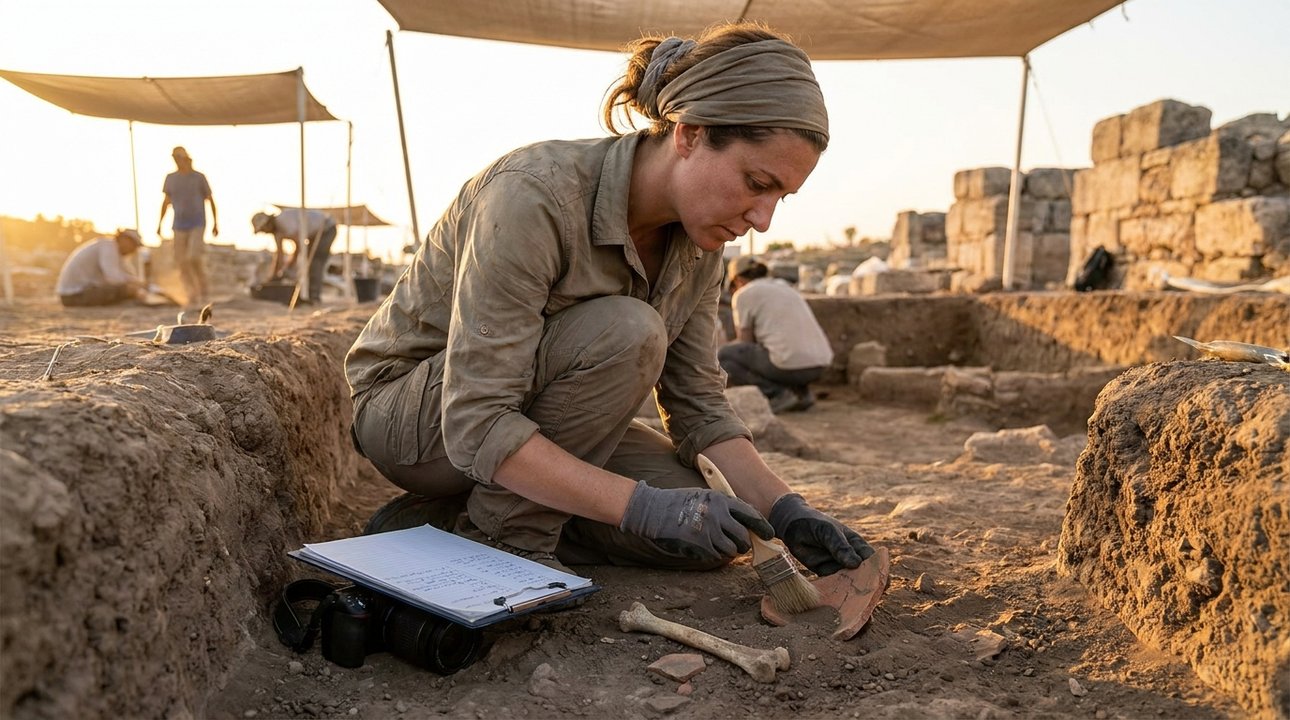
Alein’s context suggests it may have been a significant settlement or strategic fortification. Archaeologists continue to examine regional artifacts to connect this site with other ancient communities.
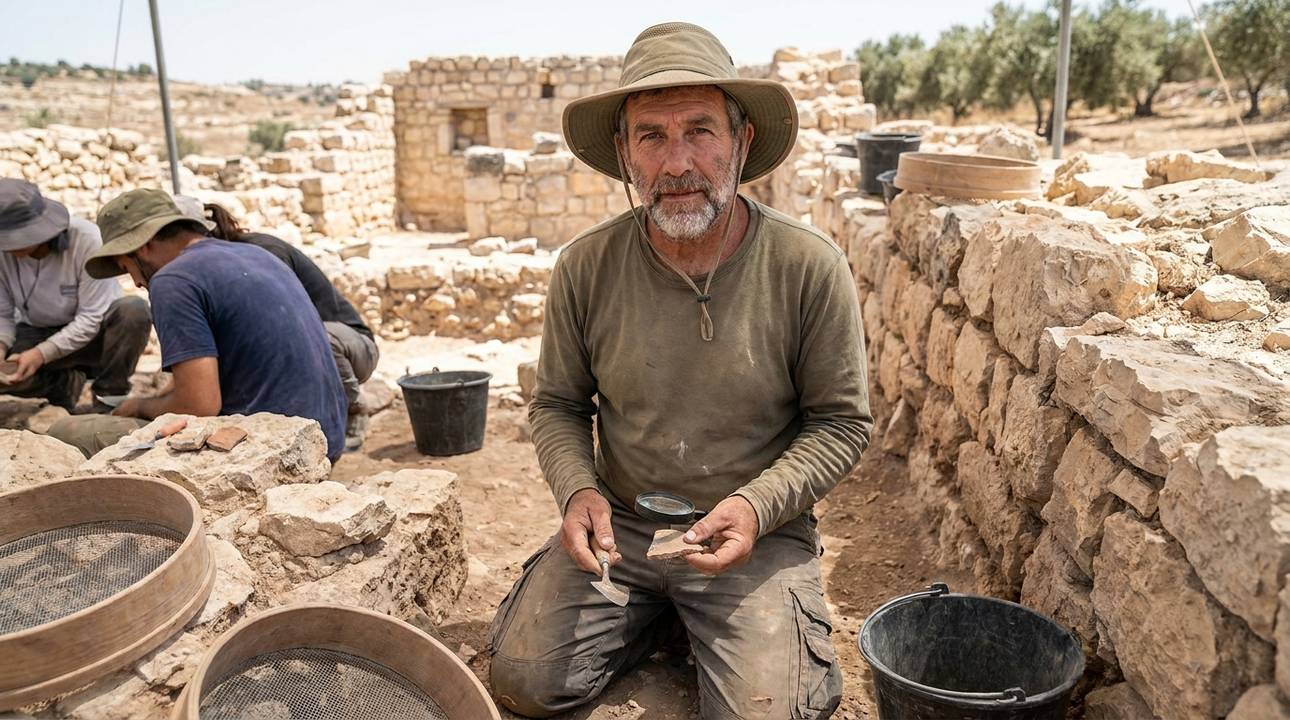
For example, pottery fragments found in the area are being compared to those from the ancient city of Hazor.
This ongoing research helps historians understand the daily life of its inhabitants, providing insights into their social structures and trade practices.
Cultural Impact of Alein
Culturally, Alein might have influenced nearby areas through its traditions and practices. It could have hosted gatherings akin to those in ancient Shiloh.
These gatherings might have included festivals or ceremonies attracting people from afar. It may have been a center of dialogue among nearby groups, promoting exchanges of customs and beliefs. Such interactions could have included discussions on laws.
These interactions would have enriched the culture of the region. By serving as a meeting place, Alein may have facilitated the spread of cultural ideas, similar to Jerusalem later in history. Jerusalem became a center for worship and governance. Understanding these cultural exchanges helps scholars piece together the diverse influences that shaped the society and its legacy.
Alein in Historical Narratives
Within historical narratives, Alein serves as a backdrop for various teachings and events. For instance, it might be mentioned in relation to the journeys of historical figures, providing a geographical context to their stories.
Although not the main setting, its presence shapes the stories told within these scripts. Alein’s location could be near significant sites like Hebron or Beersheba, which are frequently mentioned in ancient texts. It provides context and depth, enhancing the layers of storytelling.
from the Western Wall to Masada.
Modern Research on Alein
Modern scholars aim to uncover Alein’s mysteries using advanced archaeological methods. Techniques like ground-penetrating radar and carbon dating help identify remnants of ancient structures and tools.
Recent digs have uncovered tools similar to those used in the city of Lachish, noted for its fortifications. Their findings offer insights into the daily activities and societal structures that once existed in this area.
For example, evidence of grain storage facilities suggests a community engaged in agriculture.
Continued research promises to shed more light on this enigmatic place. The discovery of ancient inscriptions could reveal more about the languages spoken and the cultural influences present at the time. For example, the Moabite Stone, dating back to 840 BCE, provides insights into the Moabite language and its interactions with Israel. As these archaeological techniques advance, they hold the potential to uncover more about Alein’s role in the broader narrative of the region, contributing to our understanding of its history.
Alein’s Significance Today
Today, Alein’s historical and cultural legacies continue to intrigue scholars and enthusiasts alike. Archaeological digs in nearby regions have uncovered artifacts dating back to the Iron Age, suggesting Alein’s possible significance during this period.
The Iron Age is a crucial era in history, marked by significant developments. As archaeological findings grow, so does public interest in understanding its past.
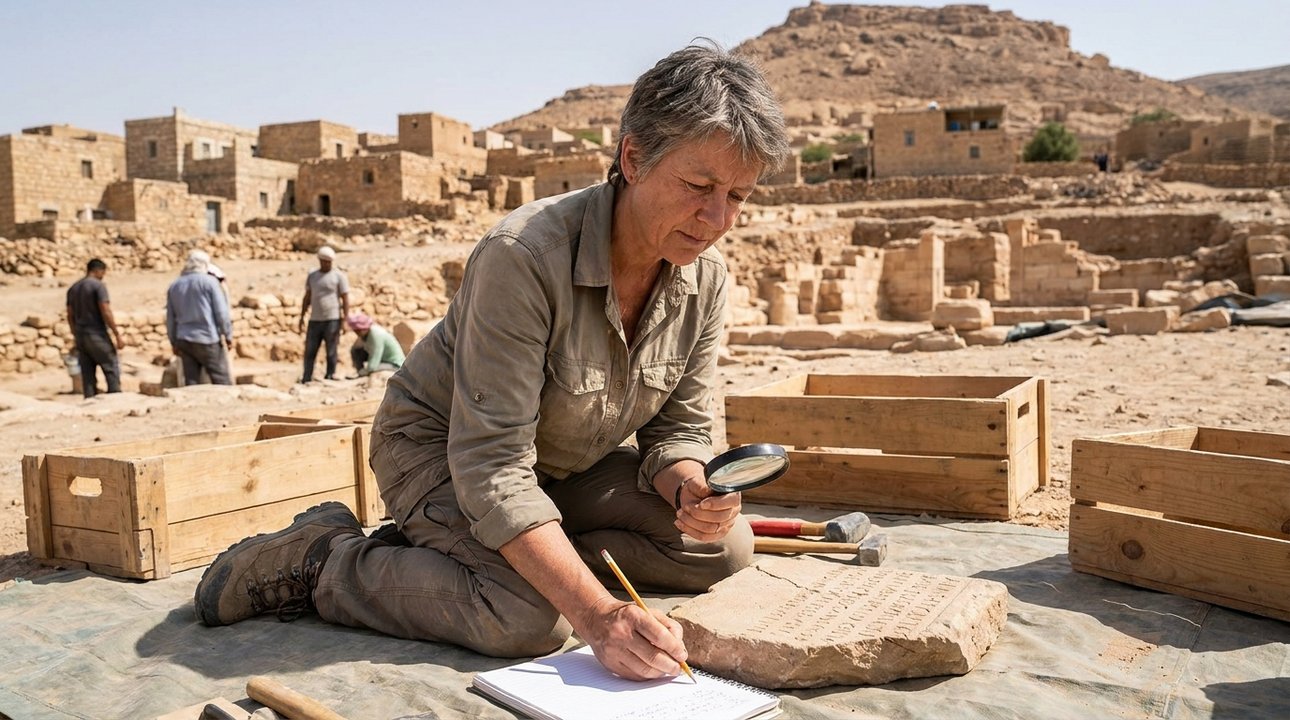
The discovery of pottery shards and ancient inscriptions adds to the narrative of Alein’s historical relevance, much like findings in the ancient city of Samaria.
Alein remains a point of fascination for those exploring ancient lands. The ongoing research and discoveries contribute to a deeper understanding of the complexities of ancient societies.
For instance, the city of Lachish offers similar insights into the military and administrative structures of the time.
By piecing together these historical puzzles, scholars not only enhance our knowledge of Alein but also enrich our appreciation of the broader cultural and historical contexts.
Conclusion: the Legacy of Alein
The exploration of Alein offers insight into the complex world of historical narratives. Scholars often compare it to other sites like Megiddo, known for its strategic importance. Though much is still unknown, its study contributes to a fuller understanding of ancient society. Alein’s potential connections to trade routes could explain its history. This is similar to the city of Tyre, famed for its commerce, which was a crucial hub in the ancient world.
Alein remains a symbol of history’s intricate patterns. By examining its possible role as a trade hub, historians can better understand the economic networks that supported ancient societies. Similar to the city of Tyre, known for its commerce, Alein might have been pivotal in regional trade. This ongoing research into Alein helps illuminate the interconnectedness of ancient lands, enriching our appreciation of these historical narratives.
Alein in Historical Context
