
Exploring Tirzah’s Role in Biblical History


Tirzah frequently appears in historical texts, offering insights into its past. It was not just a location but also a symbol of beauty and influence. This article explores what Tirzah represented in historical times and its legacy in Jewish history. Initially mentioned as one of the Canaanite cities, it marks its early significance.
Tirzah’s role as a capital of the Northern Kingdom under King Jeroboam I highlights its political importance. Referenced in the Song of Songs as a symbol of beauty, it further establishes its cultural legacy. These references allow Tirzah’s story to continue resonating, showing the values and aesthetics of its time.
from the Western Wall to Masada.
As a capital, Tirzah underscored its political significance. It was the backdrop for key events, including the reigns of several kings. Its strategic location made it a center for administration and governance in the early days of the divided kingdom.
Tirzah played a dual role as both a political and cultural symbol, highlighting its multifaceted significance in history. Its influence extended beyond governance, being cherished for its beauty and grace.
What Is Tirzah’s Historical Context?
Tirzah is first mentioned as a Canaanite city that was captured during a conquest. It later becomes the capital of the northern kingdom during the reign of King Jeroboam I. Archaeologically, Tirzah is associated with Tell el-Far’ah, located in the West Bank today. It was a hub of political power until the kingdom’s capital moved to Samaria during Omri’s reign.
The significance of this city is highlighted by its role in historical narratives, serving as a backdrop for key events. Tirzah’s capture and subsequent rise to prominence reflect its strategic importance in the region. Through both archaeological and historical connections, Tirzah offers valuable insights into the early days of the kingdom and its development.
Historical References to Tirzah
Tirzah is often noted for its beauty and significance. Song of Songs 6:4 directly praises, “You are beautiful, my darling, as Tirzah, as lovely as Jerusalem.” This comparison to Jerusalem highlights Tirzah’s esteemed status. In the context of the daughters of Zelophehad, who sought a heritage for their father’s lineage, the city is mentioned, hinting at its centrality in land allotment and family inheritance narratives.
Tirzah’s beauty is celebrated in historical texts, where it serves as a symbol of grace and elegance. Mentioned alongside Jerusalem, it highlights its cultural role. Through its presence in narratives, Tirzah is still remembered by those who seek to understand the deeper meanings within these texts.
How Did Tirzah Function as a Capital?
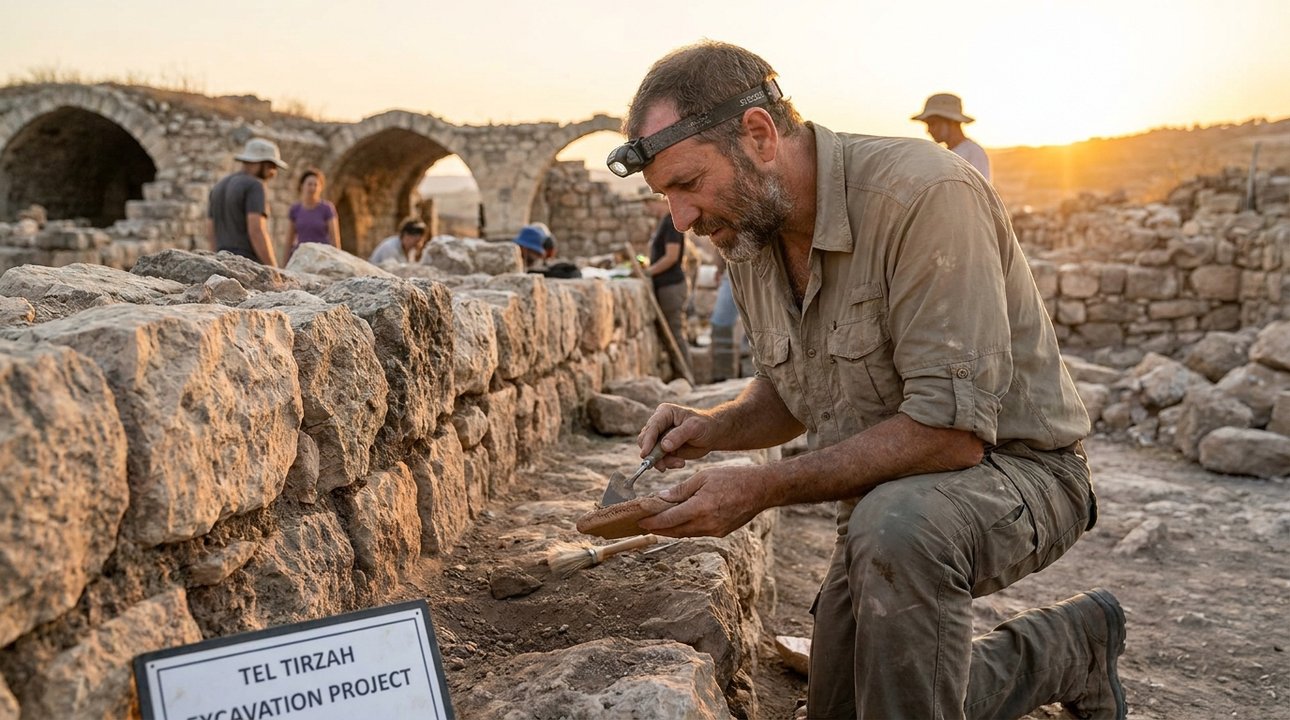
As the capital, Tirzah held significant political importance. It served as the administrative center during a formative period of the northern kingdom. The Bible describes it as an influential seat of power until Omri’s shift of the capital to Samaria. Archaeological findings suggest it was a well-fortified city, which aligns with its role as a political capital. Excavations at Tell el-Far’ah reveal structures that indicate its strategic importance in the region.
Tirzah’s prominence as a political center is reflected in its role as the capital under several kings. Its strategic location made it a focal point for governance and military operations. Despite the city’s decline following the move to Samaria, its history remains undiminished, as its legacy continues to be studied and appreciated by scholars and visitors alike.
Archaeological Discoveries at Tirzah
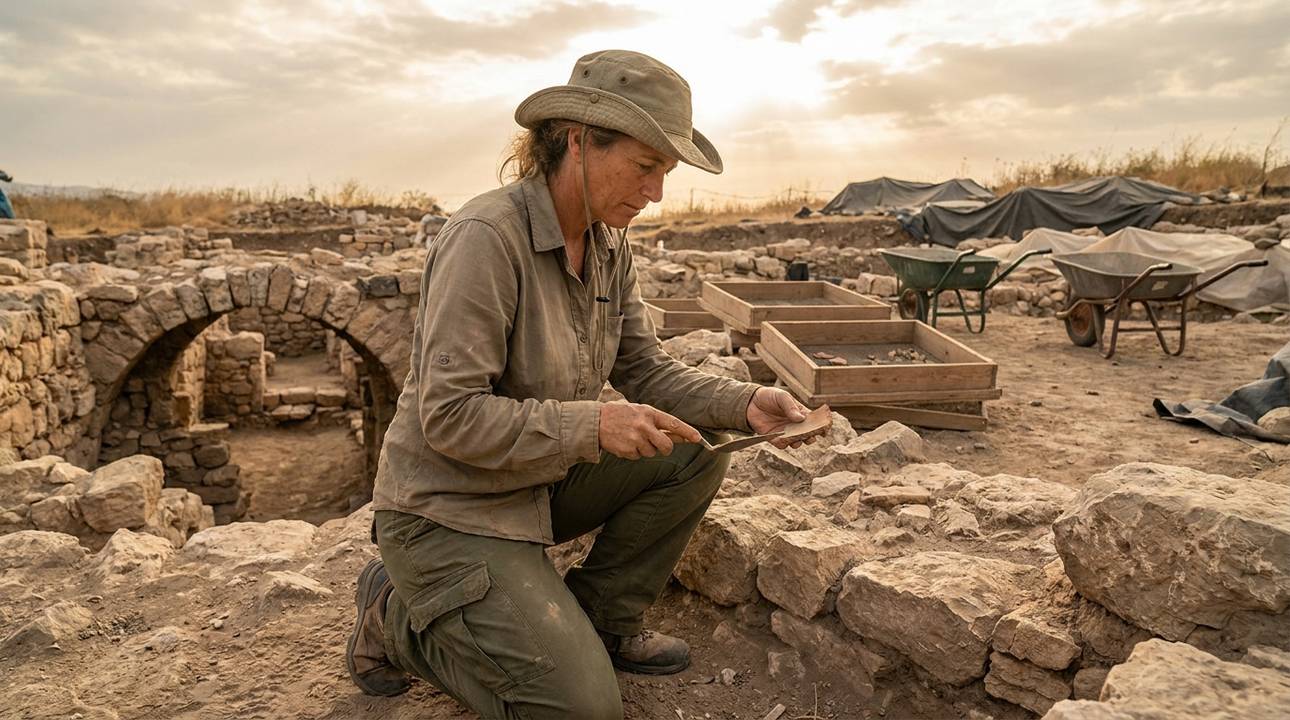
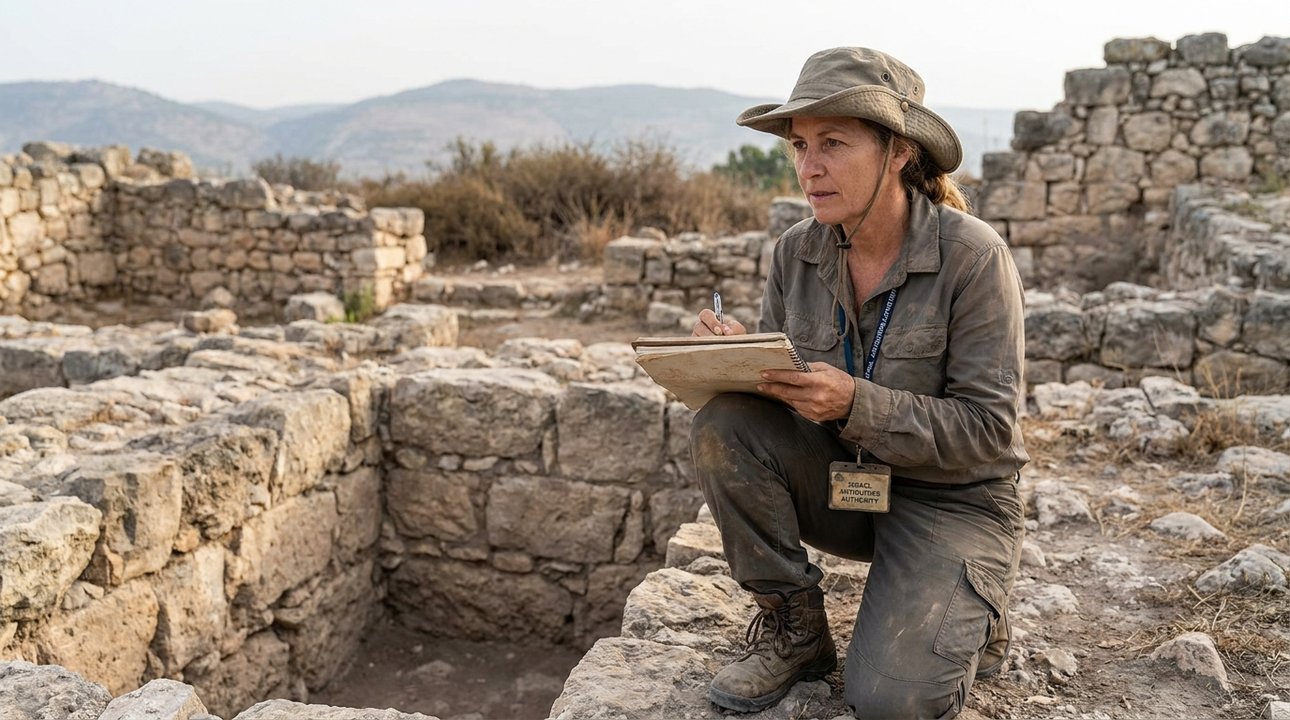
Excavations at Tell el-Far’ah have revealed structures and artifacts that date back to the Iron Age. These include city walls, residential buildings, and pottery fragments, painting a picture of life in a thriving city. The findings highlight Tirzah’s strategic and economic importance. Archaeologists have uncovered evidence of fortifications that suggest Tirzah’s role as a defensive stronghold.
The discovery of pottery and other artifacts indicates a trade network, connecting Tirzah with other regions. Such archaeological evidence enriches our understanding of Tirzah’s role in the ancient world, affirming its historical and economic relevance. Its connections with neighboring regions reveal its importance as a hub of commerce and culture.
Artifacts found at Tell el-Far’ah provide insights into the daily life and economic activities of Tirzah’s inhabitants. Its strategic location made it a key player in regional trade, contributing to its prosperity and influence. These discoveries offer a deeper appreciation for the complexities of the society and the role Tirzah played in its development.
Tirzah’s Decline and Legacy
After serving as a capital, Tirzah declined following the relocation to Samaria. Yet, its cultural symbolism endured. Historical texts and traditions continued to venerate Tirzah as a place of beauty and significance, maintaining its legacy in the annals of history.
Despite its decline, Tirzah’s name appears in Jewish liturgy and literature, symbolizing beauty and grace. Often associated with the Song of Songs, its beauty is likened to that of a beloved (Song of Songs 6:4). In Jewish tradition, Tirzah’s name evokes imagery of elegance and charm, maintaining its presence in cultural memory. Its mention in ancient texts serves as a reminder of its once-prominent status in the Northern Kingdom.
This lasting association with beauty and cultural role keeps Tirzah alive in shared tradition. Referenced in various discussions, it highlights its role as a symbol of aesthetic and moral values. Tirzah’s legacy is still remembered by those who study its past, offering insight into the values and ideals cherished by society.
from the Western Wall to Masada.
Tirzah in Jewish Tradition
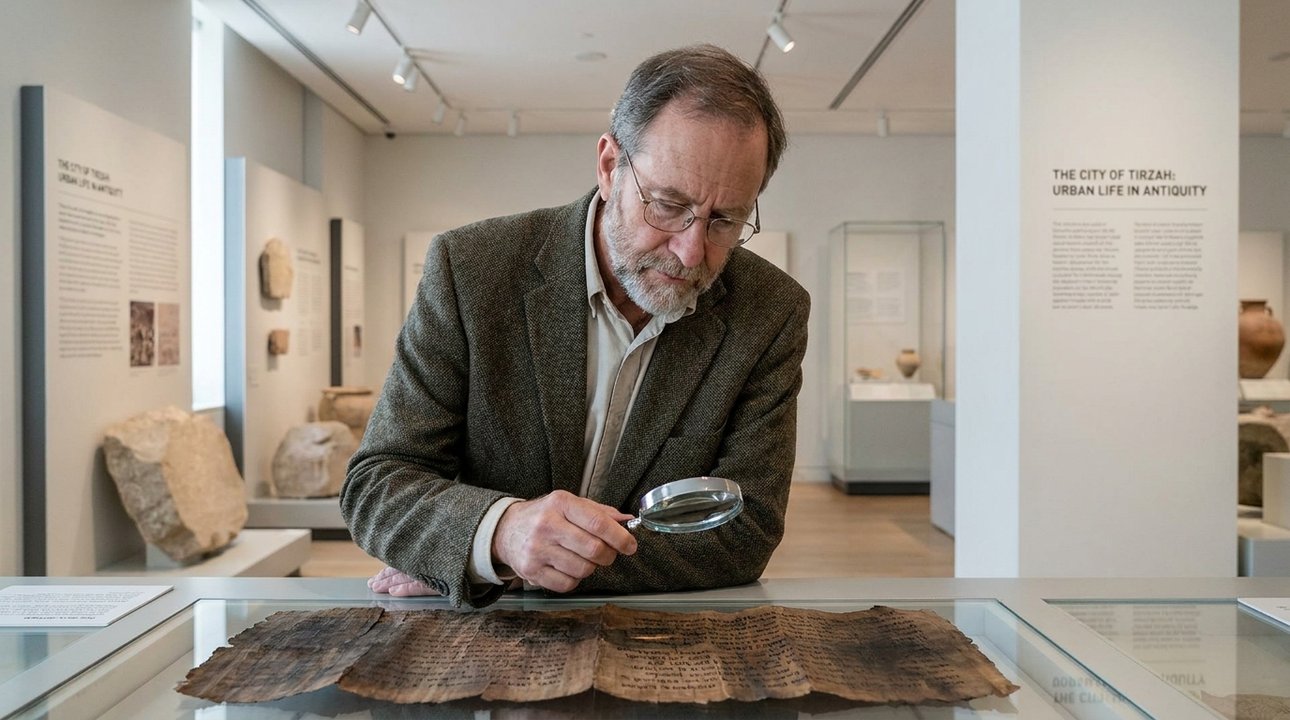
In tradition, Tirzah is symbolic of beauty and fairness. It features in literature, contributing to discussions about law, heritage, and justice, as illustrated in the narrative of Zelophehad’s daughters. This story champions the rights of women to inherit property, linking Tirzah with broader social themes and legal precedents.
Tirzah’s association with beauty is also reflected in the Song of Songs, where it is compared to a beloved. This dual symbolism of beauty and justice underscores Tirzah’s multifaceted role in thought. The city’s legacy in discussions about fairness and beauty continues to influence contemporary interpretations of narratives. Its mention in these contexts highlights the enduring relevance of its ideals.
The name of this city is invoked in various texts, symbolizing both aesthetic and moral values. Tirzah’s story is woven into cultural memory, serving as a reminder of the principles that guided society. Through its lasting symbolism, Tirzah is still remembered by those who seek to understand the deeper meanings within texts.
How Is Tirzah Viewed Today?
Present-day scholarship continues to examine Tirzah, focusing on its historical narratives and archaeological significance. Its site, Tell el-Far’ah, provides researchers valuable insights into early society. Archaeologists have unearthed pottery and other artifacts that reveal a trade network, connecting Tirzah with surrounding regions. These findings help piece together the daily life and economic activities of its inhabitants.
For those interested in history, understanding Tirzah’s cultural heritage is part of a broader exploration of the past. The site’s connection to significant events and figures makes it a focal point for those interested in the early days of the kingdom. Exploring Tirzah offers a unique opportunity to engage with the past and appreciate the enduring influence of this city on history.
Cultural Impact of Tirzah
Tirzah remains a potent cultural symbol, representing an era of beauty and strength in history. Its mentions inspire art, literature, and reflection. The ongoing fascination with this city highlights its remarkable place in shared history. Referenced in the Song of Songs, Tirzah is celebrated for its beauty, reflecting its esteemed status.
Through its presence in cultural narratives, Tirzah is still remembered by those who seek to connect with the past. Its legacy is a sign of the power of cultural symbols to shape identity and memory. Tirzah’s story is woven into the fabric of Jewish history, serving as a reminder of the values that have shaped shared history.
Artists and writers continue to draw inspiration from Tirzah, using it as a metaphor for beauty. Theological reflections often explore its significance in the context of historical narrative, emphasizing its role during the reign of early kings. Tirzah’s story is a sign of the enduring power of cultural symbols in shaping identity and memory. Its influence extends beyond its historical context, resonating with those who seek to connect with the past.
The name of this city is frequently mentioned in literature and art, where it serves as a symbol of strength and grace. Tirzah’s legacy is a reminder of the values that have shaped Jewish history and is still remembered by future generations. Through its presence in cultural narratives, Tirzah remains a powerful emblem of beauty and resilience.
Tirzah’s Meaning in the Modern World
Today, Tirzah inspires ongoing discussions about heritage and identity. Its story is reflected in educational and religious curricula, ensuring future generations appreciate its value. Modern takes on Tirzah continue to emphasize themes of beauty and history. In educational settings, Tirzah is often highlighted in lessons about its role during the reign of King Jeroboam I.
Religious teachings also draw on Tirzah’s legacy, using it to discuss the importance of cultural preservation and identity. Mentioned in Song of Songs 6:4, where it is described as beautiful, Tirzah underscores its lasting impact on literature and art. Tirzah’s story is not just a historical account but a reminder of the enduring values that continue to shape cultural narratives today. Its influence is felt in discussions about beauty, justice, and identity.
Through its symbolism, Tirzah serves as a touchstone for those exploring the intersections of history, culture, and faith. Its legacy is a sign of the power of cultural symbols to inspire and inform. Invoked in various contexts, the city’s name highlights its significance in shared history.
Understanding Tirzah in the Bible
