
Discover the Historical City of Keilah: Ancient Stories and Insights
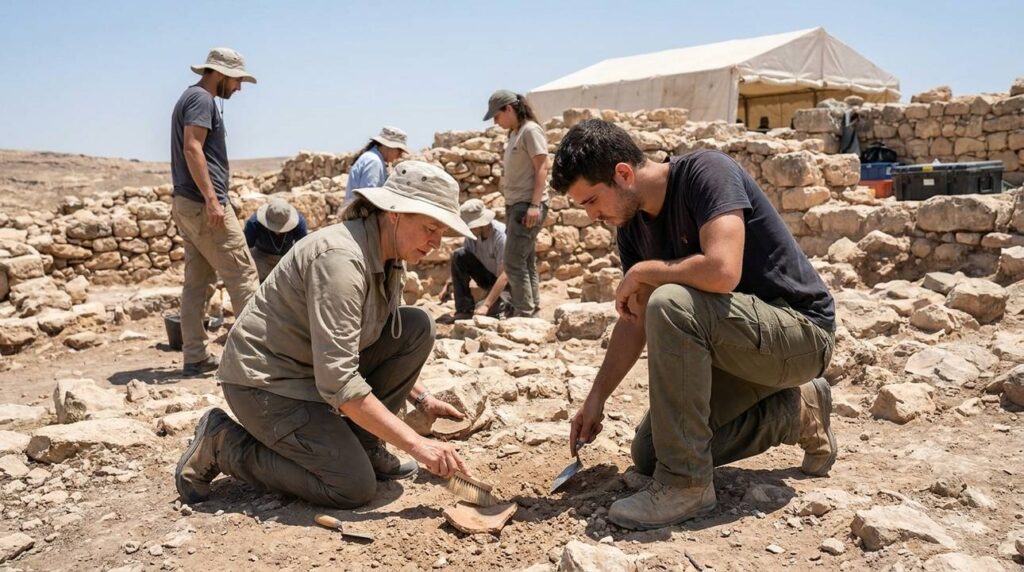

Keilah is a city with historical significance, situated in the lowland region of Judah. It played a notable role during the time of David, as highlighted in various historical accounts. Exploring its historical context helps us appreciate its role. The story of Keilah provides insights into themes of conflict and survival in ancient times, offering lessons for today’s leaders.
The narrative of Keilah reveals the strategic decisions made by David during his refuge there. Positioned in the lowlands of Judah, it was vital in defense against threats. The history of Keilah shows the adaptability of its people, who managed the complexities of their environment. The lessons from its past remain relevant, offering insights into leadership and survival.
from the Western Wall to Masada.

Keilah’s location in Judah made it central to military and political activities. Its position was essential for controlling access to surrounding areas. Understanding Keilah’s historical role provides insights into the challenges faced by the people of Judah and their interactions with neighboring groups. Its strategic location made it a key player in regional dynamics, impacting events in the area.
Keilah’s strategic position served as a gateway to the hill country of Judah, making it valuable for controlling trade routes and military movements. Its inclusion in territorial discussions highlights its importance in regional organization. Interactions between Judah and neighboring tribes often centered around control of such strategic locations. Keilah’s history reflects the complex political landscape of the time, with constantly shifting alliances.
What Is Keilah?
Keilah is referenced in historical texts as a fortified city in Judah, known as a place where David sought refuge. Its strategic position in the valleys of the Shephelah gained it prominence. This area served as a border defense for Judah, frequently becoming a battleground during conflicts with the Philistines. Keilah’s role in these conflicts highlights the ongoing threats faced by its people.
Keilah was not only a military stronghold but also a symbol of strength. The Philistines, known for their advanced tactics, repeatedly clashed with the region, making it a focal point in the struggle for control. The Shephelah, a lowland area, provided a defensive edge. The strategic importance of Keilah is underscored by its frequent mention in historical narratives, emphasizing its role in Judah’s defense.
Keilah’s Role in David’s Story
According to 1 Samuel 23, David saved Keilah from a Philistine attack, earning both gratitude and betrayal. The Philistines were a significant threat to the city. Despite David’s protection, the residents considered handing him over to Saul. This decision highlights the precarious nature of alliances and loyalty during this time in history. It underscores the complex political dynamics that leaders like David navigated in their quest for survival.
The account of Keilah illustrates the challenges of leadership and the fickle nature of loyalty. David’s actions in saving the city from the Philistines were appreciated, yet the threat of betrayal was significant. This narrative underscores the difficulties leaders faced in maintaining trust and security. The political landscape was fraught with shifting alliances, and David’s experience in Keilah exemplifies the delicate balance required to navigate such complexities.
David learned of their intentions, prompting his departure. This event is pivotal in David’s life, illustrating the constant threats and shifting allegiances he faced. The narrative of Keilah serves as a reminder of the complexities of leadership and the difficult choices leaders must make to ensure their survival and the safety of their followers. David’s decision to leave Keilah reflects his strategic thinking and adaptability, showcasing his skills as a leader.
David’s escape from Keilah shows his ability to navigate the treacherous landscape of political alliances. Despite saving the city from the Philistines, he faced the possibility of betrayal. This incident highlights the fragile nature of loyalty and trust during this period. David’s leadership was constantly tested, and his decision to leave Keilah demonstrates his foresight and understanding of the risks involved in maintaining alliances.
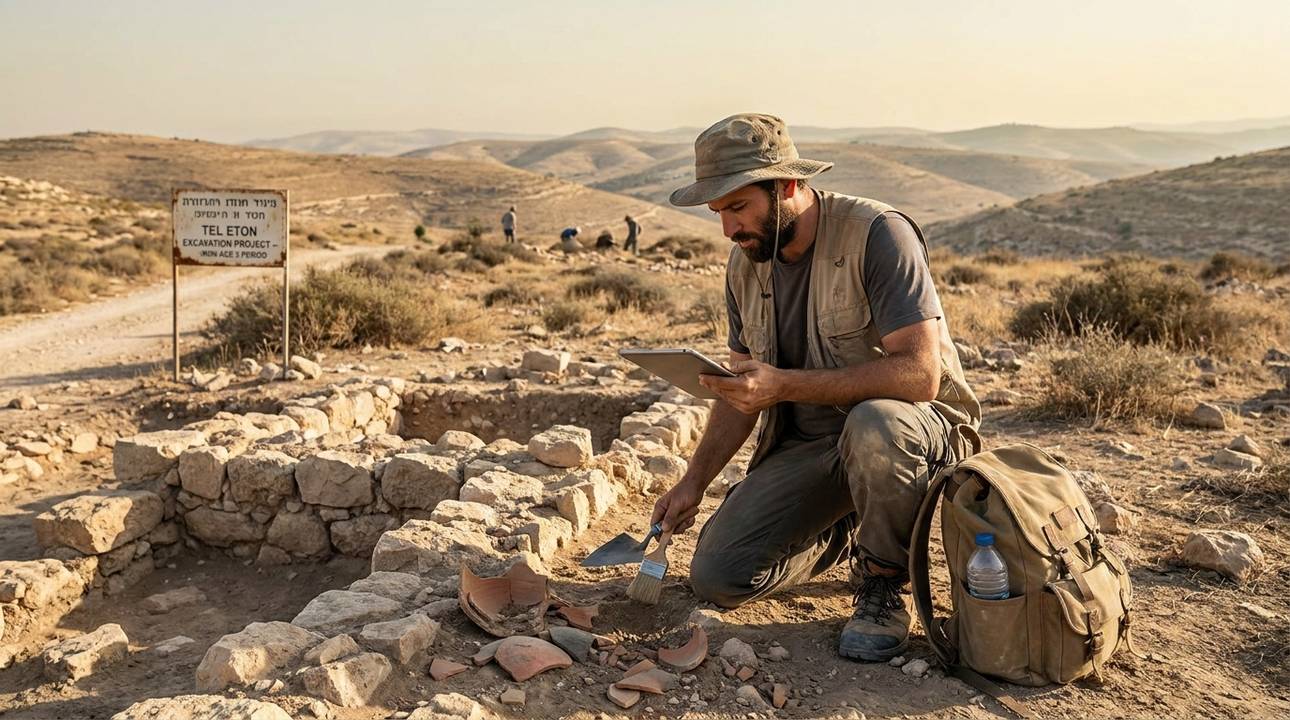
Historical References to Keilah
Keilah is primarily referenced in the context of David’s escape from Saul, highlighting its strategic military value. Its fortified nature is emphasized, illustrating the challenging dynamics faced by early leaders. The city served as a refuge for David, who was pursued by Saul. Its fortifications provided a temporary haven, reflecting the constant threats and shifting loyalties of the time, showcasing the difficulties of leadership.
David’s refuge in Keilah underscores the importance of fortified cities in the region. These strongholds were vital for protection against enemies like Saul, who pursued David relentlessly. The fortifications offered a temporary sanctuary, highlighting the strategic decisions leaders had to make to ensure their safety. The narrative also reflects the broader theme of survival in a landscape marked by political and military turmoil, emphasizing the strength required to navigate such challenges.
Keilah’s Geographical Significance
Keilah’s proximity to ancient trade routes ensured its relevance in commerce and military strategy. Its position was vital for controlling access between the coastal and inland areas. The trade routes connected various parts of the region, facilitating economic and cultural exchanges. Understanding its location helps in seeing why controlling Keilah was a focus for rival powers. Its strategic position made it a target for both defensive and offensive military campaigns, shaping its historical narrative.
Keilah’s proximity to trade routes also contributed to its economic significance. As a hub for trade, it would have been involved in the exchange of goods and ideas, influencing the cultural landscape of the region. The importance of its location underscores the interconnectedness of ancient societies and the role of geography in shaping historical events and relationships. Trade routes connected Keilah to other key cities, facilitating cultural and economic exchanges that enriched the region.
Keilah’s role as a trade hub allowed it to serve as a mix of cultures and ideas. The exchange of goods such as textiles, pottery, and metals would have brought diverse influences to the area. This cultural exchange not only boosted the local economy but also contributed to the broader cultural development of the region. The strategic placement along trade routes highlights its importance as a center of commerce and cultural interaction in ancient Judah.
from the Western Wall to Masada.
Archaeology and Keilah
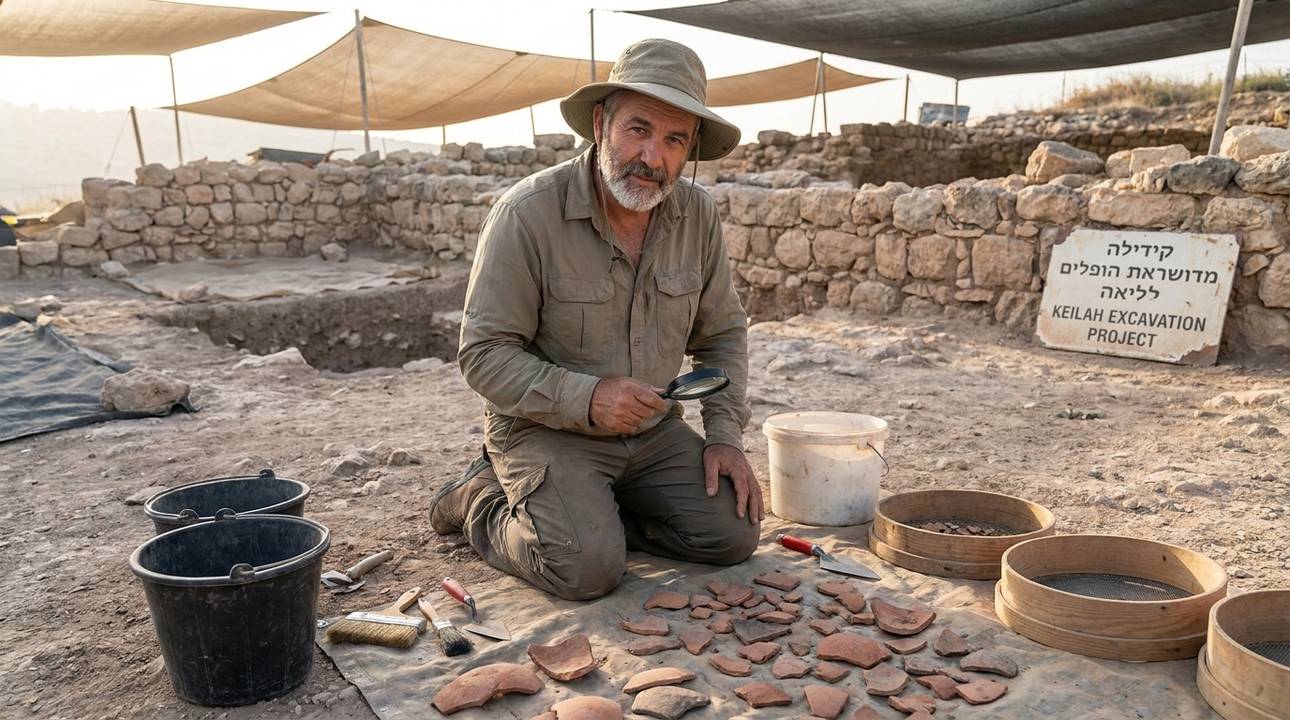
Archaeological studies in the area aim to identify remains that correspond to Keilah. These efforts help verify historical narratives and understand ancient urban planning. Excavations seek to uncover artifacts that can provide insights into the daily lives of its inhabitants. Artifacts from nearby regions provide context for Keilah’s role in the broader Canaanite and regional civilizations. These findings contribute to a more comprehensive understanding of the cultural and historical landscape of the area.
The ongoing archaeological work in and around Keilah is crucial for piecing together its past. Discoveries such as pottery, tools, and structures offer tangible evidence of its existence and interactions with neighboring communities. Through these studies, researchers hope to illuminate the history of Keilah and its contributions to the development of regional society. Each find adds a piece to the puzzle of its role in history, enriching our understanding of the era.
Archaeologists are particularly interested in the artifacts that reveal daily life in Keilah. Items like pottery and tools provide clues about the economic activities and cultural practices of its inhabitants. These discoveries help paint a picture of life in ancient Judah, showing the social and economic structures of the time. The ongoing excavations at Keilah continue to shed light on the complexities of regional society and its interactions with neighboring cultures.
Keilah’s Place in Modern Scholarship
Scholars continue to explore Keilah’s significance in history, contributing to our understanding of territorial politics in the region. It is mentioned in the context of David’s adventures, where David saves the city from the Philistines. Modern interpretations often revisit its narratives to explore themes of loyalty and betrayal in historical texts. These themes are evident in the actions of the residents, who, despite David’s help, considered surrendering him to Saul.
Exploring Keilah’s role provides insights into the complex relationships and political dynamics of the time. Its mention in historical texts highlights its strategic importance and the moral dilemmas faced by its inhabitants. By studying Keilah, scholars gain a deeper understanding of the challenges and decisions that shaped the history of the region, offering insights that continue to resonate with modern readers. Its story is a mix of conflict and resolution, emphasizing the intricacies of leadership.
Keilah’s narrative serves as a lens through which we can examine broader themes of power and loyalty in the region. Its strategic location made it a focal point for military and political activities. The moral and ethical dilemmas faced by its leaders highlight the complexities of maintaining alliances and security. Keilah’s story provides valuable insights into the challenges of leadership in a turbulent world, offering lessons that continue to resonate with modern audiences.

Keilah in the Present Day
Today, Keilah’s exact location remains uncertain, though excavations continue to seek discoveries. Archaeologists aim to uncover artifacts that could pinpoint its historical position. Understanding its layout provides insight into ancient urban lifestyles and defense mechanisms. This ongoing interest in identifying Keilah fuels scholarly discussions and excavations. Researchers hope to find evidence that will illuminate the daily life and strategic importance of this historical city, offering a clearer picture of its past.
The search for Keilah’s location is a testament to the enduring interest in archaeology. Each discovery, whether pottery shards or ancient tools, adds to our understanding of its role in history. Archaeologists are particularly interested in uncovering fortifications and other structures that could reveal more about Keilah’s defensive capabilities. These findings would provide valuable insights into the military strategies employed by ancient Judah to protect its cities.
The Legacy of Keilah
Keilah remains a symbol of ancient complexity within historical narratives. It embodies themes of strategy and community challenges in the region. Its story, particularly during David’s time, illustrates the intricate balance of power and loyalty. As a place woven into David’s narrative, its legacy is still remembered through historical reflection and study. Keilah’s narrative encourages us to consider the moral and ethical dilemmas faced by leaders in times of crisis, offering lessons in leadership.
Keilah’s account serves as a reminder of the strategic decisions and alliances that shaped the region. Its narrative is a testament to the strength of its people and the complexities of leadership. Keilah’s legacy continues to resonate with modern readers, showing the challenges faced by leaders in maintaining security and loyalty. Its story is a mix of conflict and resolution, highlighting the enduring themes of strategy and survival in history.
The lessons drawn from Keilah’s history are relevant to understanding the broader context of historical events. Its strategic importance and the decisions made by its inhabitants offer a glimpse into the complexities of life in the region. Keilah’s legacy as part of the historical narrative serves as a testament to the adaptability of its people, providing valuable insights for modern readers. Its story is one of survival and strategic foresight, reflecting the challenges faced by leaders like David.
Keilah’s narrative highlights the moral and ethical dilemmas faced by its leaders. Its strategic location made it a target for both protection and betrayal, as seen in David’s story. This duality of being both a refuge and a potential trap underscores the precarious nature of leadership in challenging times. The lessons from Keilah’s history remind us of the constant balancing act required to maintain security and loyalty in a turbulent world.
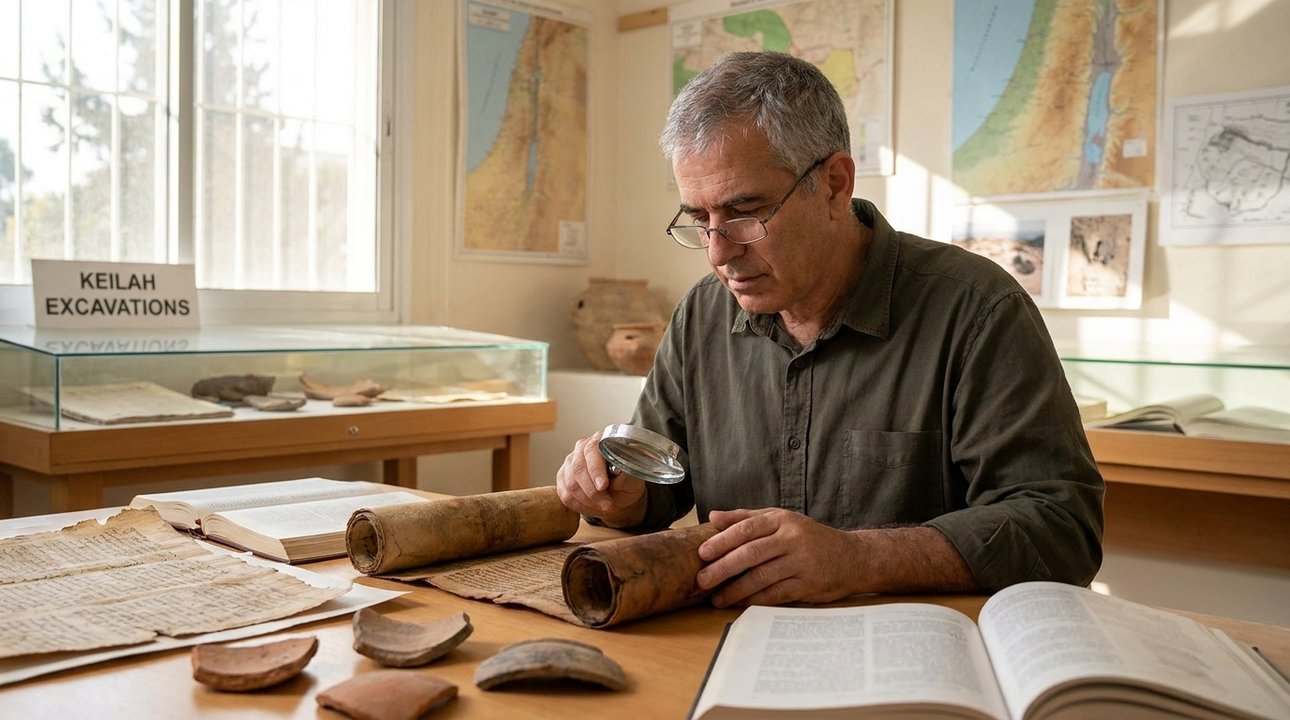
Understanding Keilah
