Discovering Solomon’s Place in the Bible


Solomon is often associated with wisdom and wealth. His story unfolds in several historical texts, showing his leadership and legacy. He became a leader of Israel after his predecessor. This transition is recorded in historical accounts, where it is promised that Solomon will succeed. This article explores his appearances in historical texts and his profound impact on Israel’s history.
Who Was Solomon in the Bible?
Solomon was the son of a significant historical figure and Bathsheba, a union detailed in historical records. He became a leader of Israel, ruling from around 970 to 931 BCE, a period known for prosperity and cultural growth. Solomon’s wisdom, wealth, and building achievements are well-documented in historical texts.
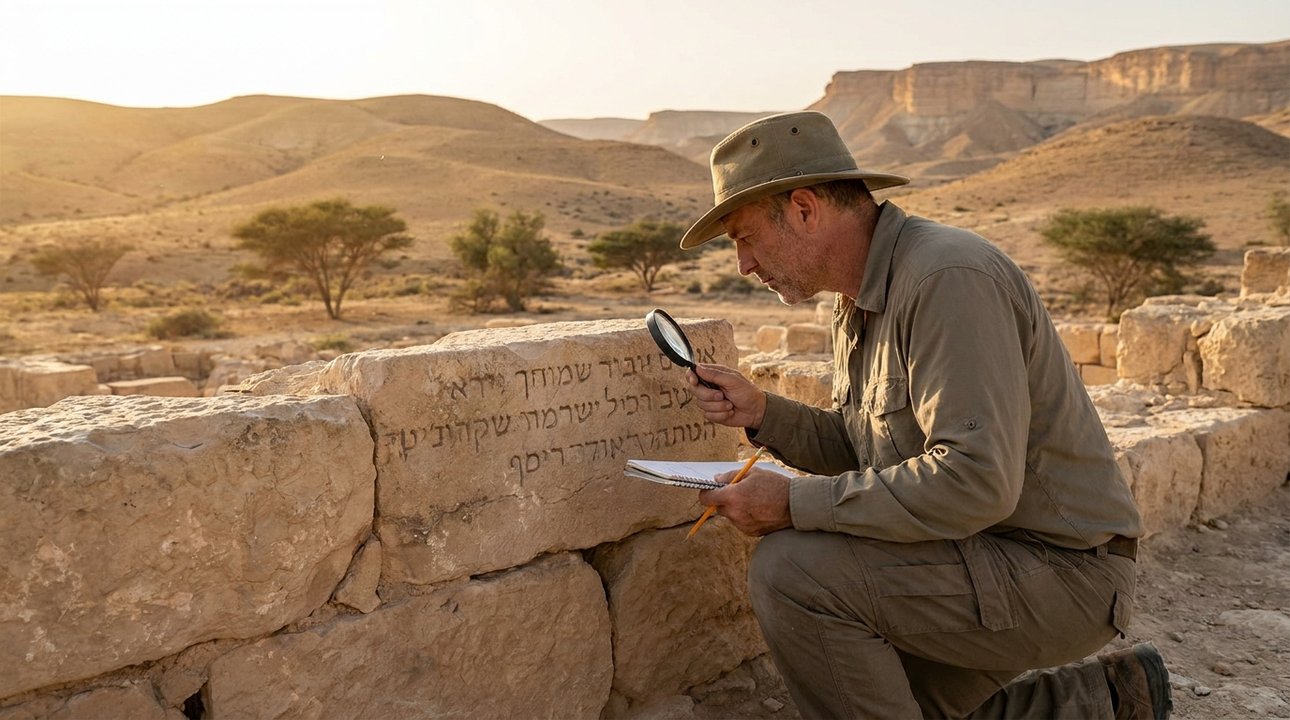
His story unfolds primarily in historical accounts. These texts highlight his construction of significant buildings, a cultural milestone for Israel.
from the Western Wall to Masada.
Solomon’s leadership is characterized by his diplomatic endeavors, including alliances through marriages. This era saw Israel reaching great heights, both economically and culturally, as Solomon’s wisdom attracted leaders from afar.
His legacy is a blend of achievements and challenges, as his later years were marked by controversies, including turning towards different practices, which contributed to the kingdom’s eventual division.
In historical accounts, Solomon’s wisdom is revered, particularly in stories of his ability to adjudicate challenging cases, earning his reputation as a fair and wise ruler. This narrative is emblematic of his ability to discern the truth, reflecting his deep understanding and insight. The account of his wisdom extends throughout various passages, illustrating how he shaped the kingdom under his guidance.
Solomon’s Leadership and Achievements
Solomon’s most renowned accomplishment was the construction of the First Temple in Jerusalem, an architectural feat symbolizing Israel’s spiritual heart. The temple’s completion is described in 1 Kings 6, detailing its grandeur and significance in Israelite worship.
This monumental project took seven years to complete, and its dedication is celebrated in 1 Kings 8. The temple became the central place of worship for the Israelites, housing the Ark of the Covenant and serving as a symbol of national unity.
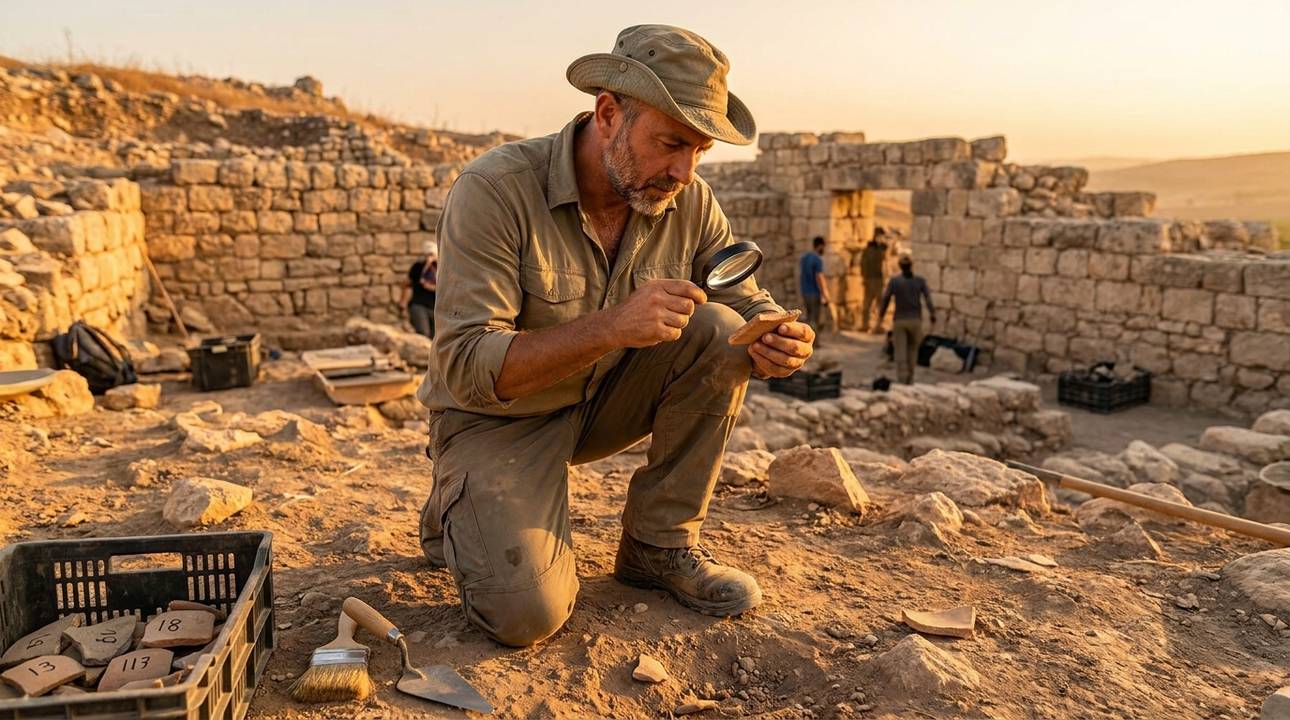
Solomon’s leadership is marked by several building projects, including the fortification of key cities like Megiddo, Hazor, and Gezer, as outlined in archaeological studies. His influence extended beyond architecture, encompassing cultural and economic advancements that contributed to Israel’s prosperity. These projects not only reinforced Israel’s defenses but also enhanced its status as a powerful kingdom in the ancient Near East. Solomon’s architectural and cultural achievements left a legacy on the region.
Historical texts emphasize Solomon’s wealth and international relations, including alliances through marriages with foreign princesses. This strategy bolstered peace and prosperity, making Israel a center of trade and influence in the region.
His marriage to a foreign princess is one such example. These alliances helped secure Israel’s borders and fostered economic growth, contributing to the kingdom’s stability and prosperity.
His interactions with notable figures illustrate his international reputation. These visits highlight Solomon’s wisdom and wealth, as he was tested with hard questions.
These endeavors brought Israel to the forefront of the ancient world, showcasing its power and prestige. Solomon’s diplomatic and economic strategies played a crucial role in establishing Israel as a significant player in the region.
Solomon’s Wisdom Literature
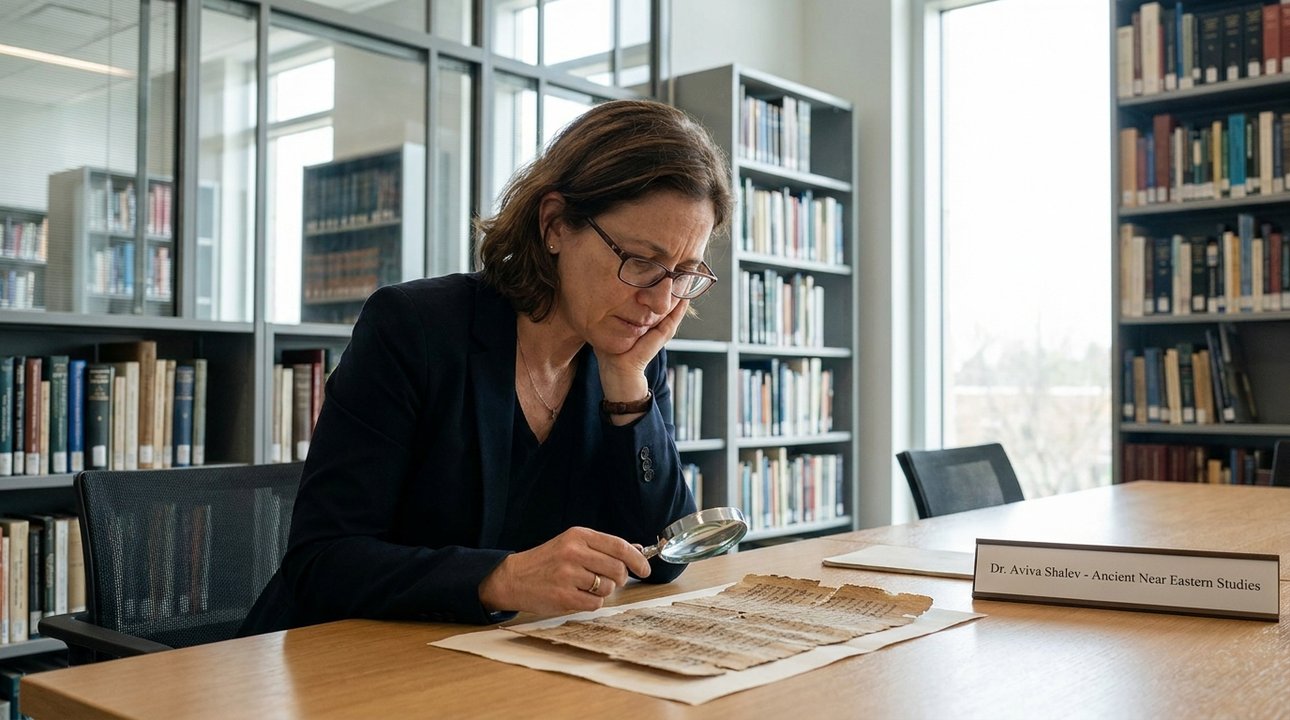
Solomon is traditionally credited with authoring several historical works, including collections of wise sayings and teachings. These works are praised for their deep philosophical insights and exploration of human experience.
These collections embody practical wisdom, offering guidance for everyday life and reflecting Solomon’s celebrated insight.
Ecclesiastes presents a thoughtful meditation on life’s purpose, showcasing Solomon’s broader philosophical inquiries. This book explores themes of meaning, mortality, and the human condition, offering a unique perspective on life’s complexities. Through these writings, Solomon’s intellectual legacy continues to influence and inspire, providing wisdom and insight into the human experience.
Such texts highlight Solomon’s role as not only a king but also a profound thinker, contributing to the Hebrew Bible’s wisdom literature. His writings have resonated throughout history, influencing countless readers and thinkers.
The Book of Proverbs, for example, is attributed to Solomon and contains sayings that offer moral and ethical guidance. These proverbs provide practical advice for daily living, reflecting Solomon’s celebrated wisdom and insight.
from the Western Wall to Masada.
A notable work often seen as an allegory, celebrates love and has been subject to diverse interpretations. This poetic work is unique in its expression of human emotion and relationships, showcasing Solomon’s literary talent.
These literary contributions underline Solomon’s enduring intellectual and cultural legacy, highlighting his impact on literature and the broader cultural landscape of his time.
Solomon’s Complex Legacy
Despite his wisdom and accomplishments, Solomon’s leadership faced significant challenges. His numerous political marriages, such as those with foreign princesses, led to dissent among his people. High taxation further fueled unrest.
Historical texts also recount Solomon’s turn towards different practices in his later years, influenced by his wives. This shift contributed to the kingdom’s eventual division, marking a complex legacy.
Solomon’s life offers reflections on governance, leadership, and the balance between wisdom and personal failings. His story is a sign of the multifaceted nature of leadership and the challenges of monarchy. The consequences of his actions, particularly his later decisions, are explored in historical narratives, highlighting the intricate dynamics of his leadership. His legacy continues to be a subject of study and reflection, showing the complexities of leadership and the enduring impact of his decisions.
The division after Solomon’s rule resulted in the split of the kingdom into Israel and Judah. This significant event altered the course of history, affecting the narratives of subsequent leaders.
During the reign of Solomon’s successor, the kingdom divided. The split was a direct consequence of Solomon’s policies and his failure to address the growing discontent among his people.
Solomon’s impact extended beyond his leadership, influencing Israelite history and theology. The division of the kingdom marked a turning point, leading to separate narratives for Israel and Judah. This division is a reminder of the complexities and pressures of leadership.
The historical texts highlight the consequences of Solomon’s actions and decisions, providing a deeper understanding of the historical developments that followed his leadership.
Solomon in Archaeology and Historical Studies
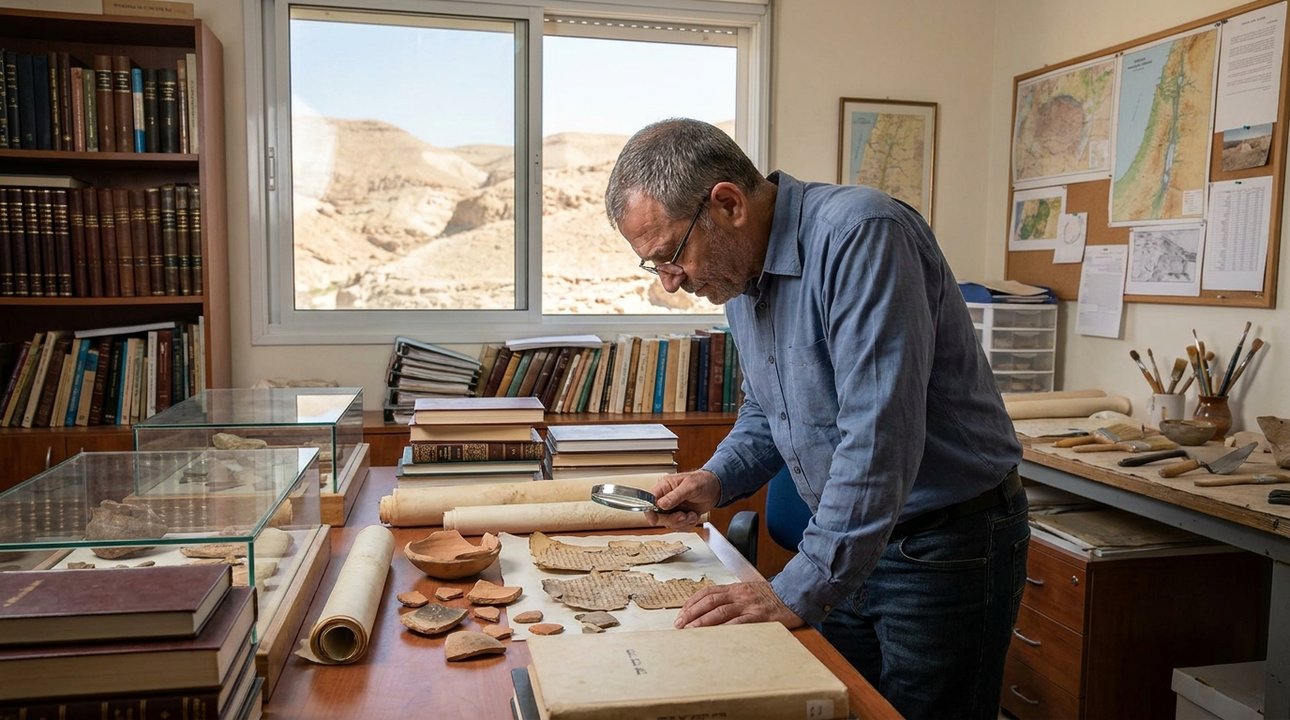
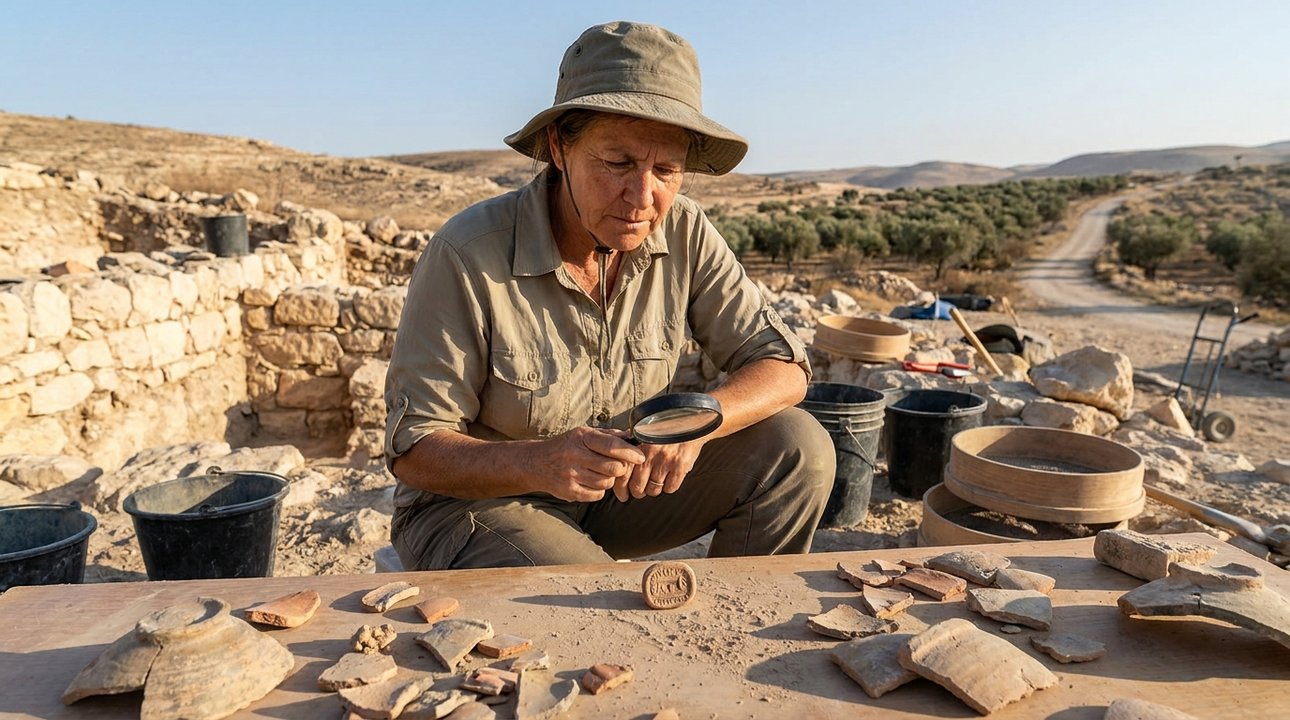
Archaeological research offers insights into the historical reality of Solomon’s leadership. Excavations at sites like Megiddo provide evidence of complex urban planning. These findings corroborate the historical accounts of Solomon’s building projects, highlighting his contribution to the region’s infrastructure. While not all aspects of his leadership can be confirmed archaeologically, these studies provide valuable context for understanding his history. The intersection of historical narrative and archaeology enriches our comprehension of the region under Solomon.
Current studies continue to explore the historical context of Solomon’s era, assessing his impact on the Levant. The blend of historical and analytical analysis presents a fuller picture of this influential figure. Scholars examine artifacts from the period, such as those found in Megiddo and Hazor, to better understand his leadership. These findings provide insights into the economic and cultural developments during Solomon’s time, offering a deeper understanding of his influence on the region.
Ongoing archaeological work aims to uncover more about his leadership and its lasting effects on the region. Through these efforts, Solomon’s contributions remain a subject of fascination and scholarly interest.
The discoveries help contextualize the historical narratives, providing a tangible connection to the stories and events described in the texts. Solomon’s era continues to captivate researchers, offering new perspectives on the region’s history and culture.
Understanding Solomon's Historical Role