
Understanding the Location of the Tigris River


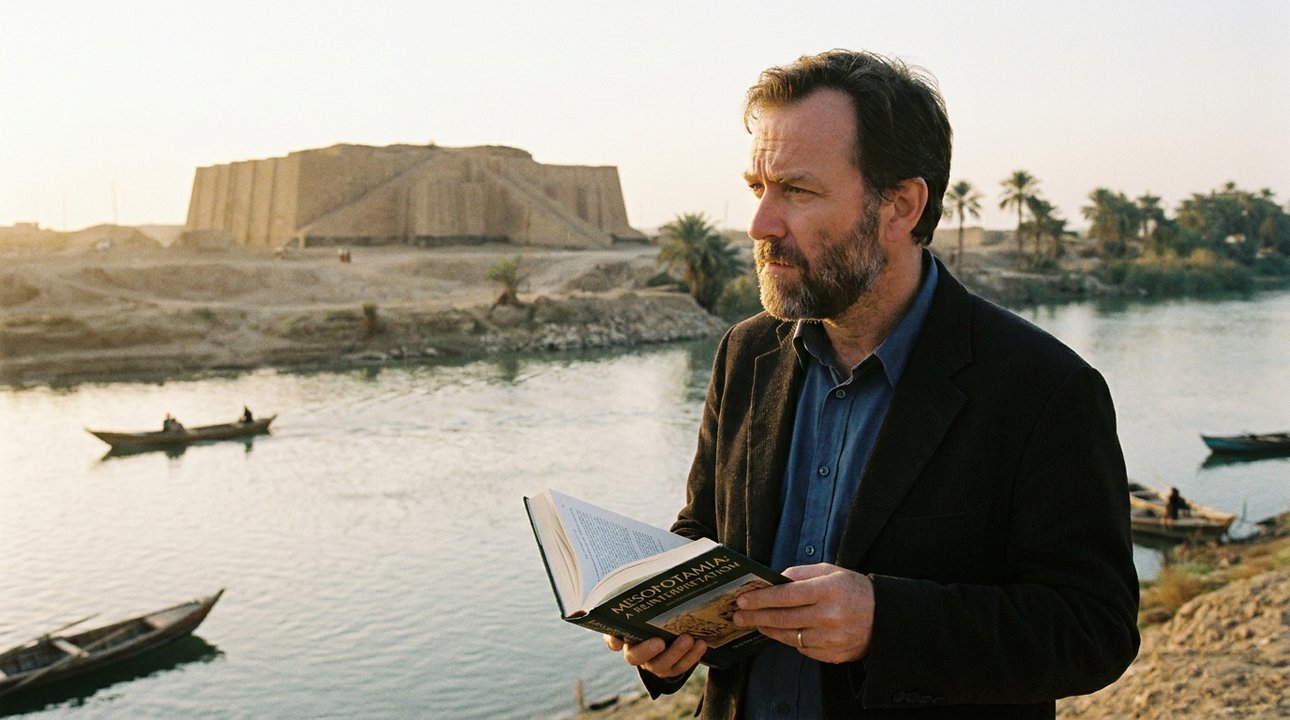
The Tigris River begins in the Taurus Mountains in Turkey. Flowing southeast through Iraq, it joins the Euphrates to form the Shatt al-Arab before reaching the Persian Gulf. This river is crucial to cities like Baghdad and Mosul, offering essential resources.
The Tigris has supported the rise of empires such as the Akkadian and Babylonian, providing necessary water resources.
from the Western Wall to Masada.

Where Is the Tigris River Located?
Originating in Turkey, the Tigris stretches southeast for about 1,850 kilometers. When it merges with the Euphrates, it forms the Shatt al-Arab. The river is vital for the region, especially for urban centers like Baghdad and Mosul.
The river has influenced trade and settlement patterns, serving as a key resource for societies along its banks.
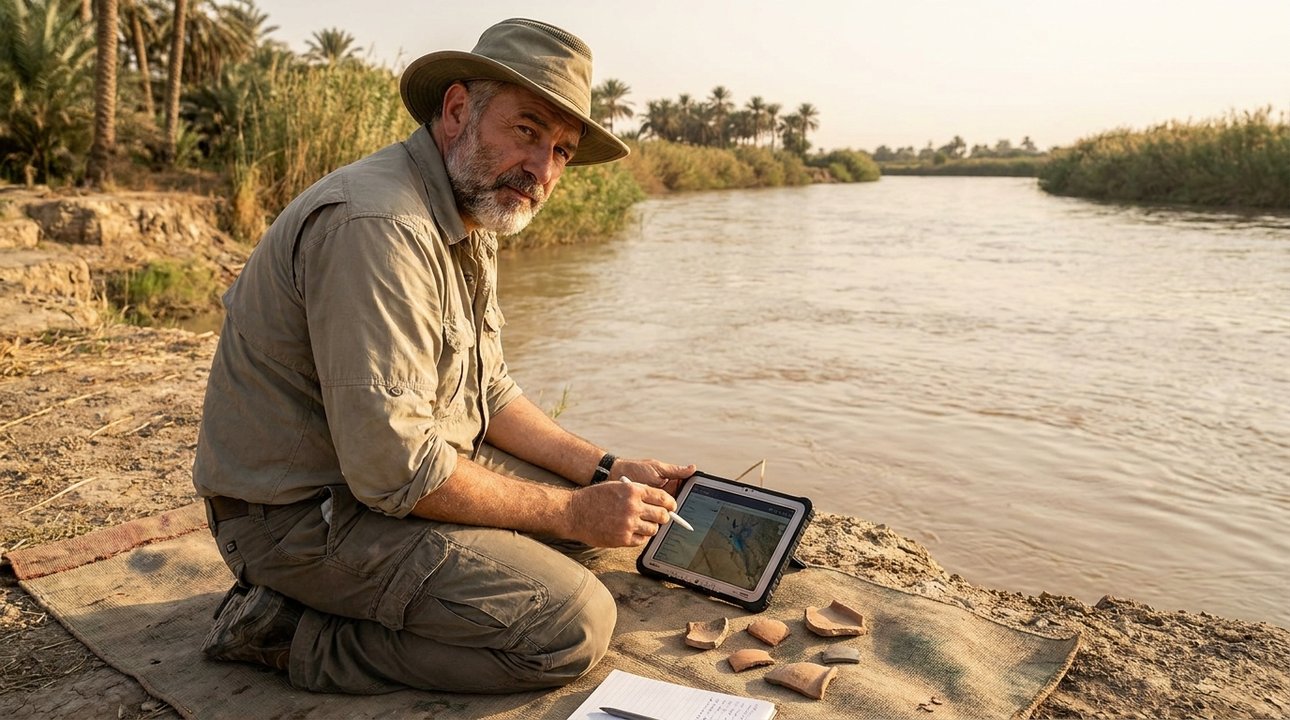
History of the Tigris River
The Tigris River is mentioned in ancient texts and supported the growth of historical cities like Nineveh, playing a key role in Mesopotamia.
The river facilitated trade and communication. Sites like Nineveh and Ashur highlight its historical importance.
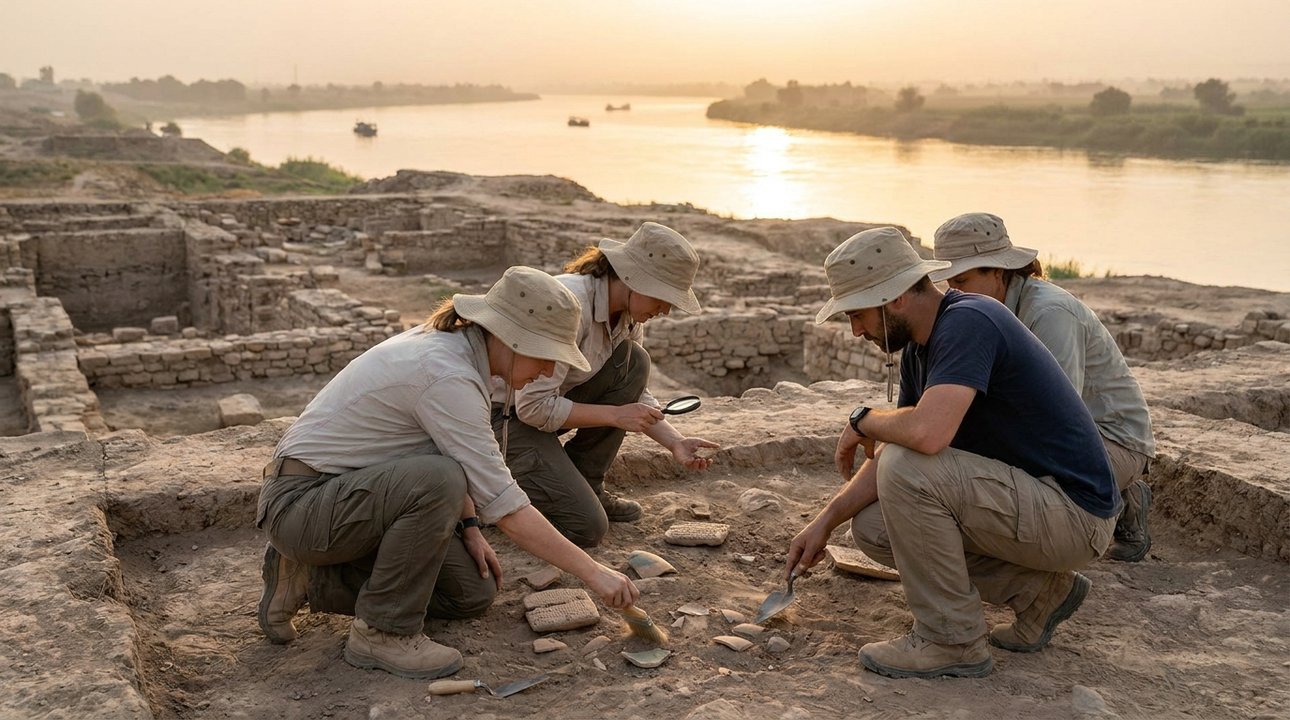
Modern-Day Importance of the Tigris River
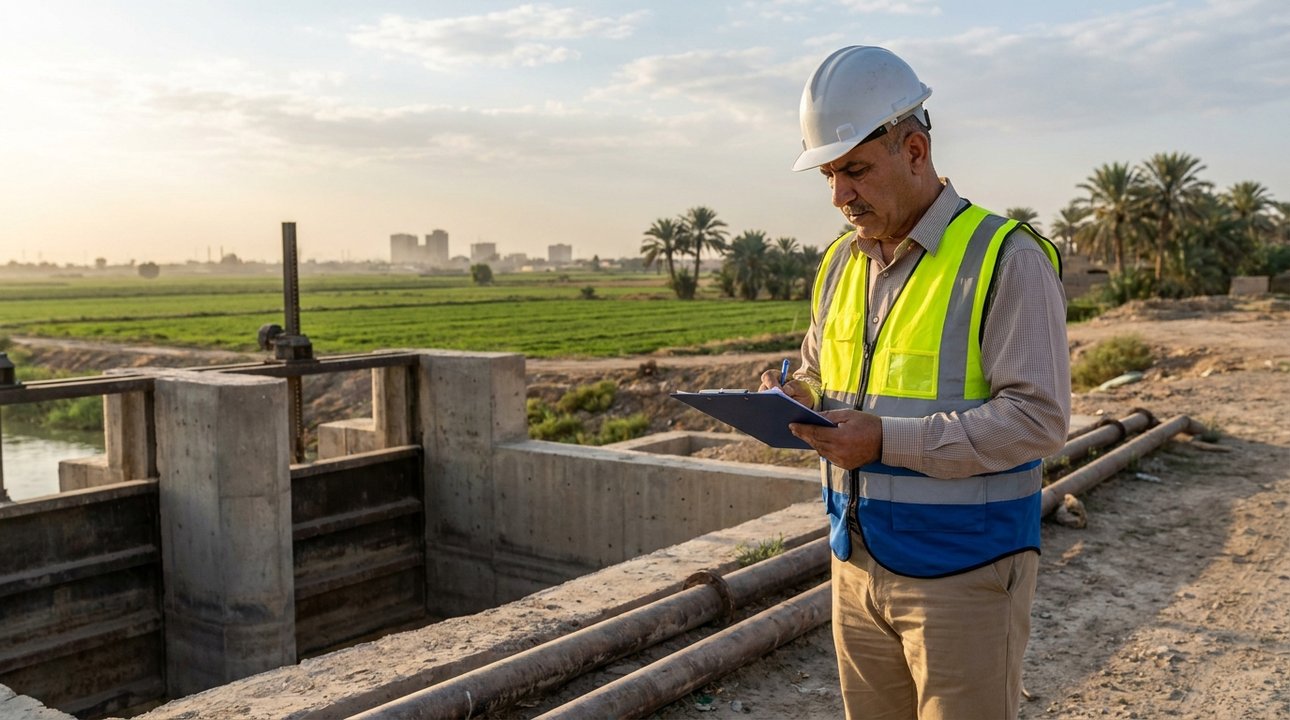
Today, the Tigris is vital for agriculture and urban water supply in Iraq. It also aids electricity generation. Water rights disputes require cooperative management to ensure access for all.
International cooperation is crucial for resolving water disputes. The Tigris supports agriculture and urban infrastructure, essential for the economy. According to historical records, water management efforts in the region continue to evolve, though challenges remain.
from the Western Wall to Masada.
The Ecology of the Tigris River
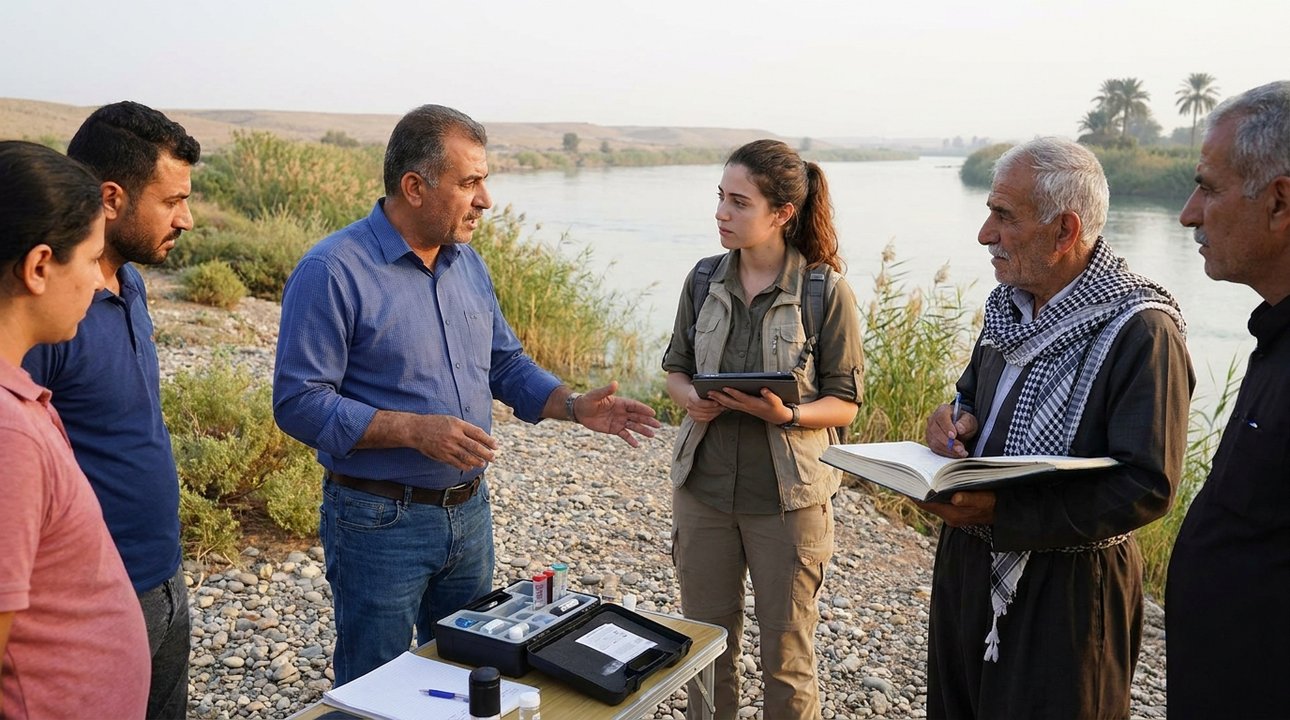
The Tigris River is home to diverse ecosystems, supporting various fish species and plant life. However, pollution and dam construction threaten its ecological health.
Efforts to mitigate these threats include pollution controls and sustainable practices. Protecting the Tigris’s ecosystem is crucial for maintaining biodiversity. Organizations like the United Nations promote international cooperation to address these issues.
Cultural Representation of the Tigris River
The Tigris River appears in literature and art, such as the Epic of Gilgamesh, serving as a backdrop and symbol for life’s journey. Its cultural relevance persists in modern works.
In contemporary culture, the Tigris reflects the influence of historical societies on modern life. Its depiction in art and literature underscores its historical significance.
Preservation Efforts and Challenges
Preservation efforts focus on improving water management and reducing pollution. Political tensions and climate change are ongoing challenges.
Conflicts over water rights can hinder effective management. Climate change affects rainfall patterns, further stressing resources. Collaborative efforts are vital for sustainable water management.
Geographical Context
