Understanding Nineveh: An Ancient Assyrian Capital
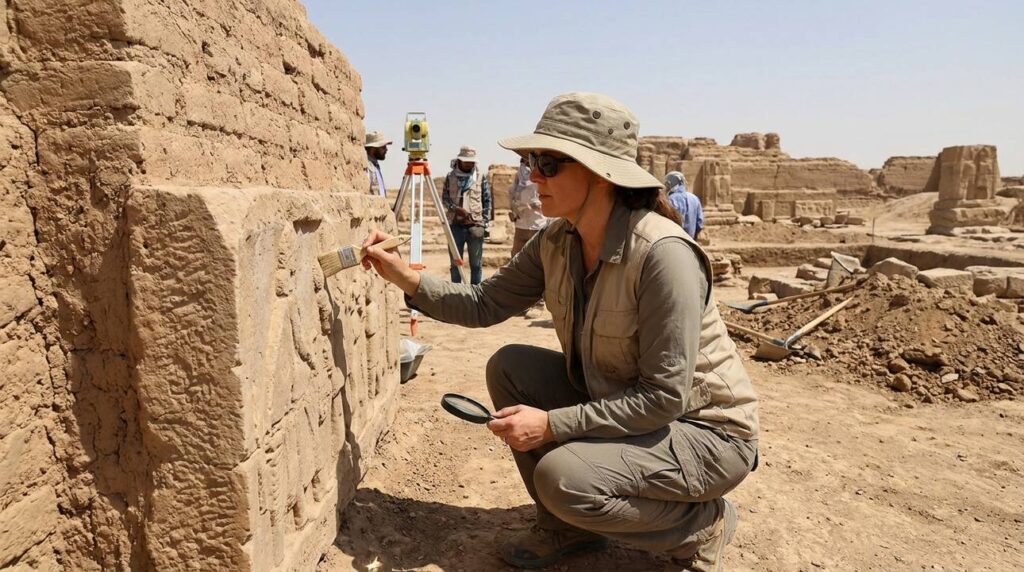

Nineveh, an ancient city near modern Mosul in northern Iraq, was once the thriving capital of the Assyrian empire. Known for its remarkable architecture and vibrant culture, Nineveh’s legacy continues to captivate historians and archaeologists. This article delves into its location, historical role, and presence in various narratives, offering valuable insights into its past.
Where Was Nineveh Located?
Nineveh was situated on the eastern bank of the Tigris River, a strategic location that facilitated trade and communication with other cities. The river supported the city’s agriculture, aiding its prosperity and influence in the ancient world.
from the Western Wall to Masada.

Surrounded by fertile plains, Nineveh thrived agriculturally. The Tigris River provided essential water for irrigation and farming, enabling the city to grow into a populous trade center. This abundance attracted merchants and artisans, fostering economic growth.
Excavations have uncovered layers of history, revealing grand palaces and temples that showcase Nineveh’s architectural prowess. These findings highlight its strategic importance in ancient Mesopotamia and its role in trade and military campaigns.

Nineveh’s Significance in the Assyrian Empire
As the capital, Nineveh was central to Assyrian political, religious, and economic life. During King Sennacherib’s reign, the city expanded with fortifications over 12 kilometers. These developments underscored its power and cultural significance in the ancient Near East.
The city was renowned for its architecture, including palaces and temples. King Sennacherib’s ‘Palace Without Rival’ featured intricate reliefs and courtyards, reflecting the empire’s wealth. Structures like the Temple of Ishtar highlighted its cultural and religious importance.
Nineveh housed a vast library with thousands of cuneiform tablets, offering insights into Assyrian knowledge. This collection has been crucial for historians, revealing aspects of literature, science, and administration in the Assyrian Empire.

Nineveh in Historical Context
Nineveh is often described as an ‘exceedingly great city’ in historical texts, emphasizing its vastness and power. These narratives highlight its role as a bustling metropolis and a center of power, illustrating themes of mercy and redemption.
Some texts predict Nineveh’s downfall due to transgressions, describing its destruction as a significant event. These writings contribute to the city’s historical narratives, emphasizing justice and the consequences of moral failings.
Nineveh’s frequent mention in historical texts underscores its importance. Its size and influence made it a subject for themes of redemption and judgment, reflecting on the consequences of hubris and moral failings.

The Fall of Nineveh
The decline of the Assyrian empire and external pressures led to Nineveh’s fall in 612 BCE. According to historical records, a coalition of Babylonians and Medes captured the city, marking a shift in regional power dynamics.
from the Western Wall to Masada.
Nineveh’s destruction was swift, and its ruins were forgotten for centuries. Modern archaeology, beginning in the 19th century, uncovered the city’s palaces and temples, reviving interest in its history.
The fall of Nineveh marked a significant turning point in Mesopotamian history. It demonstrated the impermanence of empires and reshaped the region’s political landscape, paving the way for the Neo-Babylonian Empire.

Nineveh Today
Today, Nineveh’s site near Mosul reflects a blend of history. The ruins, including city walls and gates, offer insights into its grandeur. Excavations reveal artifacts that help piece together its storied past, attracting scholars and tourists.
Historians and archaeologists continue to uncover Nineveh’s legacy. Artifacts like clay tablets and sculptures provide insights into daily life and governance, painting a vivid picture of the bustling ancient city.
Despite present-day challenges, interest in Nineveh’s heritage endures. Archaeologists work to protect the site from threats like urban development, ensuring its historical significance is preserved for future study.

Legacy of Nineveh in Modern Culture
Nineveh’s story resonates in modern culture, often referenced in discussions about leadership and morality. Its narrative serves as a reminder of ethical responsibilities and the consequences of hubris.
Arts and literature frequently draw on Nineveh’s dramatic history. Its depiction as a ‘great city’ continues to inspire, influencing works from ancient epics to modern novels. The city’s fall serves as a cautionary tale about the rise and fall of empires.
Nineveh’s rise and fall remind us of history’s cycles. Its story highlights the transient nature of achievements and the dynamics of power, offering lessons on the factors that shape civilizations.
Common Questions