
Understanding Assyria in Today’s Context


Assyria looms large in the pages of history as a formidable empire noted for its military prowess and vast influence.
Today, it occupies a captivating place both in historical study and cultural memory.
The siege of Jerusalem in 701 BCE exemplifies its military might and the dramatic narratives it inspired, influencing the course of Israelite history and literature.
The legacy of the Assyrian Empire is reflected in its contributions to art, architecture, and governance, which continue to be studied and admired. Its enduring influence is a sign of its history and the richness of its cultural heritage.
from the Western Wall to Masada.

What Was Assyria in Historical Times?
Assyria was a major Mesopotamian kingdom and empire of the ancient Near East. known for its powerful military and architectural marvels, the empire expanded across a vast region. It is often remembered for its conflicts with neighboring nations, including Israel and Judah, where King Shalmaneser V besieged Samaria.
Their architecture, such as the ziggurats and palaces, demonstrated engineering prowess and served as symbols of divine authority.
These structures were not only functional but also conveyed the grandeur and power of their rulers.
The heart of this empire lay in what is now northern Iraq, with its capital at Nineveh.
This city is famously mentioned in various historical texts, where it is described as a great city requiring three days to walk across.
In historical accounts, Assyria plays a significant role in the narratives of the Israelite kingdoms.
Nineveh’s prominence is also highlighted in historical texts, which foretell its downfall due to its wickedness.
The city’s role underscores its importance as a center of power and culture in the ancient world.
How Did Assyria Influence Neighboring Regions?
The influence of Assyria extended far beyond its borders.
Assyrian kings, such as Tiglath-Pileser III and Sargon II, often engaged in campaigns that expanded their reach into surrounding territories, including parts of the Levant and Egypt.
This had significant impacts on the political dynamics of the region, as seen in historical accounts of their interactions with Israel and Judah.
These expansions often involved complex alliances and vassal states, reshaping the power structures of the ancient Near East. Their ability to project power over vast distances was a sign of advanced military organization and strategic acumen.
Assyria’s interactions with Israel are well-documented in historical sources.
The empire’s military campaigns and dominance shaped the geopolitics of the Levant in profound ways.
Many Assyrian inscriptions, such as the Annals of Sennacherib, corroborate these narratives, detailing the siege of Jerusalem in 701 BCE.
These interactions often involved tribute payments and political subjugation, as seen in the accounts of the kings of Judah.
The historical and Assyrian records together provide a comprehensive picture of the complex relationships between these ancient powers.
What Can We Learn from Assyrian Archaeology?
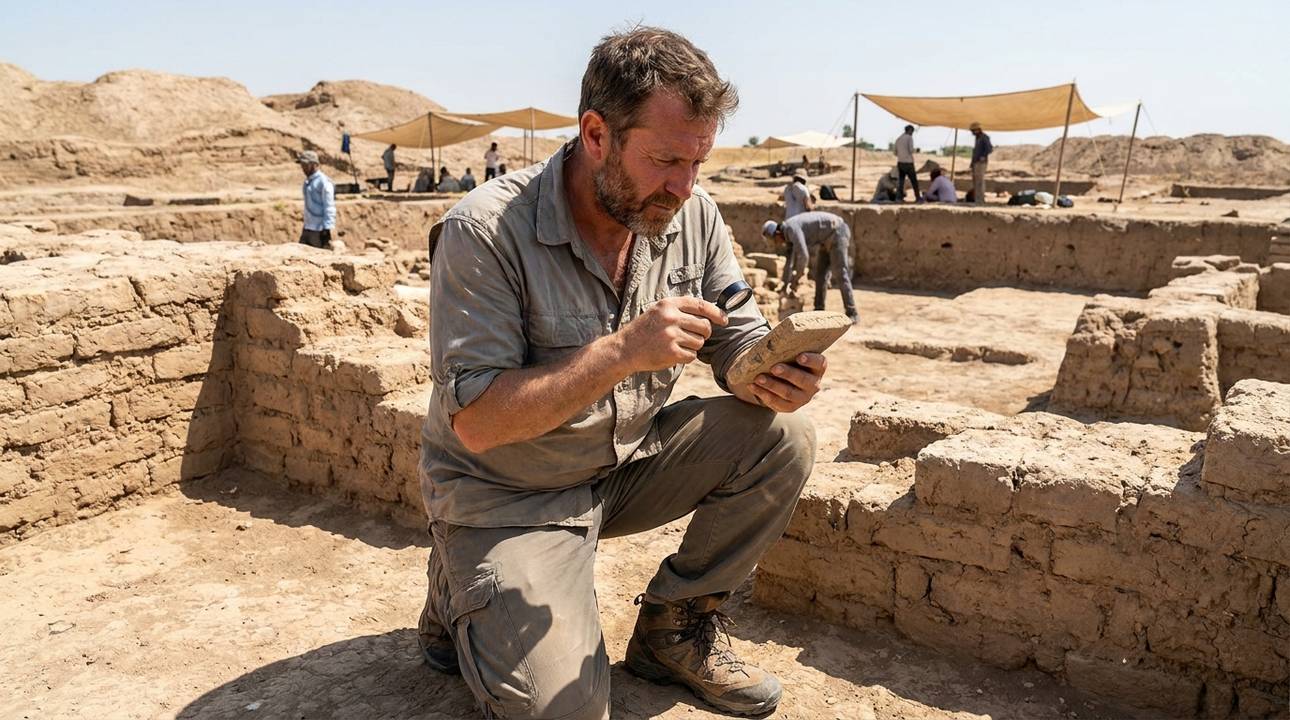
Archaeological discoveries have given us a wealth of information about Assyrian life and culture.
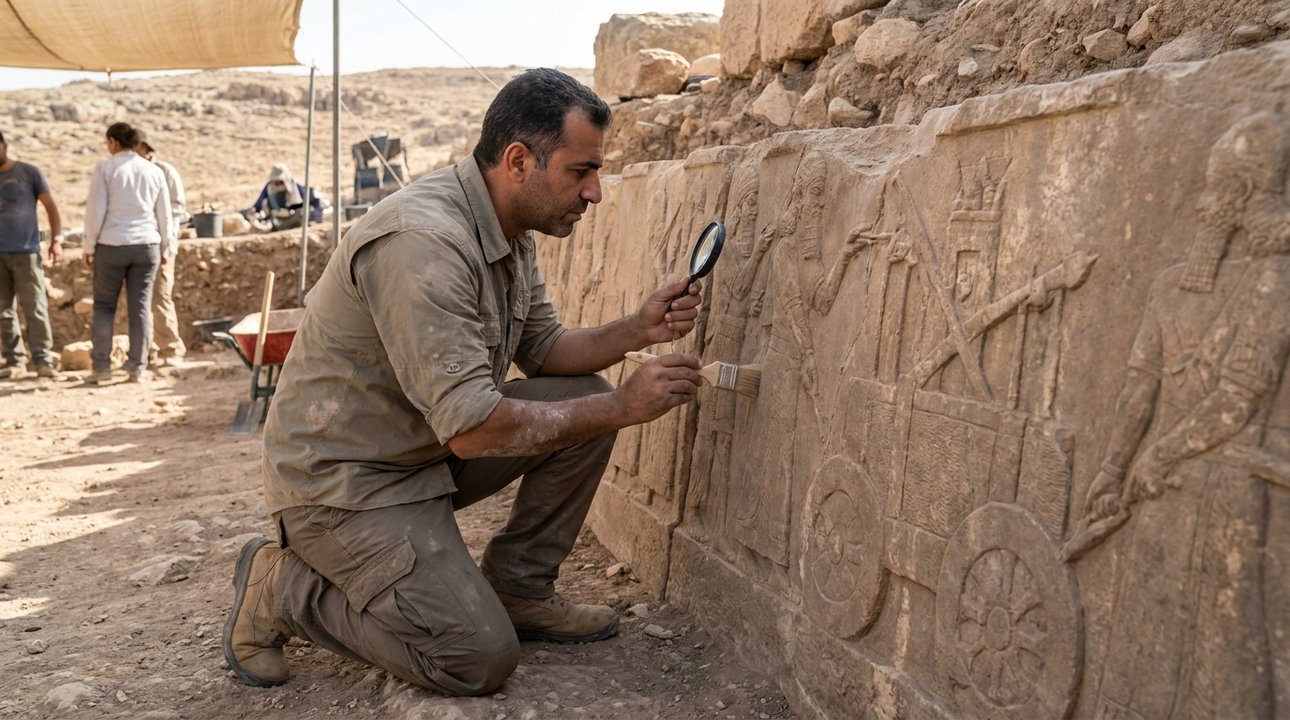
Excavations have uncovered palaces, temples, and detailed reliefs depicting various aspects of Assyrian life.
The city of Nineveh, with its grand palaces and the famous library of Ashurbanipal, reveals the sophistication of Assyrian society, showcasing their advancements in literature and science.
The library contained thousands of clay tablets, including the Epic of Gilgamesh, one of the earliest known literary works.
These findings highlight the intellectual and cultural achievements of this empire.
These artifacts offer insights into their military conquests, governance, and societal structures.
For example, the famous Assyrian reliefs illustrate battle scenes, religious rituals, and everyday activities within the empire.
The detailed depictions found in the palace of Ashurbanipal in Nineveh show the grandeur of Assyrian kings and their divine mandate to rule.
The reliefs also depict the siege of Lachish, a significant event highlighting the empire’s military prowess.
These artistic works serve as a visual narrative of Assyrian history, providing a window into the empire’s priorities and values.
Assyria Today: Present-day Contexts
Modern-day research continues to explore the legacy of ancient Assyria.
The area it once occupied is part of what are now Iraq and Syria.
While physical ruins remain, much is still being discovered through targeted archaeological projects, such as those at Nimrud and Khorsabad, which uncover new facets of Assyrian culture and administration.
These projects have unearthed artifacts that shed light on the daily life and governance of the empire.
The ongoing research helps historians piece together the complex history of this influential civilization, revealing its impact on subsequent cultures and empires.
Contemporary scholars often focus on understanding Assyria’s broader cultural influence and its relationship with contemporaneous civilizations. This approach helps illustrate the interconnected nature of ancient societies.
Artifacts like the reliefs from the British Museum depict interactions with other cultures, showcasing its role in cultural exchanges.
The Impact of Assyrian Culture and Language
Assyria’s culture and language had significant influences on neighboring civilizations. The language, a dialect of Akkadian, served as a lingua franca of Mesopotamia. This facilitated trade and communication across the region, influencing cultures such as the Babylonians and Elamites.
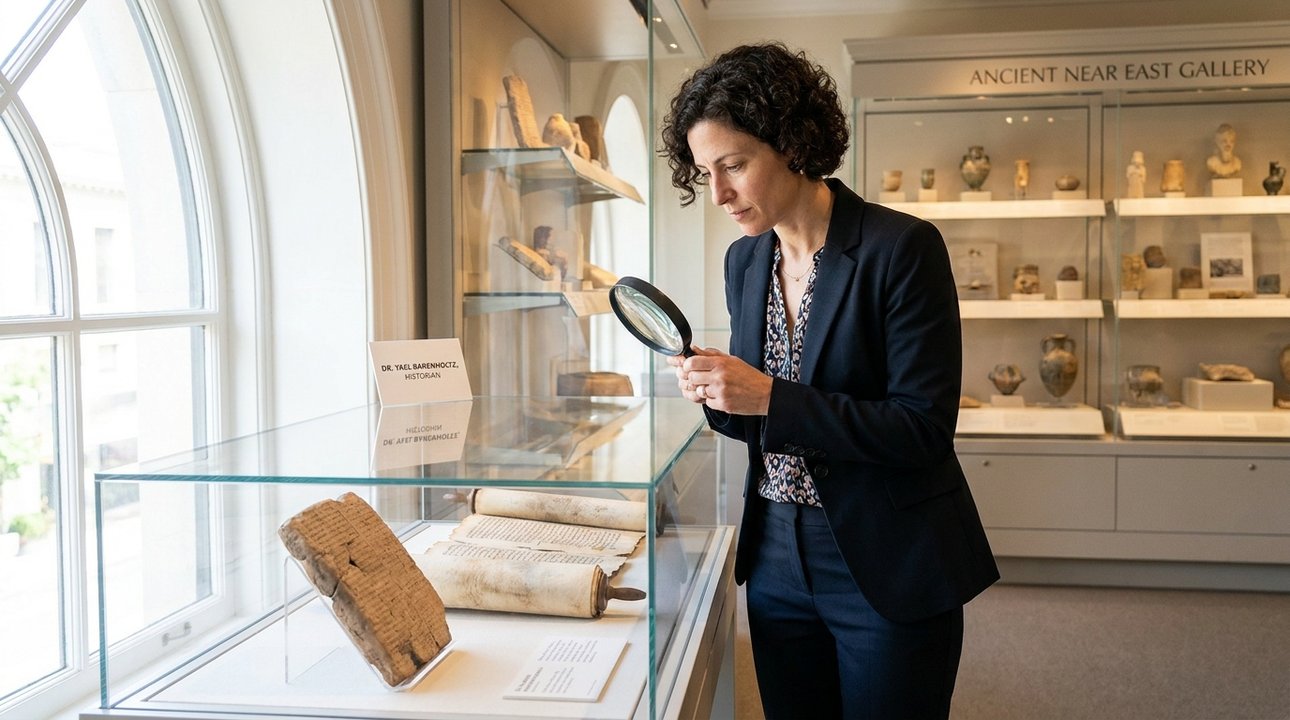
Cuneiform tablets, like those found in Nineveh, provide insights into their diplomatic and commercial interactions.
from the Western Wall to Masada.
Its influence was notable in the diffusion of cultural practices and innovations, including legal codes and literature.
Many tablets and inscriptions offer a window into Assyrian administrative and cultural practices.
The Code of Hammurabi, predating Assyrian dominance, was preserved and adapted by Assyrian scribes, influencing regional law and governance.
Their literature, including historical annals and mythological texts, played a crucial role in shaping the literary traditions of the ancient Near East.
These texts provide valuable insights into the values and beliefs of the people.
Assyrian Legacy in Historical Narratives
The empire left an indelible mark on historical narratives.
Its interactions with Israelite kingdoms highlight themes of conquest and prophecy.
Accounts often portray it as a tool for judgment.
The fall of Samaria in 722 BCE is depicted as a consequence of Israel’s actions, illustrating the moral and lessons drawn from these historical events.
The prophets used Assyria’s actions as a backdrop for calls to repentance and renewal, emphasizing the need for faithfulness and adherence to divine commandments.
These narratives continue to resonate as moral and ethical teachings.
Figures like Isaiah speak of Assyria’s role in enforcing will.
These stories emphasize themes of repentance and deliverance, central to the worldview.
The foretold downfall of Nineveh highlights justice and the ultimate triumph of righteousness.
The prophetic messages served as both warnings and assurances, calling for moral introspection and offering hope for redemption.
These themes continue to be relevant in discussions of justice and morality.
What Is the Modern View on Assyria?
Today’s historians view Assyria through various lenses, ranging from empire-building to its role in ancient cultural exchanges. The Neo-Assyrian Empire, from 911 to 609 BCE, was marked by military conquests and cultural assimilation.
Modern scholarship emphasizes its complexity and legacy, examining artifacts like the Nimrud ivories for insights into Assyrian art and influence.
Assyria is seen not just as a conquering force but also as a cultural influencer.
Its historical contributions are reassessed and appreciated for their lasting impact on subsequent civilizations.
Their administrative systems influenced later empires, such as the Persians, who adopted similar bureaucratic practices, including the use of satrapies and efficient communication networks.
Assyrian art and literature also left a legacy, influencing the artistic expressions of later cultures. The empire’s ability to assimilate and integrate different cultures within its borders contributed to its enduring influence.
Conclusion: Why Study Assyria?
Studying Assyria provides a glimpse into a powerful empire that shaped much of the ancient Near East.
Its legacy continues to inform both historical understanding and cultural reflections.
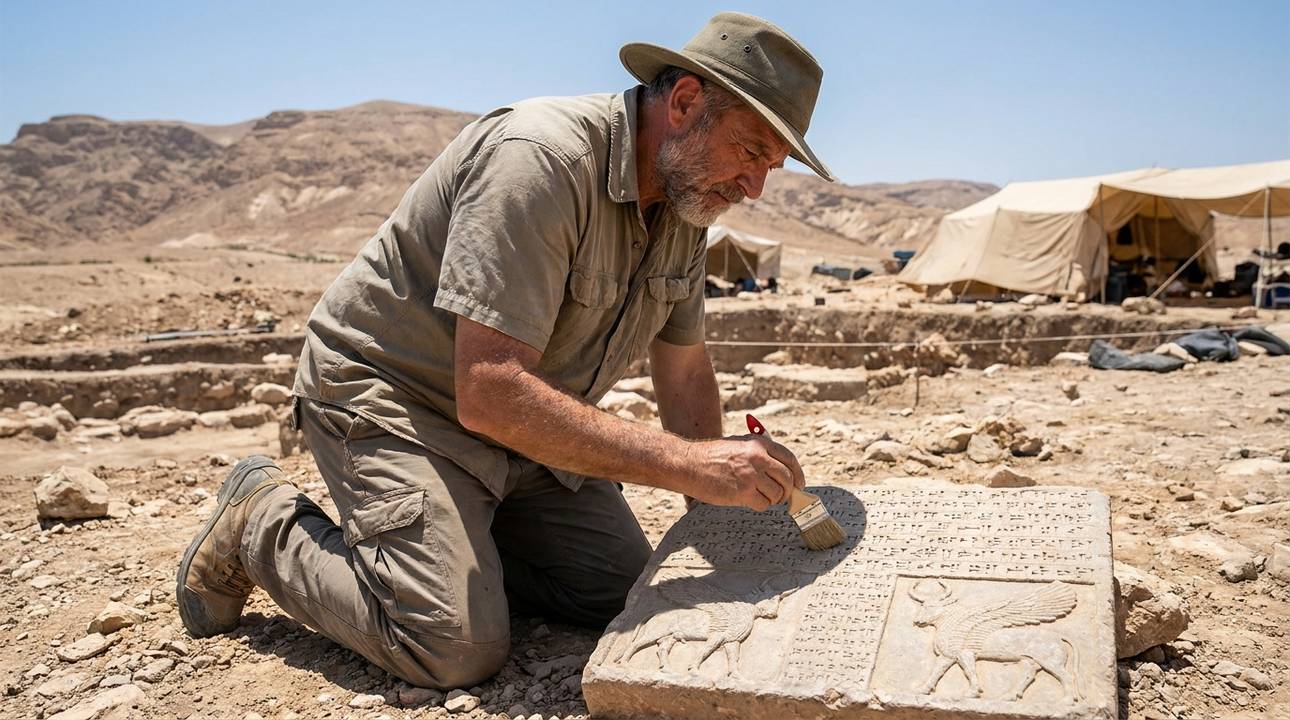
Artifacts like the Black Obelisk of Shalmaneser III, which depicts tribute from Israel’s King Jehu, illustrate Assyria’s reach and diplomatic relations, showcasing the complex interplay of power and politics.
These artifacts also highlight the empire’s role in shaping the cultural and political landscape of the region.
The interactions with its neighbors were pivotal in the development of the ancient Near East.
Learning about this empire enriches our appreciation of history and offers insights into the ancient world’s complexities.
This exploration reveals interconnected narratives that still resonate today.
The influence on Israel and Judah underscores the geopolitical dynamics of the time, highlighting the fragile nature of alliances and the impact of imperial ambitions.
The presence in the region also influenced cultural and religious practices, as seen in the adaptation of customs by neighboring peoples. These interactions contributed to the mix of ancient Near Eastern history.
Assyria's Historical Context
