
Understanding Syria’s Historical Role


Syria’s role in history is both complex and significant. Known in Hebrew as ‘Aram,’ it was home to key historical events and figures. This highlights the familial connections between Aram and Israel, emphasizing the shared heritage and kinship ties. The region was also the setting for the story of Naaman, the Aramean commander who was healed of leprosy by a prophet.
This narrative illustrates the power of healing and diplomacy.
This article delves into Syria’s historical presence and importance, exploring how these stories reflect broader themes of healing and intervention in the lives of individuals and nations.
What Is Syria’s Historical Name?
Historically, Syria is referred to as ‘Aram,’ highlighting its association with the Aramean people. This group is often mentioned in relation to Israel’s early history, serving as both allies and adversaries.
The land of Aram frequently appears in historical narratives, particularly concerning Israel’s history. Rebekah is described as coming from Paddan Aram, indicating familial ties and cultural exchanges between the regions.
Syria, or Aram, was a neighboring power with whom Israel had both adversarial and diplomatic interactions. The alliance between Israel and this region demonstrates the shifting alliances and political dynamics of the ancient Near East.
from the Western Wall to Masada.
Where Is Syria Today?
Today, Syria is located in the Middle East, bordered by countries including Israel, Lebanon, and Turkey. Its capital, Damascus, is one of the world’s oldest continuously inhabited cities, rich in history and cultural heritage.
The city was a center of trade and culture in the ancient world, serving as a crossroads for various civilizations and a hub for commerce and cultural exchange.
Modern Syria occupies much of the territory historically known as Aram, a significant player in ancient Near Eastern geopolitics. The region established several city-states, including Damascus, which played a crucial role in regional politics and diplomacy.
History of Aram
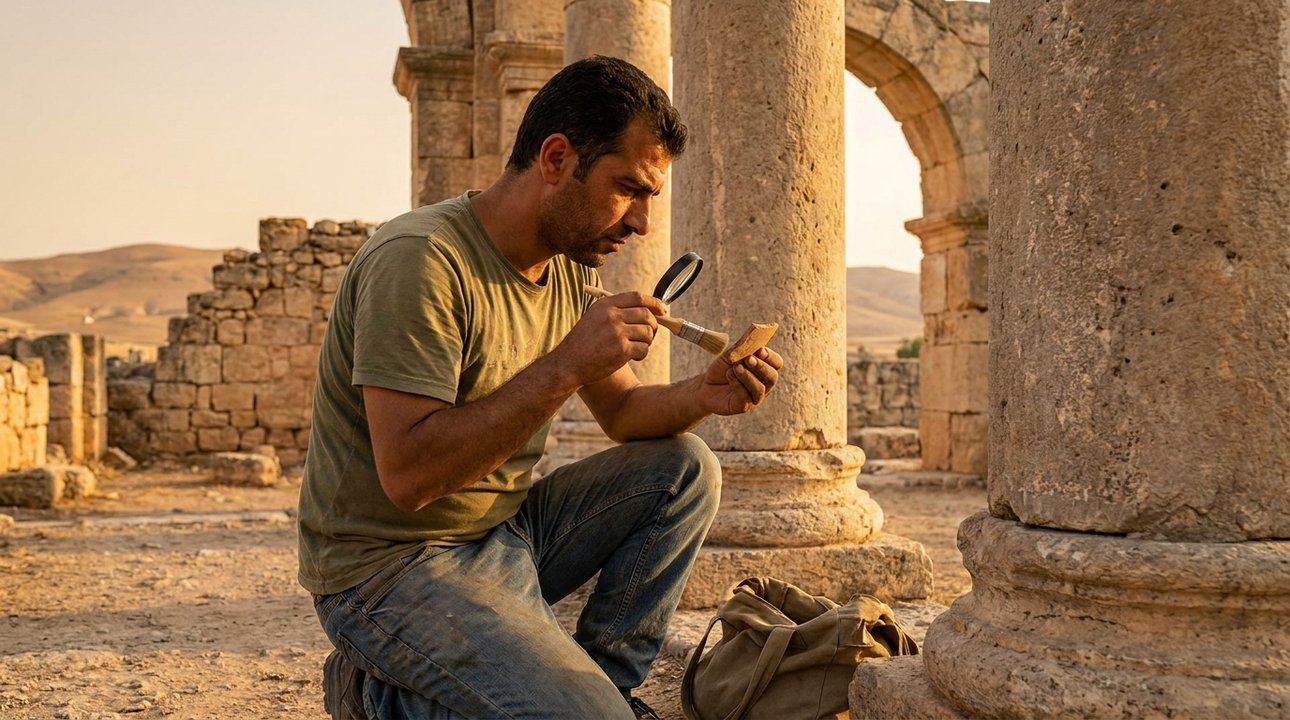
Aram was a crucial region in ancient Near Eastern geopolitics, serving as a bridge between Mesopotamia and the Mediterranean. It facilitated trade and cultural exchange, playing an important role in the economic and cultural development of the area. Historical texts document various conflicts and alliances between Aram and Israel, such as the battles during King Ahab’s reign. These interactions shaped the political dynamics of the region, influencing the balance of power and territorial control. The influence of this region on regional culture through trade and military engagements contributed to the cultural and political landscape of the ancient Near East. Their interactions with neighboring peoples left a lasting impact on the development of regional identities and cultural exchanges.
Historical References to Syria
Syria is mentioned numerous times in historical texts, including notable stories such as Naaman’s healing and the Aramean raids.
Naaman, a commander of the army of the king of Aram, is healed of leprosy by following a prophet’s instructions, demonstrating the power of intervention. Characters like Ben-Hadad, king of Aram, are prominent in historical narratives.
Ben-Hadad’s interactions with the kings of Israel are detailed, where he besieges Samaria, illustrating the ongoing conflicts and shifting alliances in the region. The prophets mention Aram in their oracles, highlighting its role in history.
Prophecies speak of Aram’s alliance with Israel against Judah, reflecting the complex political landscape of the time.
Cultural Impact on the Region
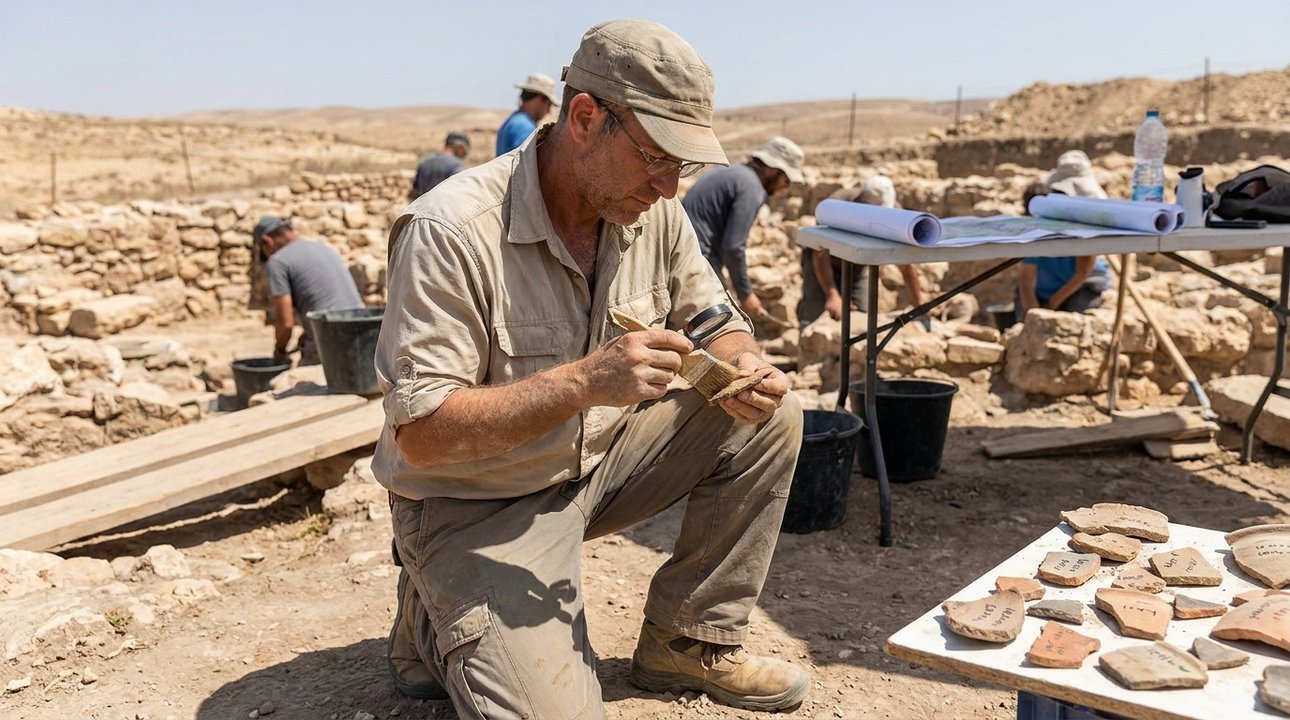
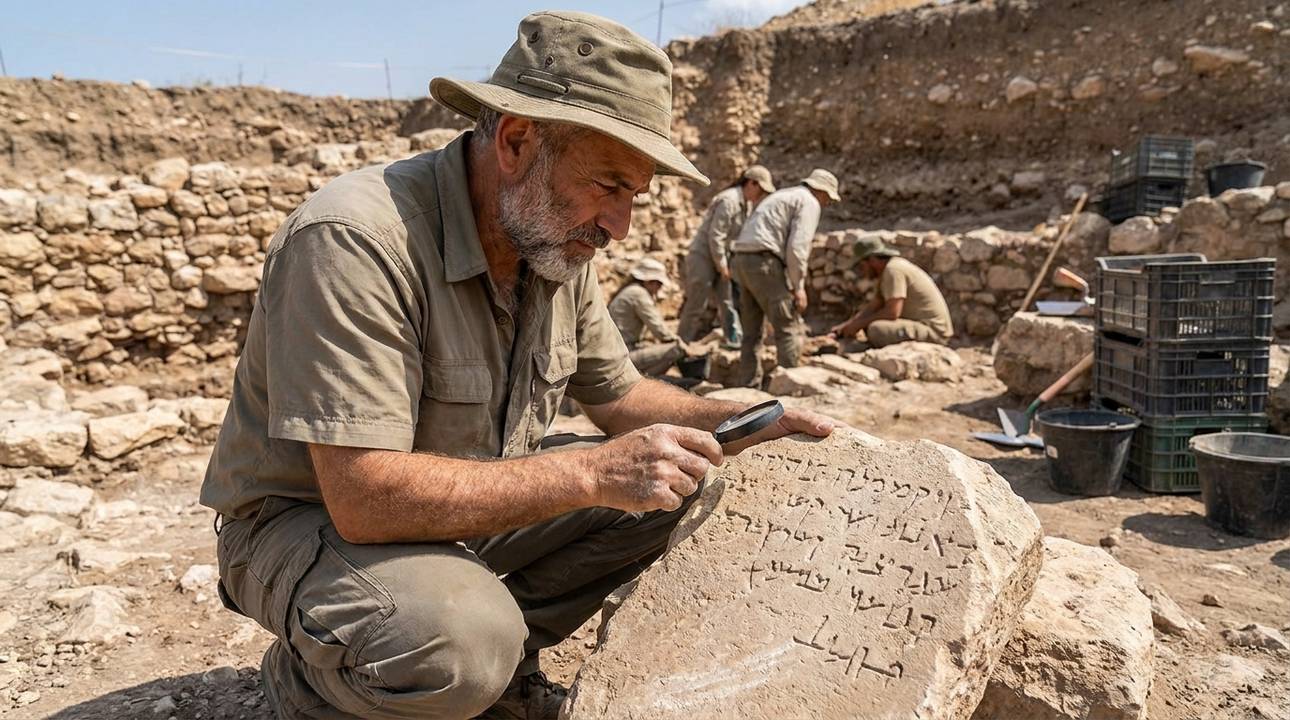
The cultural landscape was significantly shaped by contributions, including language and literature. The spread of the Aramaic language, which became the lingua franca of the Near East, facilitated communication across diverse cultures. Widely spoken in the region, the Aramaic language influenced Hebrew and the wider Semitic language family. This is evident in the use of Aramaic in Jewish texts like the Talmud, where it served as a medium for religious and legal discourse. Artifacts and inscriptions provide evidence of this culture’s rich impact on surrounding civilizations. The Zakkur Stele, for instance, offers insight into the political and religious life of the people, showcasing their contributions to the cultural and historical mix of the region.
Language and Writing
Aramaic, the language of ancient Syria, became the lingua franca of the region. It was widely spoken during the time of the Assyrian and Babylonian empires, facilitating communication across diverse cultures.
Aramaic script influenced the development of Hebrew writing systems, evident in the transition from Paleo-Hebrew to the square script. This script is still used in modern Hebrew texts.
Many Jewish texts, such as the Talmud and parts of the Bible like Daniel, were originally composed in or translated into Aramaic, showing the language’s importance. This reflects the widespread use of Aramaic in Jewish religious and cultural life.
from the Western Wall to Masada.
Syria’s Role in Prophetic Books
Prophets delivered oracles concerning Syria, predicting its influence and fate. The prophecy speaks of the fall of Damascus, a significant event in the region’s history. This prophecy reflects the geopolitical tensions of the time, as Damascus was a central hub in the ancient Near East. The prophecy foresees conflicts involving Damascus and its alliances, particularly the Syro-Ephraimite War. This war, involving the kingdoms of Aram and Israel against Judah, is a sign of the complex alliances and hostilities that characterized the region. These texts reveal the intertwined destinies of Israel and Syria in historical thought, highlighting how their histories and futures were seen as interconnected by the prophets. The prophetic messages not only foretold political events but also conveyed lessons for the people of Israel.
Archaeological Discoveries
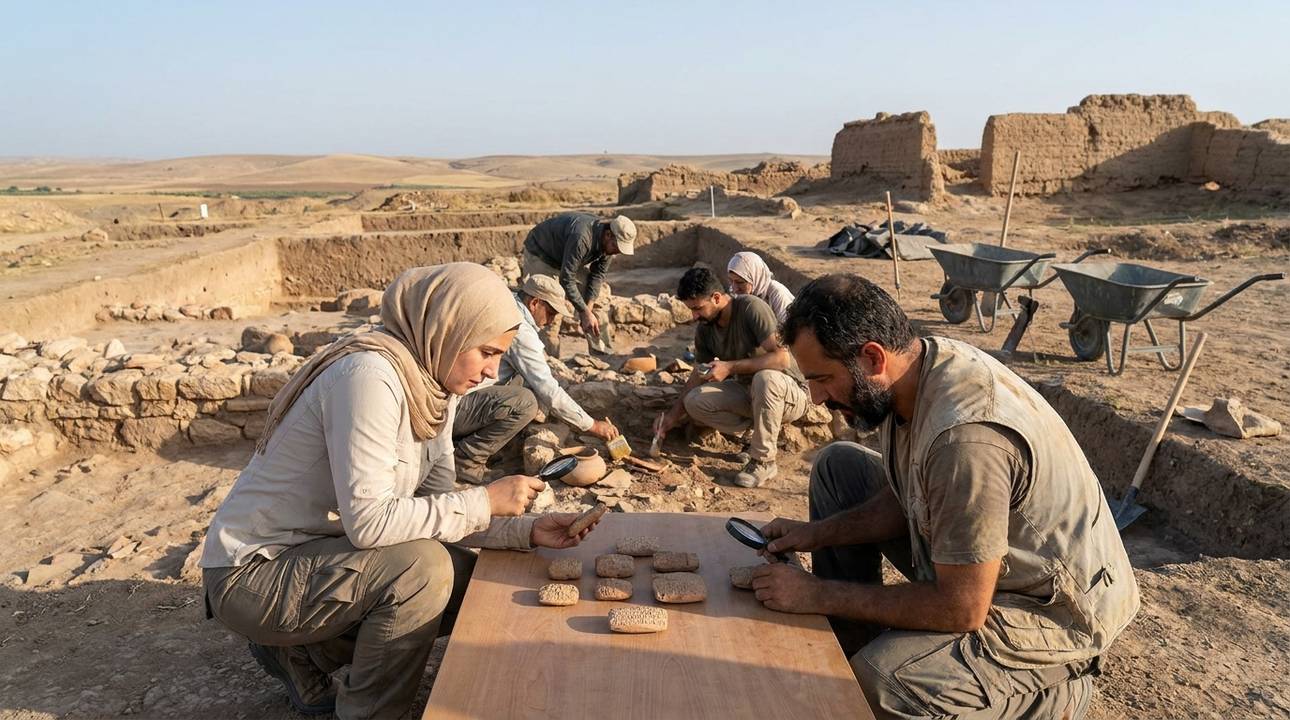
Excavations in Syria have uncovered artifacts that shed light on its history. Sites like Ebla and Mari provide insight into Syria’s role in early history, revealing the region’s significance in trade, politics, and culture.
Ebla, for instance, revealed a vast archive of cuneiform tablets that date back to the third millennium BCE, offering a glimpse into the administrative and economic life of the time.
These tablets include references to trade with other early cities, highlighting the interconnectedness of historical societies. These discoveries deepen our understanding of Syria’s impact on historical narratives and Near Eastern societies.
The Mari Letters, found in Mari, also provide valuable information about the political landscape of the time, illustrating the complex diplomatic relations and cultural exchanges.
Syria’s Influence Today
Despite modern challenges, Syria’s history remains integral to its cultural identity. The city of Aleppo, for example, has been continuously inhabited for millennia, reflecting the region’s legacy. The region’s historical connections continue to influence modern understandings of its past. The ancient city of Ugarit, discovered in modern-day Syria, has provided texts that illuminate Canaanite religion and language. Present-day scholars and historians work to preserve and interpret Syria’s archaeological and literary heritage. Organizations like UNESCO have recognized sites such as Palmyra for their history.
Conclusion: Why Syria Matters
Syria’s role offers a window into historical and cultural evolution. The region’s interactions with Israel are documented in numerous historical accounts, highlighting the strategic importance of the region and its influence on Israel’s territorial expansion. Understanding its role provides insights into historical interactions in the region, including trade and diplomacy. This exploration honors the legacy of historical narratives and their modern implications. By examining these accounts, we gain a deeper appreciation of how historical relationships shaped the cultural and political landscapes of the time. Additionally, consider a subscription to explore a curated selection of 6-8 products, where contents vary, offering unique insights into the region’s diverse offerings.
Understanding Syria's Role
