Understanding Aram’s Place in the Bible


Aram holds a significant place in history and geography. It was a vast region encompassing various territories, mentioned throughout historical records. Understanding its location and significance can offer deeper insights into many historical accounts. Aram’s influence is evident through its connections with Israel and other nations.
The region’s cities, such as Damascus, were centers of trade and culture, playing a crucial role in the economic and political dynamics of the time. Aram’s strategic position made it a key player in the ancient Near East, influencing the surrounding regions.
from the Western Wall to Masada.
The region’s strategic position made it a focal point for trade and military campaigns. Aram’s cities, such as Damascus, were key locations for commerce and cultural exchange, influencing the surrounding regions. Damascus, for example, is one of the oldest continuously inhabited cities in the world.
The complex relationships between Aram and Israel, involving both conflict and cooperation, underscore the intricate dynamics of ancient Near Eastern politics, where alliances were often fluid and dictated by the shifting needs of the time.
We see how King Ahaz of Judah sought help from Assyria to fend off the combined forces of Aram and Israel, illustrating the strategic importance of alliances. Aram’s influence extended beyond its borders, impacting the political landscape of the entire region.
Where Was Aram Located?
Aram was an ancient region located in present-day Syria and parts of Iraq and Turkey. It included significant cities like Damascus and Harran. These areas play pivotal roles in historical narratives, often interacting with Israel and its people.
The region’s strategic location made it a key player in the political and economic dynamics of the ancient Near East. The city of Damascus, for example, was a major center of trade and culture, influencing the surrounding regions.
The influence of Aram on surrounding regions was profound. Its cities were centers of trade and culture, impacting the societies around them. Harran, for example, was a significant trade hub. The cultural exchanges between Aram and its neighbors contributed to the region’s mix of languages, traditions, and political alliances, shaping the historical landscape.
The Arameans were known for their skilled artisans and traders, who facilitated the exchange of goods and ideas across the region. This cultural and economic interaction helped to spread innovations and fostered a exchange of religious and philosophical ideas. The legacy of these exchanges is still evident today, as the region’s history continues to influence modern cultural and political developments.
Aram in the Bible
Historical records mention Aram numerous times, depicting its connections with Israel. This connection continued with various journeys and interactions. Aram also appears in accounts of battles and alliances.
We read about Rezon, an adversary of Solomon, who fled to Damascus and became king of Aram, further illustrating the region’s political significance.
During various reigns, conflicts and treaties with Aramean kingdoms were common. Understanding these connections highlights Aram’s importance in history and its influence on the narrative of Israel.
The victory over the Arameans not only solidified David’s reign but also expanded Israel’s influence in the region. The alliances and conflicts with Aram were part of a larger pattern of shifting power dynamics that characterized the ancient world.
These engagements were not merely military but also involved diplomacy and negotiations, as seen in the treaties and agreements that followed battles.
Cultural and Linguistic Influence of Aram
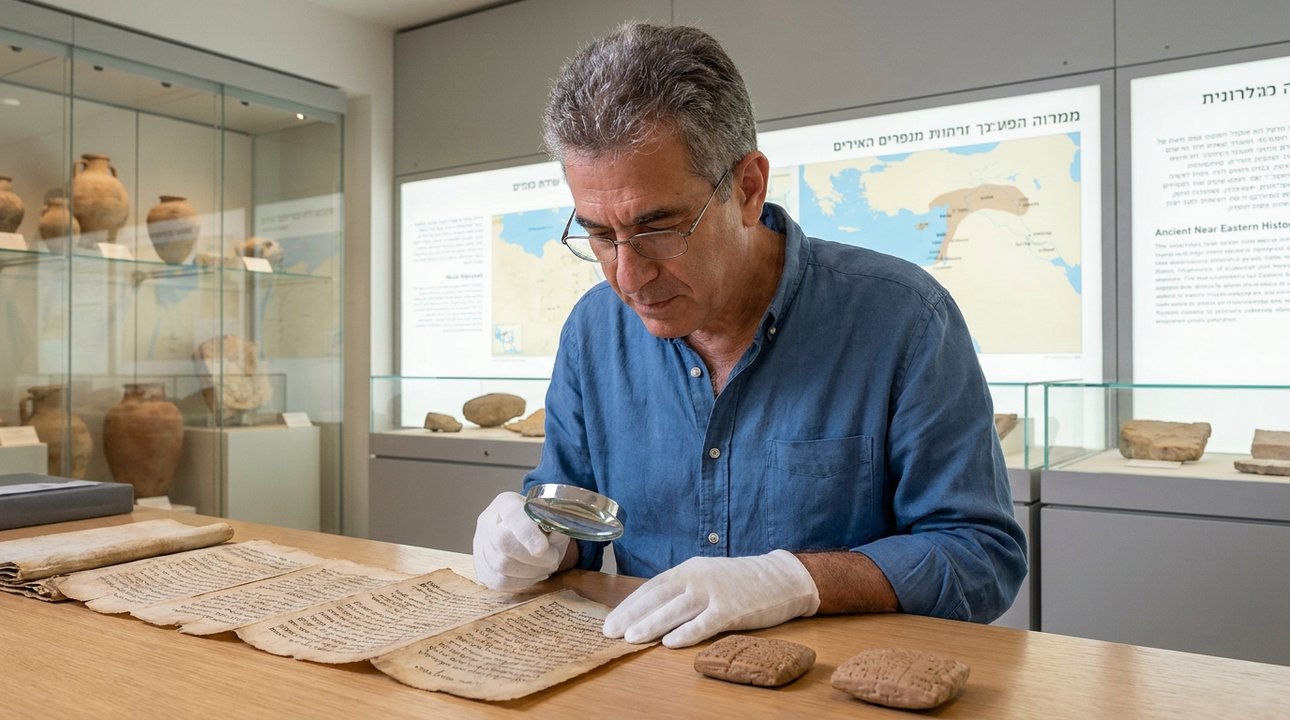
Aramaic, the language of the Arameans, became widely used across the Near East. It was adopted by many people, including the Hebrews, and became a major language in historical times.
The widespread use of Aramaic facilitated communication and trade across diverse regions, contributing to its adoption as a lingua franca in the Persian Empire. This linguistic influence is evident in the Targums, Aramaic translations of the Hebrew Bible used in Jewish communities. The enduring presence of Aramaic in religious and cultural contexts underscores its history, as it bridged diverse cultures and facilitated the exchange of ideas and traditions. Aramaic was also the language of administration in the Persian Empire, further cementing its importance.
Aramaic’s role in the region extended beyond commerce and administration; it also became a language of literature and scholarship. Many Jewish texts, including parts of the Talmud, were written in Aramaic, reflecting its widespread use and cultural impact.
The language’s adaptability and influence made it a unifying force in a diverse and multicultural region, allowing for the transmission of knowledge and traditions across different communities.
Archaeological Discoveries in Aram
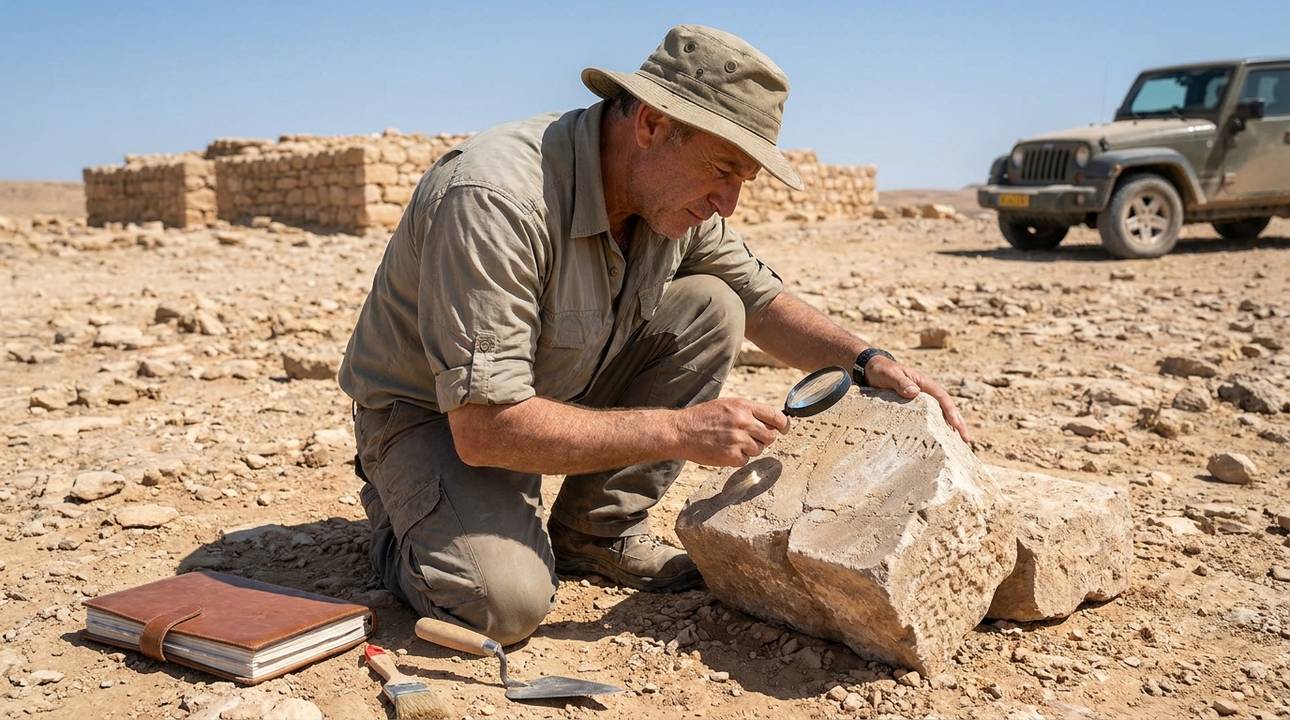
Archaeological findings have provided insights into Aram’s past. Ruins of ancient cities like Damascus and Harran reveal much about Aramean society. Discoveries include inscriptions and artifacts that help historians piece together the economic and social structures of the time.
The Role of Aram in Israel’s History
Aram played a complex role in Israel’s history, serving both as an ally and an adversary. Throughout various periods, Israel’s kings formed alliances with Aramean rulers.
These alliances were often driven by mutual interests and the need to counter larger threats from more powerful empires. The story of Naaman also highlights the personal and spiritual dimensions of these interactions, where individual stories reflect broader political realities. The complex relationship between Aram and Israel is a sign of the intricate web of alliances and rivalries that characterized the ancient Near East.
from the Western Wall to Masada.
These relationships were crucial for political and military strategy. Understanding these interactions provides a fuller picture of the geopolitical dynamics in historical contexts.
The strategic importance of these alliances is evident in the various treaties and agreements that were formed and dissolved over time. The connections between these nations were not only about military might but also involved diplomacy and negotiation.
The complex web of relationships in the region highlights the intricate balance of power that characterized the ancient world, where alliances could shift rapidly in response to changing circumstances.
Aram in Prophetic Literature
Prophetic texts reference Aram, highlighting its political significance. These narratives served as cautionary tales for the Israelites, emphasizing the need for righteousness and justice.
The prophetic messages served as warnings to the people of Israel and Judah, highlighting the consequences of political and moral failings. The prophets used these narratives to convey messages about the need for justice and righteousness in leadership.
The stories of Aram in the prophetic texts also serve as reminders of the transient nature of political power and the importance of ethical conduct in the face of shifting alliances and conflicts.
These words not only reflect historical realities but also serve to deliver messages to the ancient audience, emphasizing the transient nature of political power.
Similarly, the book contains prophecies against Aram, highlighting the consequences of their actions and the judgment that awaited them.
Aram Today: Historical Context
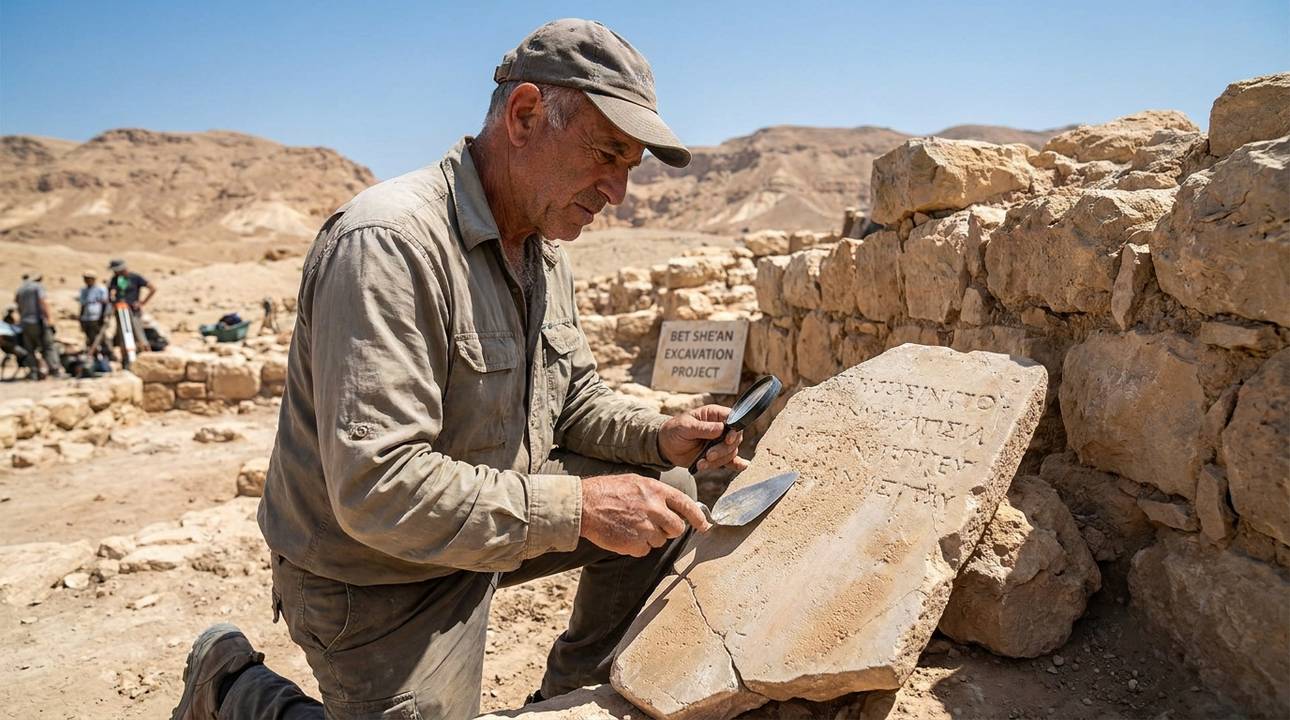
Today, the region once known as Aram is within Syria and surrounding areas. Modern archaeological efforts continue to uncover its ancient past. Excavations in sites like Ebla and Mari have revealed tablets that provide context to Aramean culture and governance.
While the political landscape has changed, the history of Aram remains a focus for scholars and enthusiasts. The study of ancient Aram contributes to a broader understanding of the Near East’s complex history.
These discoveries include pottery, inscriptions, and tools that illustrate the advanced nature of their society. The Arameans were known for their craftsmanship and trade networks, which connected them to distant regions and facilitated cultural exchanges.
The study of these artifacts helps historians piece together the complex mosaic of ancient Near Eastern civilizations, highlighting the interconnectedness of these ancient societies.
Conclusion: Why Aram Matters
Studying Aram helps us grasp the complex network of relationships that shaped historical regions. Its mention in numerous accounts indicates its importance to the writers.
These narratives highlight the delicate balance of power in the region, where political and military strategies were constantly evolving.
By exploring Aram’s place in history, one gains a deeper appreciation for the interconnectedness of these historical narratives. Aram, known today as part of Syria, was a significant player in the era, often engaging with Israel in both conflict and cooperation.
These stories not only provide historical context but also offer insights into the cultural and political landscape of the time, enriching our understanding of the world and its legacy.

Understanding Aram in the Bible