
Exploring the Significance of Aram Naharaim


Aram Naharaim, often referred to as the ‘land between the rivers,’ holds a vital place in ancient Near Eastern history. This term generally denotes a region located between the Tigris and Euphrates rivers, marking it as a significant location in ancient Near Eastern history. The homeland of Rebekah, who became the wife of a key patriarch, is mentioned in historical narratives, illustrating its importance in early genealogies. The region is also linked to Laban, Rebekah’s brother, further weaving it into the fabric of historical genealogy.
__INTRO__ These connections emphasize its enduring historical relevance. Aram Naharaim’s strategic position facilitated interactions with various cultures, influencing the development of early Semitic tribes. The region’s significance is further highlighted when a key figure sends another to find a wife among his relatives, ensuring the continuation of familial and cultural ties. Such narratives underscore the lasting impact of Aram Naharaim on the historical world and its stories. Historically, Aram Naharaim is mentioned as the homeland of several patriarchal families, shaping the narratives of early texts and beyond. This article delves into its historical context and explores its profound impact on ancient stories. The land’s significance is highlighted when a key figure flees to Paddan Aram, a part of Aram Naharaim, to escape conflict. These stories underscore the region’s role as a backdrop for key historical events and familial ties. Additionally, a key figure meets Rachel at a well in this region, further intertwining it with his lineage. The well, a common meeting place in early times, symbolizes the intersection of personal and broader plans, as the journey unfolds. The narratives connected to Aram Naharaim highlight its enduring influence on the development of identity and the foundational stories of their ancestors.
from the Western Wall to Masada.
What Is Aram Naharaim?
Aram Naharaim is an ancient term that translates to ‘Aram of the Two Rivers.’ It denotes a region centered between the Tigris and Euphrates rivers. This area, part of contemporary northern Syria and southern Turkey, was a cradle of early civilizations and cultures. The name itself highlights its geographical and cultural role, emphasizing its position as a bridge between different peoples and traditions. References to Aram Naharaim in historical texts often underline its role as a center of early Semitic tribes, including the ancestors of the Israelites. In historical texts, the region is mentioned as the homeland of Balaam, a prophet who was called to curse the Israelites. This further illustrates the area’s influence and its interconnectedness with historical narratives. The strategic location of Aram Naharaim allowed it to serve as a hub for trade and cultural exchange, contributing to its lasting impact on the development of civilizations in the ancient Near East.
Geographical Significance of Aram Naharaim
The geographical significance of Aram Naharaim cannot be overstated. Located in the fertile crescent, this region enjoyed abundant resources and strategic position for trade routes. The area served as a hub for interaction among several civilizations, making it vital for commerce and cultural exchange. Historically, it connected Mesopotamia with the lands of Israel and beyond, allowing for the transmission of goods, ideas, and cultural practices. A servant travels to Aram Naharaim to find a wife for a key patriarch, showing its familial importance. This journey underscores the region’s role in maintaining familial and tribal connections across distances. The fertile lands and river systems supported agriculture and settlement, making it a desirable location for ancient peoples and contributing to its prominence in historical narratives. Its important role in connecting different cultures is echoed in various historical narratives. A key figure flees from Laban in Aram Naharaim, highlighting the region’s strategic importance as a crossroads for travel and communication. This geographic advantage facilitated the spread of cultural and religious influences, impacting the development of societies in the ancient Near East. Additionally, in historical texts, the Israelites are said to have served Cushan-Rishathaim, king of Aram Naharaim, for eight years, further emphasizing its influence. This period of servitude illustrates the power dynamics at play and the region’s ability to exert control over neighboring territories. The interactions between the Israelites and Aram Naharaim also reflect the complex relationships that shaped the history of the ancient Near East.
Aram Naharaim in Historical Narratives
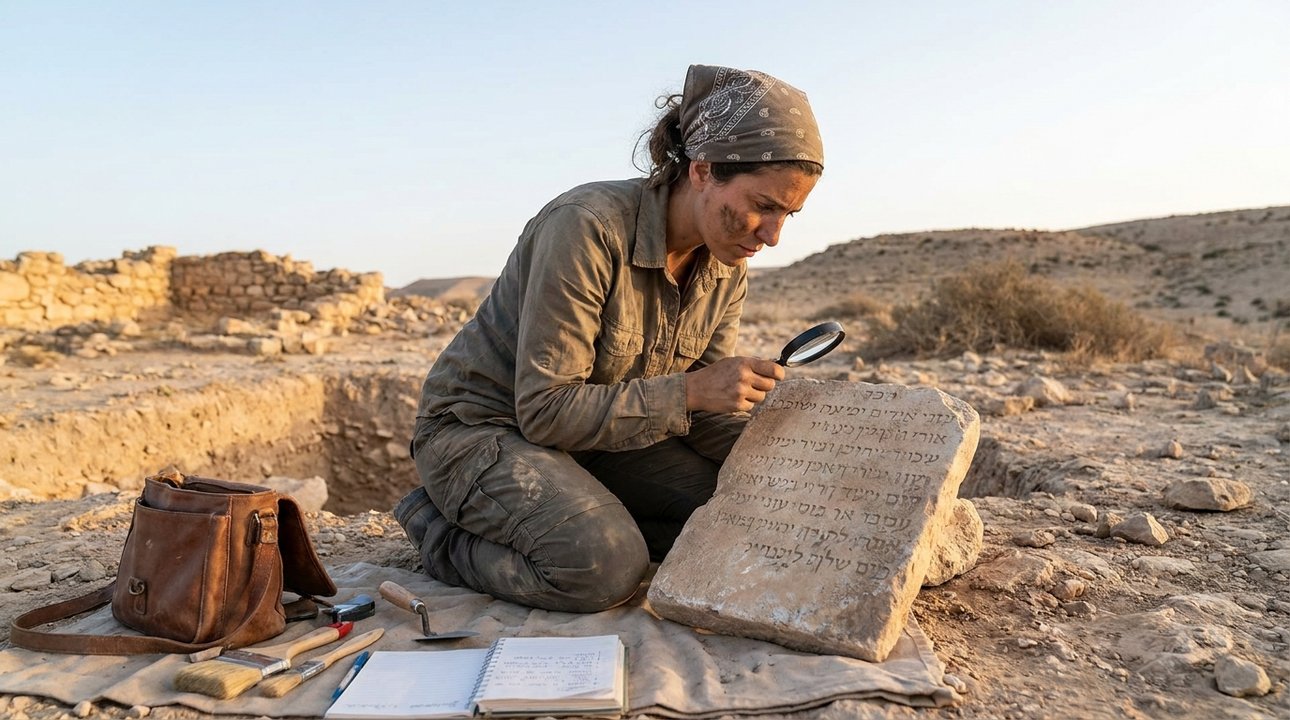
In historical texts, Aram Naharaim is portrayed as a significant backdrop for several key stories. Early references mention this region as the homeland of patriarchal figures such as key forefathers. It was from here that relatives and the mothers of descendants originated. A key patriarch sends his servant to Aram Naharaim to find a wife for his son. This journey underscores the familial and cultural ties that linked the Israelites to this region. Such narratives reflect the area’s importance in the family histories of the early patriarchs. The connections to Aram Naharaim are further highlighted when a key figure instructs another to find a wife from the daughters of Laban, reinforcing the enduring ties to this ancestral land.
from the Western Wall to Masada.
Role in Ancient Near Eastern History
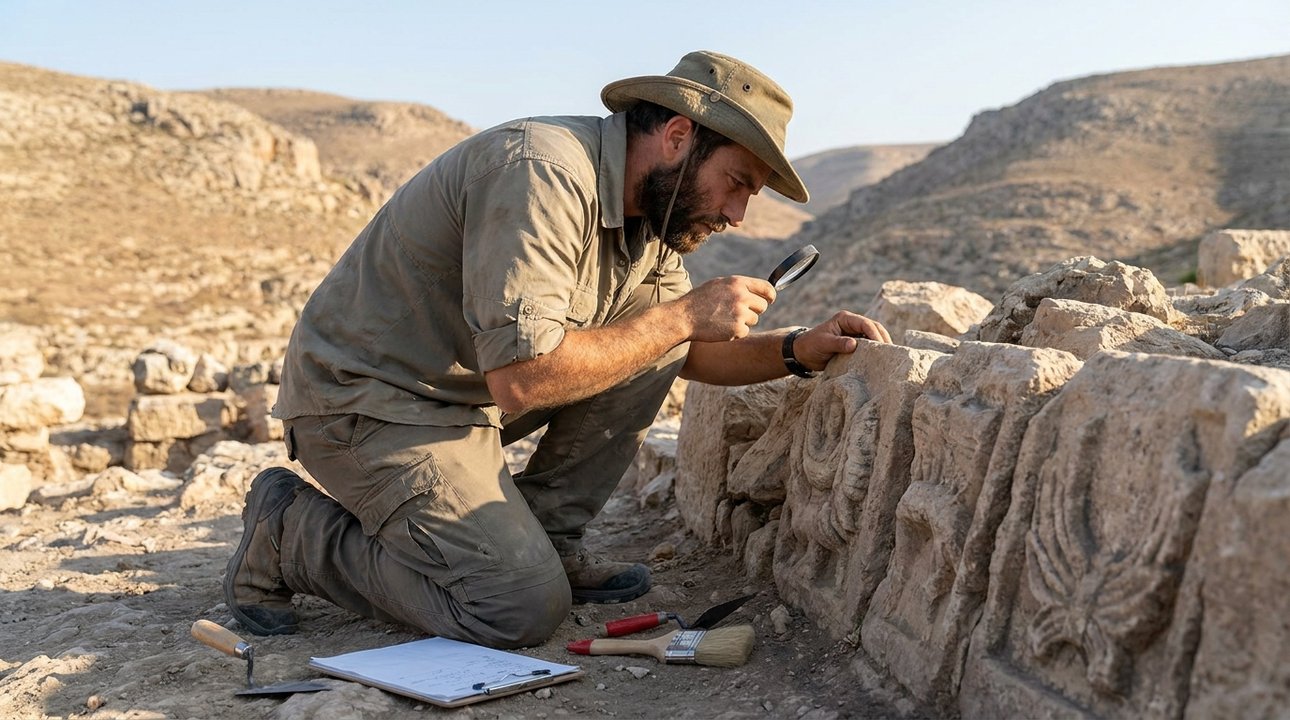
Beyond its historical importance, Aram Naharaim played a vital role in the broader ancient Near Eastern context. It was home to various Aramean tribes who influenced the political landscape of the region. These tribes interacted with powerful empires, including the Hittites and Assyrians. The Assyrians often clashed with the Arameans, reflecting the region’s tumultuous history and its impact on the surrounding nations, including Israel. Such interactions contributed to the mix of cultural and political history. The Arameans were known for their skilled craftsmanship and trade, which facilitated exchanges with neighboring cultures. This interaction is evident in the archaeological findings from sites like Tell Halaf, which show a blend of Assyrian and Aramean influences. The region’s strategic location between the Tigris and Euphrates rivers made it a crossroads for commerce and military campaigns, further cementing its history. The cultural exchanges and conflicts shaped the historical backdrop against which events unfolded. Understanding this historical context enriches our comprehension of the narratives surrounding the Israelites and their neighbors. The Arameans’ role in the region is further highlighted in historical texts, where key figures defeat them, illustrating the ongoing power struggles and alliances that were part of the ancient Near Eastern political landscape. These events underscore the dynamic interactions and shifting allegiances that characterized the period. The alliances and conflicts with the Arameans are also reflected in historical texts, where key figures besiege Samaria, demonstrating the persistent tensions between these neighboring peoples. Such historical narratives provide a deeper understanding of the geopolitical realities that influenced the ancient world.
Archaeological Discoveries in Aram Naharaim
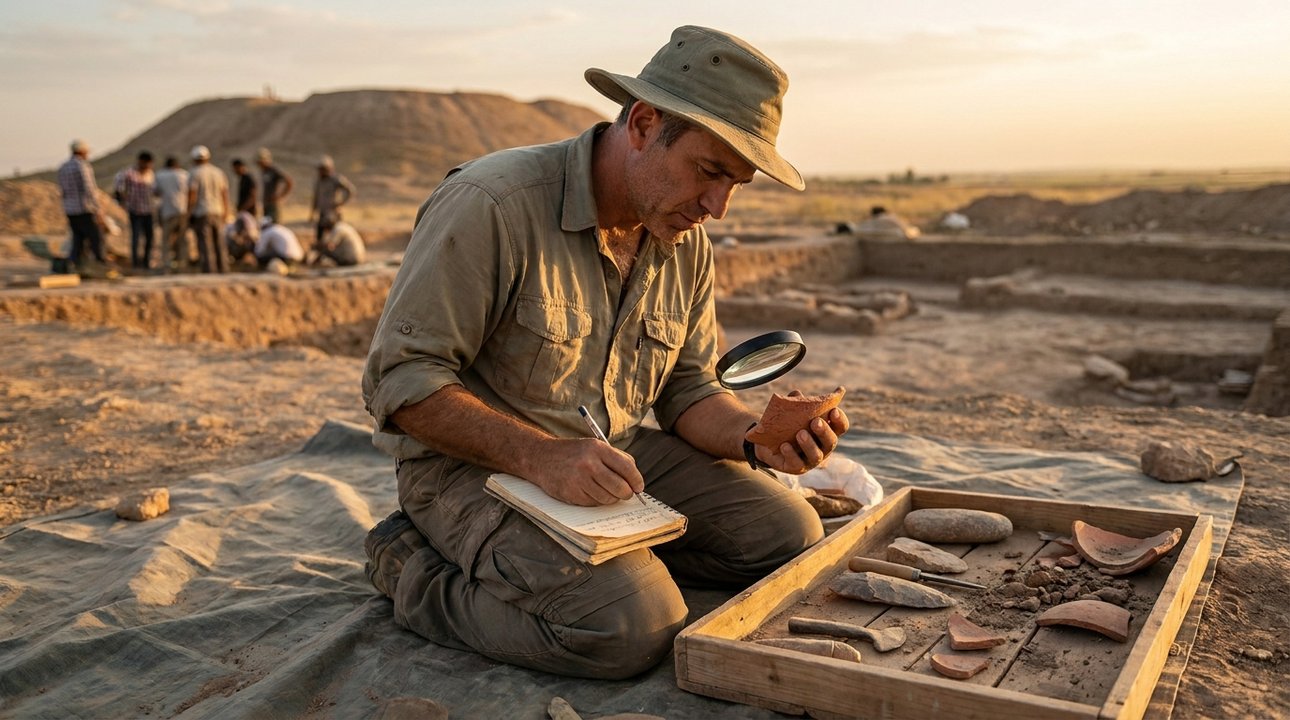
Archaeological efforts in the region of Aram Naharaim have unveiled layers of early history, shedding light on its role in early civilizations. Discoveries include artifacts that speak to the area’s cultural interactions and trade. Excavations in sites like Haran, an ancient city within Aram Naharaim, reveal its importance as a commercial and religious center. Haran is notably mentioned as the place where Terah, a key figure’s father, settled with his family before their journey. These findings highlight the city’s significance in historical narratives. The archaeological discoveries in Haran, such as the remains of ancient temples and administrative buildings, provide insight into the religious and economic life of the region. The city’s mention marks a pivotal moment in history, illustrating its role as a starting point for significant journeys and events. These findings provide tangible connections to historical narratives and deepen our understanding of the people and cultures featured in these texts. Artifacts such as pottery, tools, and inscriptions help reconstruct the daily life and practices of the inhabitants, offering a window into the world that shaped stories and the interactions between different cultures in the ancient Near East. For instance, inscriptions found in the region often reference local deities and trade practices, illustrating the complex societal structures that existed. The discovery of cuneiform tablets in places like Mari and Ebla provides insight into the administrative and economic activities of the time. These artifacts reveal the intricate networks of trade and diplomacy that connected Aram Naharaim to other major centers of the ancient world, including Egypt and Mesopotamia.
Present-Day Understanding of Aram Naharaim
Today, Aram Naharaim’s legacy persists in its influence on historical scholarship and the study of ancient Near Eastern cultures. Modern researchers continue to explore its history, enriching our awareness of its multifaceted role in antiquity. Scholars often reference the region in discussions about the Arameans, who are mentioned as adversaries of Israel. Their interactions with Israel are part of the broader narrative of regional dynamics and cultural exchanges. The ongoing study of this region helps illuminate the complexities of ancient political and social structures. Researchers analyze texts and artifacts to understand the economic and religious practices that defined Aram Naharaim’s societies. The insights gained from these studies contribute to a deeper appreciation of the historical context in which events occurred, offering a more nuanced understanding of the ancient world. Understanding Aram Naharaim involves examining the archaeological and historical evidence that aligns with early accounts. This exploration fosters an appreciation for the intricate connections between the past and the stories that resonate in historical literature. Excavations in areas like Tell Brak have revealed artifacts dating back to the third millennium BCE, providing insights into the early civilizations that thrived there and interacted with historical figures and narratives. Such discoveries continue to inform our understanding of the cultural and historical contexts of events.
Cultural Legacy of Aram Naharaim
Aram Naharaim’s cultural legacy extends beyond its historical mentions. It symbolizes the interconnected nature of early civilizations and their shared traditions. The artistic, religious, and social influences from this region have found echoes throughout history. The region’s impact on narratives and its representation in cultural expressions illustrate its enduring presence in shared history. This legacy invites reflection on the cultural bridges built in early times and their continuing relevance today. Such reflections help us appreciate the enduring influence of these early interactions.
