
Understanding Lebanon on the Bible Map
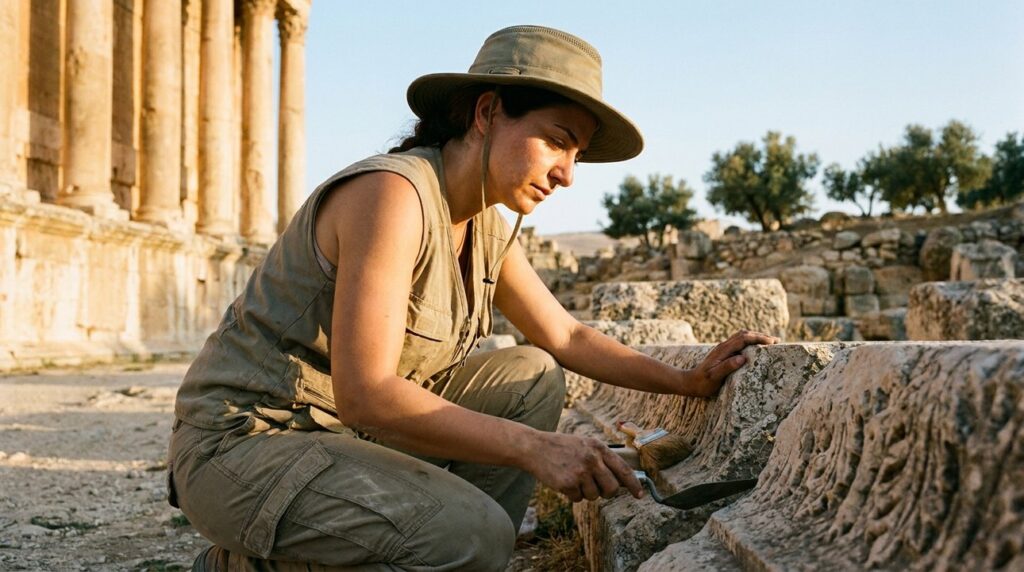

Lebanon holds a unique place in history, playing roles in many historical narratives. Its mention in various texts highlights its importance. For instance, the land of Lebanon is referenced in the Song of Songs (4:8), illustrating its beauty and allure.
Maps depicting Lebanon in earlier times provide insight into the region’s influence on historical events and commerce. These maps often show Lebanon as a key area connecting the northern and southern kingdoms, facilitating the movement of goods and ideas.
Lebanon’s strategic location is evident in its frequent mentions, such as in historical texts, where the Sidonians are noted among the peoples left to test Israel. This highlights Lebanon’s role in the region’s complex history. The influence of Lebanon extended through trade, culture, and military interactions. Its cities, like Tyre and Sidon, were known for their wealth and craftsmanship, contributing to the cultural and economic landscape of the ancient Near East.
from the Western Wall to Masada.
The region’s mountainous terrain, including the famous Mount Lebanon, is frequently mentioned in historical texts. The majesty of the cedars of Lebanon highlights their quality and strength.
These trees were used in constructing significant buildings, emphasizing their value. This geographical feature contributed to Lebanon’s strategic military and economic importance, serving as a natural barrier against invaders and a source of valuable resources like timber.
Mount Lebanon’s rugged landscape provided natural defenses, making it difficult for invading armies to penetrate. This strategic advantage allowed the region to maintain its independence and influence. The mountains also supported diverse ecosystems, fostering agriculture and settlement.
This combination of natural beauty and practical resources made Lebanon a desirable and influential region in the ancient world, as reflected in its frequent mentions.
What Locations in Lebanon Are Mentioned in the Bible?
Historical texts mention several locations in present-day Lebanon. Sidon and Tyre, ancient Phoenician cities on the Mediterranean coast, are frequently noted. Tyre was known for its skilled artisans and traders, playing a critical role in the region.
The lush forests of Lebanon, especially the famed cedar trees, are referenced for their use in building important structures. These cities were centers of commerce and culture, influencing the surrounding regions with their innovations in navigation and trade.
Lebanon’s influence extended beyond its borders, as its cities became hubs for cultural exchange. Advancements in navigation allowed the Phoenicians to establish trade routes across the Mediterranean. These routes facilitated the spread of goods, ideas, and cultural practices, making Lebanon a key player in the ancient world. The region’s contributions to art, architecture, and technology are reflected in its legacy, as documented in historical texts.
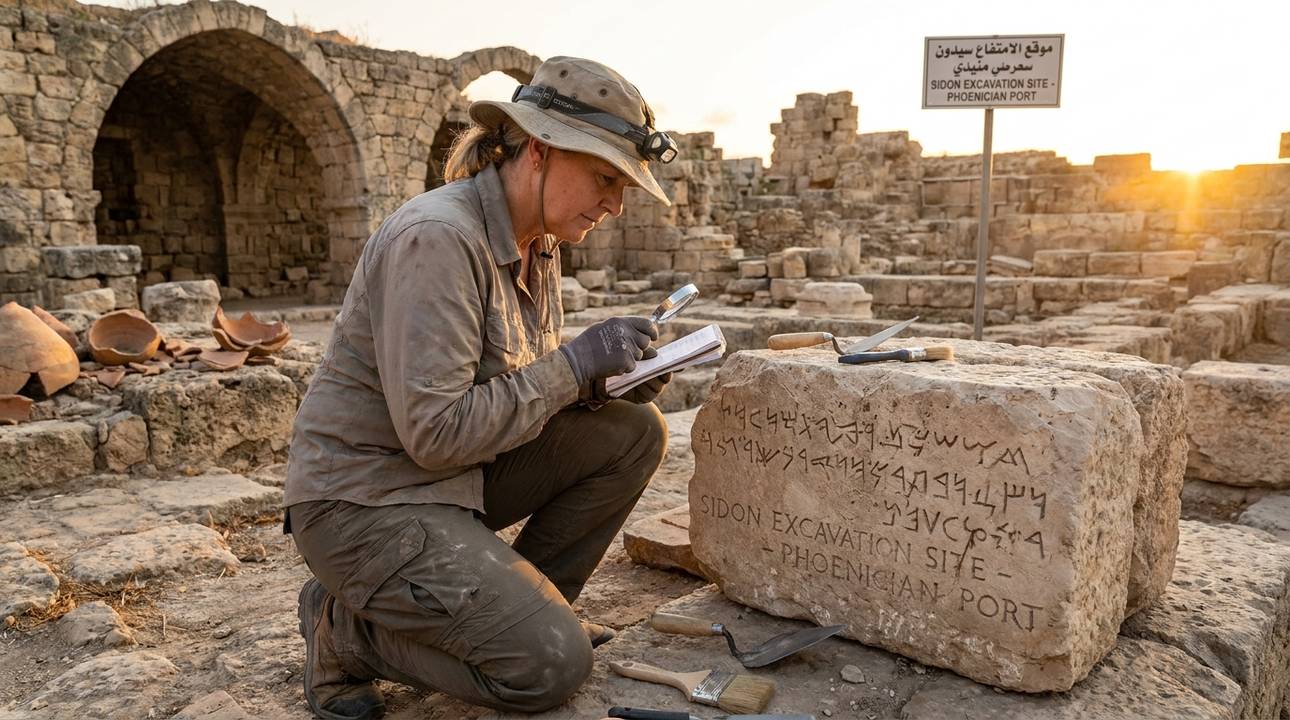
Sidon is mentioned as having historical significance. Its strategic coastal location made it a key player in maritime trade, linking the Mediterranean with inland regions.
Known for their seafaring skills, the Phoenicians established trade networks that reached as far as Spain and North Africa. They spread their influence and culture across the historical world, including the development of the Phoenician alphabet, which influenced Greek and Latin scripts.
The Phoenician alphabet, one of their most significant contributions, laid the foundation for modern alphabets. This innovation facilitated communication and record-keeping across cultures.
Sidon’s role as a trade hub is further emphasized in historical records, which describe its bustling markets and skilled artisans. The city’s influence is evident in its ability to connect diverse regions, fostering cultural and economic exchanges that shaped the ancient world.
Where Is Lebanon Located on Historical Maps?
On ancient maps, Lebanon is depicted to the north of what is today known as Israel. Its Western border is the Mediterranean Sea, and it stretches eastward into mountainous terrain. Historical maps like the Madaba Map depict Lebanon, highlighting it as a pivotal location in ancient trade routes.
The prominence of Lebanon on these maps underscores its strategic importance in historical interactions between neighboring regions. The Madaba Map, a 6th-century mosaic, provides a detailed representation of the lands, including Lebanon’s key cities and topographical features.
The depiction of Lebanon on ancient maps highlights its role as a gateway between the sea and the interior lands. This position allowed it to control vital trade routes, facilitating the movement of goods such as timber, wine, and olive oil.
The geographical features of Lebanon, including its fertile valleys and rugged mountains, are consistently noted in historical records. These features impacted settlement patterns and economic activities, making Lebanon a crucial player in the ancient world’s economy.
Lebanon’s fertile valleys supported agriculture, while its rugged mountains provided natural defenses. The cedar trees from these mountains were highly valued for construction.
This combination of natural resources and strategic location allowed Lebanon to thrive economically. Its influence extended beyond its borders, as it became a center for trade and cultural exchange, impacting neighboring regions significantly.

Why Are Lebanon’s Cedar Trees Significant?
Cedar trees from Lebanon are celebrated in historical texts for their quality and strength. Their use in construction emphasized their value, showcasing strong trade relationships. Known for building ships, temples, and palaces, these trees symbolized stability and grandeur, reflecting the region’s contribution to the ancient world. The durability of these trees made them ideal for constructing long-lasting structures.
The cedars of Lebanon are also symbolized as flourishing and strong. This metaphor highlights the trees’ significance not only in construction but also in cultural symbolism. The abundance of cedar forests contributed to the economic prosperity of ancient Lebanon. The cedars were used in building projects across the ancient Near East, making Lebanon a hub of trade and craftsmanship known for its quality timber.
from the Western Wall to Masada.
Cedar wood from Lebanon was prized for its durability and fragrance, often used in temples and palaces. This made Lebanon a key supplier for neighboring regions, enhancing its economic standing.
The symbolism of the cedars illustrates their strength and majesty. This dual significance of the cedars underscores their importance in both practical and symbolic contexts.

How Did Lebanon Influence Historical Narratives?
Lebanon’s role in historical narratives is multifaceted. Cities like Tyre and Sidon became renowned as hubs of commerce and culture, with Tyre noted for its extensive trade networks. These cities were pivotal in the exchange of goods like purple dye and glass.
The area served as a refuge during times of need, reflecting its status as a place of safety. These narratives underscore Lebanon’s integral role in cultural exchanges.
Zarephath is noted for stories that highlight the region’s hospitality and significance in history. Lebanon’s cities were not only centers of trade but also of innovation.
The production of purple dye, a symbol of royalty, and glass, a valuable commodity, illustrates the region’s technological advancements and influence on ancient economies.

What Is Lebanon’s History?
Historically, Lebanon was a meeting point of civilizations, linking various empires and tribes. This connection contributed to its cultural legacy. The control of Lebanese territories often meant influence over trade routes and resources, highlighting its strategic importance. Lebanon’s ports facilitated trade between regions, making it a crucial player in economic exchanges. The city of Tyre, for example, was a major maritime power, as described in Ezekiel 27, which details its extensive trade networks and wealth.
The city of Tyre, mentioned in Ezekiel 27, was known for its wealth and extensive trade networks. It was a hub for goods such as purple dye, which was highly prized in the ancient world. Tyre’s influence extended to regions as far away as Egypt and Greece. Originating from this area, the Phoenicians were skilled sailors and traders. Their ships traveled across the Mediterranean, spreading their influence and culture. This maritime prowess made Lebanon a key player in ancient commerce and cultural exchanges.
The strategic location of Lebanon allowed it to serve as a meeting point for diverse cultures, including the Egyptians, Hittites, and Assyrians. This cultural mix is evident in archaeological finds that reveal a blend of artistic styles and influences. The region’s ability to connect different parts of the ancient world made it a vital center for the exchange of goods, ideas, and technologies. The famous Phoenician ships facilitated this exchange, contributing to Lebanon’s legacy in history.
Phoenician ships, known for their advanced design, enabled Lebanon to become a maritime power. Trade routes extended across the Mediterranean, reaching as far as Spain and North Africa. This maritime prowess allowed Lebanon to influence distant regions, spreading its culture and innovations. The development of the alphabet, which influenced Greek and Latin scripts, is a sign of the Phoenicians’ lasting impact on the world.

Lebanon Today: Reflecting on Its Past
Present-day Lebanon still reflects traces of its ancient past. Historical sites like Byblos, one of the oldest continuously inhabited cities, echo its history. Byblos is known for its skilled shipbuilders. While modern developments have transformed many areas, visitors may find remnants that speak to Lebanon’s role in ancient stories, serving as a sign of its lasting influence. Understanding Lebanon’s past enriches our knowledge of its present, revealing how geography and history shape its identity.
Byblos, with its ancient ruins, offers insights into the region’s long history of trade and cultural exchange. The city’s strategic location made it a vital link between the Mediterranean and the interior lands. Modern Lebanon, while different in many ways, still carries the legacy of its ancient cities. The blend of historical and contemporary influences creates a unique cultural landscape, where the past continues to inform the present. This connection is a sign of Lebanon’s importance in the region.
Lebanese Sites in the Bible
