
Discovering the Ancient Place of Raamah


The historical place of Raamah holds a distinct spot in the annals of ancient trade and culture. Raamah is listed among the descendants of Cush, highlighting its early significance.
Raamah was a trading partner with regions rich in spices and precious goods, such as Sheba and Dedan. This article delves into the significance of Raamah and its role in ancient networks, offering a glimpse into its economic and cultural influence.
Raamah’s connections with places like Sheba, known for its wealth in spices and gold, illustrate its importance. The trade routes it participated in were vital for distributing goods across regions.
This interconnectedness fostered cultural and economic relationships that were crucial in historical times. Exploring Raamah’s role helps us understand the broader context of commerce and culture in the era.
from the Western Wall to Masada.
Trading goods such as spices and gold not only bolstered Raamah’s economy but also facilitated cultural interactions. These exchanges enriched Raamah’s society, introducing new ideas and practices. This cultural and economic interconnectivity highlights Raamah’s significance in the ancient world, contributing to its legacy in the study of ancient trade.
Where Was Raamah Located?
Raamah is one of the sons of Cush, outlining the descendants of Noah’s sons. It is believed to have been located in the Arabian Peninsula, a region known for its trade. Many scholars identify Raamah with a center of trade in what is now southwestern Arabia. This area was known for exchanges in spices, incense, and other valuable commodities, contributing to its history.
The mention of Raamah places it within the genealogical context of the ancient world, linking it to the broader narrative of Noah’s descendants.
This connection underscores Raamah’s significance in the narrative, highlighting its role in the ancient trade networks that spread goods and ideas across regions, enriching the cultural and economic landscape of the time.
The Arabian Peninsula, where Raamah is thought to be located, was a crossroads for trade routes connecting Africa, the Middle East, and Asia. This strategic location made it a key player in ancient commerce. The trade in spices and incense from this region emphasizes Raamah’s role in these networks. Its early importance in the narrative and its contribution to the economic and cultural exchanges of the time are notable.
The strategic location of the Arabian Peninsula facilitated the movement of goods and ideas across vast distances, enriching the societies it connected.
Raamah’s participation in these trade networks not only bolstered its economy but also contributed to its cultural development, as it absorbed diverse influences from its trading partners, enhancing its significance in the ancient world.
Raamah’s geographical position made it a crucial hub in the ancient trade routes. These paths connected the Middle East with Africa and the Far East, allowing the movement of valuable goods.
Trade items like gold, spices, and incense flowed through Raamah, contributing to its strategic importance in commerce.
The significance of Raamah in ancient commerce is reflected in its connections with regions like Sheba and Dedan. These areas were known for their wealth in spices and incense, which were highly prized.
Raamah’s role in these trade networks highlights its importance in the economic landscape of the time. Understanding its position helps us appreciate the complexity and reach of ancient trade systems.
The trade routes that included Raamah facilitated the movement of goods and ideas across vast distances. This interconnectedness allowed Raamah to influence and be influenced by other cultures.
Through these interactions, Raamah contributed to the diffusion of innovations and cultural practices, enriching the societies it interacted with and enhancing its own cultural and economic standing.
Raamah in Historical Texts
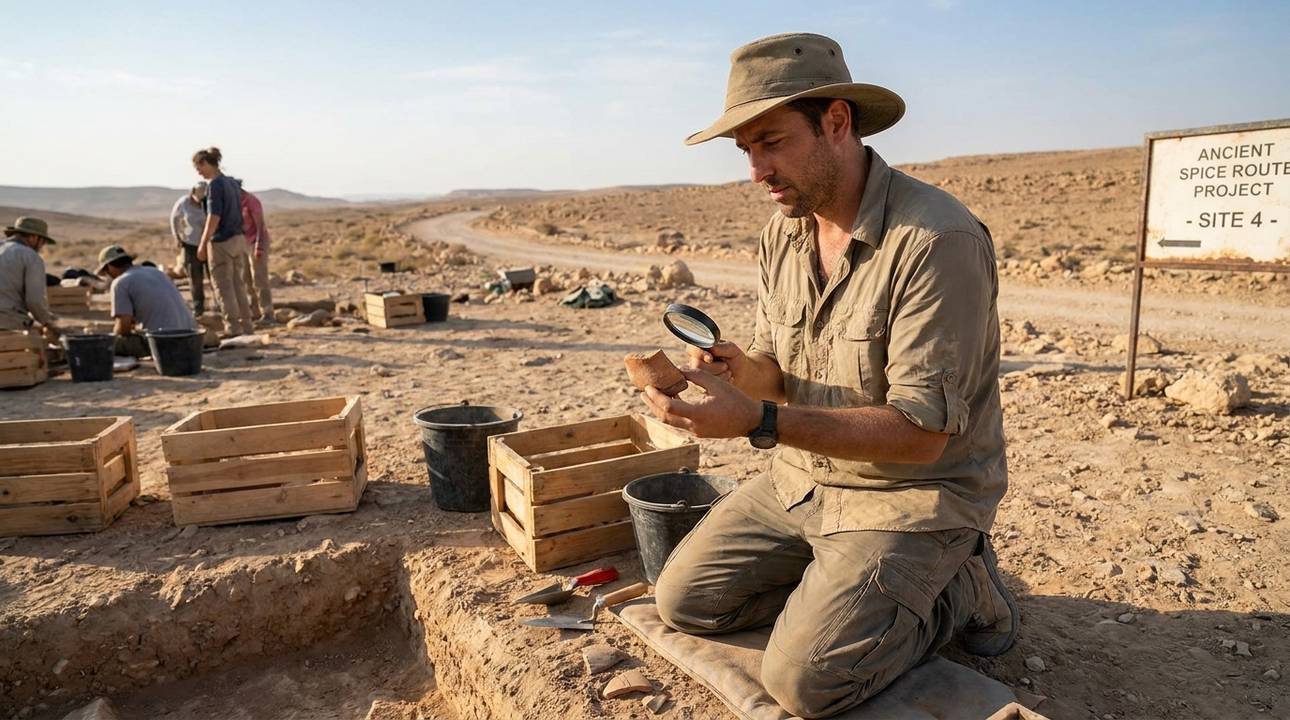
Historical references to Raamah in the context of genealogy and trade highlight its role as a significant trade partner. Such mentions indicate Raamah’s influence and wealth derived from its commercial activities. These exchanges fostered cultural and material wealth in the region, contributing to its history.
Raamah’s trade with Tyre, a major Phoenician city, underscores its strategic importance in ancient commerce. Trading valuable commodities like spices and gold would have bolstered Raamah’s economy.
This economic prosperity enabled Raamah to maintain its influence and cultural relevance, highlighting its role in the broader trade networks of the time.
History of Raamah
Beyond the historical text, Raamah’s history is rooted in its role in trade networks. Archaeological evidence suggests active trade in perfumes and incense, valued highly in ancient societies. Raamah’s merchants would have been instrumental in spreading cultural and technological innovations across continents. This business prowess cemented its place in historical narratives.
The trade routes that Raamah participated in connected it to various regions, facilitating the movement of goods and ideas. This interconnectedness allowed Raamah to influence and be influenced by other cultures.
Through these interactions, Raamah contributed to the diffusion of innovations, such as new agricultural techniques or artistic styles, enriching the cultural landscape of the ancient world.
Raamah has been subject to various interpretations due to its limited direct archaeological evidence. Some researchers propose different theories connecting it to various Arabian locales.
Despite these debates, historical records provide a consistent view of Raamah’s commercial grandeur. Its mention alongside renowned cities underscores its historical importance in ancient trade.
from the Western Wall to Masada.
The lack of concrete archaeological evidence has led to diverse theories about Raamah’s exact location. However, its consistent portrayal in historical texts as a trade hub highlights its significance.
The association with other prominent trading centers suggests that Raamah played a crucial role in the economic networks of the ancient world, facilitating the movement of valuable goods and cultural ideas.
Theories about Raamah’s location highlight the challenges of pinpointing historical locations. However, its role in trade is well-documented.
This consistency in historical records emphasizes its significance in commerce. Understanding Raamah’s place in these narratives helps us appreciate its impact on the economic and cultural landscapes of the time. The mention of Raamah alongside other prominent trading cities underscores its importance.
Raamah’s trade connections likely extended to regions known for their wealth in spices and incense, such as Sheba and Dedan. These commodities were highly valued, contributing to Raamah’s prosperity. The economic interactions facilitated by Raamah’s trade networks would have played a crucial role in shaping the cultural and material wealth of the region, highlighting its history.
Cultural Influence of Raamah
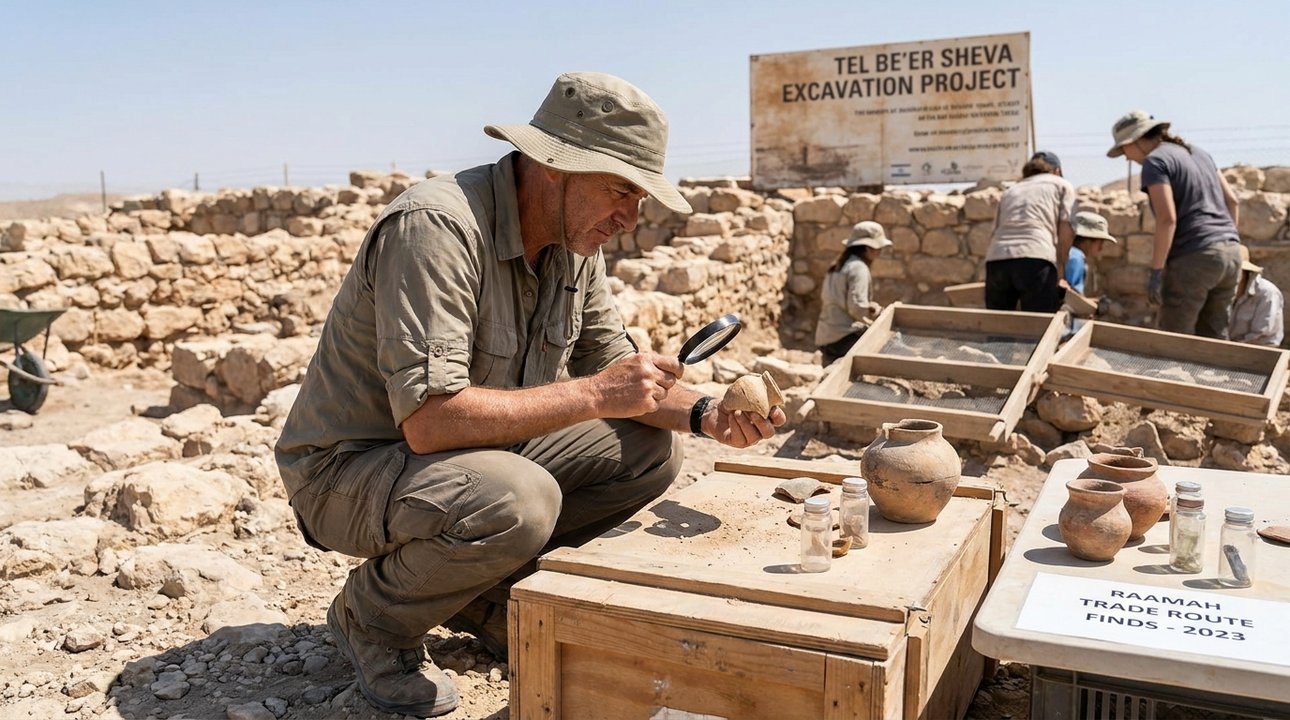
Through trading activities, Raamah had cultural exchanges that enriched its society. Trade brought not only economic benefits but also varied cultural interactions with distant lands. As traders moved, they shared ideas, languages, and customs.
This indicates the diverse cultural influences that Raamah experienced through its trade connections.
Thus, Raamah’s culture was woven through these interactions, influencing and being influenced by other civilizations. The movement of goods and ideas would have introduced Raamah to different artistic styles, religious practices, and technological innovations. These exchanges not only enhanced Raamah’s own culture but also contributed to the broader cultural landscape of the ancient world, making it a and dynamic society.
Raamah’s Legacy Today
Today, Raamah is primarily recognized through its historical mention and associations with trade. While the exact location remains a subject of scholarly debate, its legacy endures in historical texts.
Modern researchers continue to explore its role in ancient narratives, examining its contributions to trade and culture. Raamah symbolizes the interconnectedness of ancient societies through commerce.
The ongoing exploration of Raamah’s historical role sheds light on the complexity of ancient trade networks. Its connections with regions like Sheba and Dedan highlight its significance. Understanding Raamah’s place in these networks helps us appreciate the economic and cultural exchanges that shaped ancient societies. Its legacy is still remembered with interest and research today, showing the interconnectedness of ancient economies.
Raamah’s influence extended beyond its immediate geographic location, impacting regions far and wide through its trade connections. The goods exchanged, such as spices and precious stones, were highly sought after, enhancing Raamah’s wealth and status. This wealth allowed Raamah to develop culturally and economically, contributing to its legacy in history and its continued relevance in modern studies of ancient trade.
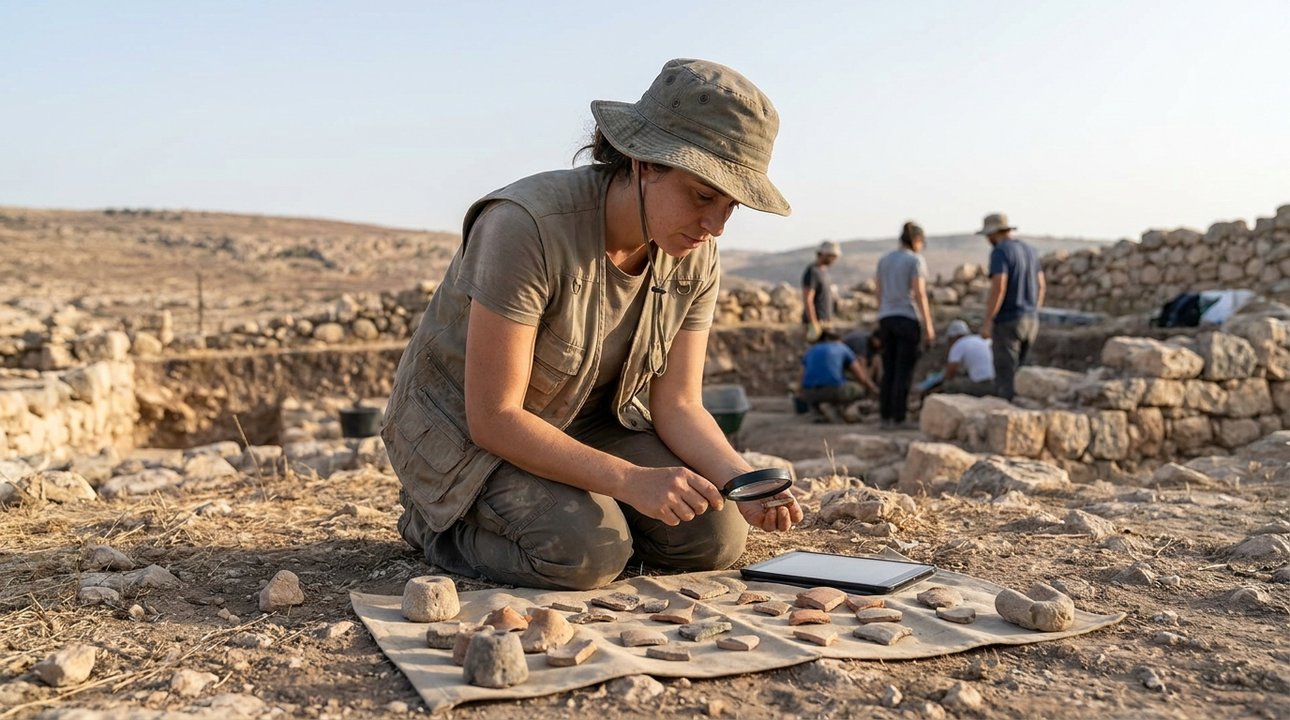
Raamah’s role as a trade hub is crucial for understanding the economic landscapes of the historical world. Raamah traded with the city of Tyre, dealing in spices and precious stones.
This highlights its significance in the network of ancient economies. Connections with cities like Tyre provide insight into how goods and wealth circulated, shaping the economic systems of the time and contributing to Raamah’s historical importance.
Trading valuable commodities such as spices and precious stones not only bolstered Raamah’s economy but also facilitated cultural interactions.
These exchanges enriched Raamah’s society, introducing new ideas and practices that contributed to its cultural and economic development, highlighting its significance in the ancient world.
Raamah’s history of commerce with notable cities offers a window into ancient economic systems. It was part of the trade routes that enabled exchanges between the Middle East and Africa. This network allowed for the flow of goods such as gold and incense, which were highly valued. Understanding Raamah’s place in these systems helps us appreciate the complexity of ancient trade and its impact on cultural exchanges.
The trade connections that Raamah maintained with other regions contributed to its wealth and influence. Trading valuable commodities like spices and precious stones enhanced its economic status. This prosperity allowed Raamah to develop culturally, as it absorbed and integrated diverse influences from its trading partners, enriching its own society and contributing to its legacy in history.
Raamah and Its Role
