
Exploring Bishar as a Significant Historical Place


Bishar is mentioned in historical texts for its role in past societies. Although not as well-known as other sites, Bishar provides insights into the culture of its time. This article explores the significance of Bishar, examining its mentions in literature and what they reveal about ancient communities. For example, Shiloh was a central gathering place where the Tabernacle was set up, highlighting its importance.
Bishar’s significance can be compared to other locations such as Gilgal, known for its role in historical journeys. Gilgal marked a significant transition after crossing the Jordan River. By studying these sites, we learn about the daily lives and structures of ancient communities. Bishar’s mention in texts, though limited, provides clues to its role in the region’s history, similar to Beersheba, a site of historical agreements and peace.
from the Western Wall to Masada.

What Is Bishar in the Bible?
Bishar is depicted as a place of intrigue. Its precise location is debated, but it holds interest for those studying geography. Bishar is often associated with wilderness landscapes and serves as a backdrop for ancient narratives. Understanding Bishar involves piecing together its role and significance within these stories. The site’s mystery invites scholars to uncover its secrets through historical inquiry, similar to the search for the elusive Ophir, known for its resources.
The Geographic Context of Bishar
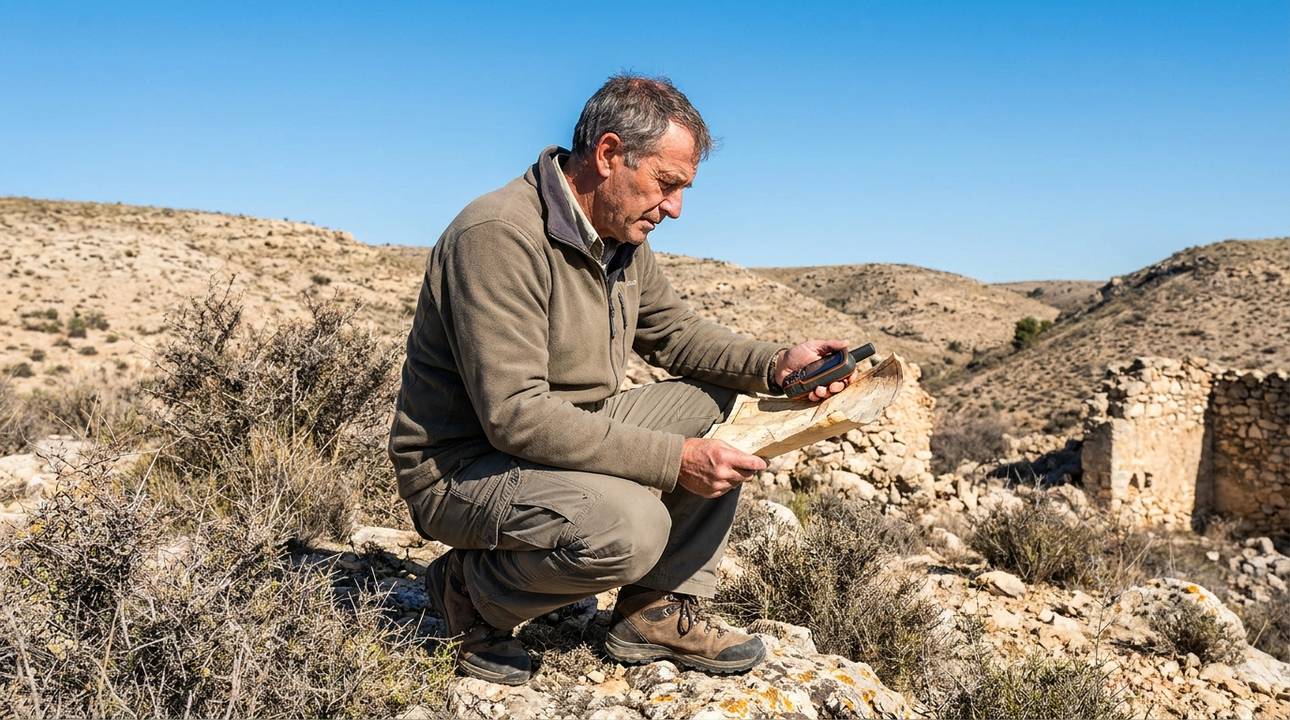
Bishar is described in historical sources as being in challenging terrain. Often mentioned in relation to known cities, its geographic features highlight the challenges of traversing its landscapes. This contributes to its intrigue and the difficulty in locating it on modern maps. Despite this, efforts continue to map its coordinates and understand its historical place, drawing interest from scholars and enthusiasts. The rugged terrain of Bishar might have served as a natural barrier, similar to the hills surrounding Jerusalem, which provided protection.
Bishar in Historical Literature
Bishar is referenced in writings with a tone suggesting solitude and reflection. These references enhance our understanding of the cultural narratives. By examining these writings, readers find connections to broader themes such as endurance and guidance. The interpretation of Bishar’s role in these accounts sheds light on its cultural role, illustrating the life and beliefs of ancient peoples and the symbolic meanings they attributed to locations.
Historical Interpretations of Bishar
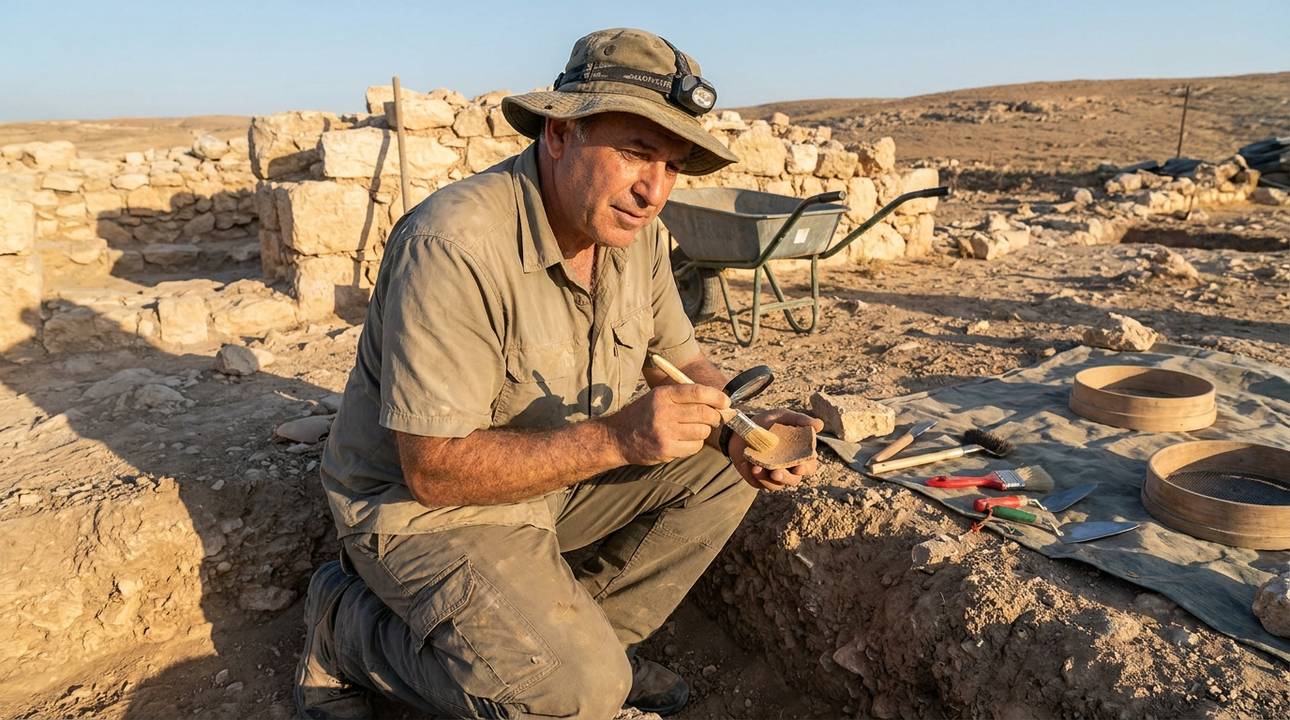
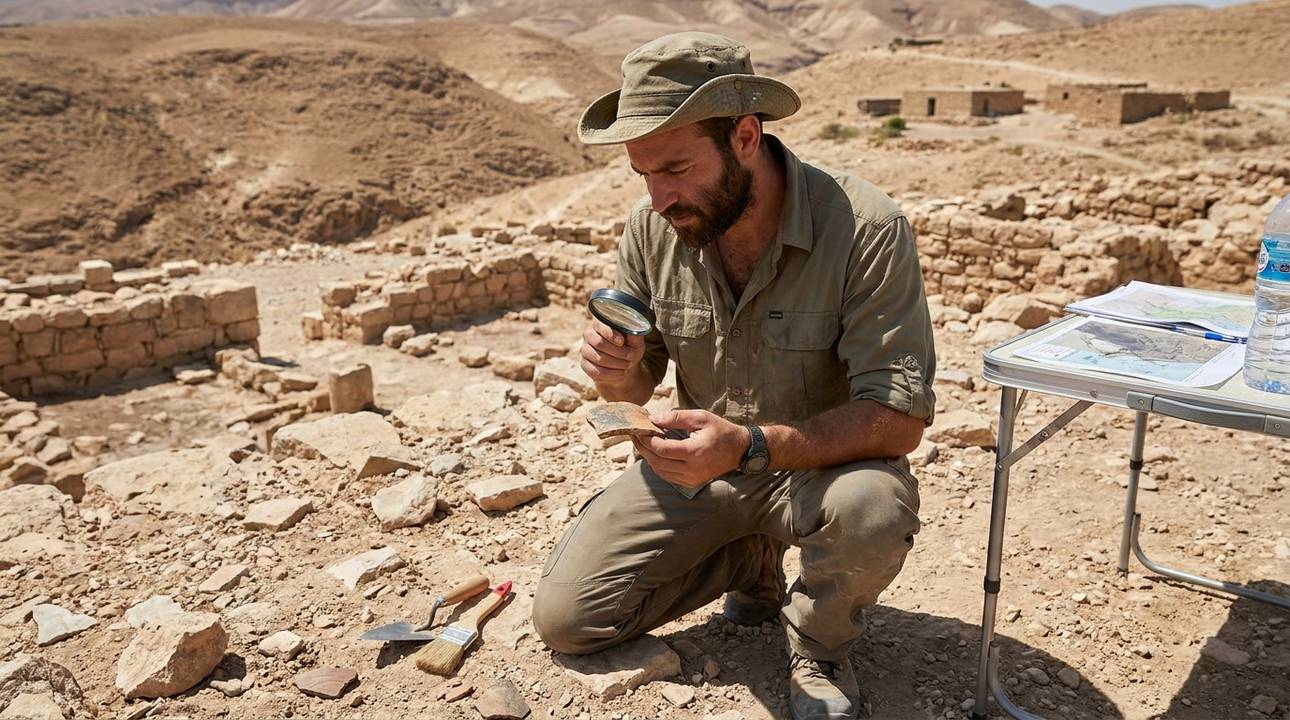
Historically, Bishar has been explored through archaeology and historical studies. Investigations aim to clarify the site’s past and contextual relevance. Such explorations are crucial in understanding regional interactions and cultural exchanges. While concrete archaeological evidence is limited, each discovery adds to Bishar’s historical puzzle, sparking interest in its story. Similar efforts have been made at sites like Megiddo, known for its strategic significance.
The archaeological study of Bishar parallels other historical locations such as Lachish, an important city in the Kingdom of Judah. Lachish served as a military and administrative center, playing a crucial role in the defense of the kingdom. These sites provide insights into the ancient world and its social and political dynamics. As researchers uncover artifacts and texts, they piece together Bishar’s historical narrative, similar to ongoing work at sites like Tel Dan, where the discovery of the Tel Dan Stele offered new historical insights. The stele is notable for its reference to the “House of David,” providing evidence of the Davidic dynasty.
Cultural Role of Bishar
The cultural symbolism of Bishar resonates within various traditions, offering a space for reflection. This location has evolved in meaning over time, influencing cultural narratives. Recognizing Bishar’s place in cultural storytelling opens avenues for understanding its significance in shared heritage.
from the Western Wall to Masada.
Bishar’s evolving significance can be compared to sites like Mount Sinai, a pivotal location in tradition, representing law and covenant. These locations serve as focal points for reflection and cultural identity. By exploring Bishar’s role in cultural narratives, we gain an appreciation for how such places contribute to the shared history of communities, similar to how the Jordan River symbolizes new beginnings. The river marked the boundary between the wilderness and the region, symbolizing hope and transformation.
Bishar in Modern Context
Today, Bishar is studied not just for its historical context but also for its influence on modern cultural dialogue. Its enigmatic nature continues to attract scholars. This ongoing interest shows how sites like Bishar remain important in understanding cultural identities and connecting past and present narratives.
The study of Bishar can be compared to sites like Bethel, a place of encounters. Scholars often refer to texts describing the importance of such locations in historical journeys. Bishar’s enduring mystery and its role in narratives highlight how these ancient places shape our understanding of cultural identities. Like Bethel, Bishar invites contemplation of the sacred in everyday life.
Conclusion: Unveiling Bishar’s Mysteries
Bishar serves as a fascinating subject for those interested in geography and history. While its mysteries remain partly hidden, ongoing research aims to reveal more. The site invites comparison to places like Jericho, known for its strategic location. As we uncover more about Bishar, this reflects the mission of re-discovering historical narratives. Understanding places like Bishar strengthens our connection to cultural roots, similar to Jericho, one of the oldest inhabited cities in the world.
The exploration of Bishar is akin to the study of locations such as Hebron, significant for being the site of the Cave of the Patriarchs. These sites offer insights into the ancient world, showing how geography and history intertwine to shape cultural narratives. Research into Bishar continues to reveal potential connections to historical events and figures, enhancing our understanding of its role in the landscape and its impact on cultural heritage. Bishar’s proximity to trade routes might suggest involvement in economic exchanges, similar to Jericho, known for its strategic location.
Understanding Bishar
