
Zalmon: Unveiling Its Significance in the Bible
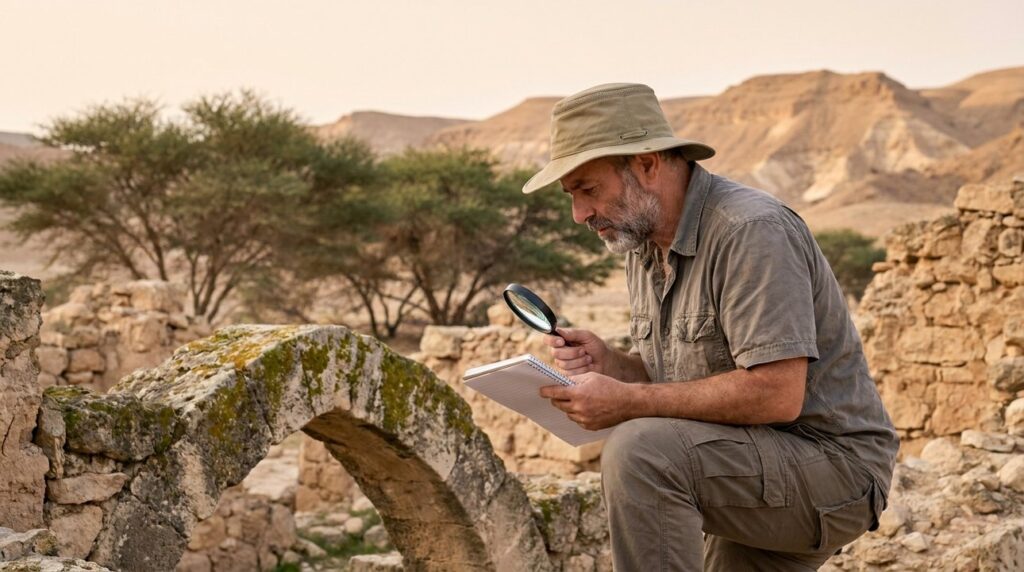

Mount Zalmon, referenced in ancient texts, is associated with significant events. Abimelech and his men gathered branches from Zalmon to attack Shechem, highlighting its strategic role. Additionally, it appears in poetic texts, emphasizing its importance. These narratives underscore its dual significance.
Zalmon is depicted as a resource for military tactics in historical accounts, while poetic texts highlight it as a site of power and success. These roles illustrate the connection between geography and narrative.
from the Western Wall to Masada.
This article examines Zalmon’s significance within ancient narratives, focusing on its roles and impact today. By exploring various references, we gain insight into how these locations influence discussions about geography and symbolism. The mountain’s use by Abimelech underscores its military importance.
Its mention in texts as part of a victory narrative adds a layer of importance. These roles illustrate how Zalmon serves as a link between historical events and themes. The mountain remains a vital subject of study, showing the interaction between geography and narrative.
What Is Mount Zalmon?
Mount Zalmon is noted in historical texts, specifically in the story of Abimelech, as he leads his men to the mountain to cut branches. This event is crucial in understanding Zalmon’s role. The mountain’s exact location is debated, though it’s believed to be in the region of Samaria. The historical context offers insight into the strategic importance of this site.
In addition to its strategic role, Zalmon is mentioned in poetic texts, where it is depicted as a site of intervention and success. This poetic reference adds a layer of meaning to the mountain.
Zalmon’s Role in the Book of Psalms
Beyond its historical mentions, Zalmon is invoked in poetic texts. These highlight Zalmon in passages relating to intervention and the scattering of kings. This use of Zalmon emphasizes the mountain’s symbolic nature in tradition, representing moments of triumph. The verse adds layers of meaning, linking the physical location to themes.
In poetic texts, Zalmon is depicted as a site of power, illustrating its symbolic role in the scattering of kings. These aspects enrich our understanding of how physical locations are interwoven with themes in texts.
Historical Context and Archaeological Insights
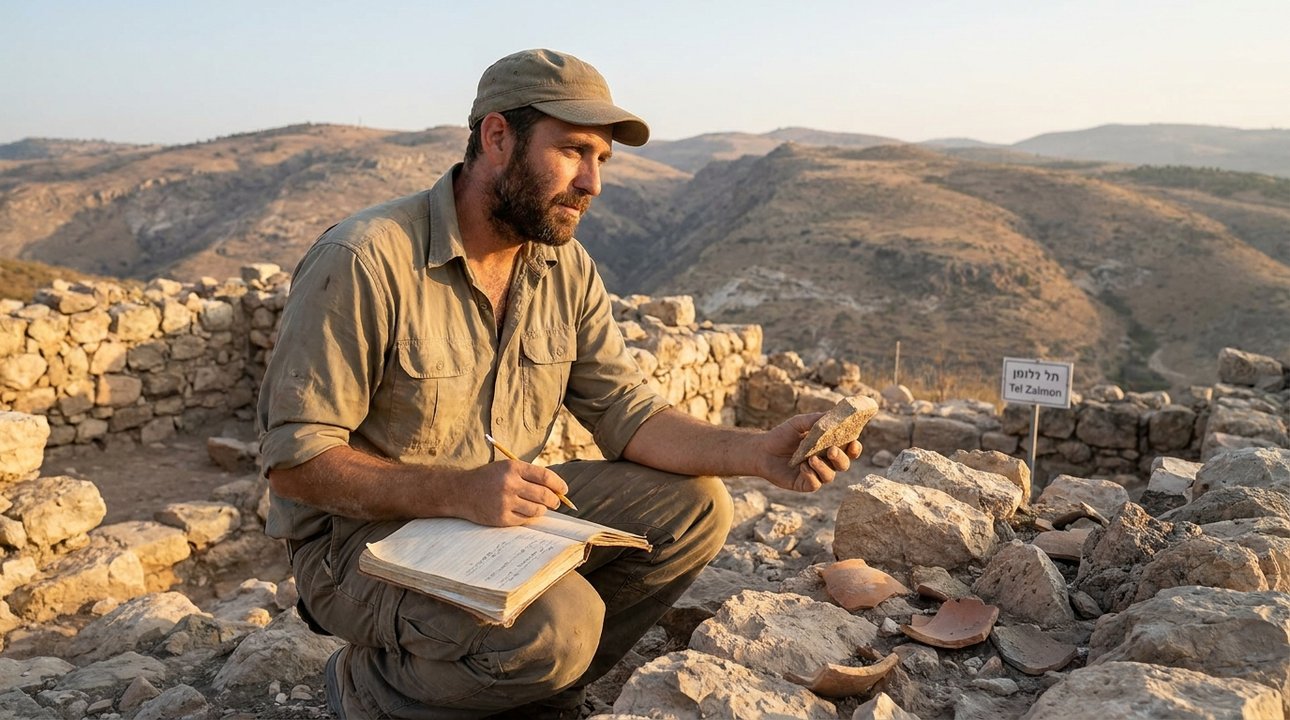
The geographical and historical context of Zalmon provides valuable insights. Although not widely explored archaeologically, Zalmon is tied to regions known for settlements. Historical accounts suggest it was a wooded area, suitable for strategic operations like those by Abimelech. Understanding the local geography helps visualize the narratives set around Zalmon.
Zalmon in Jewish Tradition
Zalmon holds a significant place in tradition, where its mentions are explored in depth. Rabbinic literature often reflects on its symbolic meanings and implications, particularly through interpretations. These texts expand on Zalmon’s role. For example, it is sometimes associated with themes of intervention, as seen in its poetic use.
In poetic texts, Zalmon is depicted as a site of victory, symbolizing the scattering of kings. These interpretations enrich our understanding of how locations are imbued with significance. Through the lens of literature, Zalmon continues to be a point of study.
By examining the lessons and insights derived from events involving Mount Zalmon, these traditions perpetuate its relevance in cultural discussions. For instance, historical accounts highlight Abimelech’s use of Zalmon for military strategy. This ongoing engagement ensures that Zalmon continues to be a source of exploration and learning.
In historical accounts, Zalmon serves as a practical resource for Abimelech’s military tactics, while poetic texts portray it as a site of power and victory. These roles illustrate how Zalmon is woven into the fabric of storytelling.
from the Western Wall to Masada.

Zalmon Today: A Cultural Perspective
Today, Mount Zalmon remains a topic of interest, especially in the fields of cultural studies. Although its precise location is uncertain, scholars are intrigued by its potential role in geography. Modern interpretations often focus on its symbolic significance. These discussions help maintain Zalmon’s presence in educational and cultural contexts.
In poetic texts, it symbolizes intervention, highlighting its role in the scattering of kings. These references provide insight into the layered meanings of narratives.
By examining locations like Zalmon, scholars enhance our comprehension of complex storytelling. This ongoing dialogue not only preserves the historical and cultural relevance of such sites but also enriches our appreciation of the intricate connections between texts and the physical world.
The mountain’s mention further highlights its strategic significance, as Abimelech used it to gather branches for his assault. This dual role in both military and poetic contexts showcases Zalmon’s multifaceted symbolism in narratives.
Connecting the Past and Present Through Zalmon
The story of Zalmon connects ancient texts with current scholarship. Its dual role as a historical and poetic symbol enriches our grasp of lands. Scholars and enthusiasts alike value its contribution to stories and cultural traditions. Through these connections, one gains insights into the meanings embedded in locations.
In poetic texts, it symbolizes intervention. These references provide insight into the layered meanings of narratives, where physical locations are imbued with significance. Through such studies, Zalmon continues to be a subject of interest.
Conclusion: Unveiling the Layers of Zalmon
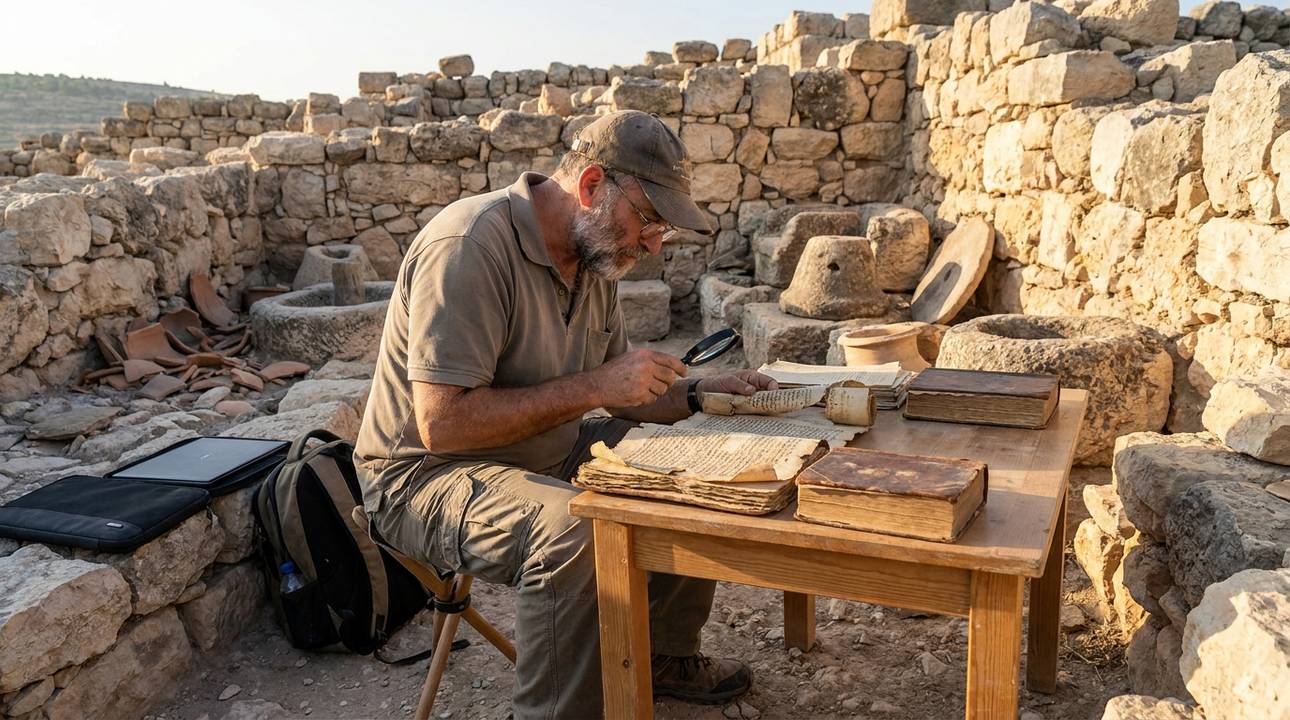
Mount Zalmon serves as a notable example of a location with multiple layers of significance. It is mentioned in historical accounts, where it plays a role in Abimelech’s military strategy, and in poetic texts, where it symbolizes intervention and victory. These references highlight its role in storytelling and cultural relevance. As we explore these layers, we appreciate the connections between place and narrative.
Poetic texts portray Zalmon as a site of triumph, illustrating its symbolic role in the scattering of kings. These aspects of Zalmon enrich our understanding of how physical locations are interwoven with themes in texts.
Its stories continue to enrich our understanding of historical contexts, demonstrating the power of tradition and history in shaping cultural identity. By exploring Zalmon’s significance, we gain insight into the complex interplay between historical accounts and the themes that resonate throughout the texts.
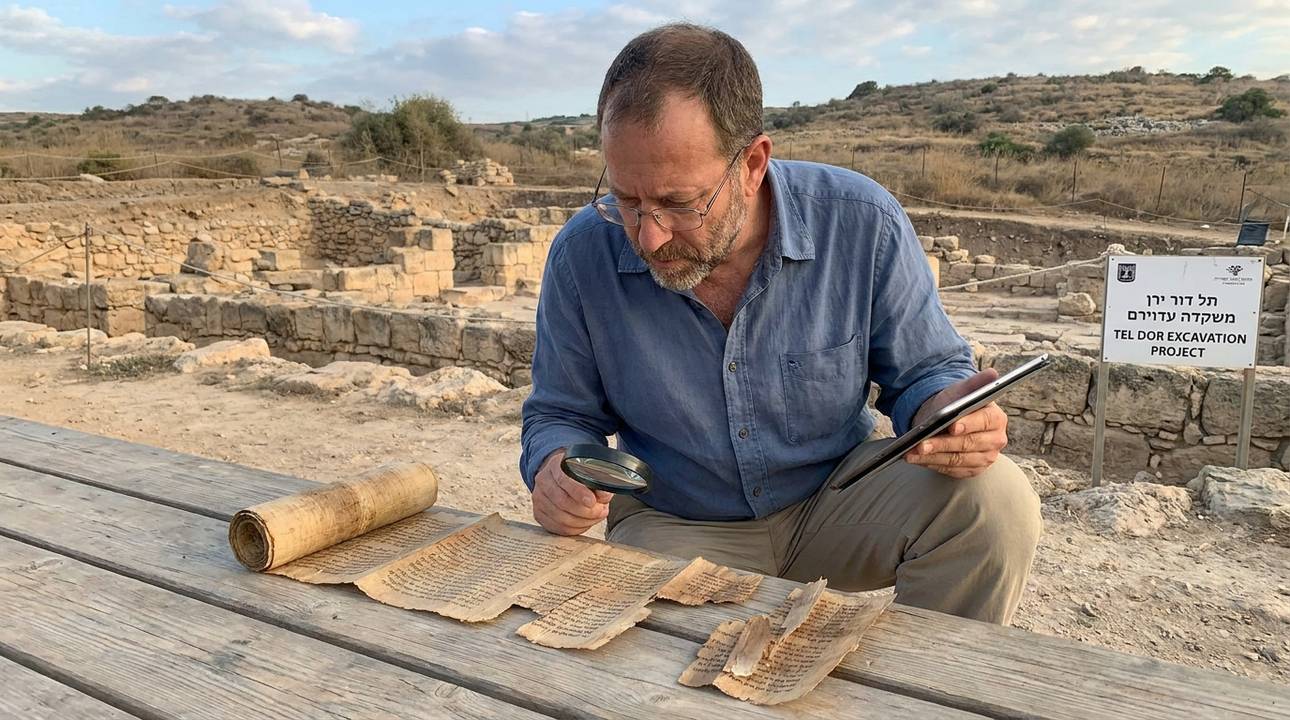
Exploring Zalmon's Role
