
Unveiling the Location and Importance of Paddan Aram


Paddan Aram, a term found in historical texts, refers to a region of significant historical and cultural role. Located in the upper Mesopotamian basin, it was a place laden with family ties and pivotal events. This article explores the geographical identity and historical relevance of Paddan Aram, providing insights into its connections. This region is mentioned as the homeland of Rebekah, a key figure in historical narratives.
The area was crucial in the lives of historical figures, serving as a backdrop for stories that shaped cultural identity. Paddan Aram’s location in the fertile crescent made it a hub for trade and cultural exchange. Understanding its role in history helps us appreciate the complex mix of relationships and events that unfolded there.
from the Western Wall to Masada.

Where Is Paddan Aram Located?
Paddan Aram is situated in the region historically known as Aram-Naharaim. It corresponds to the upper reaches of the Euphrates River basin. This area is located in what is today northeastern Syria and southeastern Turkey. The region’s ancient name, Aram Naharaim, means ‘Aram of the Two Rivers,’ referring to the Tigris and Euphrates. It was a strategic location for ancient societies.
The geographical positioning of Paddan Aram made it a crossroads for trade and interaction between different cultures. This strategic importance is reflected in narratives, where it serves as a setting for key events in the lives of historical figures.
The region’s history underscores its significance in the ancient Near East.
The designation of Paddan Aram is especially connected with the city of Haran. Haran is depicted as a central location where many narratives unfold. It served as an essential stop for historical figures on their journeys. This journey is pivotal in narratives, marking the beginnings of cultural developments.
In this context, Paddan Aram represents both a physical place and a cultural backdrop for various stories. Haran, as part of Paddan Aram, was a place where families lived and thrived before moving to new lands.
This connection highlights the importance of Paddan Aram in the broader narrative, serving as a link between figures and their ancestral homeland.
Historical References to Paddan Aram
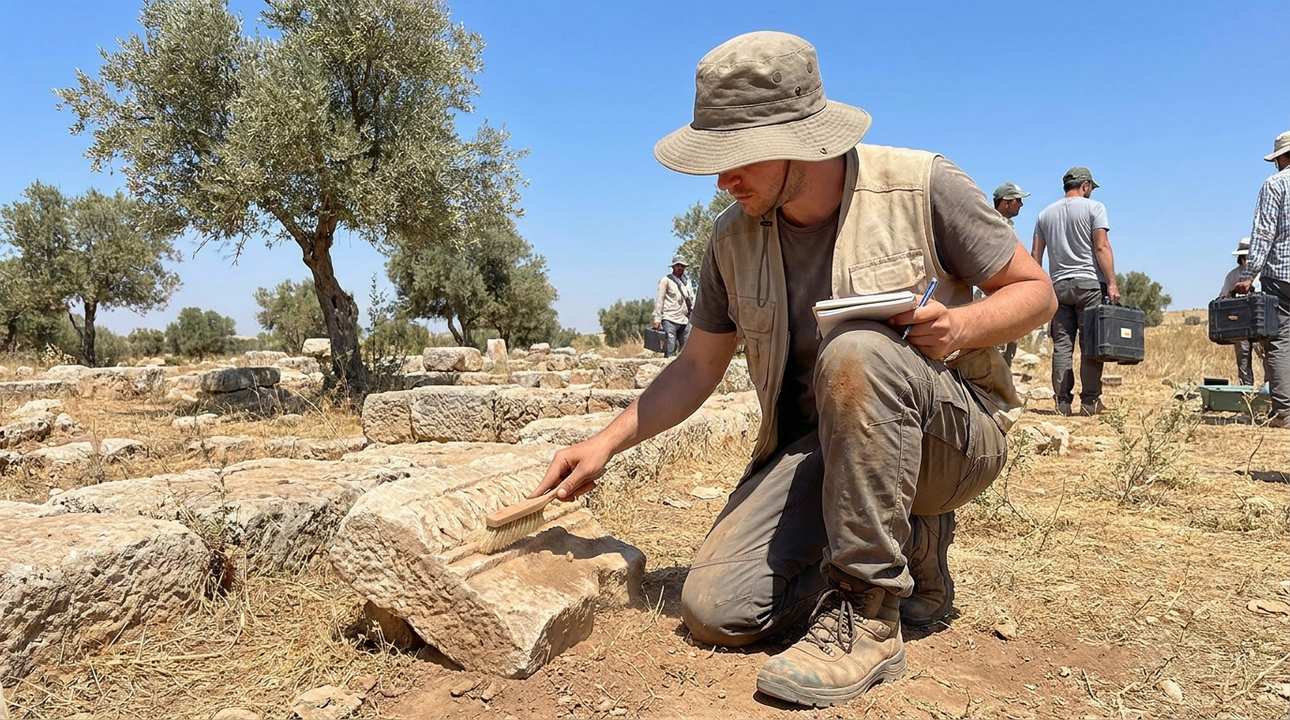
Paddan Aram holds a prominent place in historical narratives. It is referenced mainly in ancient texts, where it is described as the homeland of key figures. One of the most notable stories occurring in Paddan Aram is a significant stay by a prominent figure.
According to narratives, a figure fled to Paddan Aram to escape conflict. During the time there, life was marked by significant events, including important family unions.
This region is also where a family expanded, as many children were born who would become leaders of future groups. These stories illustrate the importance of Paddan Aram as a setting for key events, shaping the lineage and future of communities.
In this land, significant meetings and unions occurred, forming a substantial part of life stories. The experiences in Paddan Aram shape family dynamics and ultimately affect the lineage of future groups. The time there was marked by hard work and eventual prosperity.
It highlights the mix of familial and cultural ties marking this region as a key setting in history. The relationships formed in Paddan Aram had lasting impacts, influencing the course of history. These narratives underscore the significance of Paddan Aram not only as a geographical location but as a cultural and familial crossroads.
Cultural and History
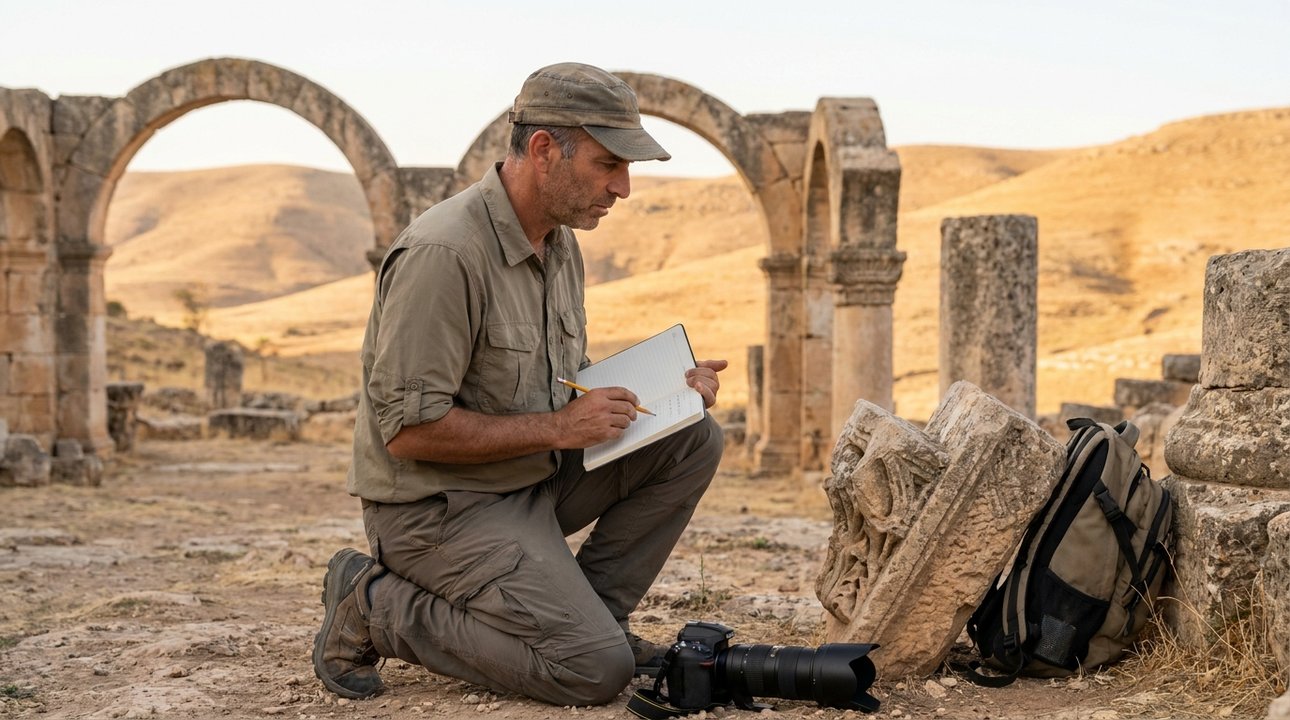
The significance of Paddan Aram extends beyond historical tales. It was part of a cultural and trade network in the ancient Near East. Located between the Tigris and Euphrates, it was a key area for trade routes. The region played a critical role in the interaction between different Mesopotamian civilizations and ancestors. Its location made it a crossroads for trade and cultural exchanges, facilitating the movement of goods and ideas across the region.
The strategic position of Paddan Aram allowed it to serve as a meeting point for various cultures and peoples. This interaction is reflected in narratives, where the region is depicted as a place of significant encounters and events.
Understanding Paddan Aram’s role in the ancient world helps us appreciate its impact on the development of history and culture.
Throughout history, Paddan Aram has been identified with various historical sites and cities, including Haran and Nahor. These settlements thrived under different empires, contributing to the area’s culture. As such, Paddan Aram remains a topic of interest for scholars and historians, who study its role in the Assyrian and Babylonian empires.
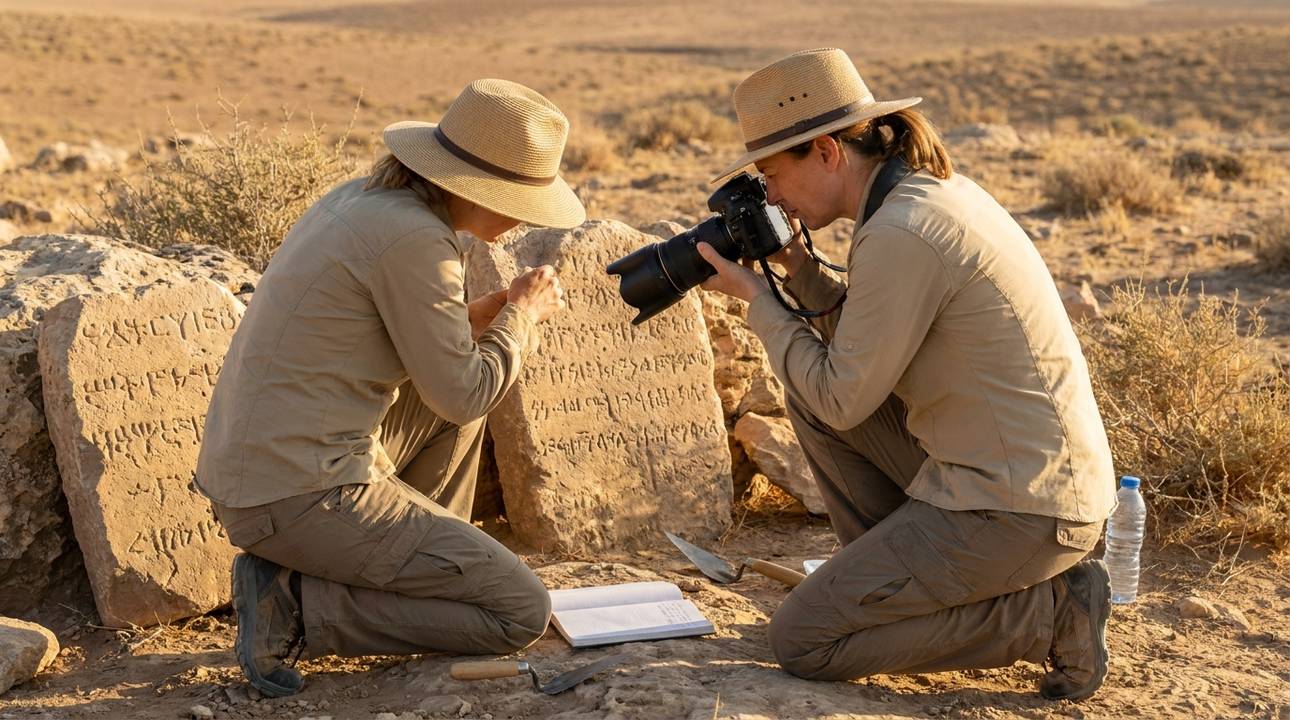
The region’s history is further highlighted by its mention in various ancient texts and inscriptions. These references provide a glimpse into the lives of the people who lived there and their interactions with neighboring cultures. The study of Paddan Aram offers valuable insights into the broader historical and cultural context of the ancient world.
from the Western Wall to Masada.
Paddan Aram in Modern Discussion
Today, the story of Paddan Aram continues to captivate those interested in history. While much has changed with the surrounding lands, the essence of Paddan Aram as a historical reference remains significant. It is mentioned as the place where key figures originated.
Modern archaeological efforts seek to uncover more about this ancient region, enhancing our understanding of its past. These efforts aim to connect narratives with tangible historical evidence.
The discussions around Paddan Aram also spark interest in preserving cultural heritage associated with ancient narratives. This area is linked to the stories of key figures and their journeys.
Efforts are underway to study and document the remnants of what once was a pivotal area for civilizations and historical figures alike. Scholars aim to preserve these sites for future generations, ensuring that the stories and history remain accessible.
The preservation of Paddan Aram’s cultural heritage is crucial for understanding the historical context of narratives. By studying the region’s archaeological sites and artifacts, researchers hope to uncover new insights into the lives of the people who lived there.
These efforts contribute to a deeper understanding of the ancient world and its influence on the development of history.
Archaeological Discoveries
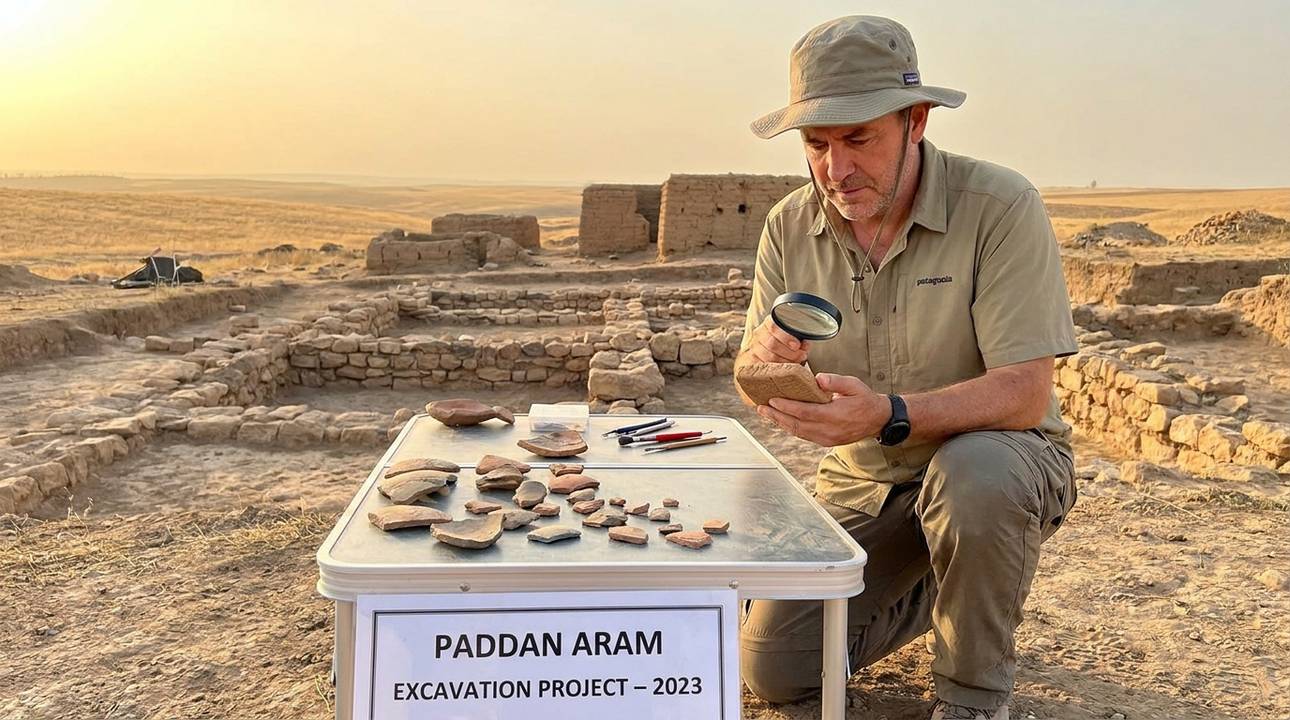
Despite political changes and challenges in the region, archaeological pursuits have gathered valuable insights into Paddan Aram’s history. Excavations have revealed cuneiform tablets that record trade transactions.
Artifacts and inscriptions provide glimpses into life during earlier periods. These findings illustrate the everyday activities and cultural aspects of communities residing in Paddan Aram, such as their agricultural practices and social structures.
The discoveries in Paddan Aram contribute to our understanding of the region’s history and its role in the ancient Near East. These archaeological efforts help piece together the complex history of the area, revealing its importance as a cultural and economic hub. Through these findings, we gain a deeper appreciation for the mix of life that once existed in Paddan Aram.
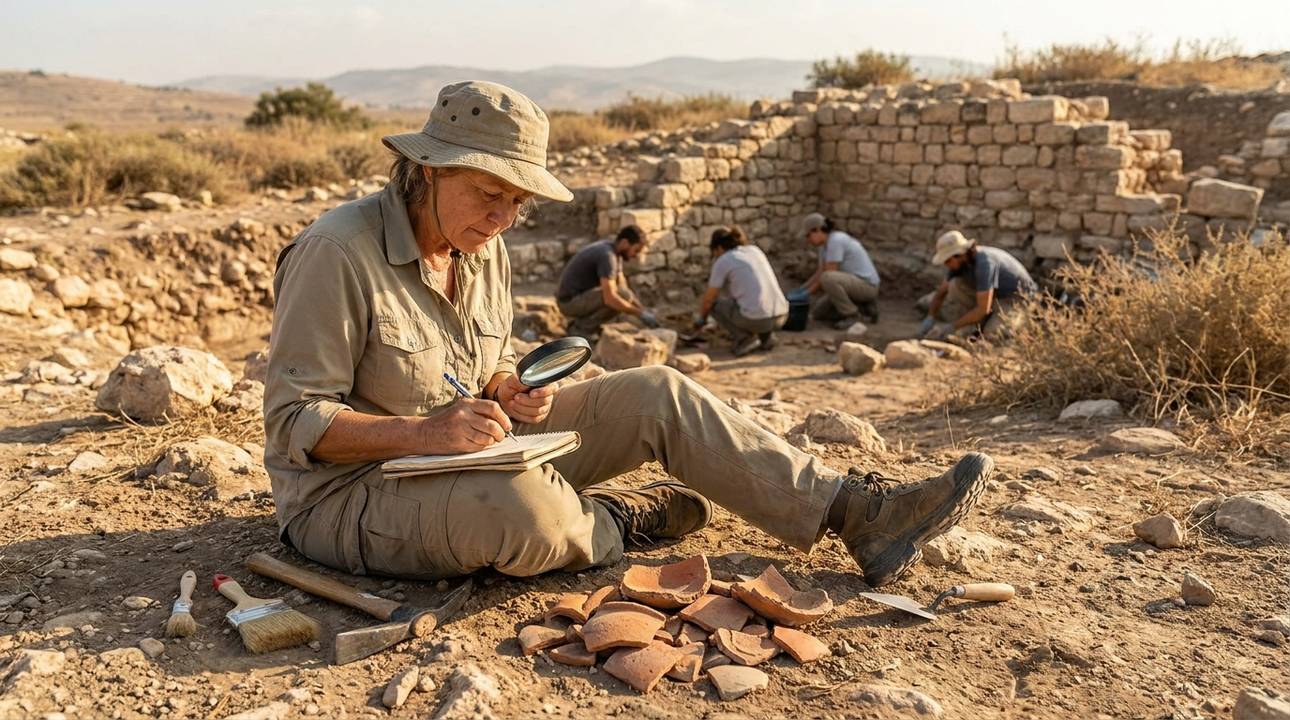
Modern technology assists in uncovering layers of history, allowing experts to piece together the life stories of this area. Ground-penetrating radar and satellite imagery have revealed ancient city layouts. Discoveries include remnants of ancient structures, household items, and tools, reflecting a society that was once and complex. Excavations have uncovered pottery shards and tools that date back to the Bronze Age, offering a glimpse into the daily lives of its ancient inhabitants.
Significance for Modern Readers
For today’s readers, Paddan Aram offers insights into the historical narratives embedded in ancient texts. This region is mentioned as a place where key figures lived and traveled, providing a backdrop for many events. Understanding these locations deepens the appreciation of stories and their impact on cultural heritage. The stories of significant journeys, for instance, are deeply tied to Paddan Aram.
Exploring Paddan Aram allows for a greater connection to the historical experiences that shaped the ancient world. It was here that significant work and unions occurred.
These narratives not only enrich our understanding of ancient texts but also highlight the interconnectedness of family and culture in historical times.
The tales of Paddan Aram serve as a reminder of the long history of people and cultures that have interacted in this part of the world. Recognizing its importance offers a window into understanding historical texts and their legacy. This region is also where significant journeys occurred, highlighting its significance in narratives.
The stories associated with Paddan Aram reflect the complex interplay of family and culture that characterized the ancient world. These narratives provide valuable insights into the lives of historical figures and their descendants. By exploring the history and significance of Paddan Aram, we gain a deeper appreciation for the mix of stories that form the foundation of ancient texts.
Understanding Paddan Aram
