
Exploring the Importance of Wadi Zered
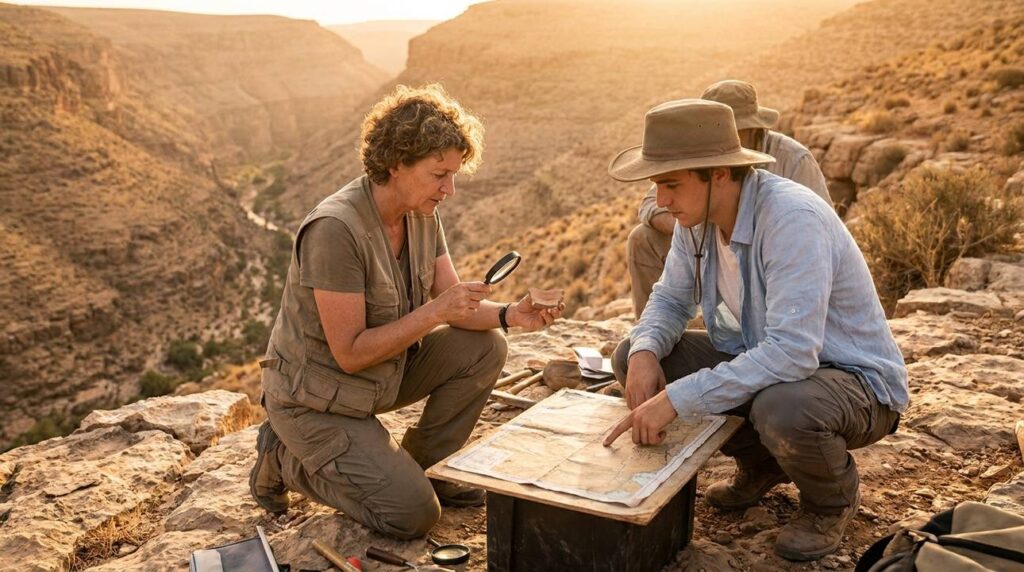

Wadi Zered, often referred to as the Zered Valley, played a notable role in the Israelites’ journey through the desert. This area served as a boundary and a place of change. Known for its strategic importance, it is mentioned as part of the Israelites’ route. Its location made it a natural line between territories, influencing the movement and interactions of various peoples, including the Edomites and Moabites.
What Is Wadi Zered?
During their journey, the Israelites encountered Wadi Zered, a significant geographical marker. This location marked a crucial point as it lay on the border between the wilderness and the land of Moab. It signifies a shift from the hardships of the desert to a new phase. Crossing this area marked a step closer to the fulfillment of their journey.
from the Western Wall to Masada.

Wadi Zered in the Historical Journey
The Israelites’ passage through Wadi Zered was a key phase in their wanderings. This location was a milestone on their trek, marking a transition from the harsh desert to more fertile lands. This journey was both a geographical and personal transition, as they moved closer to fulfilling the promise of a homeland. Crossing this area also marked the end of the Israelites’ 38 years of wandering, symbolizing a new chapter in their quest for a permanent settlement.
Crossing Wadi Zered was a moment of anticipation for the Israelites as they neared the end of their long journey. It highlights the challenges they overcame and the determination that sustained them. This crossing is marked as a pivotal transition, representing not only a physical journey but also a passage towards a significant goal.
Geography and Location of Wadi Zered
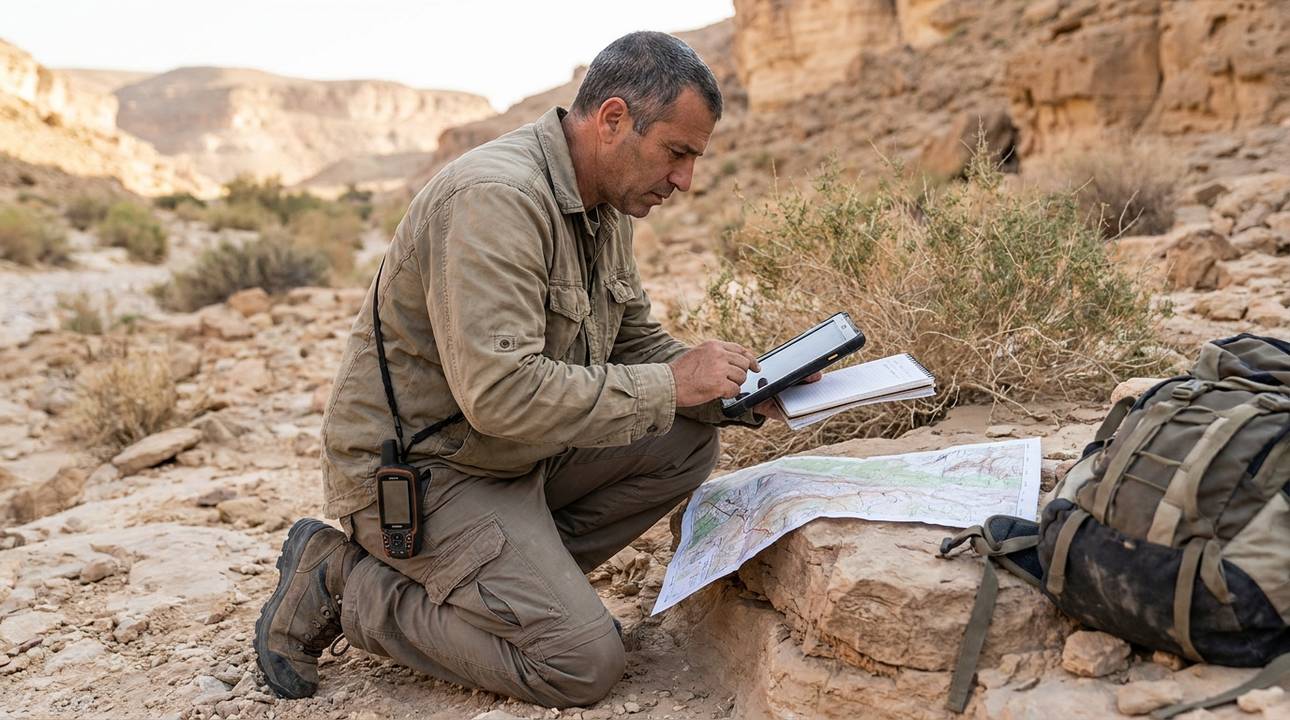
Wadi Zered is located in the Great Rift Valley, an extensive trench stretching from the Jordan Valley to the Red Sea. This area is part of a larger geological feature running through eastern Africa. Historically, the Great Rift Valley served as a natural boundary, marking the borders between the territories of Moab and Edom. The geographical features of Wadi Zered, such as its deep ravines and rugged terrain, made it an important landmark for travelers and traders.
The strategic importance of this location is mentioned in historical texts, where it is described as a place the Israelites crossed during their journey. This crossing marked a significant point in their travels, as they moved from the wilderness into more settled lands, highlighting the area’s role in delineating ancient territories. Passing through Wadi Zered was a key moment in their journey. The natural features provided both challenges and opportunities for the Israelites as they navigated this crucial phase.
Wadi Zered and the Border of Moab
In historical narratives, Wadi Zered marked the southeastern border of Moab, a region often mentioned in ancient texts. The Israelites’ crossing of this area indicated their movement from the desert towards settlement. This crossing was significant because it represented a shift from wandering to establishing roots, a key moment in the history of the Israelites. The Moabites, descendants of Lot, occupied this region, and their interactions with the Israelites are documented in several texts. This area served as a backdrop for these complex relationships, illustrating the geopolitical dynamics of the time.
The location of Wadi Zered was crucial in defining ancient territories, serving as a natural frontier for the nation of Moab. This boundary is mentioned in various texts, highlighting its importance in the geopolitical landscape of the time. The area separated the lands of Moab from the wilderness, marking a significant division in the region. Its strategic position influenced the movements of peoples and armies, making it a key area in historical times.
Wadi Zered in Rabbinic Literature
Rabbinic texts, such as the Talmud and Midrash, mention Wadi Zered in discussions about the Israelites’ journey. These texts explore its symbolic and spiritual implications in the broader narrative of the Exodus. They often highlight the challenges and transitions faced by the Israelites during their time at this location, emphasizing lessons of perseverance and faith. The Midrash, for example, interprets the crossing as a metaphor for overcoming personal obstacles, drawing parallels between the Israelites’ physical journey and spiritual growth. This interpretation encourages readers to reflect on their own life journeys and the importance of resilience.
from the Western Wall to Masada.
Archaeological Findings in Wadi Zered
Archaeologists have conducted surveys in the area around Wadi Zered, uncovering evidence of ancient settlements. These findings help illuminate the historical context of the Israelites’ passage. For instance, pottery shards and remnants of structures have been discovered, dating back to the Iron Age, which aligns with the timeline of the Israelites’ journey. Artifacts and studies from the region provide insights into the interactions between ancient peoples and their environment, revealing how they adapted to the landscape and utilized its resources for survival. The presence of terraced agriculture indicates a sophisticated understanding of farming techniques, allowing communities to thrive in a challenging terrain.
Cultural Role of Wadi Zered
Wadi Zered holds cultural significance in Jewish history as part of the Israelites’ journey from Egypt. This journey represents themes of perseverance and transition. The area is often cited in religious texts, where it marks a pivotal moment in the Israelites’ wanderings. The role of Wadi Zered in the narrative contributes to its lasting cultural impact, serving as a reminder of the challenges and triumphs faced by the Israelites.
The significance of this location is not only historical but also symbolic, representing the perseverance of a people moving towards a new beginning. Its mention in cultural teachings underscores its importance in Jewish cultural memory, where it is seen as a sign of the enduring spirit of the Israelites. The narratives surrounding Wadi Zered highlight themes of determination and hope, resonating with generations who draw inspiration from these ancient stories. This area serves as a reminder of the collective journey and the hope for a brighter future that sustained the Israelites.
Modern Perspectives on Wadi Zered
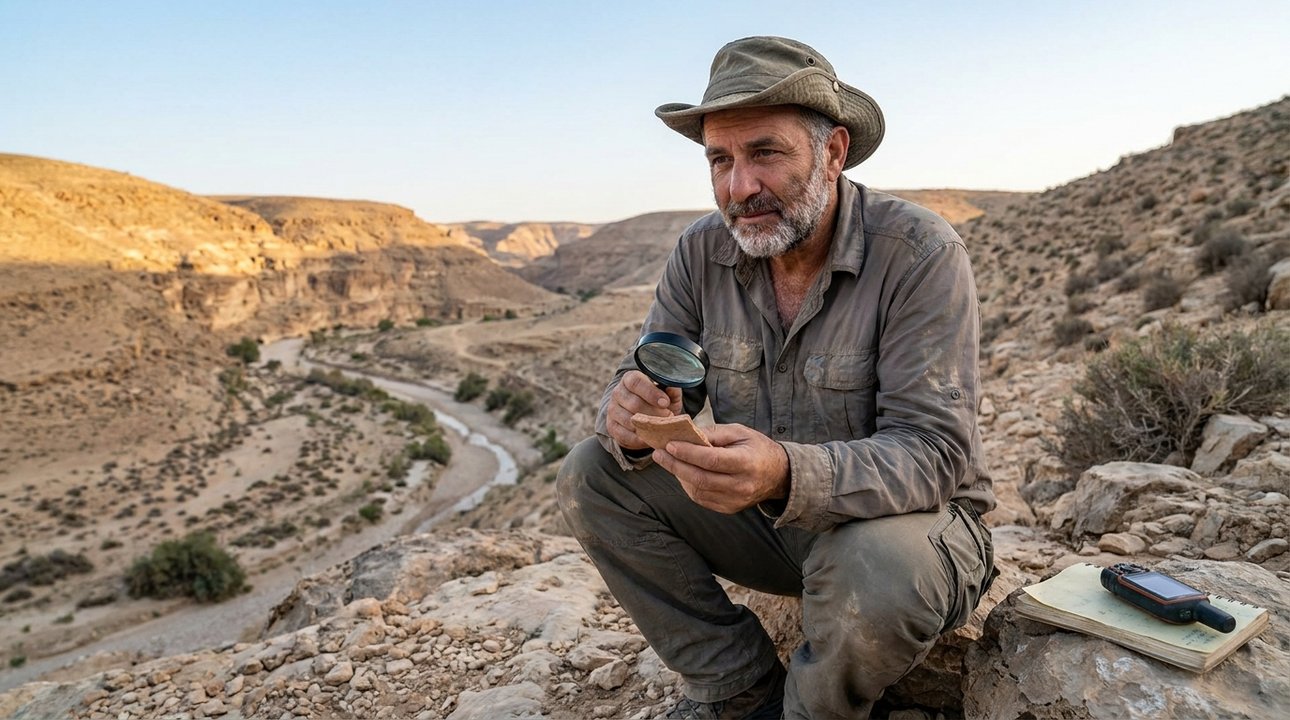
Today, Wadi Zered is recognized for its historical relevance. Its unique geographical features, such as its steep cliffs and winding paths, continue to attract researchers and enthusiasts interested in its role in the ancient world. Despite its remote location, this area remains a symbol of history and the enduring journey of the Israelites, showing the past and the narratives that have shaped Jewish heritage. The rugged terrain provided natural defenses and influenced the settlement patterns of ancient peoples, contributing to its strategic significance.
The importance of this area is reflected in the ongoing interest from historians and archaeologists who seek to understand its place in the historical landscape. Its role as a natural landmark in the stories of ancient texts makes it a point of interest for those exploring the ancient world. Excavations in the region have uncovered remnants of ancient settlements, showing the lives of those who lived near this vital waterway. These findings include tools and domestic artifacts that provide insight into the daily activities and cultural practices of the inhabitants, enriching our understanding of ancient societies.
Conclusion: the Legacy of Wadi Zered
Wadi Zered stands as a sign of the history embedded in the landscape. It highlights the transitions and challenges faced by the Israelites on their desert journey. This legacy makes it a significant point of interest for those seeking to understand the ancient world and the experiences of the Israelites, showing their determination and hope. The mention of this area in cultural texts underscores its importance in Jewish cultural memory, serving as a reminder of the perseverance required to reach their destination.
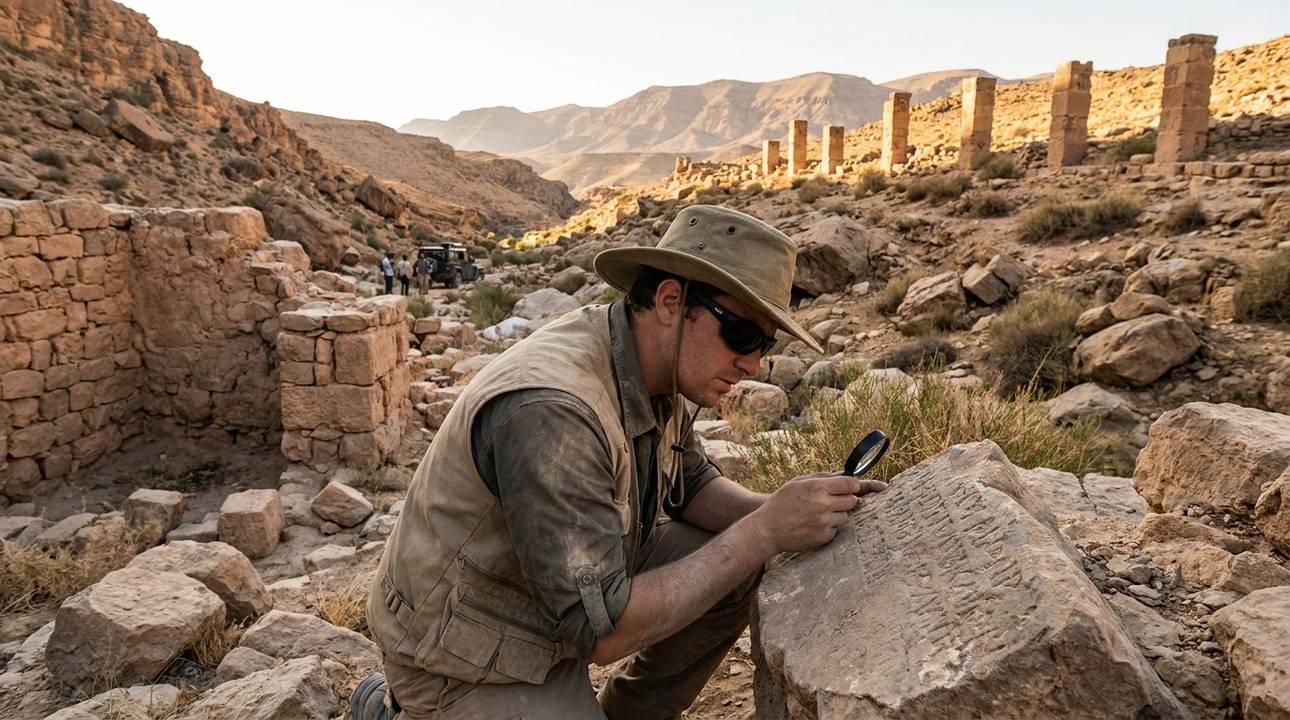
The role of this area is reflected in its continued relevance today. As a site of cultural importance, it offers a connection to the past, allowing modern visitors to engage with the stories and experiences of the region. Archaeological findings in the area provide tangible links to these narratives, with artifacts that shed light on the daily lives and practices of those who once traversed this landscape. The discovery of inscriptions and pottery fragments further enriches our understanding of the cultural exchanges that occurred in this region.
Understanding Wadi Zered
