
Exploring Historical Lands Through Pictures


A land of mystery and history, holds a special place in narratives, serving as the backdrop for many pivotal events. In this article, we unravel its significance through historical insights and pictures, exploring its role in stories like journeys and the Exodus. Discover how it connects with ancient stories and modern reflections, offering a window into the past. This exploration guides you through imagery and details that bring the past to life, revealing its enduring influence.
The region is often associated with promises and covenants, reinforcing its significance in heritage. The exploration through archaeological and historical lenses provides a deeper understanding of its role in shaping the narratives that is still remembered and guide people today. Its legacy is one of connection and continuity.
from the Western Wall to Masada.
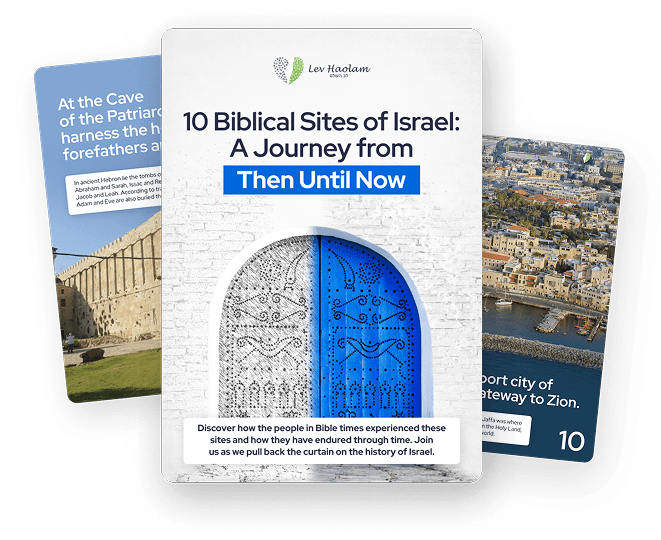
The promise is further emphasized in stories, symbolizing the connection between the land and aspirations. This narrative, along with archaeological findings, enriches our understanding of its legacy and importance in tradition.
What Was This Land in History?
Mentioned frequently in historical texts, it was inhabited by various peoples, known for their diverse cultures and languages.
Stretching from the Jordan River to the Mediterranean, it was strategically located, influencing trade and cultural exchanges. This geographical importance is highlighted through various passages that symbolize it as a place of opportunity and challenge.
Described in historical texts, it was a land of promise and challenge. Its strategic location made it a focal point for trade and cultural exchange, impacting the development of neighboring civilizations. The interactions with other cultures enriched society, as seen in their art and architecture, which reflect a blend of influences.
Geographical Significance
Located in what is now modern-day Israel and surrounding areas. Its varied topography included coastal plains, highlands, and fertile valleys, supporting agricultural development. These geographical features were important in the ancient economy and lifestyle. The landscapes were explored by the Israelites, revealing a land flowing with milk and honey. Despite political changes over centuries, these landscapes have remained integral to its historical narrative.
The strategic location at the crossroads of ancient trade routes made it a mix of cultures and ideas. This is evidenced by archaeological finds that show influences from Egypt, Mesopotamia, and other regions. The region’s fertile valleys, such as the Jezreel Valley, were crucial for agriculture, providing sustenance and prosperity to its inhabitants.
Who Were the Canaanites?
The Canaanites were a Semitic-speaking people inhabiting the region, known for their city-states, each often ruled by its own king. Cities like Ugarit and Byblos were centers of trade and culture, with temples dedicated to patron deities such as Baal and Asherah.
Understanding their culture, as recorded through archaeological findings, provides insight into their practices and beliefs. Artifacts reveal a complex society with advanced skills in pottery, metallurgy, and architecture, as evidenced by discoveries at sites like Megiddo.
Artifacts reveal a complex society with advanced skills in pottery, metallurgy, and architecture. Known for their intricate pottery designs and metalwork, they left behind tools and jewelry found at various archaeological sites.
Their architectural achievements include fortified cities and impressive temples, showcasing their engineering prowess. These findings offer a glimpse into the daily lives and practices of this ancient society, enriching our understanding of their world.
Architectural innovations, such as those found in the city of Jericho, one of the oldest inhabited cities, highlight the Canaanites’ ability to adapt and thrive in diverse environments. Their use of fortifications and urban planning reflects a sophisticated understanding of construction and defense strategies.
Role in Historical Stories
Features prominently in stories like journeys and the Exodus, shaping its legacy as both a prophetic and contested land. For Israelites, it symbolized a fulfillment of promise.
This promise led to tales of conquest and settlement, such as those in the book of Joshua, where the land is divided among the tribes of Israel. The historical context of these events provides depth to their continued significance today, highlighting themes of perseverance.
The division among the tribes of Israel illustrates the fulfillment of the promise. This process of settlement and conquest underscores the challenges faced by the Israelites, reinforcing the themes of perseverance that continue to resonate in tradition.
The historical context of these events provides depth to their continued significance today. The Exodus is a foundational narrative that underscores the importance of the land as a place of freedom and hope. These stories are commemorated in festivals and traditions, which celebrate the liberation and journey. The narratives are still remembered and resonate, offering lessons on perseverance.
The journey symbolizes the transition from slavery to freedom, a theme central to identity. This narrative is celebrated annually, reminding us of the enduring hope and promise associated with the land, and reinforcing the values of perseverance.

Archaeological Discoveries
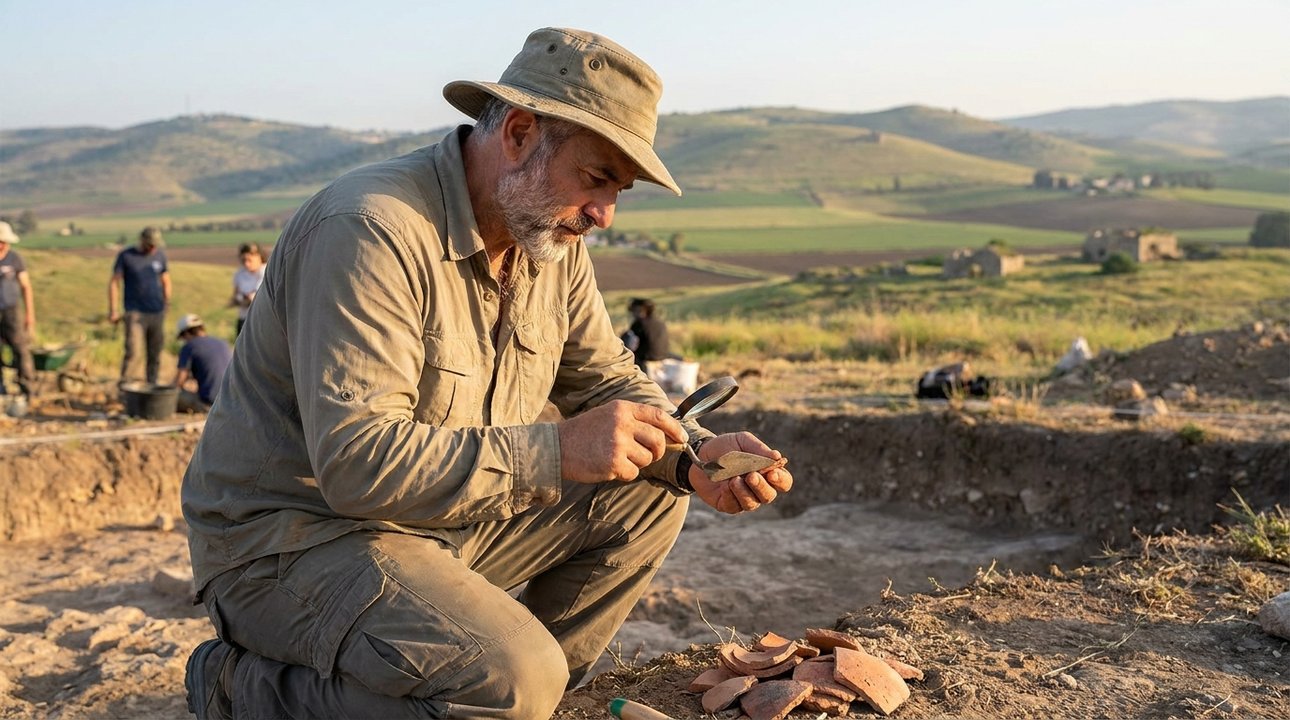
Recent excavations have uncovered remarkable artifacts that illuminate Canaanite life, revealing a civilization rich in culture and history. Among these discoveries are pottery pieces, which date back to the Bronze Age, showing daily life and trade. Tools and inscriptions have also been found, providing evidence of advanced skills in metallurgy and writing. These findings, some dating back to 3000 BCE, reveal a mix of cultural and economic activities.
from the Western Wall to Masada.
The discovery of pottery with distinctive designs highlights the artistic achievements of the Canaanites. Inscriptions found at sites like Lachish offer glimpses into their use of early writing systems, contributing to our understanding of their communication and record-keeping practices.
Such findings reveal a mix of cultural and economic activities, highlighting the role as traders and artisans. Continued archaeological efforts, like those at Tel Megiddo, foster a deeper understanding of this historical land. These efforts not only uncover the past but also help preserve the cultural heritage for future generations. The discoveries contribute to our knowledge of its influence on neighboring regions and its place in the ancient world.
Tel Megiddo was a significant city, known for its strategic military and trade importance. Excavations there have unearthed layers of history, revealing insights into society and its interactions with other cultures. These findings help us appreciate the complexity and richness of its history.
Cultural Memory
Legacy endures in cultural and religious tradition, deeply woven into the fabric of identity. Songs and prayers, such as those found in the Psalms, celebrate its role as a land of promise and history.
Stories from the Torah highlight its significance. These cultural expressions keep the connection to ancestral roots alive for generations, ensuring that the lessons and values of the past continue to resonate today.
The legacy is also reflected in the liturgy, where references evoke themes of hope and perseverance. The story of conquest serves as a reminder of the struggles and triumphs associated with the land, reinforcing its place in history and identity.
Through imagery and tradition, it remains a vital part of the narrative, symbolizing the enduring connection to the land. It is referenced in festivals, which commemorate the Exodus and the Israelites’ journey.
This connection is further celebrated during harvest festivals, where the harvest and bounty are honored. These traditions reinforce the cultural ties, making it an ever-present element in life.
Significance is also highlighted in harvest celebrations, which mark the giving of the first fruits and link the land to agricultural abundance. These celebrations remind us of the historical journey and the promise as a land of fulfillment and hope.

Today
Today, the historical regions are part of Israel and neighboring lands, continuing to draw interest both culturally and archaeologically. Sites like Jericho and Jerusalem offer glimpses into the ancient world, attracting scholars and tourists alike.
Modern efforts to preserve its legacy focus on balancing tourism with historical integrity, ensuring that these sites remain accessible while protected. The past informs present-day cultural engagements, connecting people to heritage and history.
The past informs present-day cultural engagements, connecting people to heritage. The region’s archaeological sites, such as Hazor and Gezer, provide rich insights into historical societies.
These sites are crucial for understanding the historical context of events, offering a tangible link to the stories that have shaped identity. Preservation efforts ensure that this heritage remains a living part of the cultural landscape, fostering a deeper appreciation for the past.
The preservation of sites like Hazor allows us to explore the architectural and cultural achievements. These efforts not only protect the physical remnants of history but also promote an understanding of the complex interactions between historical societies, enriching our appreciation of its legacy.
Lev Haolam: Connecting with History
Through Lev Haolam, you can experience a connection to the region by supporting Israeli artisans. Each subscription box is a gateway to unique products that reflect the area’s history. By contributing to small businesses, you help sustain families and preserve cultural heritage. Let these curated items deepen your bond with this storied landscape.
Supporting Israeli artisans through Lev Haolam not only connects you to this historic region but also to the people who continue its legacy today. Each product tells a story, much like the tales where diverse cultures thrived. By choosing these items, you participate in a tradition of craftsmanship known for their artistry and trade. Each box may feature a selection such as artisan foods, handcrafted goods, cosmetics, or cultural items, and contents vary.
Cultural and Historical Insights
