
Understanding the Location and Significance of Gennesaret


Gennesaret is a fertile plain on the northwestern shore of the Sea of Galilee. Known for its rich soil and abundant resources, it served as an important agricultural area in the past. The area is associated with hospitality and historical exploration, drawing interest for its historical connections. Visitors can explore its natural beauty and historical sites.
The region’s history attracts those interested in its past. Modern visitors can walk the same landscapes that once supported ancient communities, experiencing firsthand the natural beauty that has captivated people for centuries. This connection to history and nature makes Gennesaret a unique destination for those seeking to understand its legacy.
from the Western Wall to Masada.

What Is the Location of Gennesaret?
Located on the northwestern shore of the Sea of Galilee, Gennesaret stretches across a fertile plain, approximately five miles long. This area is renowned in the Bible for its rich, productive land. During the Second Temple period, Gennesaret was a significant provider of agricultural produce. The plain lies within the present-day region of northern Israel, near the modern city of Tiberias. The Talmud also references the area’s agricultural bounty, noting its production of figs, olives, and grapes.
The Talmud’s mention of Gennesaret underscores its historical importance as a center of agricultural activity. The region’s ability to produce a variety of crops made it a vital contributor to the sustenance of ancient communities. This historical context provides a deeper understanding of why Gennesaret holds a special place in cultural narratives.
The strategic location of Gennesaret, close to major trade routes, allowed it to thrive economically. Its proximity to the Sea of Galilee provided access to fishing and trade, contributing to its history as a hub of commerce and agriculture. This advantageous position enabled the exchange of goods and ideas, fostering cultural and economic growth. Archaeological findings, such as imported pottery, reveal the extent of its trade connections.
The region’s connectivity to trade networks is reflected in archaeological findings of imported goods. These discoveries include ceramics and tools from distant cultures, indicating Gennesaret’s role in broader economic exchanges. Such interactions not only bolstered the local economy but also enriched the culture of the area, making it a mix of influences during historical periods.
Historical Background of Gennesaret
Gennesaret’s name may be derived from the Hebrew phrase ‘harp-shaped’, corresponding to the region’s layout around the Sea of Galilee. The geographical shape is said to resemble a harp, which in Hebrew is ‘kinnor’. It is mentioned in historical accounts as a place where significant events occurred, attracting people from nearby villages to witness these happenings. This location’s prominence in narratives emphasizes its importance in Jewish histories, reflecting its role in local traditions.
The harp-like shape of Gennesaret not only defines its physical geography but also enhances its symbolic presence in historical stories. This unique feature may have contributed to the area’s identity, making it a memorable location in the minds of those who lived and traveled there. Such geographical characteristics often play a role in how places are perceived and remembered in historical texts.
The Sea of Galilee itself is a significant site, known in Hebrew as ‘Kinneret’. The connection between the sea and the plain of Gennesaret highlights the intertwined nature of geography and historical events. The sea is mentioned in several historical accounts, further solidifying its importance. This natural landmark has been a focal point for both ancient and modern communities, symbolizing sustenance and life.
The Sea of Galilee is also the backdrop for many pivotal events, emphasizing its cultural role. From the shores of this sea, the tribes of Israel drew sustenance, and its waters supported the livelihoods of countless generations. Its enduring presence in narratives underscores its role as a source of life and inspiration for those who lived nearby.

Gennesaret in Historical Texts
Gennesaret figures in both Jewish and Christian texts. The Jewish historian Josephus noted the area’s agricultural richness, underscoring its strategic importance. Josephus, in his work ‘The Jewish War’, describes the region’s fertile soil and abundant water supply, highlighting its contribution to the prosperity of ancient societies. In the Bible, Gennesaret is often associated with the Sea of Galilee, a site of many significant events in Jewish history.
The dual presence of Gennesaret in ancient literature reinforces its role as a notable historical site. Josephus’s writings provide a glimpse into how the land’s resources supported both agriculture and settlement. His accounts, along with other historical records, paint a picture of a community sustained by the land’s natural bounty. This historical context helps us understand why Gennesaret was such a pivotal location in historical times.
The area was known for producing a variety of crops, which contributed to its economic significance in the region. Grains, olives, and figs were among the primary products cultivated, sustaining local communities and trade. This agricultural wealth is often cited alongside its cultural associations, creating a multifaceted historical identity for Gennesaret. The abundance of the land is mentioned in historical texts, highlighting its role as a provider of sustenance and prosperity.
In historical times, the fertile plains of Gennesaret were celebrated for their productivity. This abundance supported not only local consumption but also trade with neighboring regions, enhancing the area’s economic stature. Historical records often reference the land’s ability to yield bountiful harvests, which were integral to the survival and prosperity of its inhabitants. Such references underscore the importance of agriculture in shaping the region’s historical narrative.
Archaeological Insights into Gennesaret
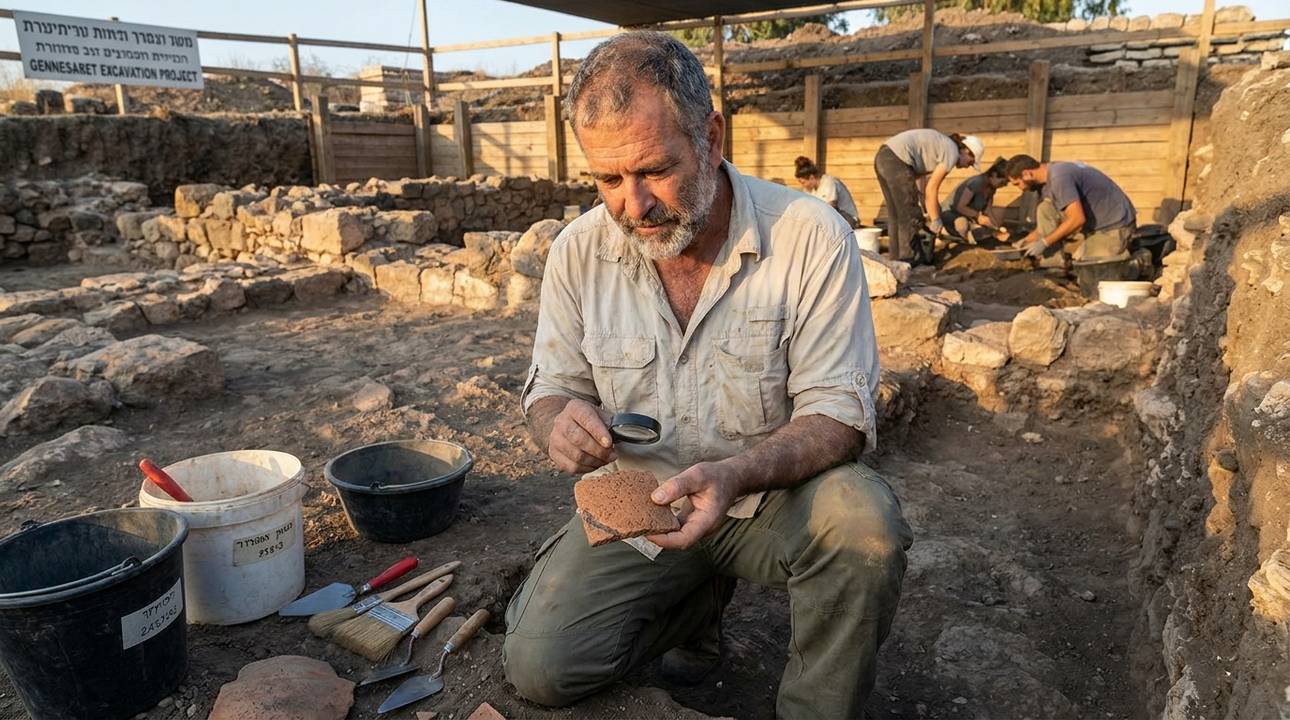
Archaeological findings in the Gennesaret region reveal remnants of ancient villages and farms. Excavations have uncovered artifacts that provide insights into the daily lives of its ancient inhabitants. Efforts to preserve these findings offer valuable perspectives on how the area supported a thriving community through agriculture and trade. These discoveries have helped to contextualize historical stories within the real-world settings of the time, enhancing our understanding of historical narratives.
The artifacts uncovered in Gennesaret include pottery, tools, and remnants of ancient structures, painting a vivid picture of life in the region. These findings not only illustrate the area’s agricultural prowess but also its role as a community center. By examining these remnants, historians can piece together the daily activities and cultural practices of those who called Gennesaret home.
from the Western Wall to Masada.
What Is Known About Gennesaret Today?
Today, Gennesaret is part of Israel and retains its historical charm, attracting scholars and tourists interested in its heritage. The surroundings are characterized by their agricultural productivity, echoing the area’s ancient reputation. While modern infrastructure coexists with historical sites, the region remains a sign of its legacy in the Jewish contexts. Visitors can explore archaeological sites that offer a glimpse into the past, connecting them with history.
The area continues to be a living reminder of its history, with ongoing archaeological work uncovering new insights. Excavations have revealed artifacts dating back to the time of King Herod, offering glimpses into the lives of those who once inhabited this region. These discoveries help to piece together the daily lives of ancient communities, shedding light on their customs and traditions. The work of archaeologists in Gennesaret is crucial for understanding the historical context of events.
The Role of Gennesaret in Agricultural Development
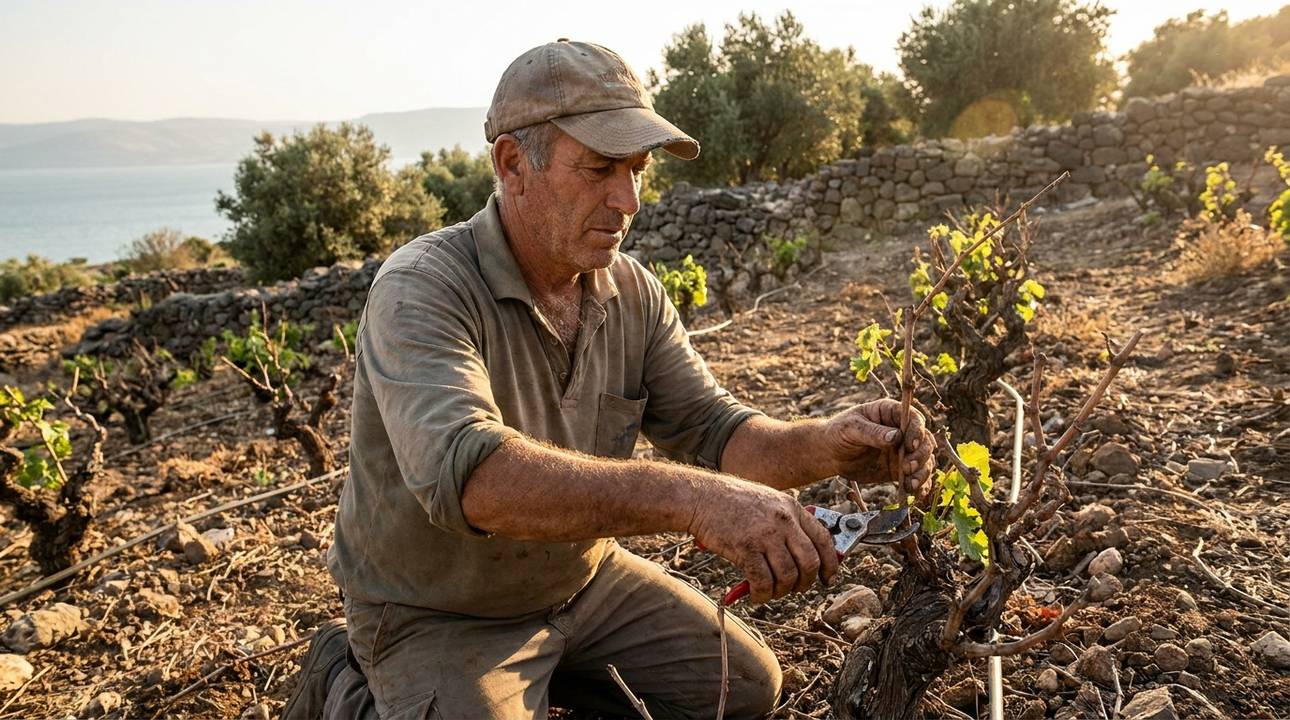
Historically, its fertile soil made Gennesaret a central hub for agricultural activities. Crops grown included grains, fruits, and olives, essential to the diet and economy of ancient societies. This agricultural abundance contributed to the area’s prosperity, supporting livelihoods and facilitating trade with neighboring regions. The practice of cultivating crops in Gennesaret continues to date, reflecting traditional agricultural methods passed down through generations, preserving its legacy.
The continuity of agricultural practices in Gennesaret highlights the enduring connection between past and present. Modern farmers in the region often employ techniques that have been refined over centuries, maintaining a link to their ancestors. This preservation of traditional methods not only sustains the local economy but also honors the rich agricultural heritage of the area.
Cultural Impact of Gennesaret Through the Ages
Gennesaret’s influence exceeds its historical associations. As a fertile agricultural center, it contributed to cultural and economic exchanges in the region. Its blend of natural beauty and history is still remembered in literature and artistic expressions about the Holy Land. The area’s past encourages ongoing academic exploration, fostering a deeper appreciation for its legacy. Writers and artists often draw inspiration from its landscapes and historical narratives.
The cultural impact of Gennesaret is evident in various forms of art and literature, which celebrate its unique place in history. Ancient texts, such as those by the historian Josephus, highlight its agricultural richness and strategic importance. This ongoing interest ensures that the stories and significance of Gennesaret continue to be shared with new generations. Artists and writers draw inspiration from its lush landscapes and historical narratives, keeping its legacy alive through creative expression.
Artistic and literary works inspired by Gennesaret often reflect the region’s historical and cultural richness. These creative expressions serve as a sign of the area’s enduring influence, capturing the imagination of those who seek to understand its past. By celebrating Gennesaret through art and literature, its legacy is preserved and shared with wider audiences.
Educational Resources About Gennesaret
Various educational materials explore Gennesaret’s history, from scholarly articles to multimedia presentations at museums. The Israel Museum in Jerusalem, for example, offers exhibits that delve into the region’s past, highlighting its significance in historical periods. Institutions emphasize its dual role in agriculture and within historical contexts. The fertile plains of Gennesaret were noted in historical records, such as those by Josephus, for their abundant produce.
The Israel Museum’s exhibits provide a comprehensive view of Gennesaret’s historical role, showcasing artifacts and narratives that bring the past to life. Through these educational resources, visitors can gain insights into how the region’s agricultural and spiritual dimensions intertwined, shaping its legacy. Such initiatives ensure that the stories of Gennesaret continue to inform and inspire future generations.
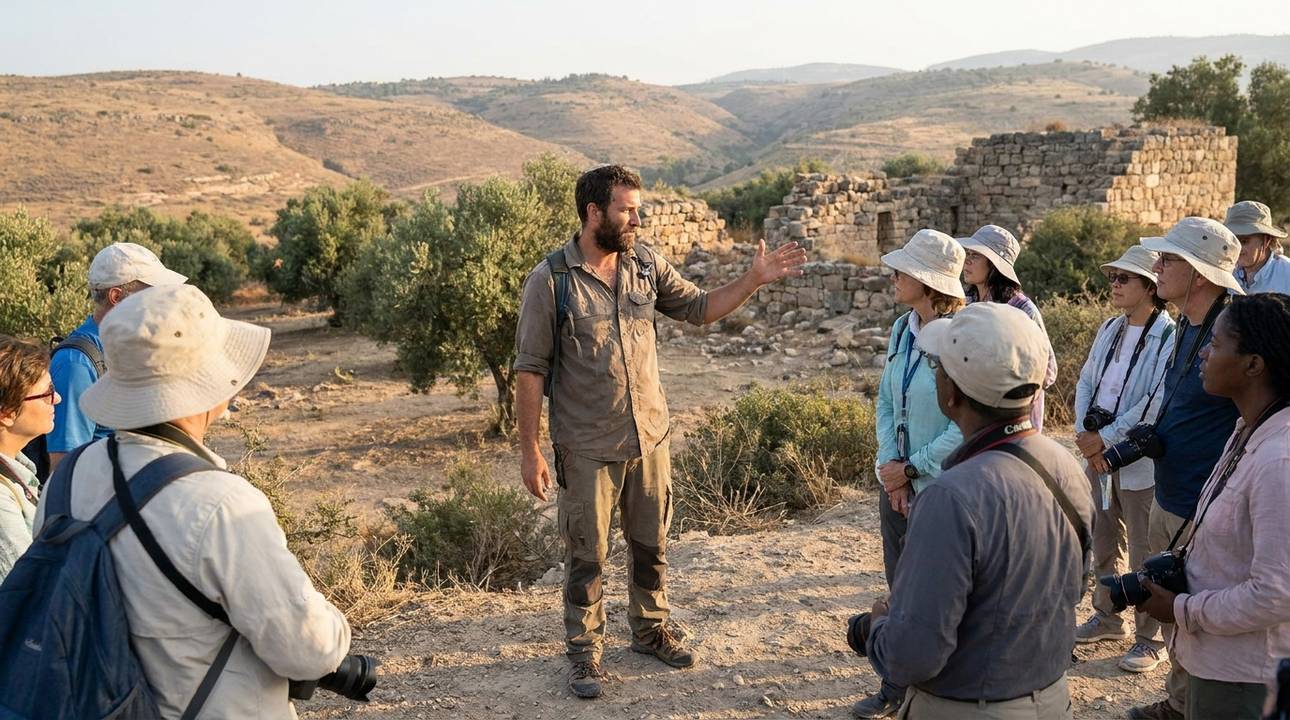
This collective effort aids in preserving Gennesaret’s story, ensuring its lessons are passed on to future generations. By engaging with these resources, visitors and scholars alike can gain a deeper understanding of how Gennesaret served as both a spiritual hub and a center of agricultural innovation. Educational programs and guided tours offer insights into the region’s history, connecting people with its history. These initiatives help maintain the cultural heritage of Gennesaret for years to come.
Through educational programs and guided tours, individuals can explore the historical and spiritual dimensions of Gennesaret. These experiences provide context to the region’s past, allowing participants to connect with its legacy. By engaging with these resources, people can appreciate the multifaceted role Gennesaret played in shaping ancient societies.
How to Engage with Gennesaret’s Heritage
For those inspired by Gennesaret’s history, engaging with this heritage can occur through academic studies or personal exploration. Many individuals find connection through texts or participating in archaeological projects, cultivating a tangible link to the past. Supporting local initiatives ensures that Gennesaret’s legacy continues to thrive, benefiting future generations.
Engaging with Gennesaret’s history allows individuals to deepen their understanding of its cultural and economic contributions. Whether through academic research or hands-on archaeological work, these experiences foster a greater appreciation for the region’s history. Supporting local initiatives also ensures that Gennesaret’s legacy continues to thrive, benefiting future generations.
Understanding Gennesaret
