
Salim in the Bible: Unveiling Its Historical Impact


Salim is a subject of intrigue and history. Often mentioned in historical texts, it holds a place of cultural relevance. This article delves into its location, historical references, and its role in Jewish tradition, offering readers a deeper understanding of what Salim represents. The connection to peace and completeness is a recurring theme in Jewish teachings.
What Is Salim in the Bible?
Salim is mentioned as a notable location in historical narratives. It is associated with regions significant in Jewish history. Its name is found in connection with key events and is thought to be a place of peace or completeness, central to many stories.
The exact identification of Salim has been debated, with some sources linking it to areas around Judea.
from the Western Wall to Masada.

Where Is Salim Located?
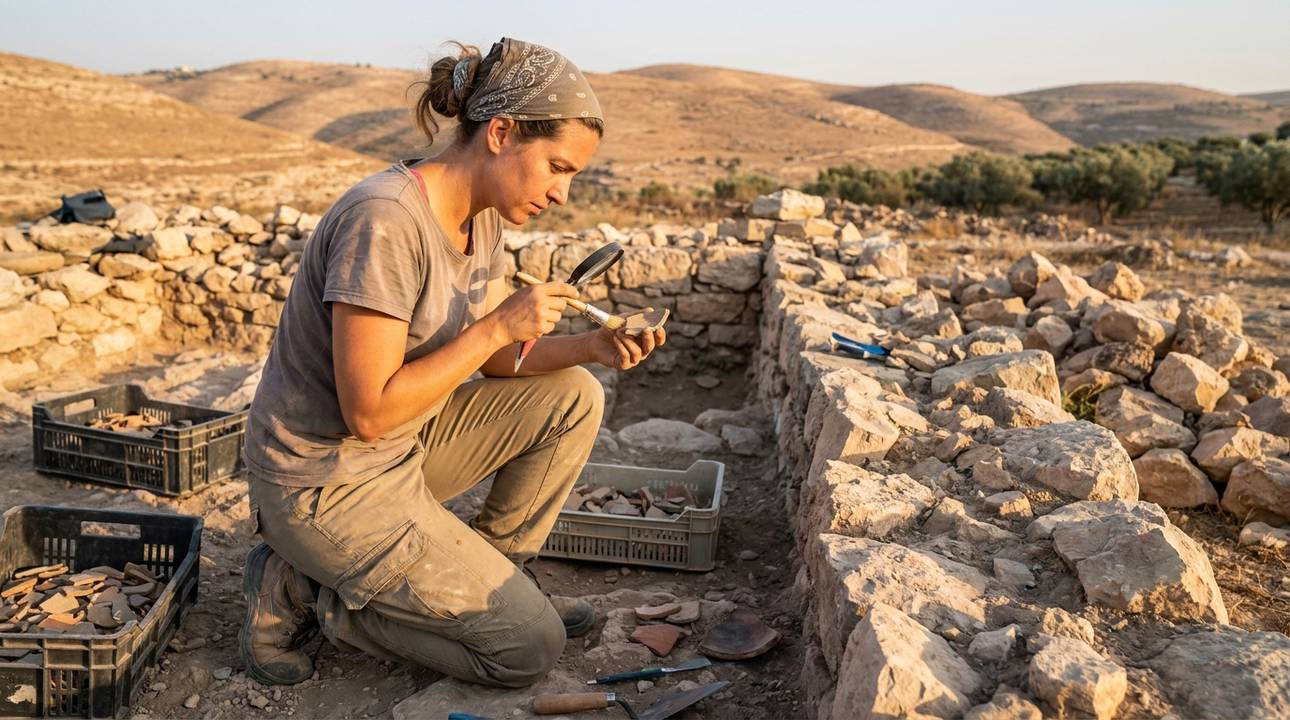
Salim is believed to be located in the region of Judea, a significant area in the historical world. Judea is known for its historical importance, being the backdrop for many events.
This region played a crucial role in history and was home to many historical figures and events. Despite debates about its exact location, Salim’s association with Judea is widely accepted.
Understanding the geographical context of Salim provides insight into its significance. It was a part of the landscape that shaped many narratives of historical importance. Judea, where Salim is believed to have been located, is central to numerous events.
Consider the stories of the early Israelite kingdom, which are set in Judea. This context enriches the understanding of Salim’s role.
Its location within Judea highlights its relevance in the broader narrative. The proximity to Jerusalem, a pivotal city in Jewish history, underscores Salim’s importance. Judea was the center of many key events.
This geographical connection is reflected in various accounts, which detail the region’s historical context.
Historical References to Salim
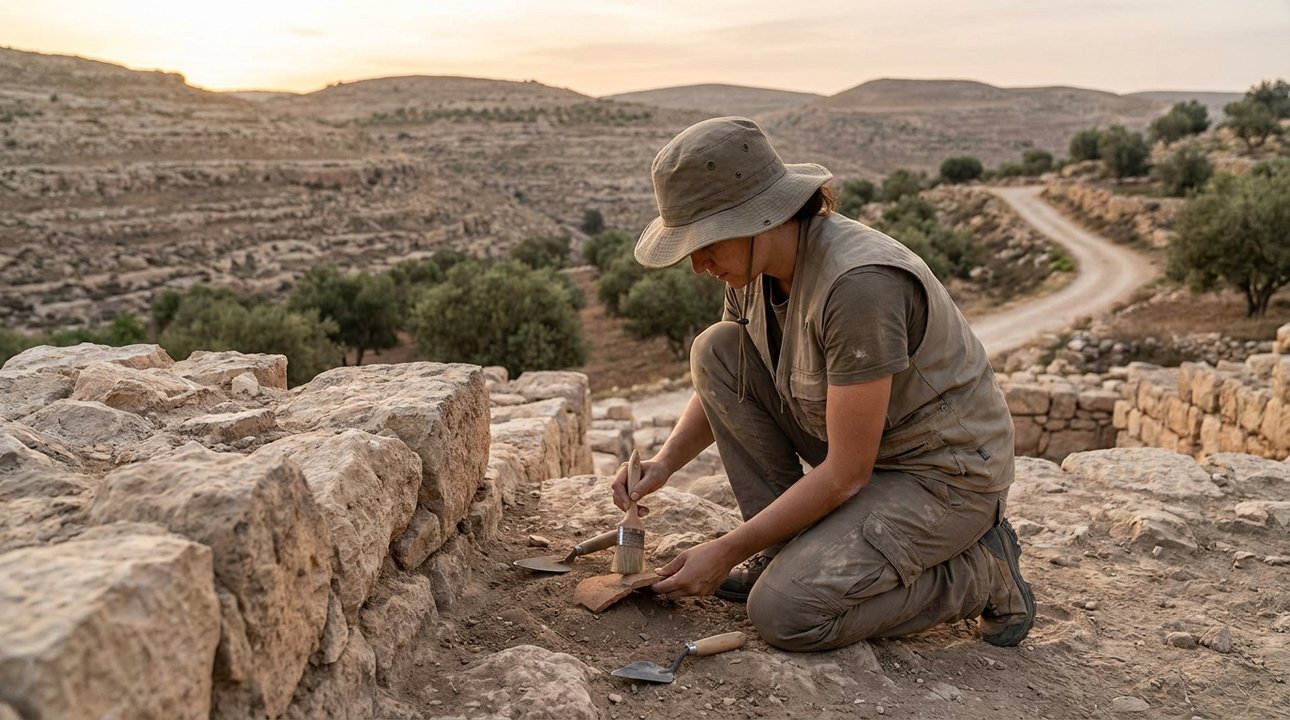
Salim is often referenced in historical texts, showing its significance in various narratives. One notable account includes its mention alongside significant events and figures, providing context to its role. These references help paint a picture of its importance in the historical world.
The presence of Salim in these texts demonstrates its relevance and varying roles. Each mention contributes to our understanding of its historical place within Judaism. Such connections offer valuable insights into its importance, highlighting its role as a symbol of harmony.
Salim’s mention further illustrates its importance in history. This association emphasizes the city’s role in early narratives, offering a glimpse into the cultural landscape of the time.
Through these stories, Salim remains a vital part of Jewish heritage.
Salim in Jewish Tradition
In Jewish tradition, Salim carries a wealth of cultural relevance. Its mention in historical texts has influenced many traditional narratives and interpretations. Understanding its role helps in connecting deeper with Jewish history and heritage, showing the values and beliefs that have shaped Jewish identity.
For instance, Salim is sometimes associated with the city of Jerusalem, a place of profound historical importance. These narratives enrich the mix of Jewish tradition and underscore Salim’s legacy. The parallel with Jerusalem highlights its role in history.
The associations of Salim include themes of peace and completeness. These themes resonate within the broader framework of Jewish teachings, such as the concept of “shalom bayit” (peace in the home), which emphasizes harmony and unity.
Salim embodies these ideals, connecting historical narratives.
They help connect the historical Salim to the spiritual ideals held by Jewish communities. Salim, often linked to the concept of “shalom” (peace), embodies themes of harmony and completeness.
By embodying these themes, Salim serves as a reminder of the values that underpin Jewish life and practice. This is further reflected in Jewish prayers and rituals that seek peace and wholeness for individuals and communities alike, such as the prayer for peace, “Oseh Shalom.”
from the Western Wall to Masada.
Archaeological Insights into Salim
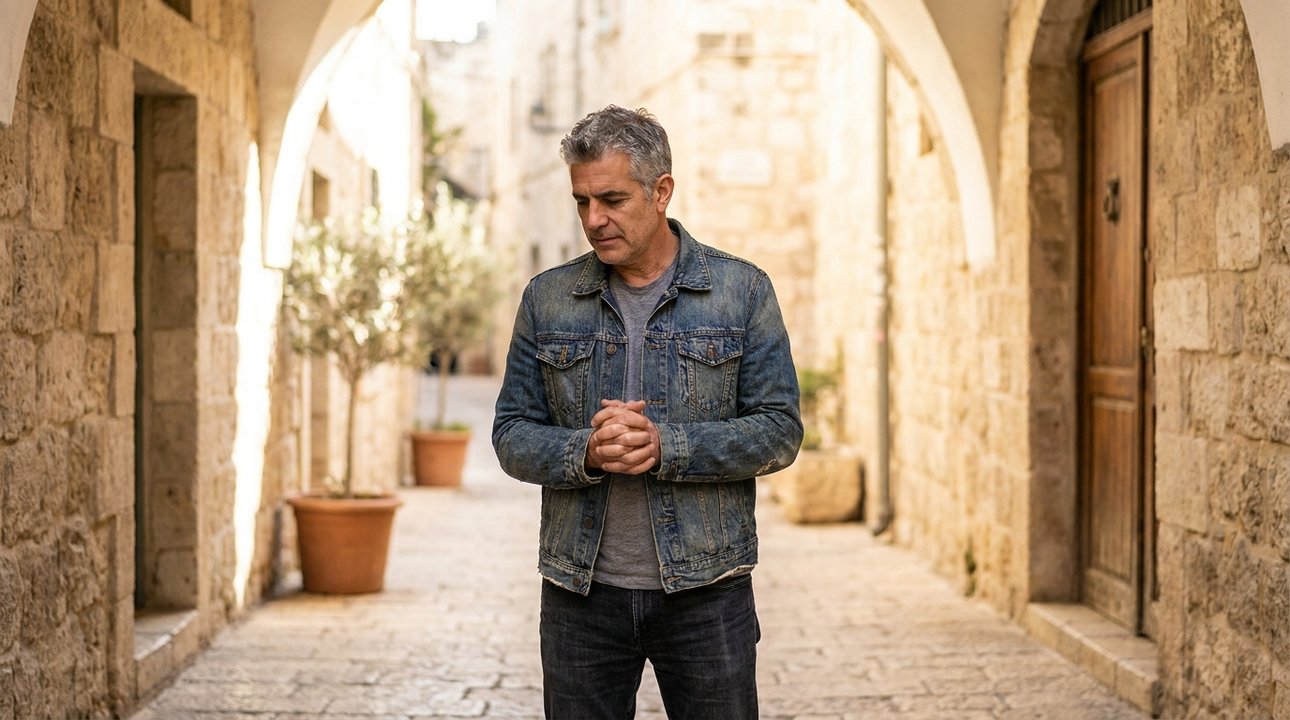
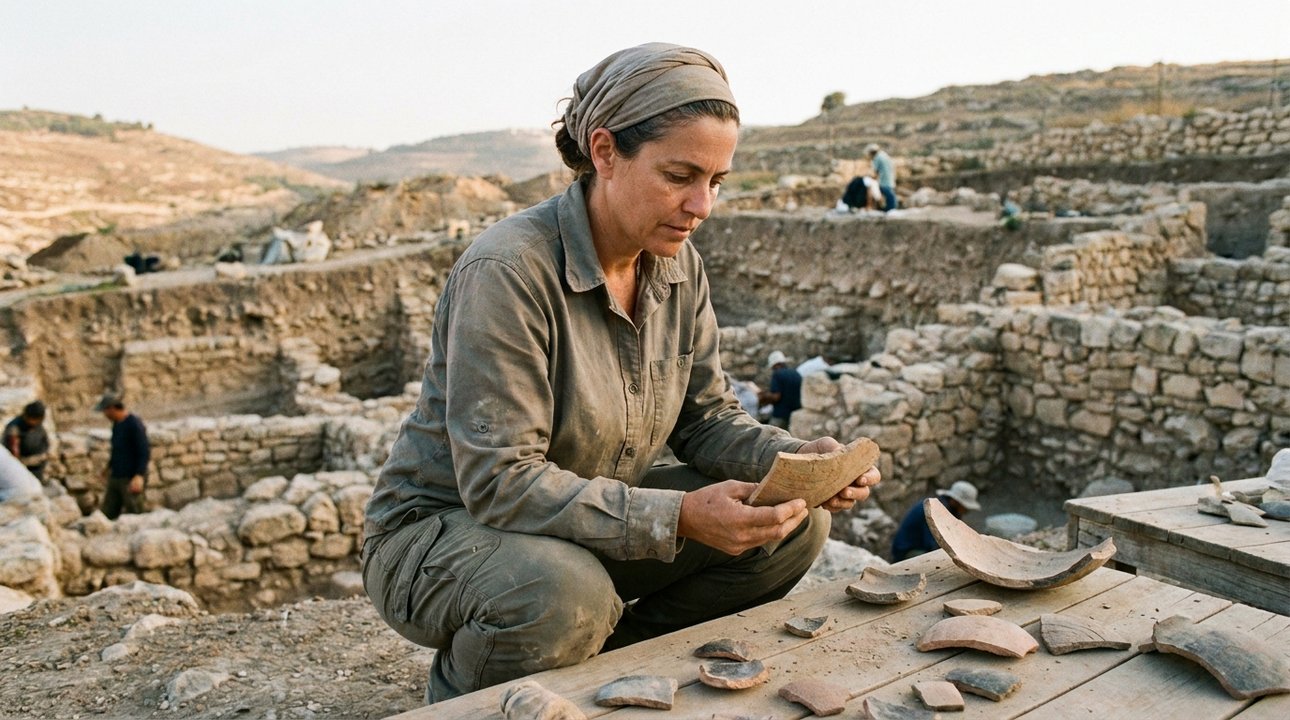
Archaeological studies concerning Salim offer a glimpse into its past. Excavations in the Judean region have uncovered artifacts such as pottery and ancient tools, which enrich our understanding of life during historical times.
These findings provide context for the everyday lives of those who lived in or near Salim, offering a tangible connection to the narratives. The artifacts reveal insights into the culture and practices of the period.
These archaeological efforts help locate Salim’s historical footprint, even though the exact site is still debated among scholars. Excavations in Judea have uncovered artifacts like pottery and tools, shedding light on ancient life.
The discoveries contribute to a broader picture of the region’s history, as seen in other nearby sites. Such studies illuminate the cultural and historical backdrop of Salim.
Explorations in Judea continue to reveal connections to various historical locations. While specific findings directly tied to Salim might be limited, the region’s broader studies suggest a rich context. Sites like Jericho and Hebron have yielded significant archaeological discoveries.
These findings contribute to the broader historical narrative.
These insights assist in framing Salim within its historical landscape. By examining the region’s archaeological and textual evidence, scholars can piece together the cultural and history of Salim. Discoveries in nearby areas provide context. This process helps illuminate the broader narrative of the Judean region, offering a deeper appreciation of its impact on Jewish history.
Cultural Impact of Salim Today
Today, Salim continues to be a symbol of cultural heritage. Its legacy influences contemporary Jewish thought and traditions, as seen in many Jewish texts and teachings.
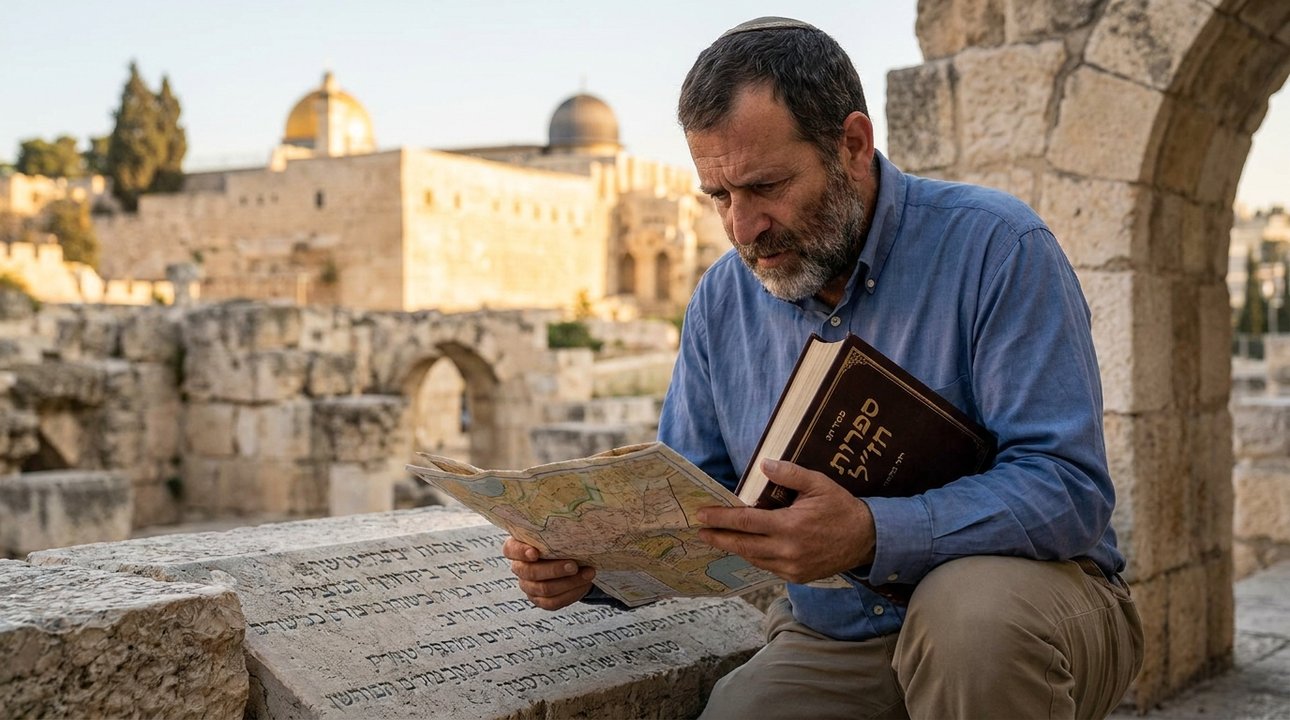
For instance, the Talmud often references locations like Salim to discuss ancient laws and customs. As an enduring symbol, Salim connects past narratives with modern Jewish identity, providing a link between historical events and today’s cultural practices.
Salim’s mention underscores its historical importance. This reference highlights the city’s role in early history and its continued relevance in Jewish traditions.
By understanding Salim’s place in these stories, one can appreciate its lasting impact on Jewish identity and culture. The connection to peace and hospitality enriches its legacy.
Modern interpretations of Salim reflect its role in Jewish cultural imagination. These interpretations often emphasize themes of peace and fulfillment, resonating with the Hebrew word “shalom,” meaning peace.
Salim’s influence remains strong in both scholarly and cultural discussions, inspiring ongoing dialogue about its significance.
In rabbinical literature, Salim is sometimes linked to Jerusalem, a city central to Jewish history. This association symbolizes a place of presence and peace. Through these interpretations, Salim is still remembered for thoughts on harmony and wholeness. The connection with Jerusalem underscores its importance in Jewish tradition and its legacy.
Understanding Salim
