
Discovering the Significance of Calneh in the Bible


Calneh is mentioned as one of the cities founded by Nimrod, a notable figure in early texts. Nimrod, a descendant of Ham, was a leader and hunter. It is an important reference in historical accounts, linking to early civilizations such as those in Mesopotamia. This article explores its historical context, history, and what modern archaeology has revealed about this intriguing location.
The city of Calneh, along with Babel, Erech, and Accad, reflects the early spread of human civilization across the Fertile Crescent. These cities were centers of trade, culture, and innovation.
Understanding Calneh’s role helps us learn about the dynamics of ancient Mesopotamian societies and their contributions to human history. Archaeological evidence from nearby sites provides insights into the region’s technological advancements, such as the development of irrigation systems.
from the Western Wall to Masada.

While much remains to be discovered, each piece of evidence adds to our understanding. The city’s potential connections to trade networks and cultural exchanges highlight its significance in human development during this formative period.
What Is Calneh in the Bible?
Calneh is first mentioned within the list of cities established by Nimrod in the land of Shinar. It is part of a group comprising Babel, Erech, and Accad. This places Calneh in a region central to early Mesopotamian culture, contributing to its historical prominence.
The location of Calneh is often debated, but it is generally associated with the area corresponding to modern-day Northern Syria or southeastern Turkey, near the Euphrates River.
This strategic position would have facilitated trade and cultural exchanges with neighboring regions, enhancing its significance in the ancient world.
The land of Shinar is often equated with Sumer, an early civilization known for its innovations in writing and architecture. Sumerians are credited with creating cuneiform, one of the earliest forms of writing, around 3200 BCE. Understanding Calneh’s place within this context helps illuminate the development and cultural exchange in the ancient Near East.
The city likely played a role in the trade networks that connected various cultures, facilitating the exchange of goods and ideas.
This interconnectedness contributed to the technological and cultural advancements that characterized the region during this period.
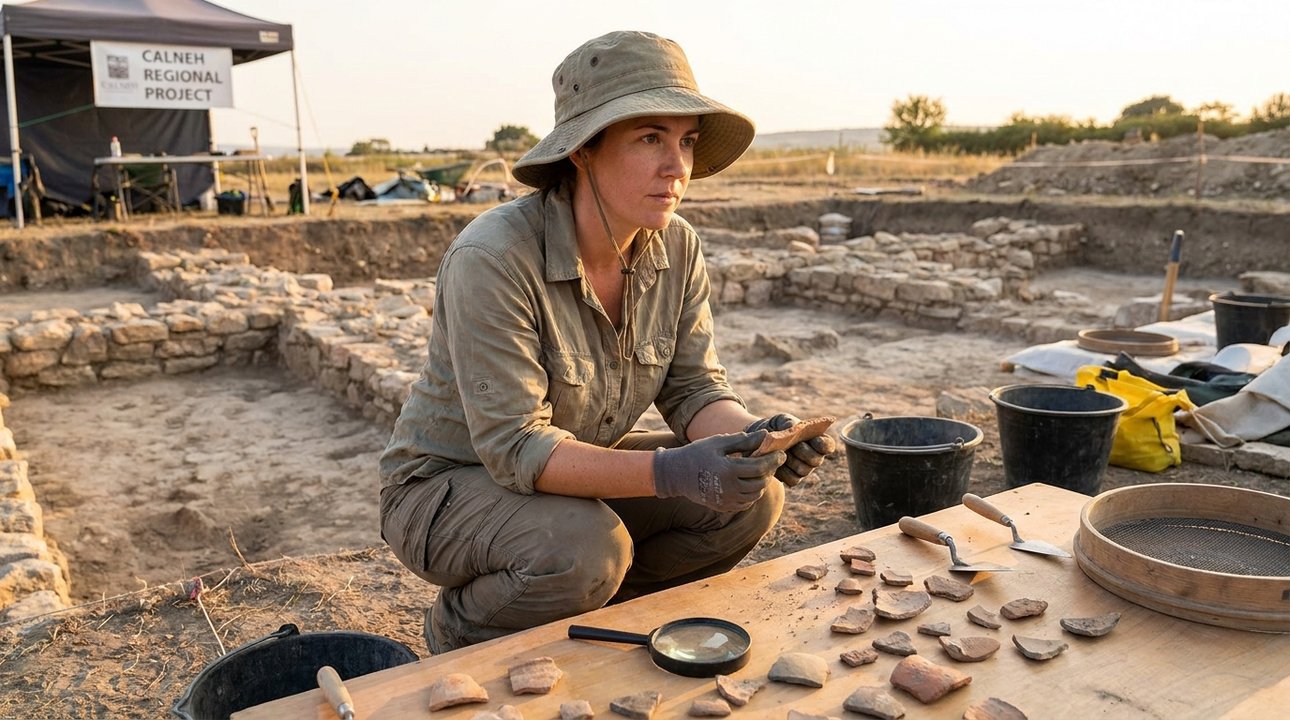
Calneh’s Role in Early Civilizations
Apart from its historical mentions, Calneh holds a place in the broader context of Mesopotamian history. It was part of regions known for early urbanization, trade, and cultural exchange.
The description of Nimrod’s empire highlights the city’s importance in the formation of early civilizations, bridging different cultures through trade and conquest.
This region was a hub of innovation, influencing societies far beyond its borders, as seen in the spread of cuneiform writing.
The advancements in agriculture, writing, and governance that emerged from Mesopotamia set the stage for future empires, with Calneh potentially playing a role in these transformative developments.
Mesopotamia, often called the ‘Cradle of Civilization,’ was home to many firsts, including the earliest known form of writing, cuneiform. Calneh was likely part of this cultural and technological flourishing.
The exchange of goods and ideas across Mesopotamia laid the groundwork for future empires, with Calneh potentially playing a role in these transformative processes. Innovations in agriculture and trade from this region were crucial in shaping the development of early societies.
The city’s strategic location along trade routes may have facilitated interactions with other cultures, contributing to the spread of technological advancements. This interconnectedness was a key factor in the rise of powerful empires that would dominate the region for centuries.
Although archaeological evidence directly detailing Calneh is limited, the surrounding regions provide clues to its historical context. Babel and Erech help us infer the likely scale of Calneh and its socio-political structures.
These locations were known for their impressive architecture and complex societies, suggesting that Calneh might have shared similar characteristics, including monumental buildings and organized governance.
Babel is described as a city with a tower reaching the heavens, illustrating the ambition and architectural prowess of the time. Erech, known as Uruk, was a major city in Sumer, featuring extensive walls and temples.
Such descriptions provide a framework for imagining Calneh’s potential grandeur and influence in the ancient world, even if direct evidence remains elusive. These cities’ achievements in architecture and governance highlight the sophistication of early Mesopotamian civilizations.
The architectural achievements of Babel and Erech reflect the advanced engineering skills of their inhabitants, suggesting that Calneh might have shared similar attributes. These insights contribute to our understanding of the cultural and technological landscape of the time.
The broader Mesopotamian region, where Calneh was located, was a cradle of civilization. This area, often referred to as the Fertile Crescent, saw the rise of early cities and cultures.
Archaeological findings from nearby sites reveal advanced urban planning and trade networks, indicating that Calneh likely participated in these early developments.
The grandeur of Ur and Nineveh highlights the potential sophistication of Calneh, even if direct evidence is scarce.
The region’s innovations in governance and architecture would have influenced the development of Calneh, contributing to its history within the ancient world.
The lack of direct evidence from Calneh itself leaves room for speculation, but the context of its neighboring cities provides valuable insights. Excavations in places like Uruk have uncovered ziggurats and cuneiform tablets, suggesting that Calneh might have had similar features.
These cultural and technological advancements were pivotal in shaping the ancient world, hinting at the possible role Calneh played within this influential region. Such discoveries offer a glimpse into the daily lives of its inhabitants.
The presence of ziggurats and other monumental structures in nearby cities suggests that Calneh may have also been a center of religious and administrative activity. This potential role would have contributed to its importance within the broader landscape of early Mesopotamian civilization.
from the Western Wall to Masada.
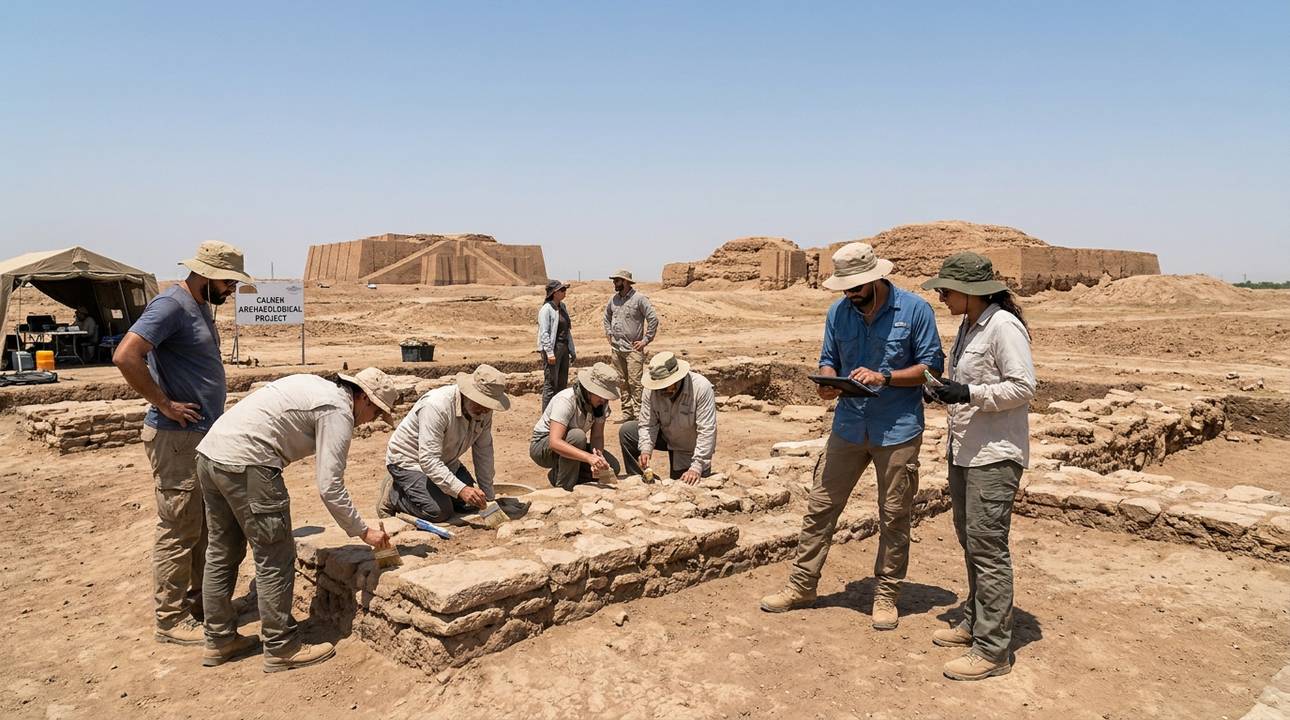
Calneh and Nimrod’s Legacy
Nimrod is described as a mighty hunter and ruler, credited with establishing several influential cities. Calneh’s inclusion in his empire speaks to its significance at the time. This city, although less documented than others like Babel, reflects the early stages of empire-building. Nimrod’s story intertwines with Calneh’s history, contributing to our understanding of leadership and expansion in ancient Mesopotamia.
His ability to consolidate power and influence over diverse regions highlights the complexity and ambition of early rulers in shaping their domains.
The Bible portrays Nimrod as a powerful figure whose influence extended across the land of Shinar. His ability to unite and govern diverse peoples marks a pivotal moment in history.
Calneh’s role in Nimrod’s empire suggests it was a strategic location, possibly serving as a trade hub or administrative center. This highlights the interconnectedness of early Mesopotamian cities and their shared cultural heritage, which played a crucial role in the region’s development.
The city’s inclusion in the list of cities associated with Nimrod underscores its importance in the broader geopolitical landscape of the time.
This interconnectedness facilitated the exchange of goods, ideas, and cultural practices, contributing to the region’s prosperity and growth.
The descriptions of Nimrod not only highlight his prowess as a mighty hunter but also underscore the centrality of Calneh in shaping regional power dynamics during that era.
Calneh, along with Babel, Erech, and Akkad, formed the beginning of Nimrod’s kingdom in the land of Shinar. This area, rich in fertile land and strategic location, enabled the growth of powerful city-states that influenced the surrounding regions.
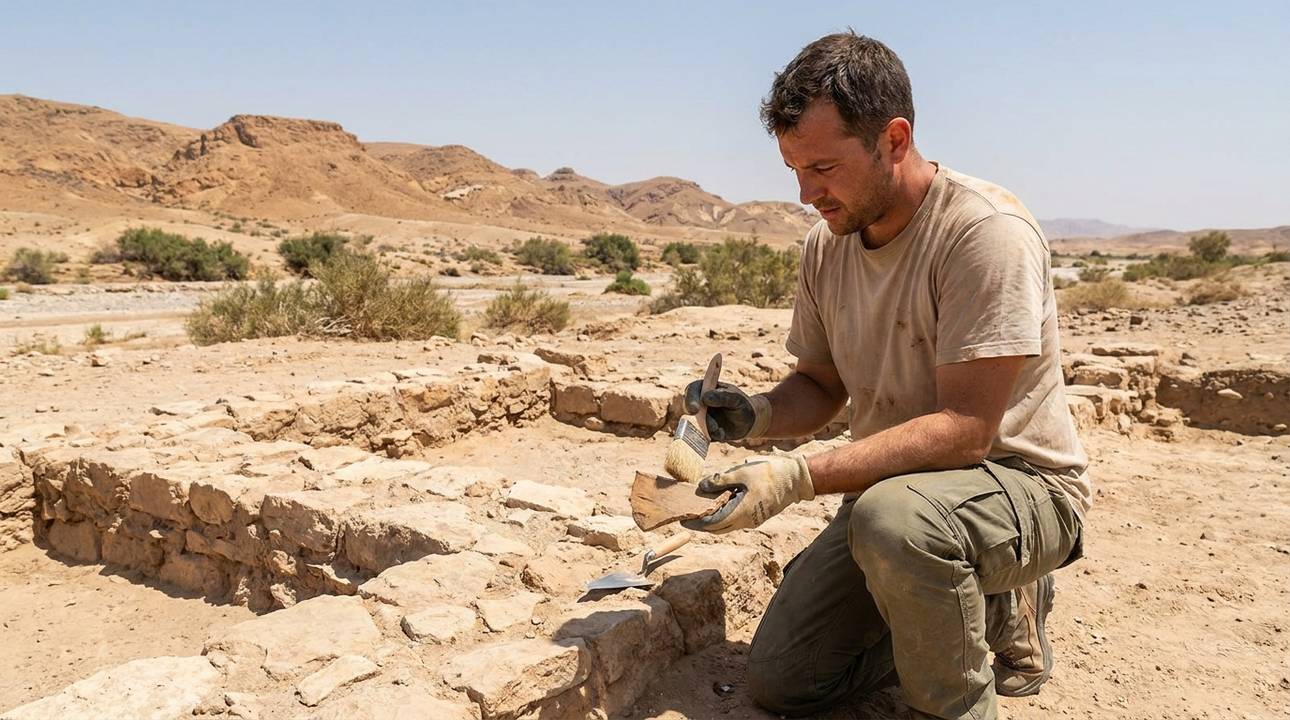
Calneh in Present Day
Today’s scholars attempt to connect Calneh with modern locations, yet its exact whereabouts remain a topic of debate. Some identify it with sites near Raqqa or other regions in northern Mesopotamia. This ambiguity lends a sense of mystery to the ancient city and invites further exploration.
The Euphrates River, a key geographical feature, may have influenced Calneh’s location and development, as it did with other ancient cities, providing water for agriculture and trade routes.
Its proximity to major waterways would have facilitated trade and communication with neighboring regions, contributing to its economic and cultural role.
Research continues as historians and archaeologists seek to find concrete evidence that may pinpoint its location and historical impact. The search involves analyzing ancient texts and conducting field surveys.
For instance, some scholars compare historical references to Calneh with records from neighboring regions, hoping to identify similarities that could reveal its exact location. This process is meticulous and requires a deep understanding of ancient languages and cultures.
As technology advances, new methods in archaeology may one day reveal more about Calneh, shedding light on its role within the broader narrative of Mesopotamian history.
Techniques such as ground-penetrating radar and satellite imagery have already transformed archaeological research, offering non-invasive ways to explore potential sites. These innovations hold promise for uncovering more about Calneh and its contributions to early civilization.
Despite limited direct archaeological discoveries, the study of Calneh enriches our understanding of early city-states and their influence on civilization. Calneh is mentioned alongside Babel, suggesting its role in the early development of urban centers.
Its legacy persists in the ongoing quest to uncover the full breadth of historical narratives, as researchers continue to piece together the story of these ancient cities. This pursuit highlights the interconnectedness of early civilizations.
The mention of Calneh in ancient texts serves as a reminder of the city’s potential significance in the broader context of early human history. This enduring interest underscores the importance of understanding the origins and development of urban centers in shaping our shared past.
The pursuit of Calneh’s history involves piecing together clues from ancient texts and archaeological findings. Each discovery adds depth to our understanding of the ancient world.
Archaeological digs in the region have uncovered artifacts that hint at the lifestyle and culture of its inhabitants, though much remains shrouded in mystery.
While much about Calneh remains shrouded in mystery, its mention in the Bible ensures its place in the shared history of early human civilization. The city’s history is further emphasized by its inclusion in the list of cities established by Nimrod, a mighty hunter and ruler. This connection places Calneh within the broader narrative of early Mesopotamian civilizations and their impact on human history.
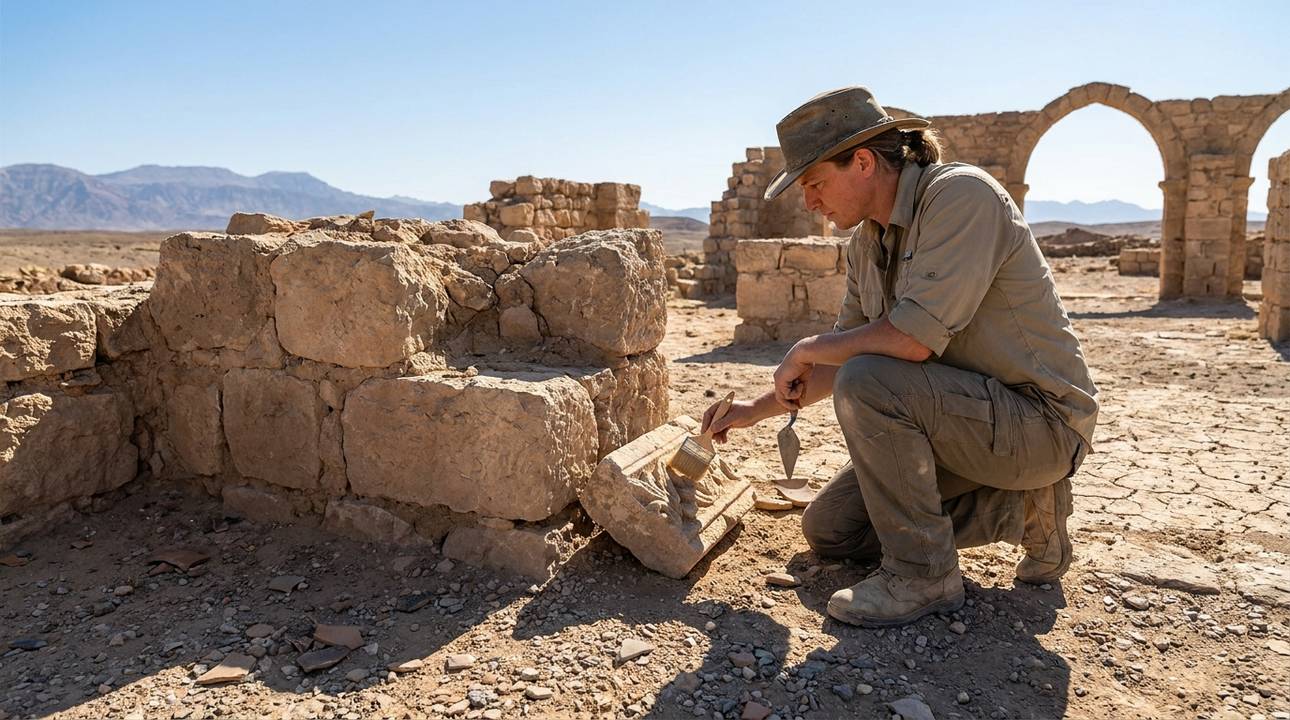
Understanding Calneh
