
Understanding Ellasar: A Journey Through Time


Ellasar, a name mentioned in historical texts, captures the curiosity of those interested in history. This article delves into its historical context and cultural role. Situated in a region with historical ties, Ellasar finds its place alongside other historical kingdoms. It is listed with Shinar, Elam, and Goiim, highlighting its role in the coalition of kings. This coalition waged war against the cities of the plain, including Sodom and Gomorrah, reflecting the turbulent political landscape of the time.
Together, we’ll explore its role and relevance in the geopolitical landscape of the time. The mention of Ellasar in this context provides valuable insights into the alliances and conflicts that shaped the ancient Near East.
By examining the historical and cultural backdrop of Ellasar, we can better understand the dynamics that influenced the narrative and the broader historical developments of the region.
from the Western Wall to Masada.

Where Is Ellasar Mentioned in the Bible?
Ellasar is notably mentioned in historical texts. It appears alongside other realms in a narrative about ancient kings. This mention establishes Ellasar as a significant entity during that time, highlighting the geopolitical landscape.
In this passage, King Arioch of Ellasar joins forces with other kings, including Amraphel of Shinar and Chedorlaomer of Elam, to wage war against the cities of the plain, such as Sodom and Gomorrah. This coalition reflects the complex alliances of the era.
Through this mention, we gain insight into Ellasar’s interactions with neighboring regions, such as Shinar and Elam, which were also part of the coalition. The alliance was not only a military endeavor but also a political strategy to assert dominance over the fertile lands.
The narrative provides a glimpse into the power struggles and diplomatic relations between these kingdoms, offering a window into the ancient Near Eastern world.
The Geographic Location of Ellasar
Historically, Ellasar is associated with southern Mesopotamia. Scholarly research often links it to the city of Larsa, a significant urban center in the ancient world. Known for its impressive ziggurats, Larsa’s temple towers served religious and administrative purposes. This prominent city lay northwest of the Persian Gulf. Its strategic location near major trade routes facilitated commerce and cultural exchange, allowing it to thrive as a hub of economic activity.
Understanding its geography helps us comprehend Ellasar’s historical impact, especially in relation to its trade and cultural interactions. Part of the Sumerian civilization, Larsa is known for its contributions to writing and law.
The Code of Hammurabi, one of the earliest and most complete written legal codes, was influenced by the legal traditions of cities like Larsa. This underscores the city’s role in shaping legal and cultural norms in the region.
Ellasar’s Historical Role and Alliance
Ellasar is depicted as part of a coalition of kings, including King Amraphel of Shinar, King Arioch of Ellasar, and others who battled notable figures. This coalition sought to assert control over the rich lands of the Jordan Valley.
The text describes a period marked by alliances and conflicts, reflecting the region’s political complexity and the shifting power dynamics of the time. These events underscore the strategic importance of the region in ancient geopolitics.
Understanding Ellasar’s role adds depth to our comprehension of the narrative, illustrating the geopolitical tensions that shaped ancient Near Eastern history. The coalition’s campaign against the cities of the plain highlights the competitive nature of these early kingdoms.
This narrative not only provides historical context but also enriches our understanding of the complex relationships between these ancient powers.
Cultural and History
The culture of Ellasar, as inferred from its possible link to Larsa, showcases Mesopotamian governance and culture, known for its ziggurats and legal codes like the Code of Hammurabi. A center of innovation, Larsa contributed significantly to the fields of mathematics and astronomy. known for its contributions to art and science, Larsa provided context to Ellasar’s cultural landscape, including advancements in mathematics and astronomy. These achievements highlight the intellectual pursuits valued by the society.
from the Western Wall to Masada.
These cultural elements offer insight into the daily lives of its ancient inhabitants, revealing a society that valued education and artistic expression. The city’s artisans produced intricate pottery and sculptures, reflecting the aesthetic sensibilities of the time.
The emphasis on education and the arts suggests a community that prioritized cultural enrichment and intellectual growth, contributing to the broader Mesopotamian legacy.

Ellasar in Archaeological Finds
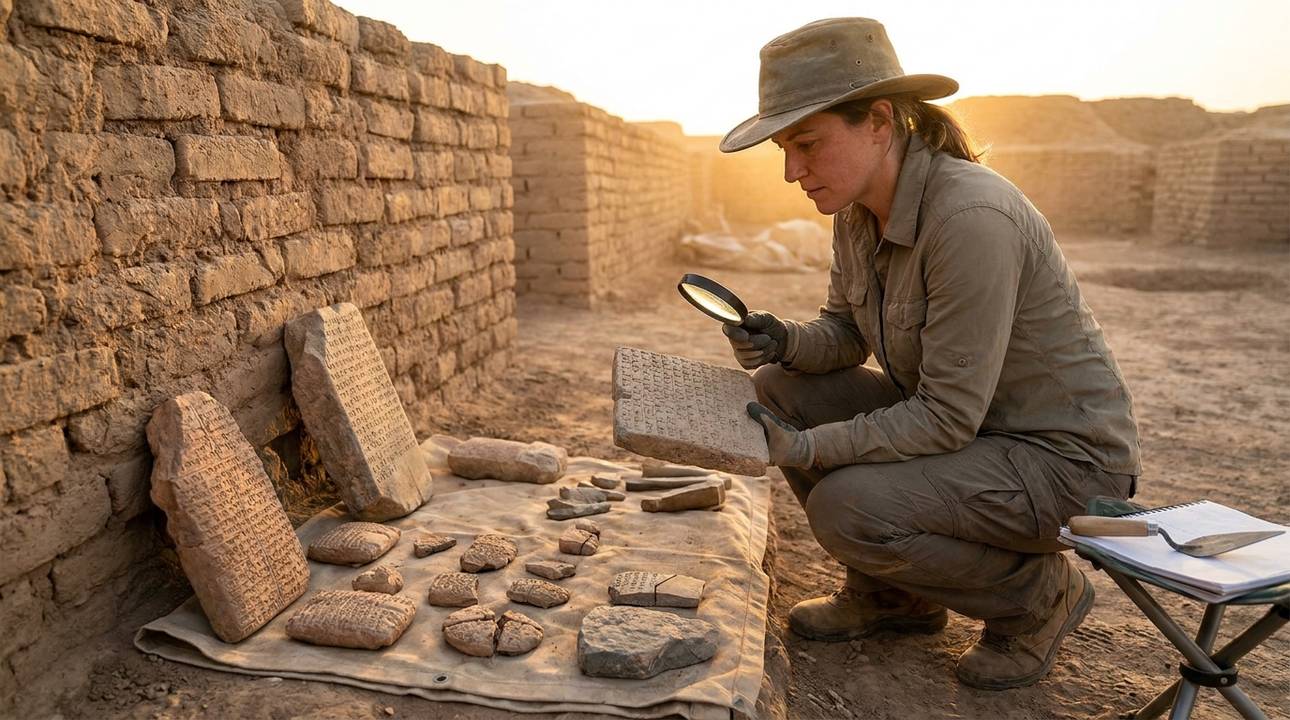
Archaeological work in areas identified with Larsa provides clues about Ellasar, with excavations revealing details about urban life and governance, such as city planning and administrative practices. These findings align with descriptions of Mesopotamian cities in historical texts.
These findings offer a tangible link between history, much like the discoveries in Ur and Babylon. The layout of Larsa’s streets and buildings reflects the organized nature of its society.
Artifacts from these excavations, including pottery and inscriptions, help shape our understanding of ancient civics and the interconnectedness of early civilizations. The inscriptions often contain records of trade transactions and legal agreements.
These documents provide valuable insights into the economic and legal frameworks that governed daily life in Ellasar, illustrating the sophistication of its administrative systems.
Modern Perspectives on Ellasar
Today, Ellasar’s name is still remembered in interest in archaeology, as scholars use modern tools like ground-penetrating radar and carbon dating to reassess historical data. These technologies allow for more precise dating and mapping of sites. This ongoing research enriches our understanding of the ancient world by providing new insights into the daily lives and governance structures of early civilizations. The data collected helps reconstruct the socio-political landscapes of these historical periods.
Ellasar remains a focal point for scholars exploring connections between historical texts and past civilizations, much like the ongoing studies in regions like Mesopotamia. The integration of archaeological findings with historical texts offers a more comprehensive view of history. As researchers continue to uncover new evidence, our knowledge of Ellasar and its role in historical contexts will undoubtedly expand, shedding light on the intricate mix of human civilization.

The Legacy of Ellasar in Jewish Tradition
In tradition, places like Ellasar represent connections to ancestry, serving as reminders of stories where Ellasar is mentioned alongside other ancient cities.
These locations are viewed as links to the historical journey of the people, much like Hebron and Jerusalem, which hold significant ancestral importance.
The continued study of Ellasar helps sustain these cultural ties across generations by connecting past narratives to present identities.
Understanding Ellasar
