
The Forest of Hareth: A Historical Sanctuary


The Forest of Hareth is mentioned as a place of refuge for David during his flight. This ancient woodland served as a sanctuary amidst the trials faced by David. He gathered his family and followers there, creating a supportive community in the wilderness. This period was crucial in David’s journey, as it allowed him to regroup and plan his next steps.
This protective environment provided a natural barrier against pursuit, offering both physical and emotional solace. Its mention underscores the importance of natural landscapes in historical narratives, highlighting their role in shaping the destinies of key figures. Natural settings like these offer a place of renewal and safety in stories, such as those of Elijah by the brook Cherith.
from the Western Wall to Masada.

What Is the Forest of Hareth?
The Forest of Hareth appears in the narrative as a critical hiding place. It provides a backdrop for David’s escape from pursuit. Its exact location remains uncertain, but it is believed to have been situated in the Judean region. This area was known for its rugged terrain, which offered natural protection. Such strategic locations would have been crucial for David, much like the caves of Adullam, another of his refuges.
Why Did David Choose This Forest?
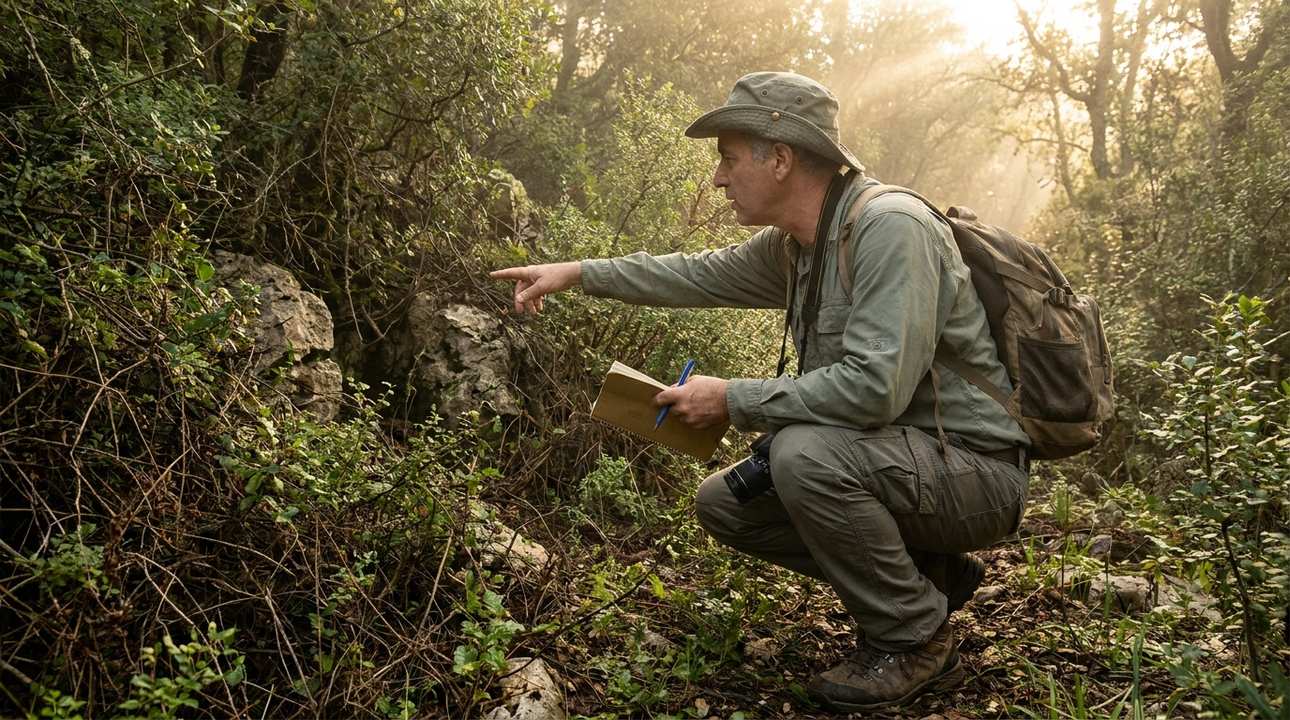
David sought refuge in the Forest of Hareth due to its dense foliage and strategic position. These natural defenses made it an ideal hideout from extensive search. This woodland represented a place of both physical and strategic importance, offering concealment in a time of vulnerability. The strategic use of natural landscapes is a recurring theme in historical narratives.
Hareth in the Context of David’s Journey
David’s time in Hareth marked a pivotal period in his life. While hiding, he gathered support from followers who later became integral to his rise as king. These events exemplify the area’s role as more than a mere shelter; it was a crucible for leadership development. His followers included those in distress and debt, forming a loyal band that would support his future reign.
The setting provided a place where David could hone his leadership skills and build alliances, laying the foundation for his eventual kingship. During this time, he gathered a diverse group of followers, including those in distress and debt. This period of growth and solidarity in the wilderness was instrumental in shaping David’s character and leadership style. It echoes the theme of leaders emerging from humble beginnings.
What Is Known About Its Location?
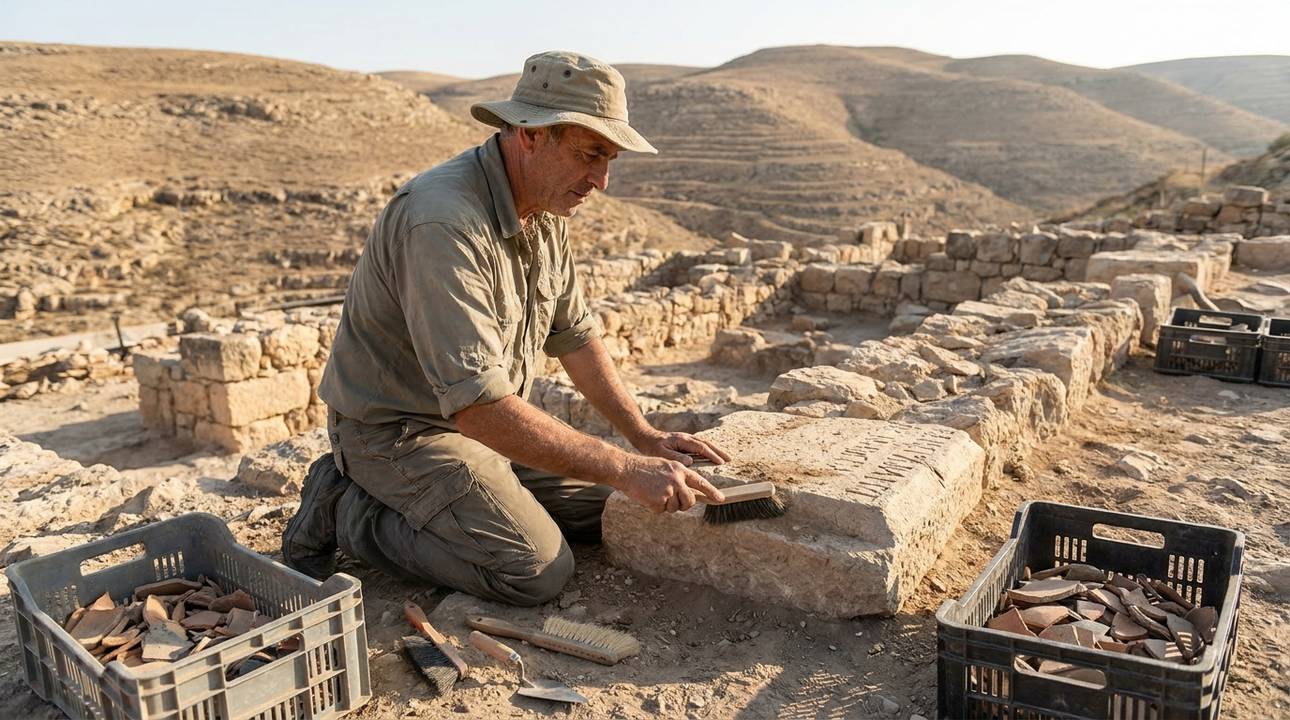
The precise location of Hareth remains speculative. Scholars suggest it may have been near Adullam due to its proximity in the narrative. This region would complement the strategic advantage David needed. However, no conclusive archaeological evidence has confirmed its exact site. The mystery surrounding its location adds to the intrigue, much like other historical sites whose exact whereabouts remain unknown.
The Natural Environment of Hareth
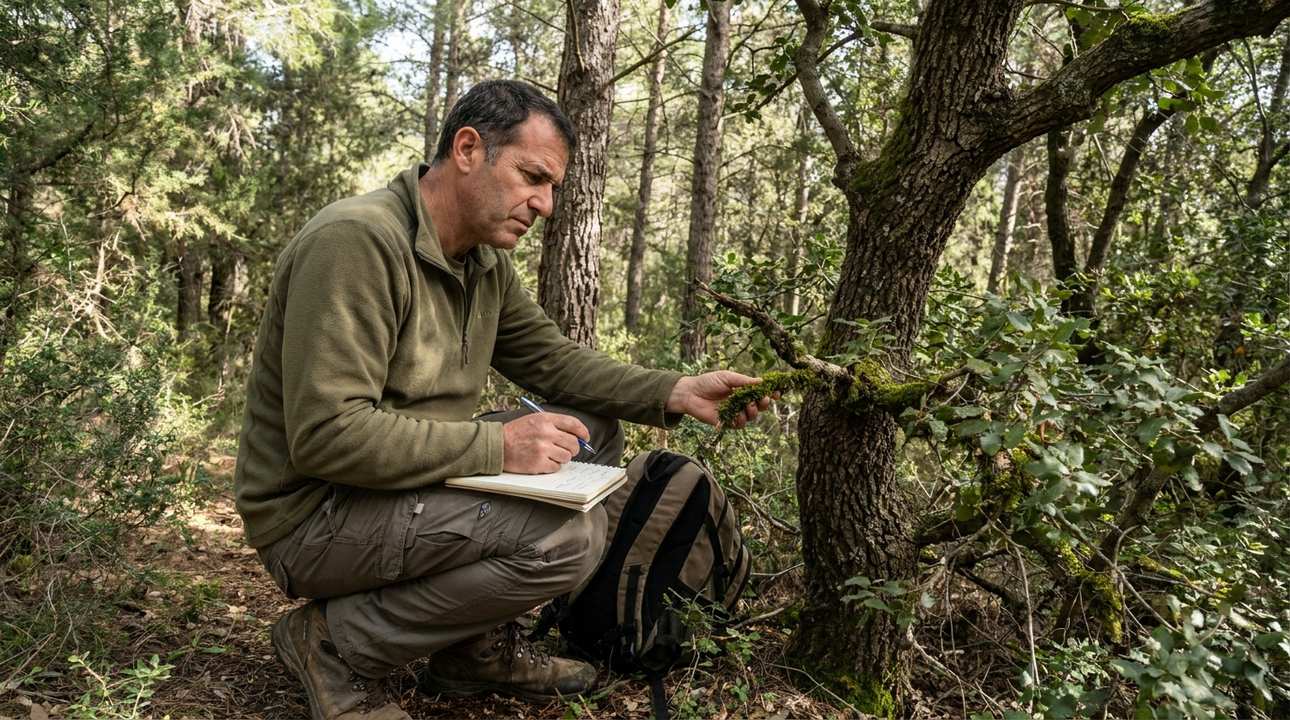
While exact details of Hareth’s flora and fauna are not specified in texts, it likely featured dense vegetation typical of ancient West Asian forests. Such forests were known for their oak and terebinth trees, which provided essential resources. Its environment would have offered cover and sustenance for David’s followers, playing a critical role in their survival. The natural resources available would have been vital for a group seeking refuge.
Hareth’s Role in Ancient Narratives
The mention of natural landscapes like Hareth in narratives emphasizes the elements that shaped historical events. These areas not only influenced tactical decisions but also symbolized the rugged wilderness in which heroes often proved their resilience. David’s time in the wilderness is marked by strategic movements and guidance, highlighting the role of these landscapes in his survival and leadership development.
Forests served as both a physical refuge and a testing ground, where figures like David could reflect and grow. Their presence in stories underscores the interplay between nature and personal growth. Illustrating how the natural world shaped the lives and decisions of leaders, forests were places of solitude and contemplation. These settings provided opportunities for growth and revelation.
from the Western Wall to Masada.
Connection to Jewish Heritage
Hareth embodies the idea of seeking refuge and protection, themes prevalent in Jewish history. This forest is emblematic of the places of safety sought by figures across generations, reflecting both struggle and hope. In times of peril, such as during the Babylonian exile, Jewish communities have historically sought similar sanctuaries, underscoring a recurring theme of hope. These historical parallels highlight the enduring quest for security and refuge.
The symbolism extends beyond its physical presence, representing the enduring quest for peace and security. In the Bible, forests often symbolize places of refuge and renewal, as seen in Psalm 23:2, where green pastures and still waters provide comfort. Its legacy is a sign of the enduring spirit of those who find strength in faith and community, even in the face of adversity.
Cultural Legacy of the Forest of Hareth
The story is still remembered as a symbol of resilience. Its narrative is retold in literature and studies, showing the hardships and triumphs faced by historical figures like David. David is advised by the prophet Gad to leave the stronghold and go into the land of Judah, highlighting the area’s role as a place of strategic retreat and reflection. The narrative has been woven into the mix of Jewish cultural memory.
This connection is evident in literary works and teachings that explore themes of perseverance and faith. The story of Job, for example, reflects enduring faith amidst trials. The legacy is a reminder of the strength found in nature and history, serving as a metaphor for overcoming adversity. In Jewish tradition, such landscapes can symbolize a place of introspection and growth, much like the wilderness experiences of the Israelites.
Modern Reflections on Hareth
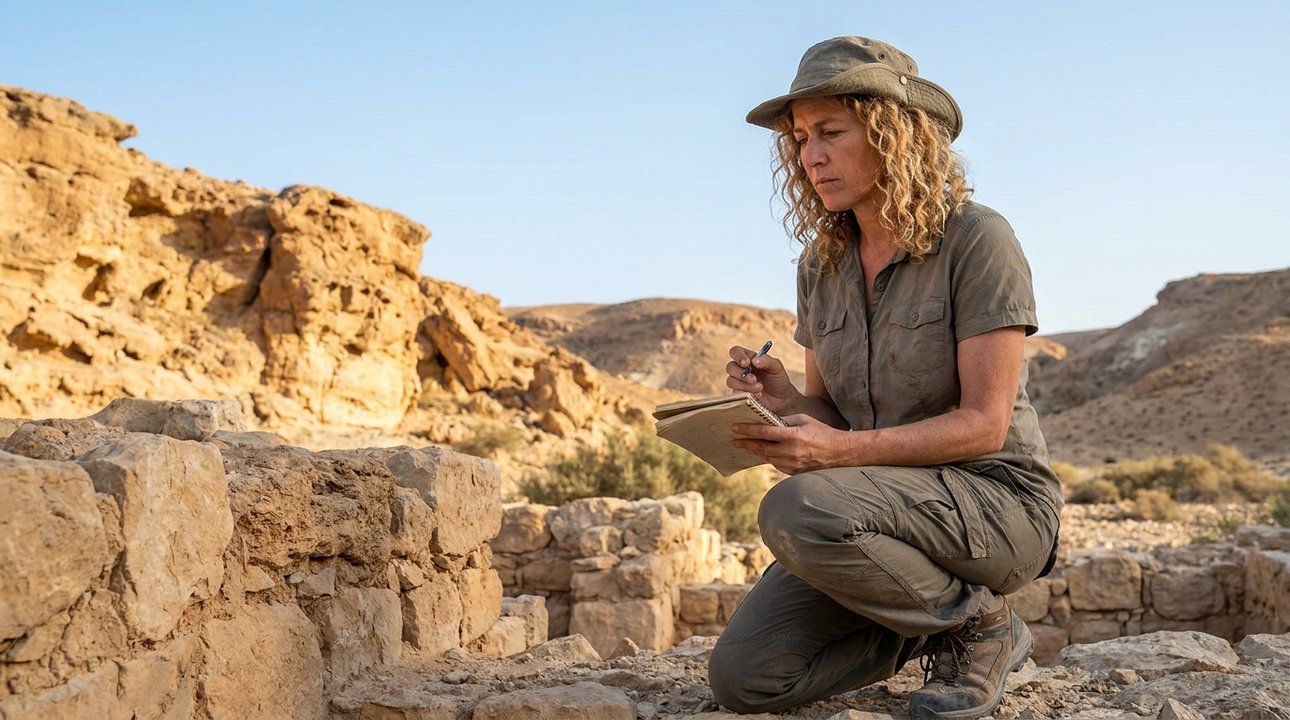
Today, scholars and devotees reflect on Hareth as more than historical. It is a sign of enduring themes of refuge and leadership forged under adversity, connecting past narratives with present aspirations for peace and sanctuary. The story is a reminder of the timeless nature of these themes, resonating with those who seek guidance from historical examples. This connection to the past provides a framework for understanding contemporary challenges and aspirations.
In modern times, the lessons drawn from Hareth inspire efforts towards reconciliation and understanding, emphasizing the importance of leadership grounded in compassion. The story of David’s leadership in adversity resonates with contemporary leaders seeking to build peace. The legacy continues to influence contemporary discussions on peace and community building.
Lev Haolam: Supporting Israeli Artisans
Lev Haolam supports Israeli small businesses by sharing locally made products with the world. Each purchase helps sustain local artisans and promotes cultural exchange. By offering items crafted in regions like the Galilee and Judea, Lev Haolam fosters a tangible link between supporters and Israel, encouraging appreciation for the unique skills of Israeli artisans. This initiative mirrors historical trade practices that strengthened community ties.
This initiative not only aids local artisans but also educates international audiences about Israel’s diverse culture and traditions. By showcasing products like hand-crafted ceramics from Jerusalem, Lev Haolam highlights the unique skills of Israeli artisans. Through these efforts, Lev Haolam strengthens community ties and encourages a broader appreciation for Israeli craftsmanship.
Forest of Hareth FAQ
