
Unveiling the Valley Gate of Jerusalem


The Valley Gate, a vital passageway in the city of Jerusalem, played an important role in its development. Situated along the western hill, it connected various important locations within the city, enhancing trade and communication.
Its proximity to the Tyropoeon Valley facilitated access between different districts. This gate’s position underscores its role in the daily life and defense of Jerusalem.
As we explore its past, we uncover the layers that made this gate an essential component of the city’s framework. Consider subscribing to receive 6-8 products in each box, where contents vary.
The Valley Gate is noted as part of the city’s reconstruction efforts, highlighting its importance in the restoration of Jerusalem after the Babylonian exile.
Located near the Hinnom Valley, it provided natural fortification, enhancing the city’s defenses. The integration of natural landscapes with constructed defenses highlights the thoughtful design that characterized Jerusalem’s protective measures.
This combination of natural and man-made defenses exemplified the strategic planning involved in ancient urban fortifications.
from the Western Wall to Masada.

What Was the Valley Gate in Jerusalem?
In historical Jerusalem, the Valley Gate served as a crucial entry and exit point. It led to the western slopes of the city, providing access to the Hinnom Valley. It was part of the city’s reconstruction efforts.
This gate was pivotal for trade and daily journeys, facilitating movement between the city and surrounding regions.
Its placement along the city’s perimeter made it a key location for defense and monitoring incoming and outgoing traffic. The strategic importance of this gate in managing the flow of people and goods was essential for maintaining the city’s economic vitality and security.
Positioned near the Hinnom Valley, it provided natural fortification, enhancing the city’s defenses. This strategic placement allowed for better control and monitoring of the surrounding area.
The strategic importance of the Valley Gate is highlighted by its mention during the rebuilding efforts after the Babylonian exile. It records an inspection of the walls, emphasizing the gate’s role in the restoration of Jerusalem.
This inspection was crucial for understanding the extent of damage and planning the necessary repairs to restore the city’s defenses. This reflects its lasting significance in the community’s restoration and renewal.
The gate’s practical and symbolic roles in restoring Jerusalem’s status and strength underscore its historical importance. As a key point of entry, it facilitated trade and communication, contributing to the city’s economic and social revival.
The integration of this gate into the daily life of Jerusalemites underscores its function as more than just a passageway. It was a vital part of the city’s infrastructure, facilitating trade and communication between different districts.
How Did the Valley Gate Fit into Jerusalem’s Defense?
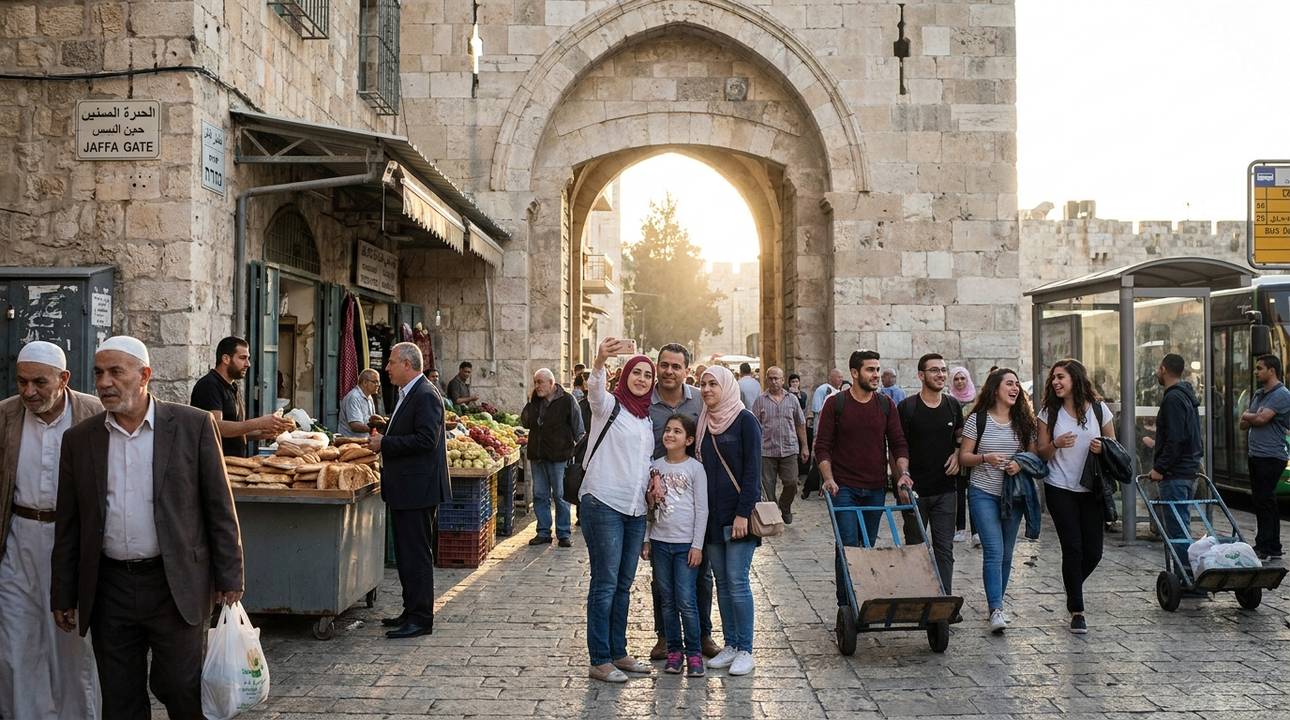
The Valley Gate was not only a passage but also a defensive structure within the city walls. Its location made it a critical point for surveillance and protection against external threats. The surrounding valley provided a natural barrier that complemented the gate’s fortification.
This natural feature enhanced the city’s ability to defend itself against potential invasions. As part of the city’s defensive strategy, its walls and gates were fortified to safeguard against invasions and attacks.
This highlighted the necessity of maintaining strong defenses, especially at key entry points like the Valley Gate. The combination of natural and man-made defenses exemplified the strategic planning involved in ancient urban fortifications.
The strategic location of this gate also made it a key point for defense and monitoring incoming and outgoing traffic. Its continued presence through various historical periods underscores its effectiveness and importance.
The layout of Jerusalem’s defenses included a combination of natural and man-made structures. The Valley Gate exemplified how these elements worked together to create a secure environment for the city’s inhabitants. Located near the Hinnom Valley, it provided natural fortification, enhancing the city’s defenses. This strategic placement allowed for better control and monitoring of the surrounding area. Its lasting presence through various historical periods underscores its effectiveness and importance, serving as a sign of the ingenuity of ancient urban planning.
The integration of natural landscapes with constructed defenses highlights the thoughtful design that characterized Jerusalem’s protective measures. The strategic location of the Valley Gate also made it a key point for defense and monitoring incoming and outgoing traffic. The continued presence of this gate through various historical periods underscores its effectiveness and importance, serving as a sign of the ingenuity of ancient urban planning.
What Is the History of the Valley Gate?
Throughout history, the Valley Gate has played a significant role in shaping the identity of Jerusalem. It is tied to narratives of efforts to rebuild the city’s infrastructure. These stories reveal much about the community’s determination. This gate also served as a sign of the city’s architectural and engineering achievements, reflecting the skill and foresight of its builders.
The integration of this gate into the daily life of Jerusalemites underscores its function as more than just a passageway. It was a vital part of the city’s infrastructure, facilitating trade and communication between different districts. The strategic location of the gate also made it a key point for defense and monitoring incoming and outgoing traffic. Its continued presence through various historical periods underscores its effectiveness and importance, serving as a sign of the ingenuity of ancient urban planning.
from the Western Wall to Masada.
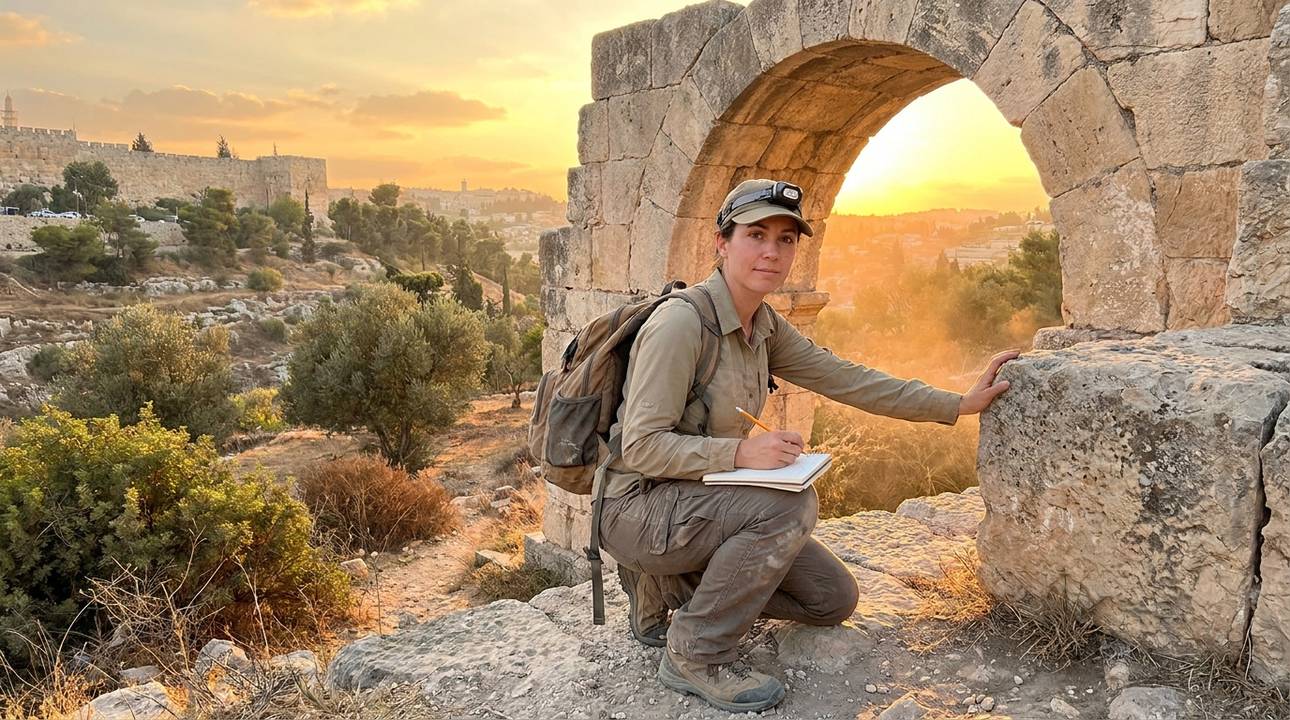
Archaeological studies have provided insights into the construction techniques used and the layers of history embedded within the gate. Excavations have uncovered remnants of ancient walls and pathways, shedding light on the architectural styles of different periods.
These findings reveal the evolution of building practices and the adaptation of new techniques over time. These findings continue to inform our understanding of Jerusalem’s development over centuries.
The lasting relevance of the Valley Gate makes it a focal point for historians and archaeologists alike, as they uncover new details about life in historical Jerusalem. Each discovery adds depth to our knowledge of the city’s architectural and cultural heritage.
The integration of this gate into the daily life of Jerusalemites underscores its function as more than just a passageway. It was a vital part of the city’s infrastructure, facilitating trade and communication between different districts.
How Does the Valley Gate Connect with Other Historical Events?
The Valley Gate’s historical mentions provide context for several key events. It highlights its role in the restoration narrative. This passage underscores its importance in the city’s renewal efforts, as the gate was a vital part of the city’s infrastructure. Such references anchor the Valley Gate within Jerusalem’s broader historical tapestry, offering a glimpse into its role in historical times and its significance in the city’s legacy.
The gate’s presence in these narratives illustrates its centrality to the community’s identity and their shared history. The Valley Gate was not only a passage but also a defensive structure within the city walls. Its location made it a critical point for surveillance and protection against external threats. The surrounding valley provided a natural barrier that complemented the gate’s fortification. This natural feature enhanced the city’s ability to defend itself against potential invasions.
Exploration of texts that mention the Valley Gate helps us understand its significance not just as a physical structure but as a symbol of renewal and hope. Descriptions of efforts to rebuild the gate are a sign of the community’s dedication to restoring Jerusalem’s former glory. The rebuilding process was not just about physical reconstruction but also about reviving the spirit of a people determined to reclaim their heritage. Its meticulous construction and maintenance were vivid expressions of commitment, reflecting the determination of those who sought to preserve the city’s heritage. The Valley Gate stood as a beacon of hope, symbolizing the community’s unwavering resolve to restore what was lost during the Babylonian exile.
The Valley Gate Today
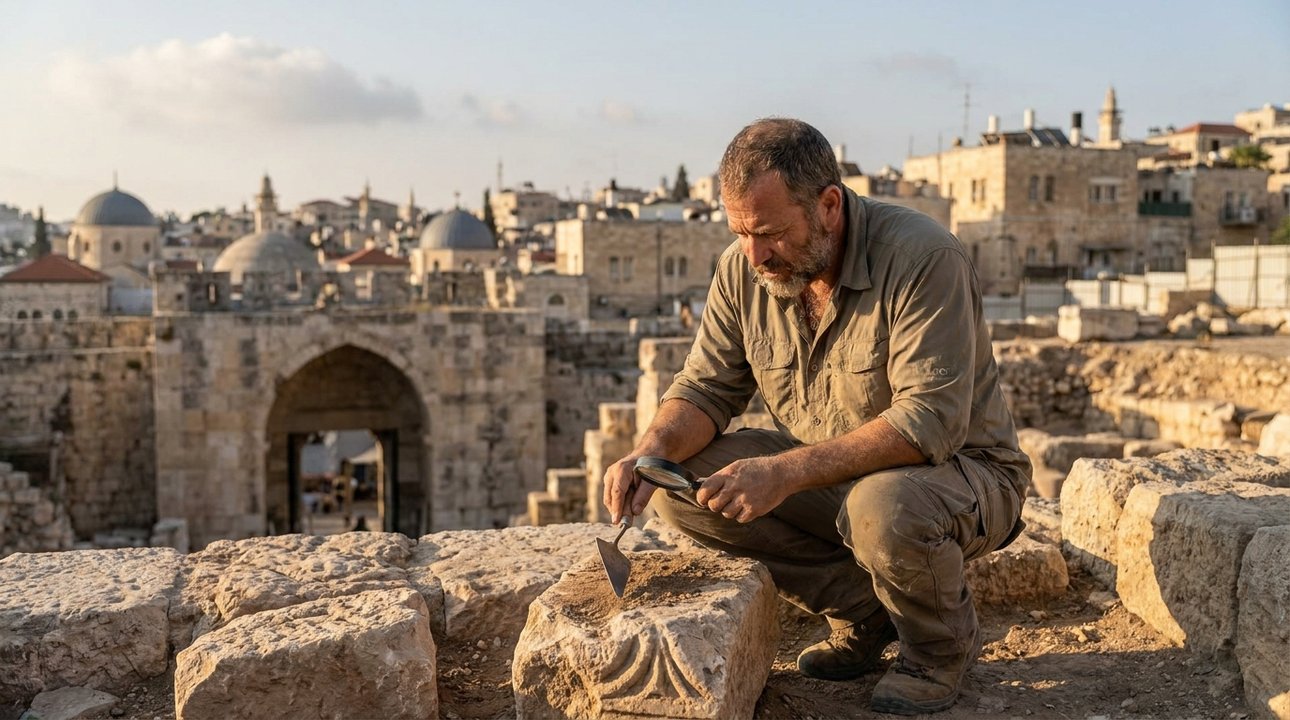
Present-day explorations of the Valley Gate offer a connection to Jerusalem’s historical past. Archaeological efforts have unearthed elements of its original construction, allowing visitors and scholars to appreciate the craftsmanship involved. Excavations reveal details about the gate’s structure, such as its stonework and design, providing insights into the methods used by builders of the time. Although the modern landscape has transformed, the historical footprint of the Valley Gate continues to inform contemporary understanding of the city’s history. Its remains serve as a reminder of Jerusalem’s layered heritage, with each stone telling a story of continuity. The continued presence of the Valley Gate is a sign of the city’s ability to adapt and thrive through various historical epochs.
Despite the changes over millennia, the location of the Valley Gate provides valuable insights into the daily realities of ancient inhabitants.
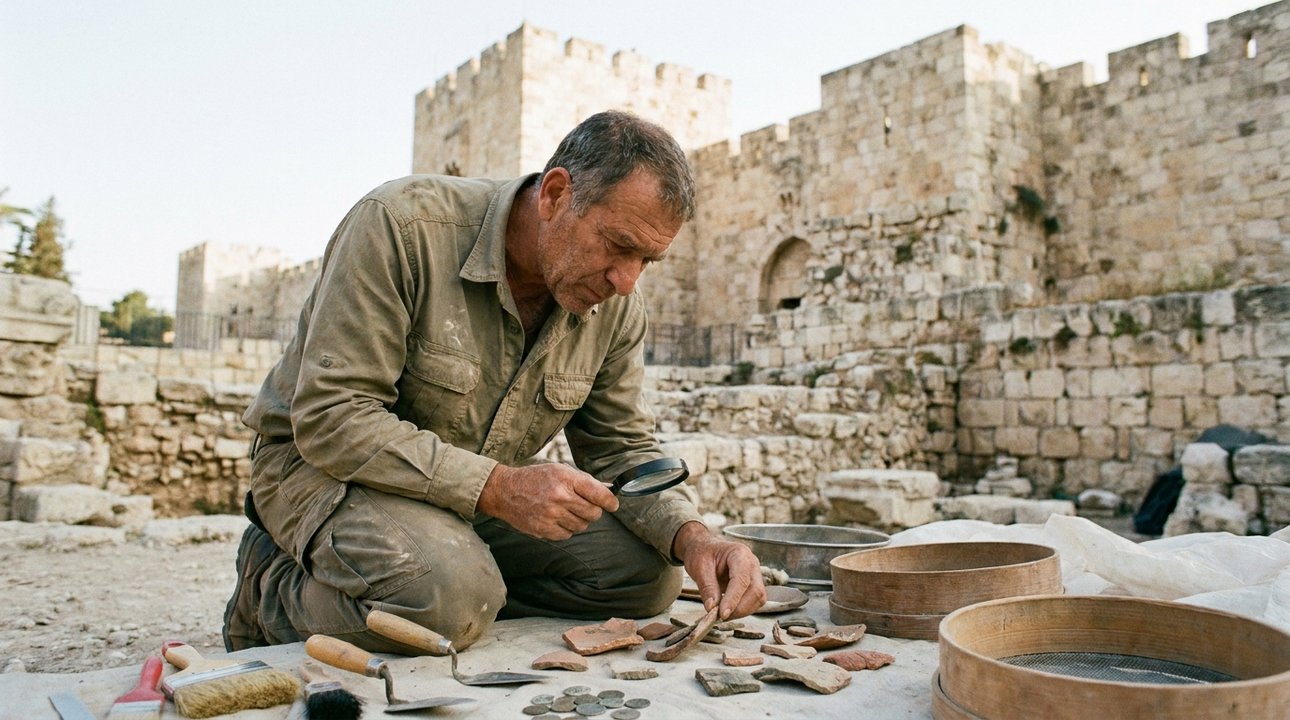
Archaeological excavations reveal artifacts that offer glimpses into the lives of those who once traversed this path, connecting them to the broader narrative of Jerusalem’s history. Items such as pottery shards and tools found in the area paint a picture of everyday life and commerce.
Ongoing research helps maintain the connection between these historical narratives and the physical remnants of the past.
The Valley Gate serves as a tangible link to the past, allowing us to explore the cultural and historical context of historical Jerusalem. Its strategic location also made it a key point for defense and monitoring incoming and outgoing traffic. The continued presence of the Valley Gate through various historical periods underscores its effectiveness and importance, serving as a sign of the ingenuity of historical urban planning.
Historical Context and Importance
