
Understanding the Location and Significance of Gilead


Gilead today refers to a region located in modern-day Jordan. Known for its rich heritage, it was a fertile area east of the Jordan River. Throughout history, Gilead was part of the territory given to the tribes of Reuben, Gad, and half of Manasseh. The area is important in various narratives. Its fertile lands supported agriculture, making it an essential resource for the tribes that settled there.
The region’s strategic location made it a crossroads for trade routes, contributing to its economic importance. Gilead’s history is intertwined with various stories, where it is often depicted as a place of refuge and healing. Its legacy continues to capture the imagination of those interested in history, showing the lives and cultures of ancient peoples. The narratives associated with Gilead provide a window into the cultural values of the time.
from the Western Wall to Masada.
What Is Gilead?
Gilead is a region mentioned extensively in historical texts. It played a significant role in the stories of various tribes, including the tribes of Reuben, Gad, and half of Manasseh. The area was noted for its balm, a resin used for healing, referenced when traders carried it to Egypt. Gilead’s geographical location made it a strategic and economically vital area, serving as a crossroads for trade and cultural exchange. Its history continues to be a source of fascination and study.
The strategic importance of Gilead is highlighted by its role as a buffer zone against eastern threats, providing security for the Israelite tribes. Its fertile lands supported agriculture and trade, contributing to the prosperity of the region. Gilead’s legacy as a center of healing is immortalized in the metaphor of the ‘balm of Gilead,’ symbolizing hope and recovery. This enduring imagery is still remembered by those who study its history, showing the cultural values of ancient societies.
Where Is Gilead Today?
Today, Gilead is located in the northwestern part of modern-day Jordan. It lies east of the Jordan River, encompassing parts of the ancient tribal territories of Reuben, Gad, and Manasseh. The landscape of Gilead is characterized by its hilly terrain, which offers fertile ground for agriculture, contributing to its history as a productive region. The area’s natural beauty and strategic location have made it a focal point for historical and archaeological studies, shedding light on its ancient past.
The fertile lands of Gilead supported diverse agricultural activities, which were vital for the sustenance of its inhabitants. This agricultural richness is reflected in texts that describe the region as a land of abundance.
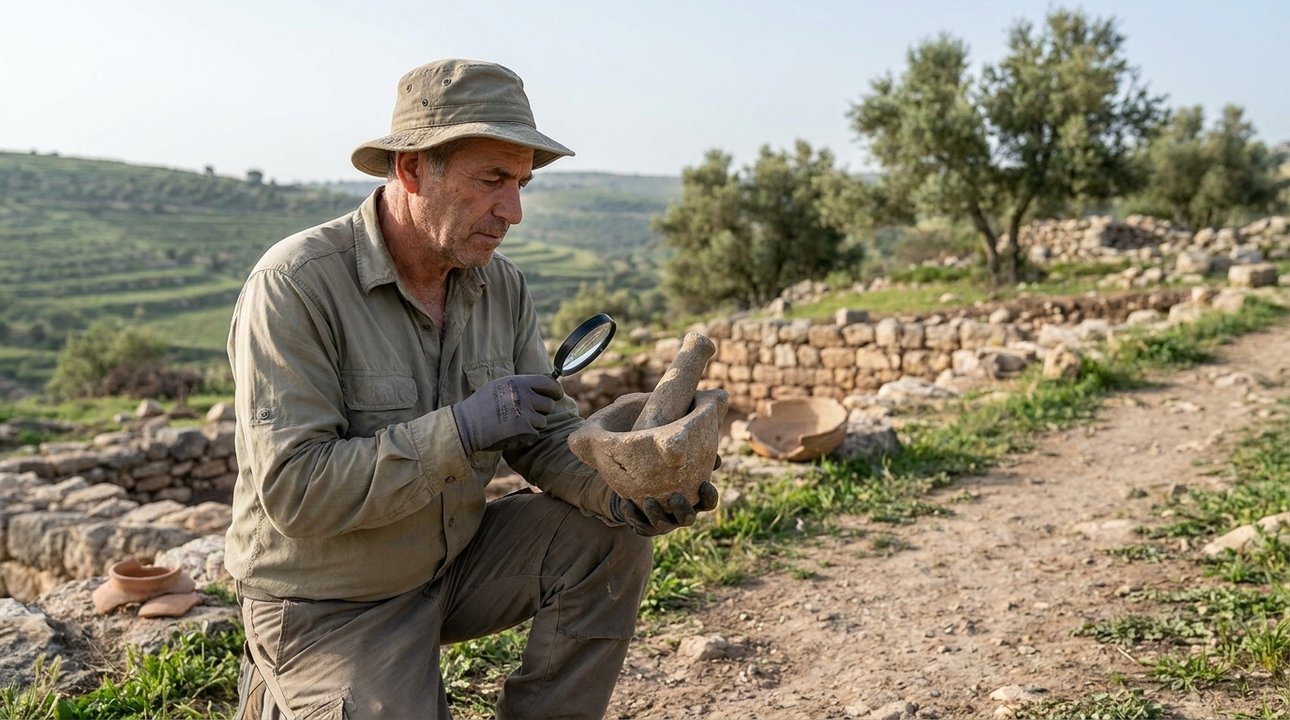
Archaeological studies have revealed remnants of ancient settlements, providing a glimpse into the daily lives of those who lived there. These discoveries continue to inform our understanding of Gilead’s role in the broader historical and cultural landscape of the region.
History of Gilead
Gilead was critical to the Israelites as it provided a barrier against eastern invaders. It was also a center of healing due to the famed ‘balm of Gilead.’ The balm, a resinous substance, was highly valued for its medicinal properties.
In historical times, it was inhabited by various tribes and included cities of refuge, sanctuaries for those accused of manslaughter. These cities, such as Ramoth-Gilead, were established as safe havens, highlighting Gilead’s role as a place of protection.
The strategic location of Gilead made it a vital defensive position for the Israelites. Its hilly terrain provided natural fortifications against potential threats from the east. This geographical advantage was crucial in maintaining the security and stability of the region.
The balm of Gilead, known for its healing properties, became a symbol of hope and recovery. It was sought after by many, including neighboring nations, for its reputed ability to heal wounds and ailments.
Key Historical Figures Associated with Gilead
Jephthah, a judge of Israel, hailed from Gilead. His story is recounted in historical texts, where he leads Israel against the Ammonites. Jephthah’s vow, made before battle, is a pivotal moment in his story, reflecting his deep commitment to his people. The account highlights Jephthah’s leadership in defending Israel from external threats, showcasing his strategic prowess and dedication. His story is a sign of the complex nature of leadership and the challenges faced by those who defend their homeland.

Gilead’s Mention in the Bible
The region of Gilead is mentioned numerous times in historical texts, serving as the backdrop for various stories. It is described as the place where Jacob and Laban made a covenant. Gilead is referenced in various prophecies, where it symbolizes healing, and is often symbolizing beauty and abundance. These references highlight Gilead’s importance in narratives, emphasizing its role as a place of healing and beauty.
from the Western Wall to Masada.
Gilead’s association with healing is further emphasized in the story of Joseph, where traders carried balm from Gilead to Egypt. This highlights the region’s reputation for producing valuable medicinal products.
The symbolism of Gilead extends to its depiction as a place of beauty, where its lush landscapes are celebrated. These diverse references illustrate the multifaceted role Gilead played in stories, from a place of refuge to a symbol of natural splendor.
Archaeology and Modern Relevance
Archaeological discoveries in Gilead provide insights into its ancient past. Pottery and artifacts suggest a prosperous community. Excavations have uncovered items such as pottery shards and tools, indicating a society engaged in agriculture and trade. Today, visitors to the region can observe remnants of its history, even though it’s mostly explored for its historical connections. The area is dotted with ruins that speak to its history, offering a tangible link to the stories of the past.
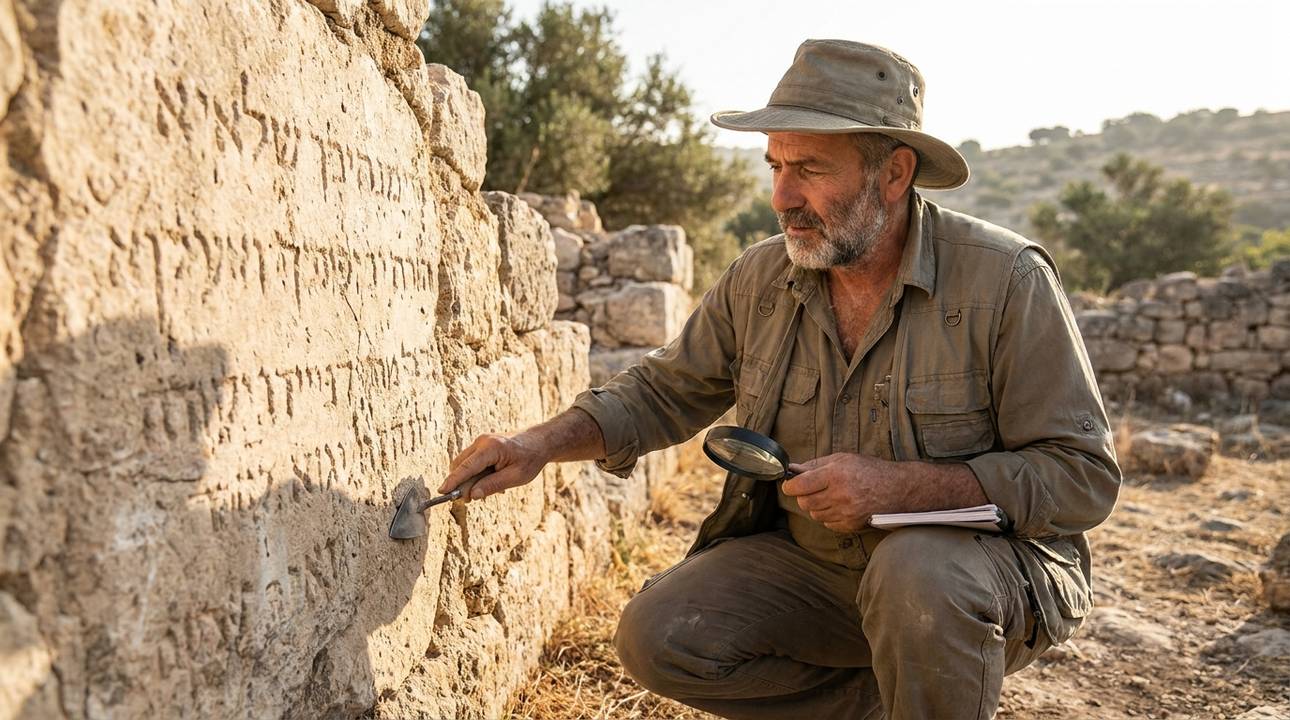
Inscriptions found on stones and walls provide further evidence of the cultural and economic activities that took place in Gilead. These findings help historians piece together the daily life of its ancient inhabitants.
The artifacts not only reveal the material culture but also hint at the social and political structures that existed. This makes Gilead a fascinating subject for both archaeologists and historians, who seek to understand its role in history and texts.
Cultural Legacy of Gilead
The cultural impact of Gilead remains strong in various traditions. Its mentions in texts symbolize healing, refuge, and resilience. Gilead is referenced as a place of refuge and is associated with healing. Gilead continues to be a subject of interest and reflection for many who study history, showing the values and beliefs of ancient societies. Its legacy endures, inspiring those who seek understanding and connection with the past.
Gilead’s role as a place of refuge and healing is further emphasized in its depiction as a sanctuary in narratives. This aspect of its identity has made it a symbol of hope and recovery for generations.
The stories associated with Gilead provide a window into the cultural values of ancient societies, highlighting the importance of healing and protection. These themes continue to resonate with those who explore the region’s enduring legacy.
Gilead in Modern Literature and Thought
Modern literature often draws upon Gilead’s historical and symbolic meanings. The term ‘balm of Gilead’ has become a metaphor for healing and comfort. This metaphor finds its way into poetry and prose, reflecting its enduring impact in storytelling.
Authors use it to evoke themes of solace and restoration, connecting readers with the traditions of healing associated with Gilead. The phrase continues to resonate in contemporary works, illustrating the timeless nature of its symbolic power.
The enduring appeal of the ‘balm of Gilead’ metaphor is evident in its use across various literary genres. From classic literature to modern novels, it serves as a powerful symbol of hope and renewal. This imagery not only connects readers with the past but also offers a sense of continuity and shared human experience. The metaphor’s persistent presence in literature underscores its universal appeal and the deep cultural resonance of Gilead’s history.

Historical Context
