
Exploring the Historical Land of Batanea
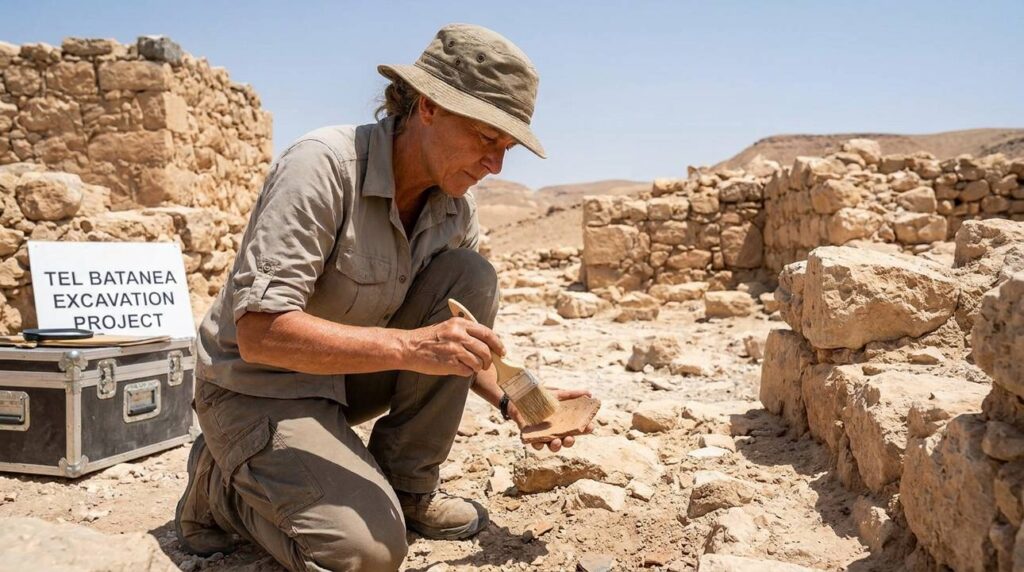

The ancient region of Batanea, located in the northeastern part of Bashan, has a complex history. It is frequently mentioned in historical texts, highlighting its role in the ancient Near East.
The Levites, responsible for religious duties, benefited from Batanea’s fertile lands, which supported their communities. This connection underscores Batanea’s role in sustaining cultural life.
from the Western Wall to Masada.

Batanea served as a land of refuge and agriculture, making it a desirable location for various tribes and communities. Its mention in historical contexts points to its strategic importance.
Historically, Batanea was part of territories crucial for regional stability. Its fertile lands were essential for sustaining populations and supporting endeavors, making it a coveted region for control.
Where Is Batanea?
Batanea is located in the northeastern region of what was historically known as Bashan. Its fertile lands and strategic location contributed significantly to the region’s economy and agriculture.
The region’s strategic location made it a target for empires seeking to control its resources and trade routes. This context underscores Batanea’s importance in the ancient Near East.
Proximity to major trade routes facilitated exchanges of goods and ideas. This connectivity helped the region thrive economically and culturally, making it an attractive settlement.
The Roman Empire capitalized on Batanea’s location to control trade routes and ensure the flow of goods throughout their territories. This strategic advantage led to Batanea’s incorporation into the Roman province of Arabia.
The Etymology of Batanea
The name ‘Batanea’ is associated with terms linked to fertility, highlighting the area’s agricultural significance. Historical and religious texts often link Batanea with productive lands.
The region’s reputation for fertility attracted various peoples who cultivated its rich soil. This agricultural wealth supported a growing population over centuries.
The fertile lands of Batanea were well-suited for growing grains, olives, and grapes, essential for the local economy and trade. These products were valued and traded with neighboring regions.
The region’s ability to produce surplus crops allowed it to engage in trade with cities like Tyre and Sidon. This trade network contributed to Batanea’s prosperity and integration into broader economic systems.
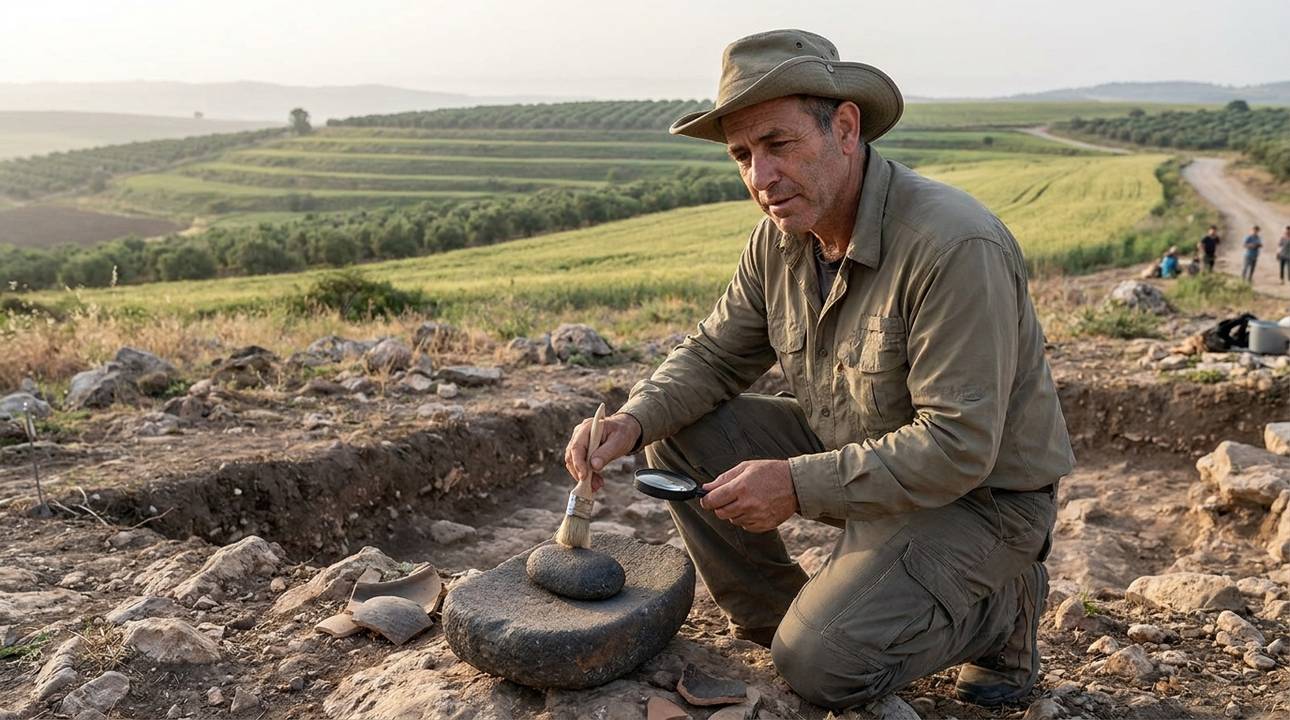
Batanea in Historical Texts
Batanea is mentioned in historical texts as part of the territory ruled by Og, the King of Bashan. Og’s defeat by the Israelites is recorded in historical accounts, describing the conquest of his kingdom. Historical accounts highlight Bashan, including Batanea, as regions of abundant fertility and wealth.
The conquest of Bashan provided fertile lands essential for survival and growth. The region’s agricultural abundance supported the establishment of stable societies.
History of Batanea
Throughout history, Batanea served as a vital area for trade routes connecting the ancient Near East. These routes linked cities like Damascus and Jerusalem, making Batanea a key transit point.
The Roman Empire recognized Batanea’s strategic importance and integrated it into their provincial system to secure trade and military advantages. This integration enhanced Batanea’s role as a cultural and economic hub.
from the Western Wall to Masada.
The Assyrians, under rulers such as Tiglath-Pileser III, incorporated Batanea into their empire, recognizing its economic potential. The Decapolis, a group of cities including Batanea, became centers of cultural exchange.
Decapolis cities became hubs of cultural exchange, where Greek and Roman architectural styles mingled with local traditions. This blend of influences is evident in the archaeological remains found in the region today.
Batanea in Jewish Tradition
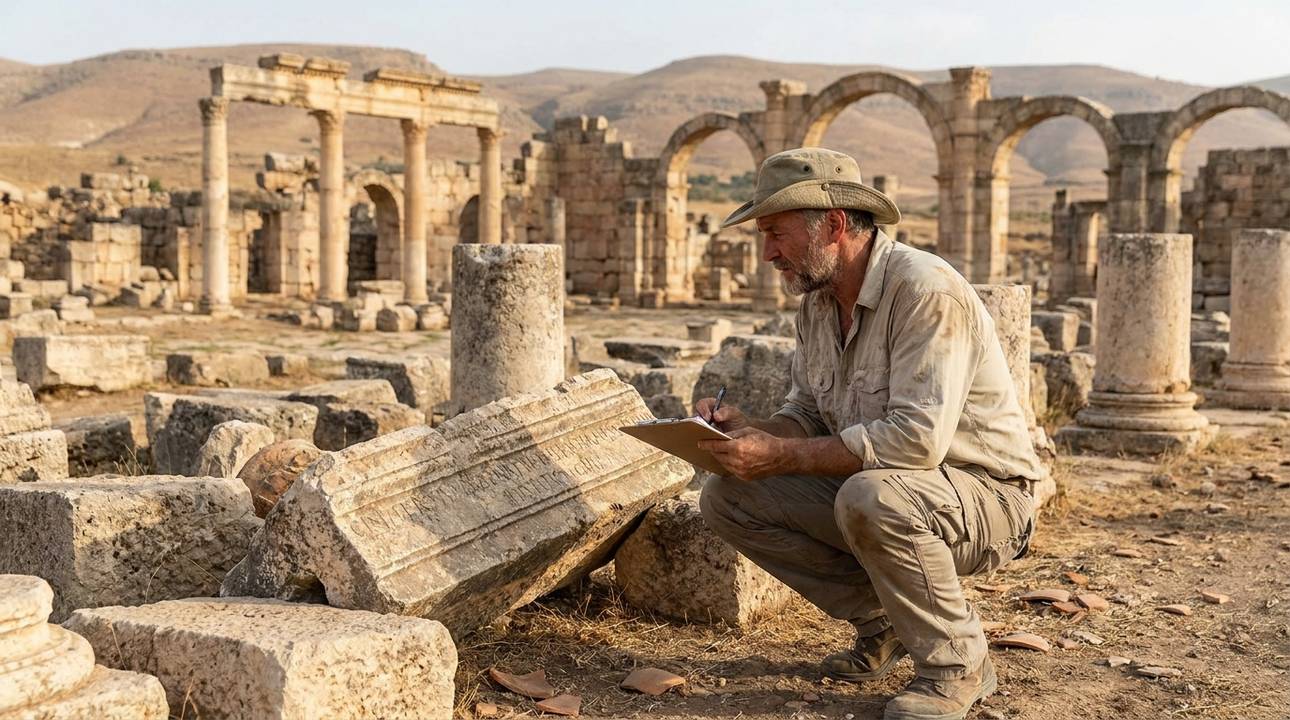
Jewish historical texts, such as those by Josephus, emphasize Batanea’s significance, particularly during the Roman period when it was home to thriving Jewish communities. Josephus describes Batanea as a place of refuge. This region became a refuge and center of learning, preserving Jewish culture and traditions. The Talmud mentions Batanea as a place where Jewish sages gathered to study and teach.
The presence of these communities highlights Batanea’s role in the preservation and transmission of Jewish knowledge. The scholars who lived in Batanea played a crucial part in maintaining the cultural identity of the Jewish people.
This scholarly activity ensured that Jewish laws and customs were preserved. The Talmud, which later incorporated these teachings, reflects the legacy of Batanea’s scholars.
Archaeological Discoveries in Batanea
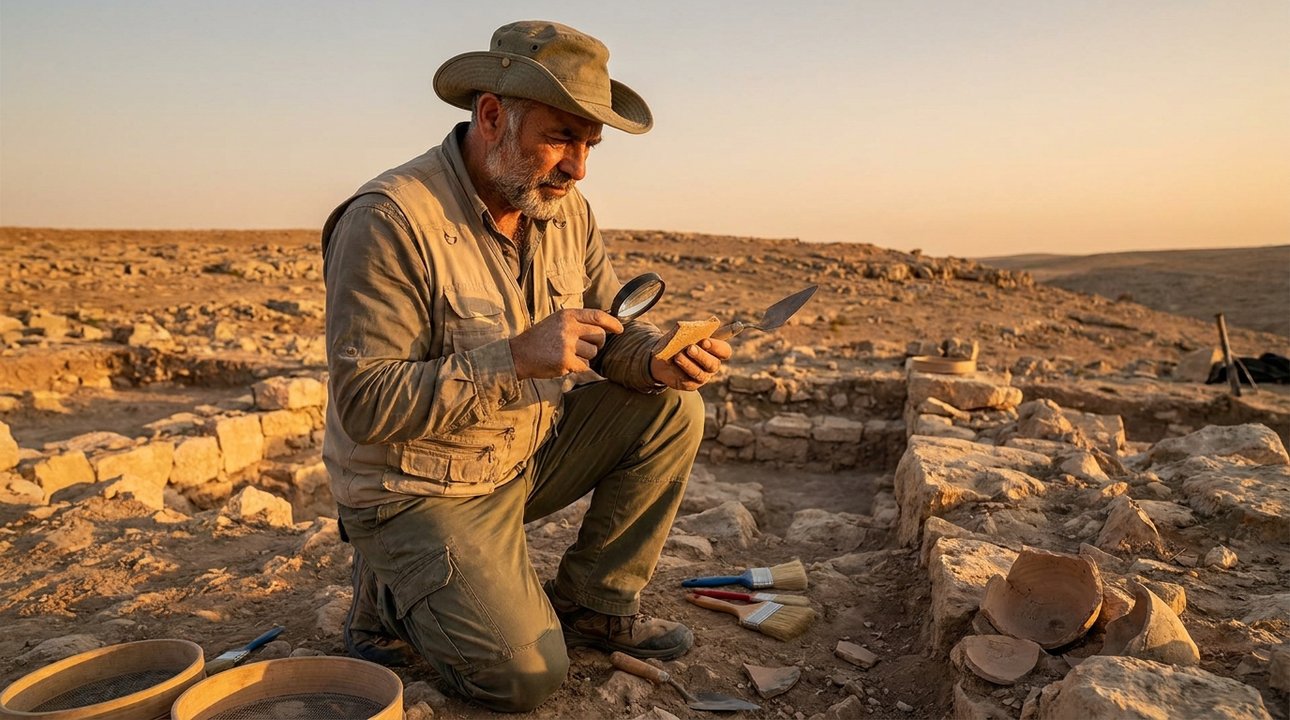
Excavations in Batanea have unearthed artifacts from various periods, illustrating the diverse cultures that inhabited the region. Among these findings are tools that date back to the Iron Age, providing insights into technological advancements.
Pottery shards discovered in the area reveal intricate designs, indicating trade connections with neighboring regions. Remnants of ancient settlements offer insights into the daily life of its ancient inhabitants.
In addition to everyday items, archaeologists have found ceremonial objects that suggest religious practices once performed in Batanea. These discoveries contribute to our understanding of the spiritual life of its people.
Cultural Legacy of Batanea
The cultural impact of Batanea is evident in its contributions to the broader history of the Near East. Its fertile lands supported agricultural advancements, influencing trade.
The region’s strategic position allowed it to act as a conduit for the exchange of goods and ideas, which played a crucial role in the cultural development of the surrounding areas.
The exchange of goods and ideas through Batanea’s trade routes helped spread cultural and technological innovations. This interconnectedness fostered a mix of cultural influences in Batanea.
The influence of Greek and Roman cultures is evident in the architectural styles found in the region. These cultural exchanges enriched Batanea, making it a mix of ideas and traditions.
Understanding Batanea
