
Exploring Bashan: Historical Insights
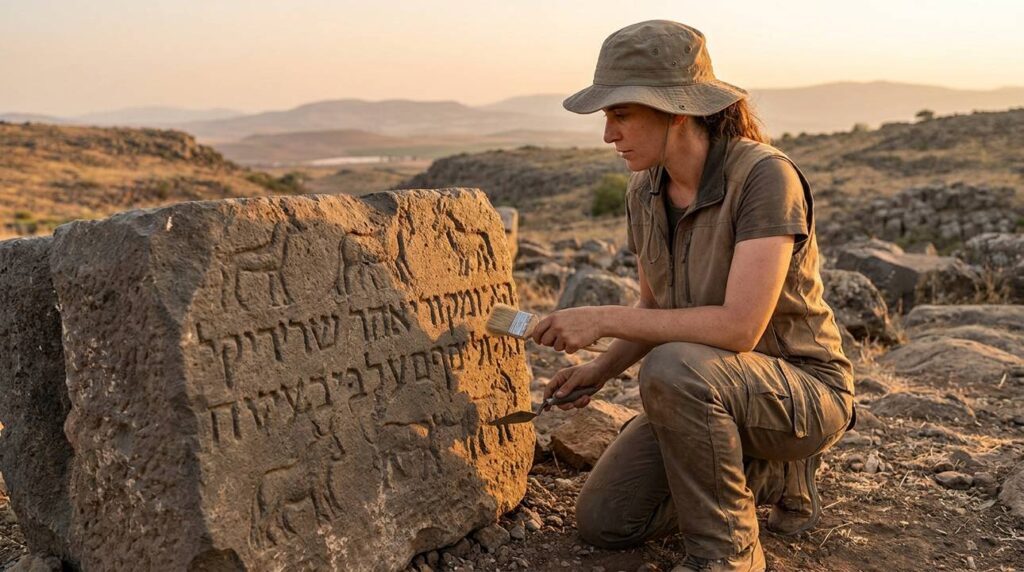

Bashan is a region mentioned in the Bible, recognized for its fertile land and notable leaders. Situated east of the Jordan River, it played a significant role in historical narratives.
This article delves into the biblical references to Bashan, focusing on its association with giants, its productive plains, and the wealth that characterized it.
Bashan is closely linked with King Og and the Rephaim, lending the region a legendary status in biblical texts. Its expansive, fertile plains and strategic location made it a valuable territory.
Biblical narratives describe the Israelites’ conquest of Bashan, which are integral to the region’s extensive history and remain subjects of study.
from the Western Wall to Masada.

Geographical Context of Bashan
Bashan was located on a plateau east of the Sea of Galilee, stretching north to Mount Hermon and south to the Yarmuk River. Today, this area includes the Golan Heights and parts of southwestern Syria.
The volcanic soil in Bashan was highly fertile, making it ideal for agriculture and animal husbandry, which were crucial in ancient times.
Bashan’s proximity to significant trade routes facilitated the exchange of goods and ideas with neighboring regions.
Its abundant pastures and water sources supported large herds of cattle and sheep, earning it a reputation as a land of abundance. The Bible frequently mentions the region.
The Bible highlights Bashan’s productivity and strategic importance. Its fortified cities and fertile lands were significant to the Israelite tribes. Edrei and Ashtaroth were notable cities in Bashan.
Control over Bashan meant access to its rich resources. The fertile soil supported agriculture, and the trade routes brought in various goods, making it a highly prized land.
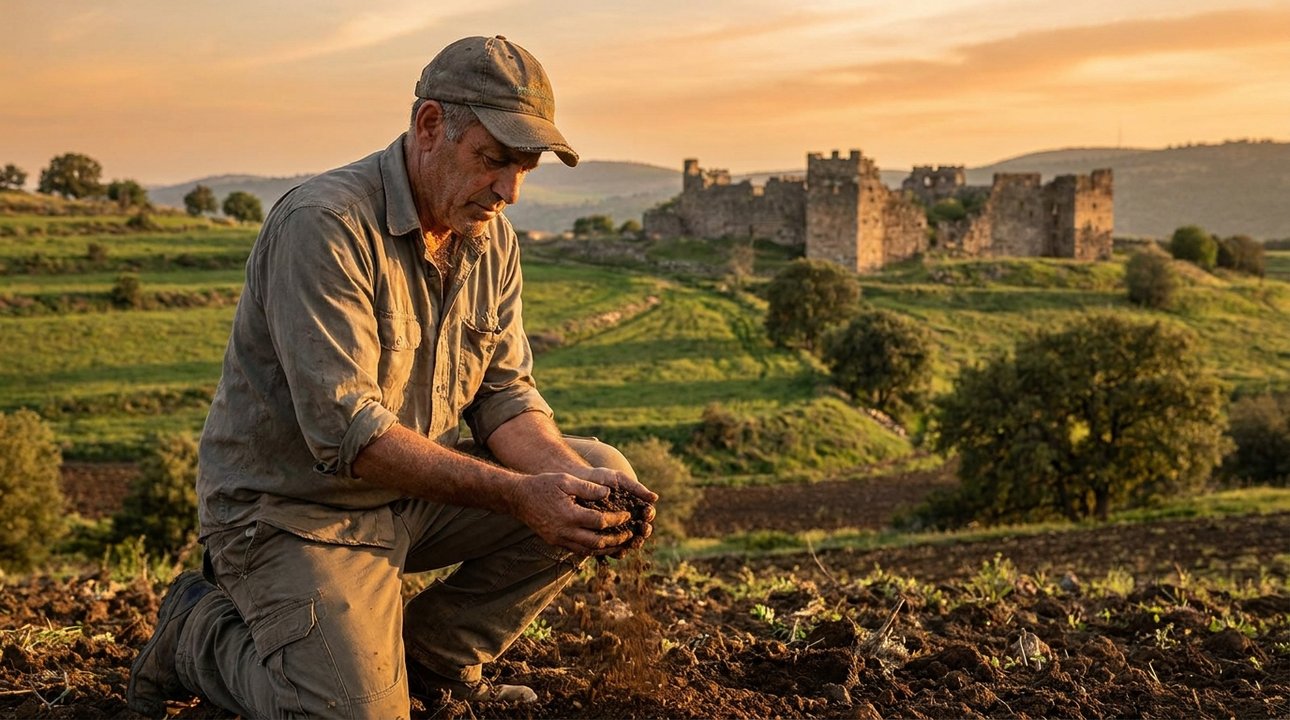
Bashan and the Kingdom of Og
Bashan is famously linked to King Og, described as one of the last Rephaim. According to Deuteronomy, Og ruled over sixty fortified cities, highlighting the region’s strength and organization.
The book of Numbers recounts the Israelites’ victory over Og at Edrei, which allowed them to claim his land, marking a pivotal moment in their settlement east of the Jordan.
Deuteronomy also notes Og’s great size, mentioning an iron bed that was about four meters long. This detail underscores Og’s notable stature and strength.
Such stories contributed to Bashan’s reputation as a land associated with giants, enhancing its legendary status.
Over time, Og’s size became emblematic of Bashan’s might. The region’s association with giants influenced how it was perceived in subsequent writings.
The Bible also refers to the ‘strong bulls of Bashan’ in Psalm 22, further cementing its image as a powerful and prosperous region.
The imagery of giants and mighty bulls made Bashan a memorable symbol of strength. These representations kept Bashan prominent in later literature, reinforcing its bold reputation.
The Fertility and Wealth of Bashan
The Bible frequently mentions Bashan’s richness. The strong oaks of Bashan symbolize the land’s vitality. This timber was likely used in construction and trade.
The region was renowned for its quality rams and cattle. The fertile pastures supported valuable livestock, contributing to Bashan’s wealth.
Bashan’s resources were significant beyond its borders. Its agricultural products played a crucial role in the trade networks of the ancient Near East.
The high quality of its cattle and timber was widely recognized. Traders from distant regions sought these goods, which helped the area thrive.
These accounts depict a land of abundance that supported both local populations and neighboring areas. The cattle of Bashan were particularly esteemed.
This wealth attracted external powers. In the 8th century BCE, the Assyrian king Tiglath-Pileser III conquered Bashan and nearby lands to control its resources.
Due to its fertile land, Bashan was often targeted by larger empires. Its plains and pastures were considered valuable assets.
These repeated conquests highlight the region’s importance. Bashan remains significant in historical records due to its enduring value.
Bashan in Later Historical Context
Later biblical writers used Bashan as a symbol of strength. Prophets referred to its pastures as signs of renewal and blessing.
Some prophetic texts cited Bashan’s fields as a promise of future prosperity. The land remained a symbol of abundance for the people.
from the Western Wall to Masada.
Other passages revisit Bashan’s cattle and strong oaks, representing the land’s vitality and strength.
Together, these images kept Bashan associated with plenty. Its agriculture and trade continued to be central to its narrative.
The defeat of Og, king of Bashan, is remembered as a significant event. In biblical narratives, the conquest of Bashan marked a turning point in Israel’s expansion east of the Jordan.
The region’s fertile land contributed to its lasting reputation. Bashan remained known as a place of plenty and strength.
The lush pastures and abundant resources of Bashan were seen as a valuable gift. The region’s connection with strength and fertile land is a recurring theme.
These narratives portray Bashan as a land of promise, firmly establishing its place in historical accounts.

Bashan in Modern Scholarship
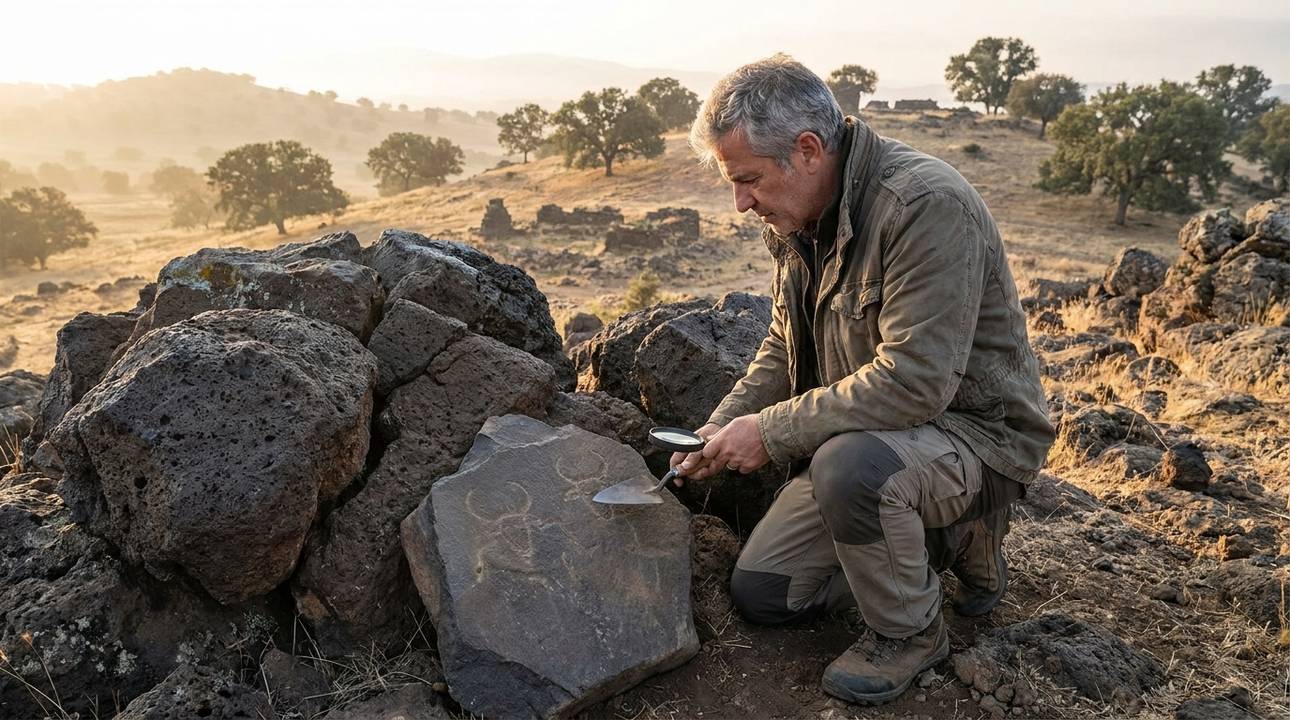
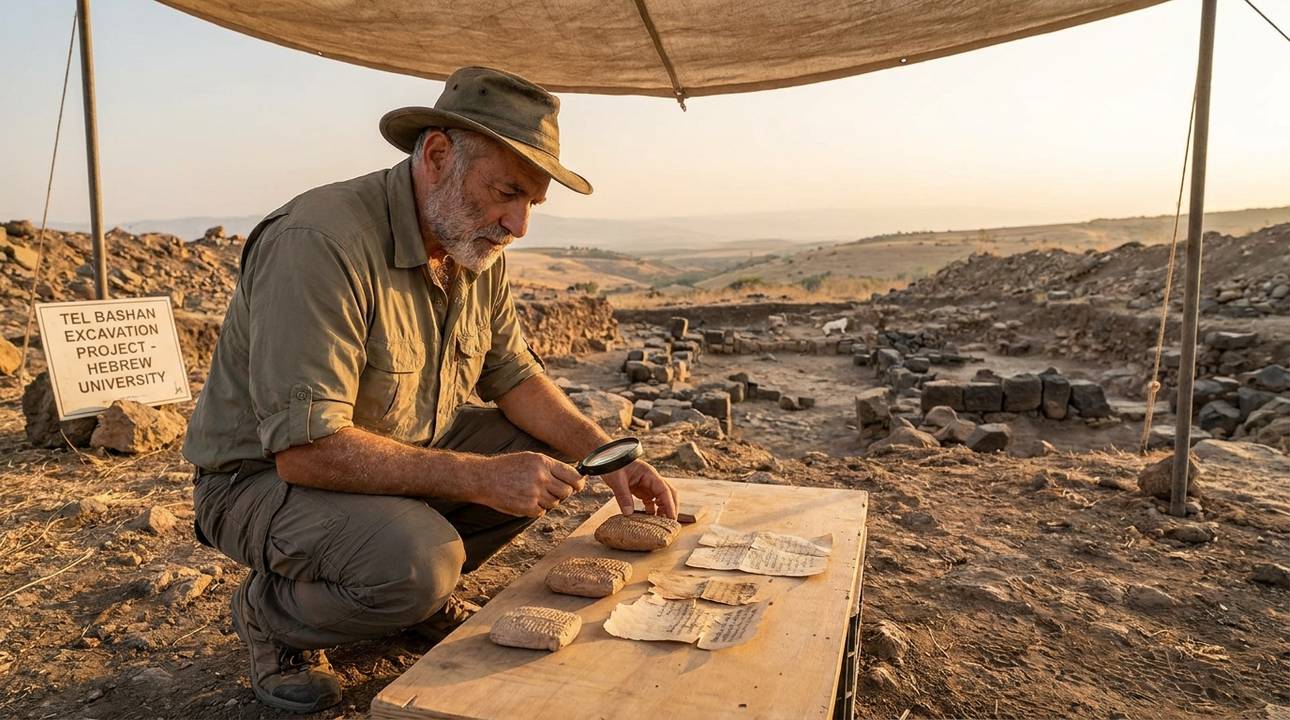
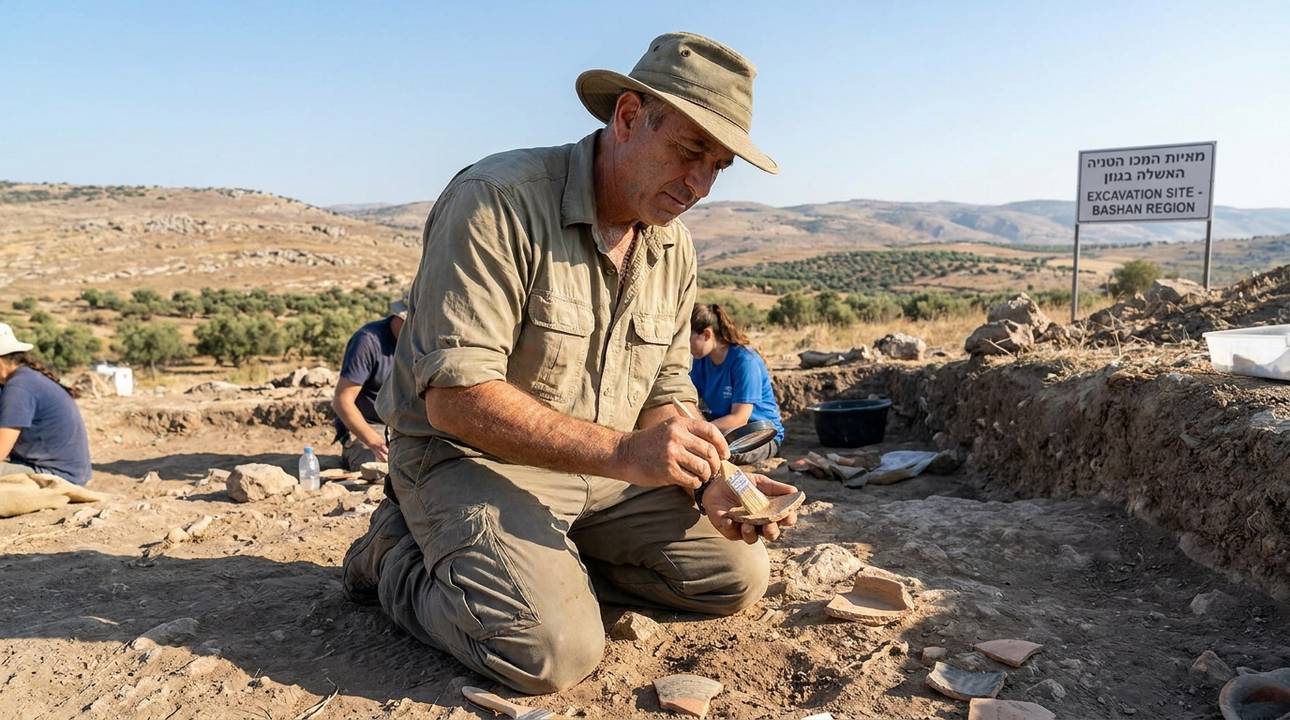
Modern research has expanded our understanding of Bashan. Archaeologists in the Golan and Hauran have uncovered pottery, tools, and remnants of ancient settlements.
These discoveries provide insight into daily life in the region and suggest that Bashan was active in the ancient Near Eastern trade networks.
Bashan’s location made it a hub for traders and travelers. Recent finds, like inscriptions, reveal the diverse cultures that interacted there.
Ongoing research continues to enrich our understanding. Each discovery helps scholars piece together the region’s historical significance.
Bashan’s position made it a crossroads for trade and cultures. Situated east of the Jordan River, it was accessible via several ancient routes.
Today, scholars study the region to understand its role in biblical events, such as the battle with Og, to grasp its historical importance.
Cultural Legacy of Bashan
Bashan’s narrative extends beyond the Bible into later cultural works. Its land and giants feature in literature and folklore. The tales of Og and the ‘bulls of Bashan’ have inspired many creative works.
Writers have drawn on these stories. For instance, the English poet William Blake referenced Bashan in his poems ‘Milton’ and ‘Jerusalem.’
Bashan continues to captivate artists and writers. Its image as a land of giants and fertile plains symbolizes strength and prosperity.
This depiction of Bashan appears in numerous artistic expressions. The region’s story has persisted through time.
Bashan’s enduring appeal stems from its association with abundance and strength. In literature, it often represents a rich, powerful land.
Writers have also utilized the ‘mountain of Bashan’ from Psalm 68, using it to depict a majestic landscape.
Bashan’s history and biblical role have made it a source of inspiration in various works. Its portrayal as a land of strength and plenty continues to resonate with audiences.
These narratives are retold, ensuring Bashan’s place in the cultural memory of the region.
Historical Context
