
Exploring the Journey in Numbers 21


Numbers 21 provides a fascinating look into the travels and battles of the Israelites as described in the Torah. Each location on this journey holds unique importance, such as the wilderness of Zin and the plains of Moab.
In this article, we will explore the key places mentioned in Numbers 21, using maps to understand their geography and significance. From the Sinai wilderness to the borders of their new homeland, the Israelites’ journey is rich with lessons and deep cultural heritage, including their encounters with various tribes and kings. Consider subscribing to receive a curated selection of items that celebrate this heritage.
The journey from the Sinai to their new homeland includes significant events like the defeat of King Sihon and the capture of his city, Heshbon. These battles not only secured land but also strengthened the Israelites’ resolve. As we delve into these locations, we’ll uncover the layers of meaning and history embedded in each site, showing the legacy of the Israelites’ journey. This exploration highlights the profound connection between geography and the narrative of the Torah.
from the Western Wall to Masada.

What Are the Key Locations in Numbers 21?
Numbers 21 begins with the Israelites in the Negev, where they engage in battle against the Canaanite king of Arad. This encounter is detailed in the early verses of Numbers 21, where the Israelites achieve a significant victory. Following this triumph, they journey from Mount Hor towards the Red Sea, deliberately avoiding the land of Edom.
During this period, they face numerous challenges, including the incident of the brazen serpent, which is recorded later in Numbers 21. Each location on this map marks a crucial milestone in their quest for a new homeland. Consider subscribing to receive a curated selection of items that reflect this journey.
The Israelites’ path continued towards the Amorite territories. They requested passage through these regions but were refused by King Sihon. A battle ensued, resulting in the capture of the Amorite city Heshbon.
These events illustrate the challenges and triumphs that accompanied the Israelites on their trek, marking significant turning points in their journey. The refusal of passage and subsequent victory over Sihon demonstrated the Israelites’ determination and the strategic importance of their conquests.
Heshbon became a key settlement for the Israelites, providing them with a stronghold in the region and an opportunity to establish their presence in the land. This victory is commemorated in Jewish memory.
The capture of Heshbon not only secured vital territory but also symbolized the Israelites’ determination and support. The city’s strategic location allowed them to control important trade routes, further solidifying their foothold in the region and paving the way for future conquests.
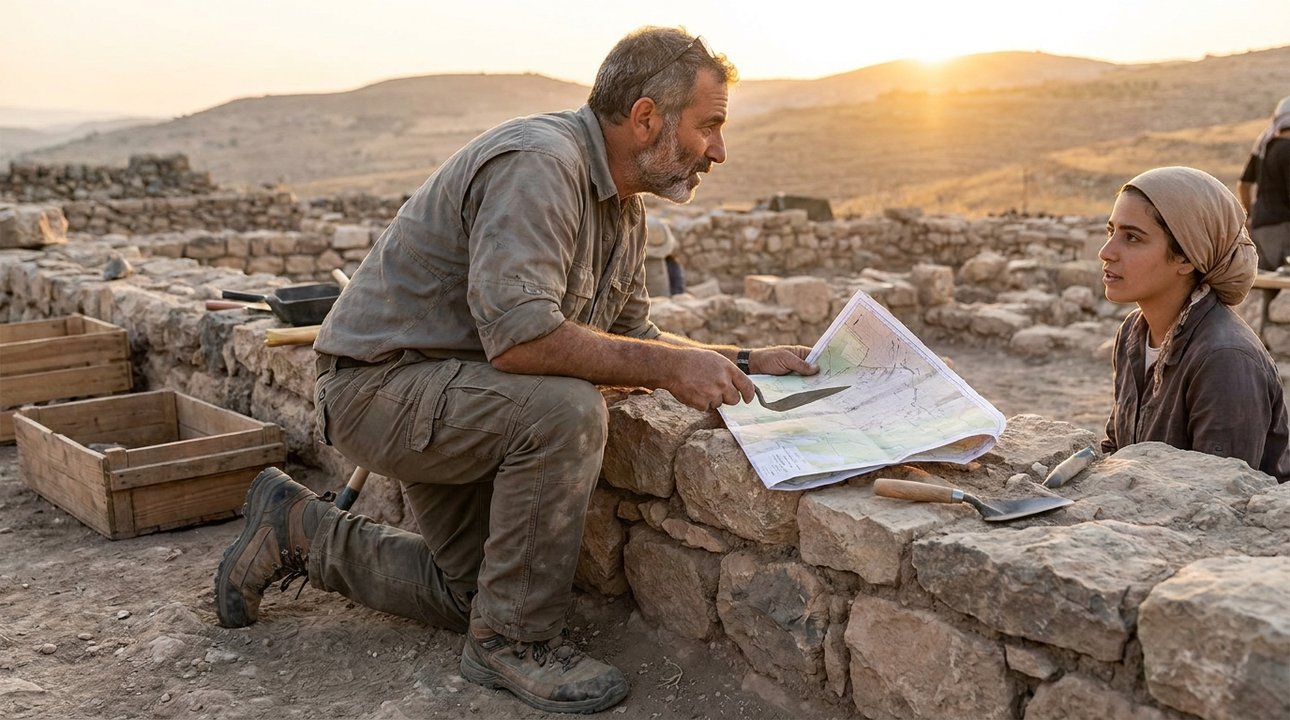
How Did the Israelite Journey Progress in Numbers 21?
Moving forward, the Israelites encountered Og, the king of Bashan, at Edrei. This battle was crucial, as it allowed them to secure the northern territories. Og’s defeat not only provided tactical advantage but also symbolized overcoming seemingly insurmountable odds. The narrative of Numbers 21 details these decisive confrontations that paved the way for entering their new homeland. The victory over Og was seen as a sign of the Israelites’ strength.
This triumph reinforced their confidence and unity as they prepared to cross the Jordan River and claim their inheritance in the land promised to their ancestors. These victories not only expanded the Israelites’ territory but also served as powerful reminders of their determination. The stories of these battles are still remembered and teach valuable lessons about perseverance in the face of adversity.
The successful conquests and territorial expansions illustrated in Numbers 21 marked major advancements for the Israelites. These victories included the defeat of King Sihon of the Amorites and King Og of Bashan. These events were pivotal in shaping the future of the tribes, influencing their settlement plans and cultural development. The victory over Sihon allowed the Israelites to control the region of Gilead, while the defeat of Og opened the way to the northern territories. This expansion was crucial for the Israelites’ future settlement, as it provided them with fertile lands and strategic locations for defense and trade. These conquests not only expanded their territory but also strengthened their identity as a unified people. The victories demonstrated their determination. Consider subscribing to receive a curated selection of items that celebrate this heritage, featuring 6-8 products that vary with each delivery.
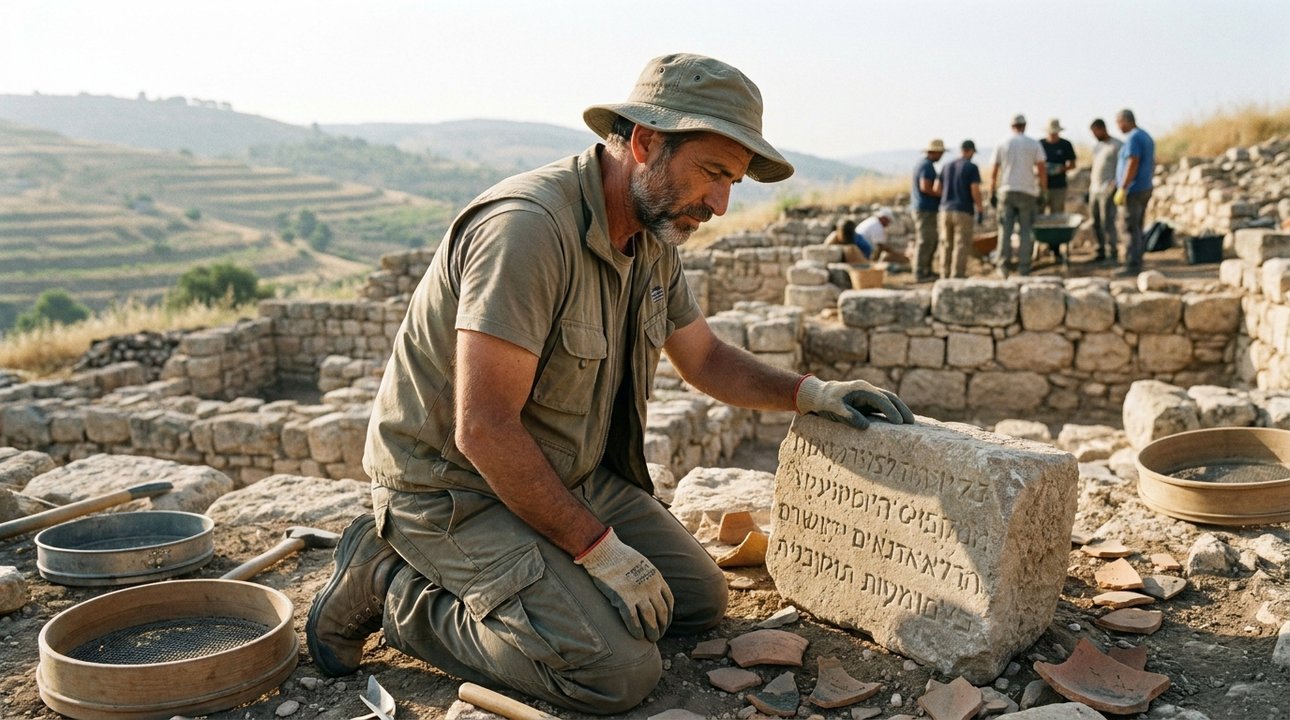
What Cultural Impacts Did These Places Have?
The sites in Numbers 21 have left a lasting cultural impact on the Jewish heritage. Locations like Edrei and Heshbon have been referenced in later texts and traditions. These places are more than mere historical sites; they are integral parts of the shared history of the Jewish people. Understanding their significance offers a deeper appreciation of the historical narrative and identity, as these locations are woven into the fabric of Jewish tradition.
from the Western Wall to Masada.
The stories of these locations are reminders of the challenges and victories that shaped the nation’s history and identity. The capture of Heshbon, for example, marked a turning point in the Israelites’ journey, providing them with a strategic foothold in the region. These narratives are retold during Jewish festivals and educational settings, reinforcing their importance in Jewish culture and tradition. The legacy of these sites is still remembered and educate, offering lessons in perseverance and faith that resonate in contemporary Jewish life.
The events described in these regions have been subjects of contemplation and learning in Jewish tradition. By exploring these locations, we uncover layers of meaning and history that contribute to the communal identity of the Jewish people.
These sites serve as reminders of the Israelites’ journey and the divine assistance they received along the way. The stories associated with these places are retold during festivals and educational settings, reinforcing their importance in Jewish culture and tradition.
Through these narratives, the Jewish people find inspiration and lessons in perseverance, faith, and the importance of community, all of which continue to resonate in contemporary Jewish life.
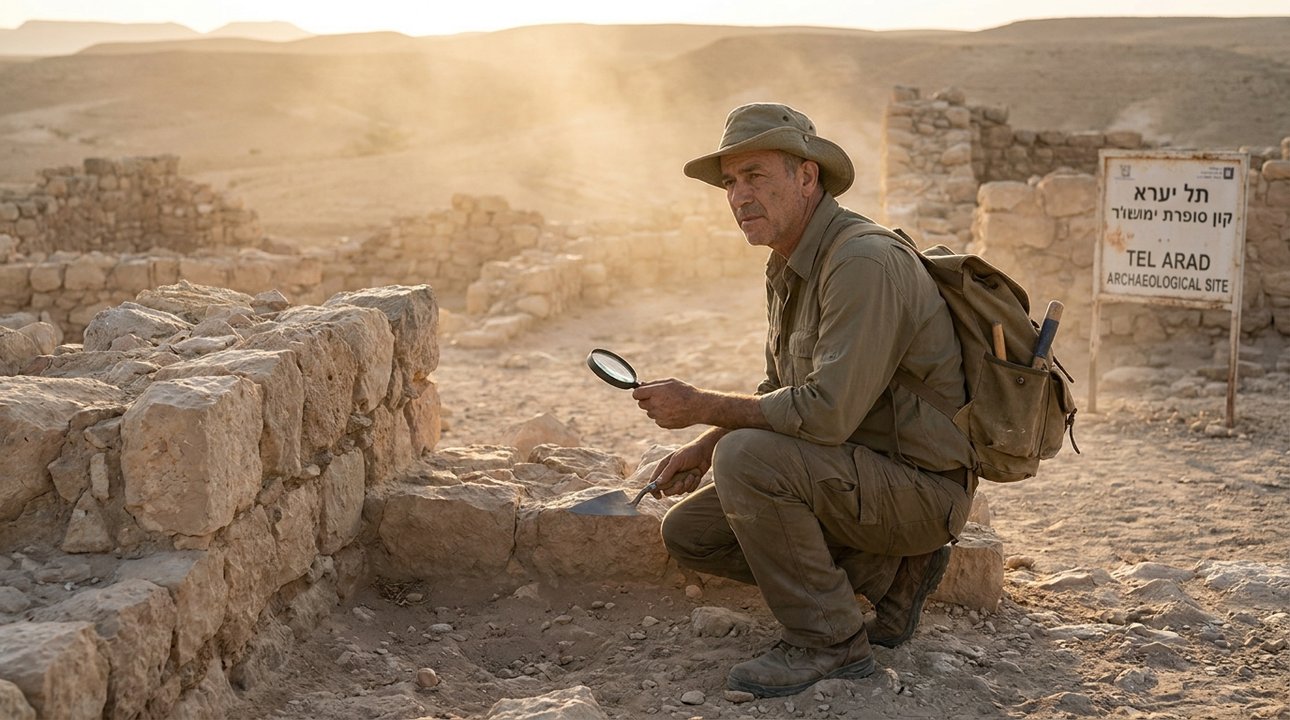
Present-Day Understanding of Numbers 21 Locations
Today, the locations mentioned in Numbers 21 continue to be areas of interest for archaeologists and historians. Excavations in places like Heshbon and Edrei provide insight into their ancient contexts.
Through these studies, the historical realities of these accounts are further illuminated, allowing us to connect the stories with physical evidence. For instance, findings in the region of the Amorites help confirm the narrative of the Israelites’ conquests, offering a tangible link between past and present.
Scholarly exploration helps bridge the past with the present, enriching our understanding of these timeless accounts. By examining artifacts and ancient structures, researchers gain a deeper appreciation for the historical and cultural role of these sites. This ongoing research not only enhances our knowledge of history but also fosters a greater appreciation for the cultural heritage that these locations represent. The work of archaeologists continues to shed light on the ancient world, providing context and depth to the stories of the Torah.
Although the exact locations may hold different names today, their history remains. For example, the city of Heshbon, captured from the Amorites, is mentioned in later texts. These sites, steeped in history, offer a rich field of study for those wishing to delve deeper into the past. Understanding these places helps us appreciate the enduring nature of these narratives in contemporary contexts. Archaeological studies and historical research continue to uncover new insights into these ancient cities.
These explorations not only enhance our knowledge of history but also deepen our appreciation for the cultural heritage that these locations represent. The work of archaeologists and historians provides a tangible connection to the stories, allowing us to experience the ancient world in new ways. As we learn more about these sites, we gain a greater understanding of the historical and cultural contexts in which these events unfolded, enriching our appreciation for the legacy of these narratives.
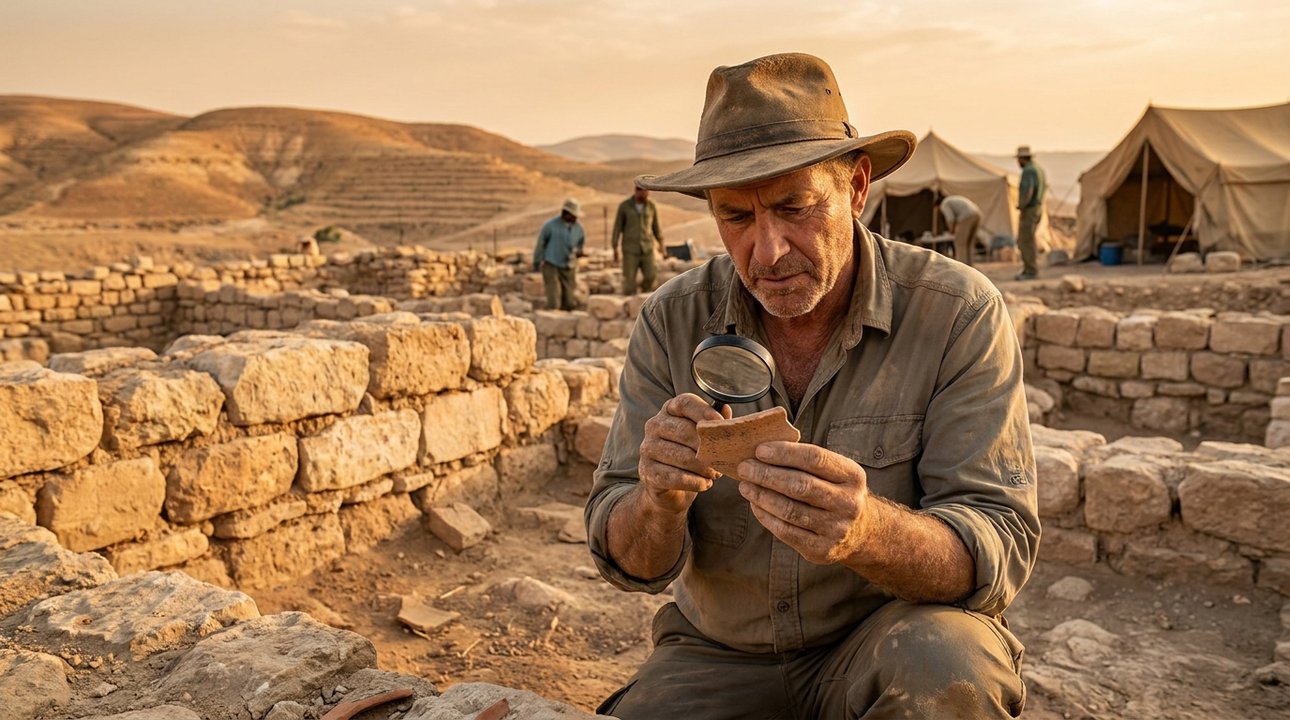
Understanding Numbers 21
