
Tracing the Kingdom of Sihon


Sihon was a notable historical figure, known as the Amorite king who ruled over Heshbon. His kingdom was located east of the Jordan River, an area crucial in historical narratives. Sihon’s refusal to allow passage led to a battle resulting in his kingdom’s conquest. This event marked the beginning of territorial expansion for the Israelites.
Sihon’s defeat was a significant moment in the Israelites’ journey, demonstrating their ability to overcome powerful adversaries. This triumph reinforced their commitment to their journey. Sihon’s story highlights themes of perseverance, offering lessons for those interested in the historical journey of the Jewish people.
from the Western Wall to Masada.
This territory held strategic importance, often mentioned in relation to Israel’s journey during the Exodus. The conquest of Sihon marked a turning point, where the Israelites gained control over the land. This success was not only a military triumph but also a fulfillment of promises made to them. The acquisition of Sihon’s territory was a key step in their quest to establish a homeland, reinforcing their determination.
The victory over Sihon demonstrated the Israelites’ ability to secure their place in the region. This achievement served as a sign of their perseverance and commitment. Sihon’s story is remembered by those who seek to understand the historical journey of the Jewish people, highlighting themes of faith and resilience.
Who Was King Sihon?
King Sihon is a well-known figure, ruling the Amorite kingdom based around Heshbon. He appears in multiple historical accounts as a powerful king who controlled key regions. The Israelites sought passage through his territory. Sihon’s refusal led to a battle in which they emerged victorious, marking a pivotal moment in their journey.
The Geographic Boundaries of Sihon’s Kingdom
Sihon’s realm extended from the Arnon to the Jabbok rivers, establishing a large area of control. This territory was known for its fortified cities, agricultural land, and strategic location. Heshbon, the capital, was located in what is present-day Jordan. The region served as a significant buffer zone, influencing trade and travel routes in the ancient Near East.
The fortified cities within Sihon’s kingdom were crucial for maintaining control over the territory and protecting it from external threats. These cities also facilitated the movement of goods and people, contributing to the region’s prosperity. The strategic location of Sihon’s kingdom made it a focal point for trade and military campaigns, underscoring its significance in the broader context of ancient Near Eastern politics and economics.
Historical Accounts Involving Sihon
Historical records recount Sihon’s interaction with the Israelites. This event is crucial as it marks their first territorial acquisition east of the Jordan. They engaged Sihon in battle, resulting in a decisive victory that allowed them to claim the land, highlighting the tensions and conflicts during the Israelite migration.
The confrontation with Sihon was a pivotal moment in the Israelites’ journey, as it demonstrated their ability to overcome formidable adversaries. The victory not only expanded their territory but also solidified their resolve to continue their quest for a homeland. This narrative, with its themes of conflict and triumph, is a key component of the wider story of their journey from slavery in Egypt to freedom and settlement.
Historical and Archaeological Insights
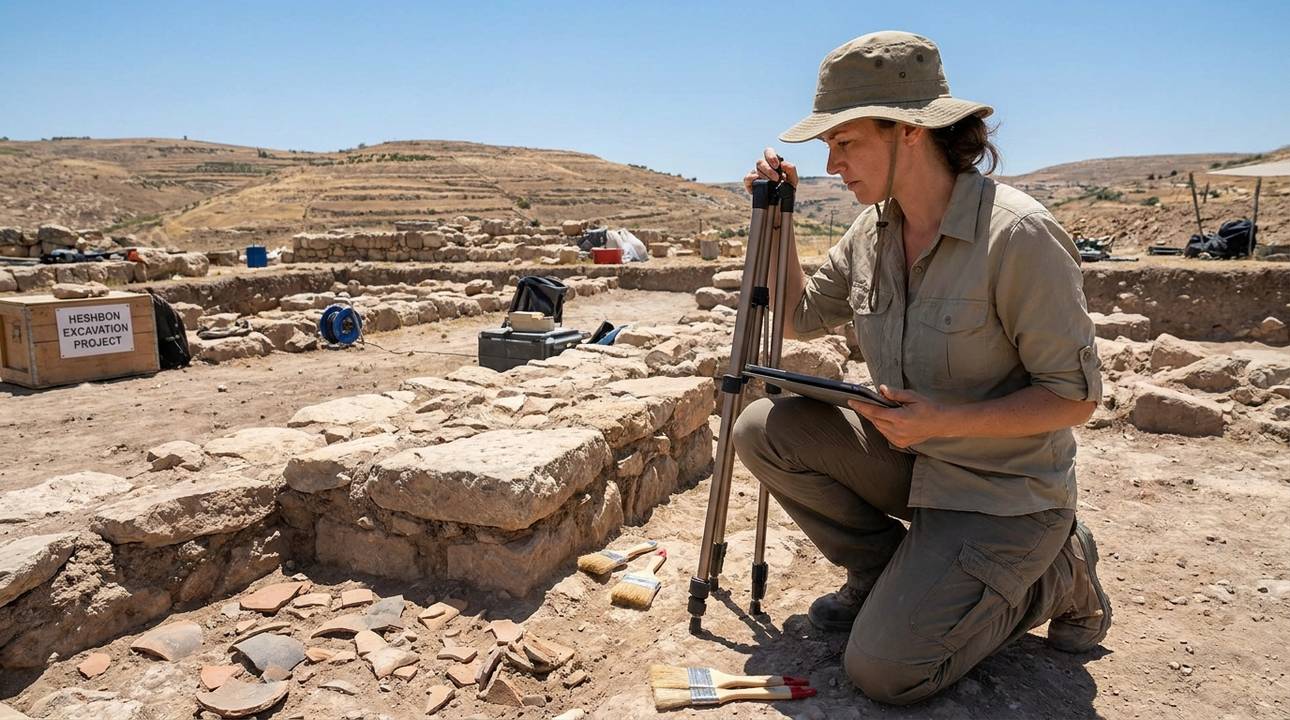
Archaeological findings provide insights into the region’s history. Excavations near Heshbon reveal fortified structures, supporting its depiction as a major city. The strategic location is confirmed by its mention in Egyptian and Assyrian records, such as the Amarna letters, which document diplomatic correspondence between ancient Near Eastern rulers. These sources underscore the region’s importance in ancient geopolitics, highlighting its role as a crossroads for trade and military campaigns.
The fortified structures found at Heshbon suggest that it was a well-defended city, capable of withstanding sieges and attacks. This aligns with historical accounts that describe Heshbon as a significant stronghold in the land of the Amorites. The city’s prominence is further evidenced by its inclusion in the lists of conquered territories in both Egyptian and Assyrian records, indicating its strategic value in controlling trade routes and regional power dynamics.
Cultural Impact of Sihon’s Kingdom
Sihon’s kingdom influenced the region’s culture and economy significantly. As a crossroad for trade, it facilitated the exchange of goods and ideas, contributing to the area’s prosperity. The kingdom’s fall to Israel marked a shift in control, setting precedents for later changes and altering the region’s political landscape. The integration of Sihon’s territory into Israelite control had lasting effects on the cultural and economic development of the region.
The fall of Sihon’s kingdom opened new opportunities for the Israelites to expand their influence and establish their presence in the region. This shift in control also led to the blending of cultures, as they absorbed elements of Amorite society into their own. The conquest of Sihon’s kingdom is a key moment in history, symbolizing their determination to secure a homeland.
These changes are reflected in the cultural layers seen in the archaeological record. Artifacts unearthed in the area reveal the diverse influences that shaped the region’s history. The transition of power from Sihon to the Israelites is a sign of the dynamic nature of ancient Near Eastern politics. Excavations have uncovered pottery and inscriptions that indicate a blend of Amorite and Israelite cultures, illustrating the complex interactions between different peoples.
The archaeological findings also include remnants of fortifications and settlements that highlight the strategic importance of the region. The conquest of Sihon’s kingdom by the Israelites marked a significant shift in the political landscape, paving the way for future conquests and the establishment of their control over the land. These discoveries provide insights into the cultural and political transformations that occurred during this period.
Sihon’s Kingdom in Modern Scholarship
Modern scholars continue to study Sihon’s kingdom, intrigued by its historical mention and context. Research focuses on understanding its role in regional politics and its relations with neighboring kingdoms such as Moab and Ammon. This ongoing exploration sheds light on history and its correlation with archaeological evidence, providing a deeper understanding of the ancient Near East.
Scholars examine artifacts and ancient texts to piece together the political landscape during Sihon’s reign. The kingdom’s interactions with Israel offer insights into the complex dynamics of the region. By studying these connections, researchers aim to bridge the gap between narratives and historical realities. The accounts of Sihon’s kingdom provide a foundation for understanding the geopolitical tensions of the time.
The analysis of ancient texts, such as the Amarna letters, reveals the diplomatic and military strategies employed by Sihon’s kingdom. These documents, along with archaeological evidence, paint a picture of a region characterized by shifting alliances and power struggles. By examining these sources, scholars can better understand the historical context of Sihon’s reign and the broader political landscape of the ancient Near East.
What Remains of Sihon’s Legacy?
The legacy of Sihon’s kingdom lives through historical narratives and archaeological discoveries. His story serves as a touchstone for understanding the complexities of ancient Near Eastern politics. While little remains visibly today, the essence of Sihon’s reign persists through ongoing research and education, helping to illuminate the past. Archaeologists continue to explore the region, uncovering artifacts that shed light on the daily life and governance of Sihon’s kingdom.
from the Western Wall to Masada.
The historical accounts of Sihon’s reign provide a framework for interpreting the archaeological findings, allowing scholars to piece together a more complete picture of the ancient world. These narratives, coupled with physical evidence, offer insights into the political and cultural landscape of the time. Through these efforts, Sihon’s story continues to be a focal point for scholars and enthusiasts alike, bridging the gap between history and modern understanding.
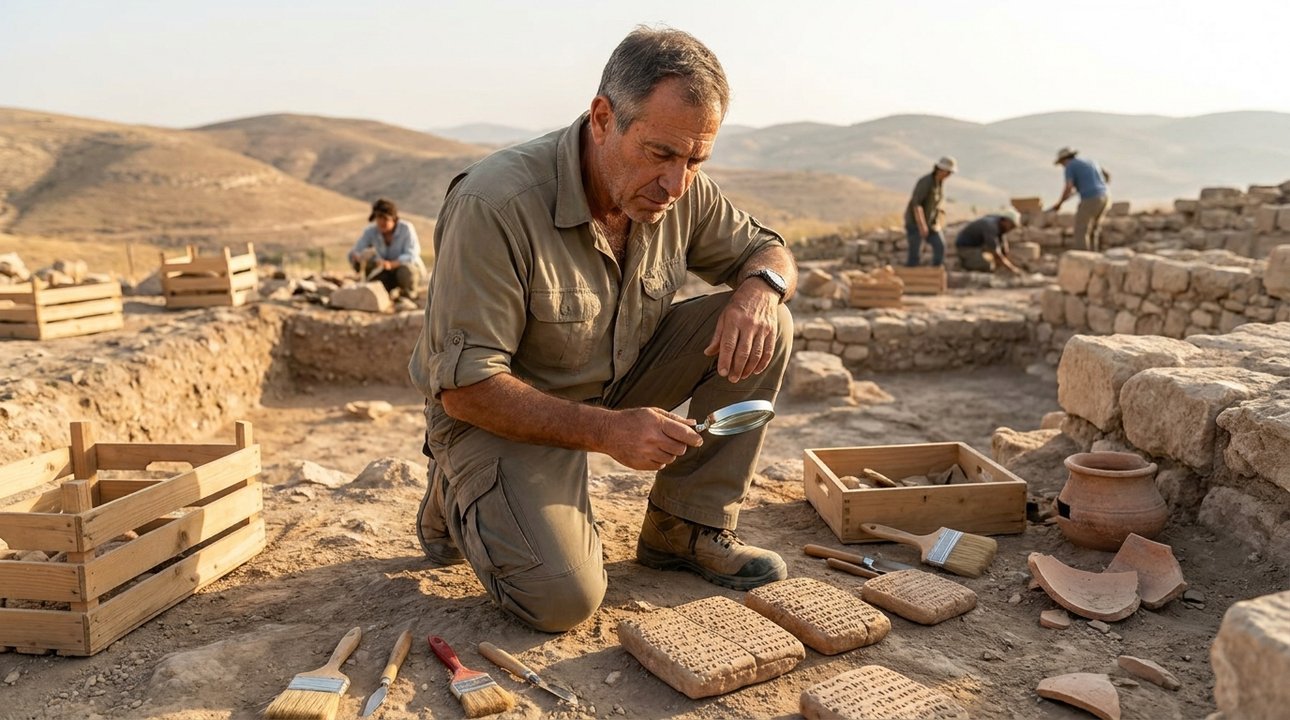
Archaeological findings in the region, such as pottery and inscriptions, provide glimpses into the life and times of Sihon’s kingdom. These discoveries offer valuable context for the historical accounts, enriching our understanding of the era. Pottery fragments reveal trade connections with neighboring regions, while inscriptions provide insights into the language and governance of the Amorite kingdom.
The artifacts unearthed in the region serve as tangible links to the past, allowing researchers to reconstruct the social and economic structures of Sihon’s kingdom. These findings highlight the kingdom’s role as a hub of cultural exchange, where ideas and goods flowed freely between different peoples. By examining these artifacts, scholars gain a deeper understanding of the historical context in which the narratives were set, enhancing our appreciation of the ancient world.
Where Is the Land of Sihon Today?
Today, the area of Sihon’s former kingdom lies within modern-day Jordan, specifically in the region around the ancient city of Heshbon. This area is now part of the contemporary landscape, yet its history is preserved in historical accounts. Although much of the physical evidence has eroded over time, the region’s past continues to captivate historians and theologians alike. The study of Sihon’s kingdom offers insights into the political and cultural dynamics of the ancient Near East.
The remnants of Sihon’s kingdom, though largely invisible today, serve as a sign of the history and cultural exchanges that took place in the region. Archaeological discoveries continue to provide context for the narratives, enriching our understanding of the era. Through these efforts, Sihon’s story remains a focal point for scholars and enthusiasts, bridging the gap between history and modern scholarship.
Though not much is visible now, its history continues to captivate historians and theologians alike. Heshbon is mentioned as a city of significance, and its strategic location made it a focal point in history. The remnants of Sihon’s kingdom serve as a sign of the history and cultural exchanges that took place in this region. Archaeological discoveries in the area provide insights into the daily life and governance of the Amorite kingdom.
The strategic location of Heshbon made it a key player in the political and economic landscape of the ancient Near East. The city’s prominence is reflected in its frequent mention in historical narratives and its inclusion in the lists of conquered territories by neighboring powers. The ongoing study of Heshbon and its surrounding region continues to shed light on the complex interactions between different cultures and peoples in the ancient world.
Sihon’s Impact on Jewish Tradition
In Jewish tradition, Sihon represents a key adversary overcome in the quest for a homeland. His role in historical stories underscores themes of perseverance. The Israelites’ victory over Sihon is celebrated as a sign of their determination. These themes continue to resonate, showing the enduring narrative of seeking and securing a place of belonging, a central aspect of Jewish history and identity.
Sihon’s story also serves as a reminder of the challenges faced by the Israelites in their journey. Each victory, such as the one over Sihon, reinforced their commitment to their purpose and strengthened their resolve to overcome future obstacles. This narrative of perseverance has been passed down through generations, inspiring those who seek to understand the historical journey of the Jewish people.
Sihon’s defeat is a powerful reminder of the struggles faced by the Israelites on their journey. They sent messengers to Sihon, king of the Amorites, asking for passage through his land. Sihon refused and attacked Israel, leading to a decisive battle. They overcame Sihon’s forces and took possession of his land. This victory highlights the importance of determination in overcoming obstacles.
This narrative serves as a source of inspiration, reflecting the timeless quest for identity and homeland. The Israelites’ triumph over Sihon marked their first territorial acquisition east of the Jordan River, a significant milestone in their journey. Their victory not only demonstrated their military prowess but also reinforced their belief in their mission to secure a homeland, a theme that resonates throughout history.
Sihon’s story is more than a historical account; it is part of a larger narrative that intertwines with Israel’s history. Sihon was defeated by the Israelites during their journey. This victory symbolized a pivotal moment, marking a shift in territorial control and highlighting themes of perseverance and identity. Their triumph over Sihon was a significant step in their quest to establish a homeland, reinforcing their resolve.
Sihon’s defeat also served as a reminder of the challenges and obstacles the Israelites faced on their journey. Each victory, such as the one over Sihon, strengthened their belief in their mission and their determination to overcome future adversaries. This narrative continues to resonate, showing the enduring themes of perseverance and identity that are central to the Jewish historical and spiritual experience.
Understanding his kingdom’s place in history enriches our appreciation of events. Sihon’s defeat was not just a military conquest but a fulfillment of a promise to the Israelites. This narrative connects past victories with present-day reflections on identity and heritage, illustrating the enduring impact of these ancient stories.
Sihon's Historical Context
