
Discovering the Historical Locations of Pul and Lud


Pul and Lud appear in historical records as regions tied to ancient empires and peoples. This article investigates their historical locations and significance. Pul is frequently associated with the Assyrian Empire, while Lud is connected to the descendants of Shem.
These connections provide a backdrop for understanding the roles these regions played in historical narratives and their interactions with Israel. The historical context enriches our appreciation of these ancient societies.
What Is the Location of Pul?
Pul is often identified with a ruler of Assyria mentioned in historical narratives. Some scholars link Pul to Tiglath-Pileser III, a known Assyrian king in the 8th century BCE. This connection is drawn from the overlap in historical records.
The region of Pul was under Assyrian control during this era. The Assyrian Empire’s expansion into the Levant brought significant political and cultural changes, influencing the historical context of the time.
from the Western Wall to Masada.

The identification of Pul with Tiglath-Pileser III is supported by records that align with historical accounts.
This era marked a period of Assyrian dominance in the region, with Tiglath-Pileser III’s campaigns extending Assyrian influence over Israel and neighboring territories.
These historical interactions are crucial for understanding the geopolitical dynamics that shaped the narratives, highlighting the impact of Assyrian policies on the Levant.
The Assyrian Empire’s expansion included territories like Babylon and regions in the Levant, which are critical to understanding the historical context of Pul’s mention.
King Tiglath-Pileser III extended the empire’s reach, impacting the political landscape of the time. This expansion brought Assyria into direct contact with Israel and its neighbors, influencing the events recorded in historical texts.
Tiglath-Pileser III’s campaigns were marked by strategic military conquests and the establishment of Assyrian control over vast territories. His reign saw the incorporation of regions like Israel into the Assyrian Empire, as evidenced by historical records.
The presence of Assyria in the Levant reshaped the political and cultural landscape, with vassal states like Israel navigating complex alliances and tributes to maintain autonomy, as depicted in historical narratives.
Where Was Lud Located Historically?
Lud is associated with a people known in several ancient texts, including the Bible. They are considered a group from Asia Minor, possibly linked to the Lydians of Western Anatolia. Herodotus, the ancient historian, also references the Lydians, noting their influence in the region.
The mention of ‘Lud’ can refer to both a region and its inhabitants. This dual reference underscores the importance of Lud as both a geographic and cultural entity in the ancient Near East.
The Lydians, potentially linked to Lud, were known for their wealth and innovations, such as the introduction of coinage. This economic influence extended throughout the region, impacting trade and cultural exchanges.
Historical references to Lud highlight its role in supplying warriors, indicating its military significance. These historical connections enrich our understanding of Lud’s place in the ancient world.
Lud’s inclusion in lists of nations in prophetic books offers insight into its geopolitical significance at the time. Lud is mentioned as part of a group of nations that will witness significant events, highlighting its role in the broader narrative.
This inclusion underscores Lud’s importance as a recognized entity within the region, influencing and being influenced by the unfolding events of the era. The texts reflect the interconnectedness of these ancient nations.

Historical References to Pul
Pul is mentioned in the context of Assyrian campaigns. This reference highlights Assyria’s influence over Israel during the divided monarchy. Pul’s campaign is part of a broader Assyrian strategy to exert control over the Levant.
The political dynamics underscored by Pul’s mention are crucial in understanding the era’s international relations. This period saw shifting alliances and power struggles that shaped the history of Israel and its neighbors.
The tribute paid by King Menahem of Israel to Pul reflects the complex political landscape of the time. This act was a strategic move to secure Assyrian support and maintain stability within Israel.
Such interactions illustrate the delicate balance smaller states had to maintain with larger empires, navigating alliances and tributes to preserve their autonomy amidst the power struggles of the ancient Near East.
Assyria’s methods of tribute and control are echoed in the narrative concerning Pul, reflecting broader themes of empire and power in history. The act of tribute is a common theme in the interactions between smaller states and larger empires, illustrating the complex power dynamics at play during this period. Such narratives reveal the challenges faced by Israel.
The tribute system employed by Assyria was a key aspect of its imperial strategy, allowing it to exert influence over vassal states like Israel. This system is exemplified in the account of Pul, where tribute payments were used to secure political alliances and maintain stability.
These interactions highlight the precarious position of smaller states within the Assyrian Empire, as they navigated the demands of tribute and allegiance to preserve their autonomy and security.
Lud in Prophetic Literature
Prophetic books list Lud among other nations, suggesting a broader narrative of judgment and restoration. Lud is mentioned alongside Cush and Put, highlighting its role in the vision of nations facing significant events.
This literary use offers insights into the perceived roles of surrounding nations during prophetic pronouncements. These texts reflect the interconnectedness of these ancient societies and their shared destinies in the prophetic imagination.
The inclusion of Lud in prophetic texts underscores its significance in historical narratives. These mentions often serve as a reflection of the geopolitical realities of the time, with Lud representing one of the nations subject to significant events.
Such references provide a window into the ancient worldview, where nations were seen as part of a larger plan, with their actions and fates intertwined in the visions of the authors.
Lud’s inclusion in these texts indicates its recognized status among regional powers influencing Israel. Lud is often mentioned alongside other significant nations, suggesting that Lud was not only a recognized power but also a contributor to the military endeavors of its allies. This further emphasizes its importance in the ancient geopolitical landscape.
from the Western Wall to Masada.
The strategic alliances involving Lud highlight its role in the military and political spheres of the ancient Near East. By providing warriors to Tyre, Lud demonstrated its military capabilities and influence.
These alliances were crucial for maintaining balance and security among neighboring regions. The mentions of Lud underscore its significance as a player in the complex web of relationships that defined the geopolitical landscape of the time.
Cultural and Historical Impact
The peoples of Pul and Lud were integral to the culture of the ancient Near East. Trade routes, military alliances, and migrations between these regions and Israel significantly shaped the historical narratives preserved in texts. These interactions underscore the interconnectedness of ancient societies and their influence on the history we study today.
The mention of Lud in texts highlights its strategic importance. Lud’s warriors were renowned, and their involvement in Tyre’s defense showcases the military alliances that were crucial in maintaining the balance of power. This interconnectedness is further illustrated by the trade networks that linked these regions, facilitating not only the exchange of goods but also cultural and technological innovations.
Understanding these interactions provides context for the stories involving neighboring powers. For instance, the interactions between Israel and its neighbors, like Moab and Edom, are better understood when considering the regional dynamics.
The conflict with Moab highlights the complex alliances and enmities that shaped Israel’s history. Similarly, the alliances formed by historical figures illustrate the importance of these interactions in maintaining peace and prosperity.

Significance Today
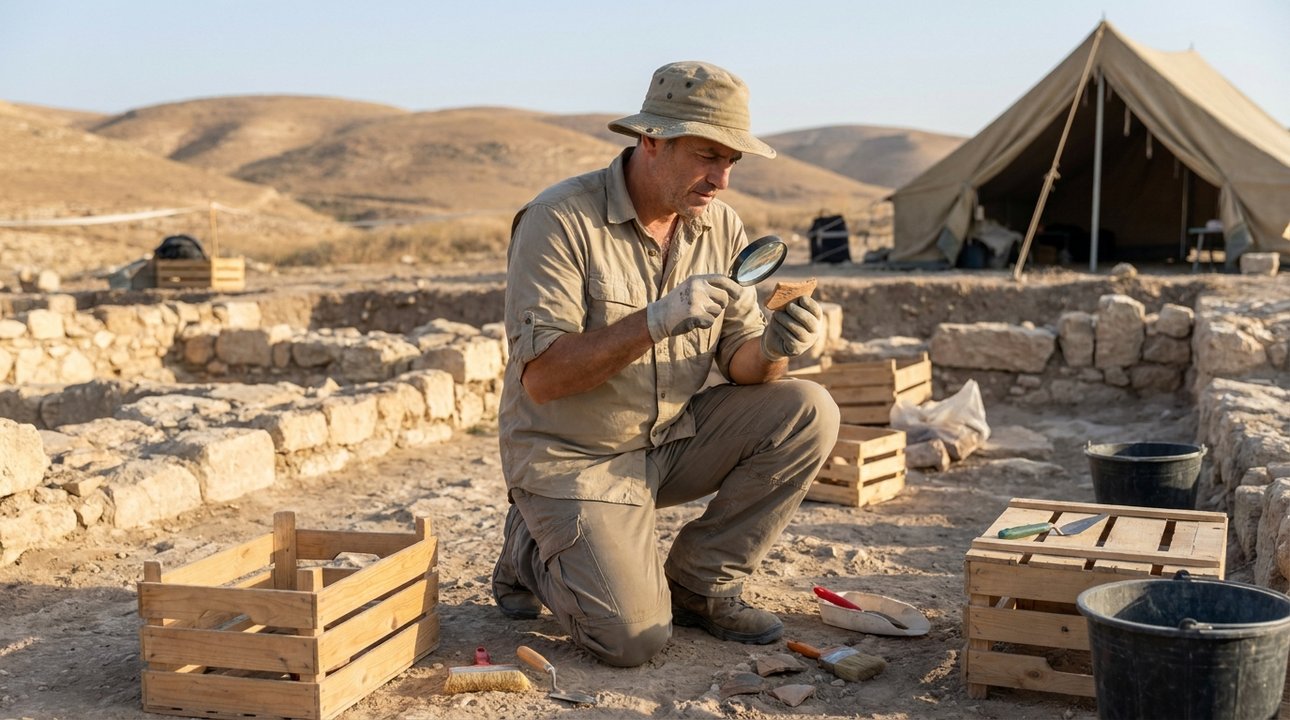
Modern archaeology occasionally unearths insights into the history of regions like Pul and Lud. These findings continue to inform our understanding of history and the interconnected world of ancient empires.
Excavations in areas linked to the Assyrian Empire, for instance, have revealed artifacts that corroborate accounts of Assyrian dominance, where the Assyrian army faces significant challenges.
Archaeological discoveries, such as inscriptions and artifacts, provide tangible evidence of the interactions between ancient empires and regions like Pul and Lud. These findings help reconstruct the historical context of narratives.
For example, reliefs depicting Assyrian military campaigns offer insights into the strategies employed by kings, further illuminating the geopolitical dynamics that influenced the ancient world.
The historical study of these places remains a vital aspect of comprehending the larger narrative. By examining archaeological findings and historical records, scholars gain insights into the daily lives and cultural practices of ancient peoples.
For example, excavations in the region of Mesopotamia have uncovered artifacts that shed light on the influence of the Assyrian Empire, as seen in historical accounts of kings.
Artifacts such as pottery, inscriptions, and architectural remains provide a glimpse into the societies that interacted with Israel. These findings help contextualize events, offering a richer understanding of the historical backdrop.
The study of regions like Pul and Lud, through both archaeological and textual evidence, contributes to a more nuanced appreciation of the ancient Near East and its influence on history.

Conclusion and Further Reflection
Pul and Lud are more than mere names; they represent historical realities that help paint a fuller picture of the past. Their mentions offer invaluable insights into the geopolitical landscape of earlier eras.
Exploring Pul and Lud invites reflection on how these connections shaped history. Understanding these regions helps illuminate the complex web of relationships that defined the Near East, offering a deeper appreciation for the narratives within the texts.
The history of Pul and Lud extends beyond their mentions. Pul, often associated with Assyrian rulers, and Lud, linked to the Lydians, highlight the diverse cultures that influenced the region. These connections reveal the intricate political and cultural exchanges that occurred, shaping the development of societies. By examining these interactions, we gain a clearer understanding of the historical context in which events unfolded, enhancing our appreciation of the ancient world.
To support the preservation and understanding of Israeli heritage, consider exploring Lev Haolam’s gift boxes. These curated collections not only celebrate the diverse culture of Israel but also provide a direct link to its communities. Your purchase helps sustain small businesses in Israel, connecting you to its ancient and modern narratives. By choosing these gift boxes, you contribute to the livelihoods of artisans and entrepreneurs who embody creativity and innovation.
Lev Haolam’s gift boxes offer a unique opportunity to engage with the cultural and historical richness of Israel. Each box is thoughtfully curated to include products that reflect the diverse traditions and craftsmanship of the region. By supporting these small businesses, you become part of a larger community dedicated to preserving and celebrating Israel’s heritage. These gift boxes serve as a meaningful way to connect with the land and its people, fostering a deeper appreciation for its legacy.
Understanding Pul and Lud
