Understanding Hormah in the Bible


Hormah is a name known from ancient texts, mentioned as an ancient city conquered by the Israelites. This city is first referenced in historical records, where the Israelites vowed to destroy it if they were victorious in battle. This article delves into its historical context, exploring its significance. Discover the stories and traditions surrounding Hormah, as we examine its place in Jewish heritage. From its early mentions to its legacy, Hormah provides a unique insight into the past. The city’s name, meaning ‘devotion to destruction,’ reflects the Israelites’ commitment to their vows. Hormah’s story is intertwined with the broader narrative of the Israelite conquest of the region, where it is listed among the defeated cities. This victory was a crucial step in establishing their presence in the area.
The city of Hormah is also mentioned in historical texts, where it was again conquered by the tribes of Judah and Simeon. This repeated conquest underscores its strategic importance in the region. The name ‘Hormah’ itself means ‘devotion to destruction,’ reflecting the vow made by the Israelites. Such historical contexts highlight Hormah’s role as more than a mere city; it represents a narrative of dedication and fulfillment of vows in Jewish history.
The Israelites vowed to destroy the city if they were victorious, which they achieved with support. This act of devotion was not just a military conquest but a fulfillment of a promise, illustrating the deep connection between commitment and action in their journey. Hormah’s repeated mention in historical texts further emphasizes its role as a symbol of perseverance and commitment to vows.
from the Western Wall to Masada.
What Is the Origin of Hormah in the Bible?
Hormah is first mentioned in historical accounts, where it is described as a city in the region. The Israelites attempted to capture it but faced setbacks. According to historical records, the Israelites were defeated by the Amalekites and others.
The city’s name, Hormah, means ‘destruction’ in Hebrew, reflecting this early conflict. Later, Hormah was successfully captured by the Israelites as they advanced into the region, symbolizing triumph over adversity.
The change in fortune for Hormah offers a narrative of determination within the historical text.
What Was Hormah’s Role in the Israelite Conquest?
The accounts of Hormah tie closely to the Israelite conquest of the region. It’s mentioned in historical records as one of the defeated cities during campaigns. This victory marked an essential step in the Israelites establishing their presence in the region. Hormah thus serves as a sign of the struggles and victories of the Israelites in securing their homeland. Such events underscore the significance of Hormah as more than just a geographical location; it represents a narrative of courage embedded in Jewish history. The city’s story is a powerful example of how determination can lead to triumph over adversity, inspiring future generations to persevere in their own journeys. Hormah’s legacy continues to resonate as a symbol of hope and perseverance.
The conquest of Hormah is part of the larger narrative of the Israelites’ journey to establish a homeland, as described in historical accounts. This period was marked by numerous battles and alliances, reflecting the complexities of establishing a new nation. Hormah’s repeated mention in these accounts highlights its strategic importance and the determination of the Israelites to fulfill their destiny. The city’s story is a powerful reminder of the perseverance required to achieve one’s goals, a theme that resonates throughout Jewish history. Hormah is listed among the cities conquered by the Israelites, underscoring its role in their quest to establish a homeland.
Archaeological Insights into Hormah
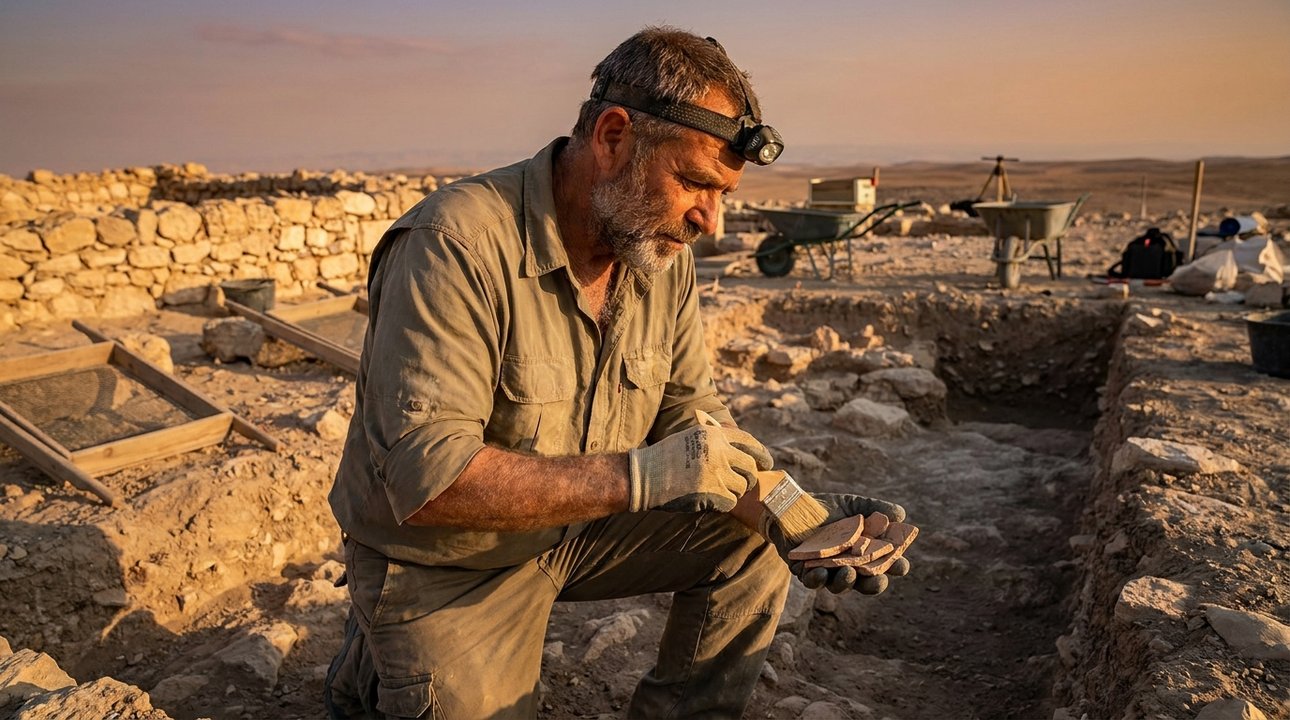
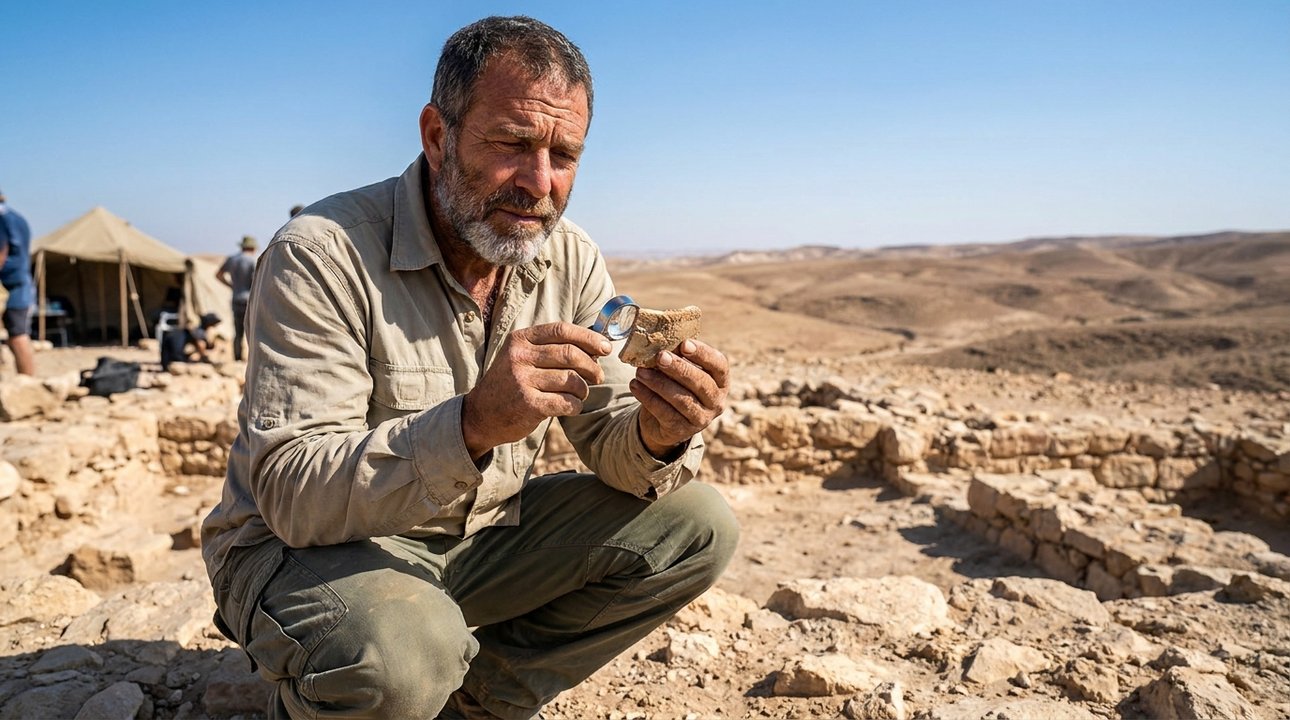
Archaeological digs in the region known today as Tell Arad have provided insights into Hormah’s historical context. Tell Arad, believed to be in the vicinity of Hormah, offers a glimpse into early life. Excavations have revealed fortifications and artifacts that suggest a community. Researchers have uncovered evidence of settlements dating back to earlier periods, aligning with the narratives found in historical records. Such discoveries allow historians to piece together the city’s past and its role during those historical periods. The artifacts found at Tell Arad, including pottery and inscriptions, provide valuable information about the daily lives and cultural practices of Hormah’s inhabitants. These findings help bridge the gap between historical accounts and reality, enriching our understanding of Hormah’s significance.
These findings enrich our understanding of Hormah, connecting historical stories to tangible remnants from history. The artifacts discovered, such as pottery and inscriptions, provide a window into the daily lives of its inhabitants. Excavations at sites like Tell Arad, believed to be near Hormah, reveal a community engaged in agriculture and trade, reflecting the economic activities of the time.
By studying these remnants, historians gain insights into the social and economic structures of the time. This tangible connection to the past helps bring the stories of Hormah to life, allowing us to appreciate its significance in a more profound way. The artifacts serve as a bridge between the historical narrative and reality, offering a glimpse into the lives of those who once inhabited this ancient city.
The Significance of Hormah in Jewish Tradition
Hormah holds a significant place in Jewish tradition, symbolizing moments of both defeat and victory for the Israelites. The Israelites faced defeat at Hormah, which marked a turning point in their journey. The city’s story serves as a reminder of perseverance and commitment. Rabbinic literature often draws on the narrative of Hormah to emphasize themes of endurance amidst challenges. These stories continue to resonate, reflecting the enduring nature of such historical narratives in shaping cultural and religious identity. Hormah’s tale is a powerful example of how historical events can inspire future generations to maintain their determination in the face of adversity.
Hormah’s tale encourages reflection on persistence within the Jewish faith. The repeated mentions in historical texts serve as a reminder of the trials faced by the Israelites and their eventual triumphs. This duality of defeat and victory is a powerful metaphor for overcoming adversity and maintaining commitment. Through these narratives, Hormah remains a symbol of hope and determination, inspiring generations to persevere despite obstacles, much like the Israelites did in their historical journey.
from the Western Wall to Masada.
Where Is Hormah Located Today?
The exact location of ancient Hormah remains a topic of some debate among scholars. While traditionally linked to the area near Tell Arad, definitive identification is not universally agreed upon.
Today’s researchers continue to explore and analyze archaeological evidence to piece together Hormah’s precise location in history. Understanding its geographical setting provides context to its historical narratives, enhancing our grasp of its role in history.
This ongoing research sheds light on how Hormah might have interacted with neighboring regions in earlier times.
Hormah in Historical Prophecy and Literature
Hormah’s mention alongside other key locations in historical prophecy highlights its role in the broader narrative of Israel’s history. Prophetic books may allude to its significance in envisioning the restoration of Israel. Such mentions connect Hormah’s past challenges to themes of hope and redemption that recur throughout historical texts. These literary contexts illustrate Hormah not just as a historical place but as a symbol within teachings. The city’s story is woven into the fabric of Israel’s prophetic vision, serving as a reminder of the enduring promise of restoration and peace.
Hormah’s story becomes a part of the mix of narratives that enrich the spiritual and cultural journey of the Jewish people. By reflecting on Hormah’s place in prophecy, individuals can draw inspiration for their own lives. The city’s history is a sign of the enduring themes of hope and renewal that are central to Jewish faith and tradition. This connection between past and present encourages a deeper understanding of the enduring themes of hope and renewal. Hormah’s legacy, therefore, continues to be a source of strength and inspiration for those who seek to overcome adversity and embrace a brighter future. Its story is a reminder that even in the face of challenges, perseverance and faith can lead to triumph and fulfillment.
Cultural Reflections on Hormah
In cultural reflections, Hormah’s legacy extends into Jewish art, music, and literature as a symbol of perseverance. Artists and musicians often draw parallels between Hormah’s story and personal or communal struggles. It serves as a metaphor for overcoming trials. These cultural adaptations often explore the themes of victory and redemption associated with Hormah, resonating deeply with audiences. Artistic works draw upon these narratives to evoke emotional connections, showcasing how Hormah’s story is still remembered. By engaging with these creative expressions, individuals find new ways to connect with the themes of hope that define Hormah’s legacy. The city’s story is a source of inspiration for artists seeking to convey messages of strength through their work.
This transformation from historical site to cultural emblem illustrates its ongoing impact on Jewish identity and commemoration. In literature, Hormah is sometimes depicted as a place of transformation, where despair turns to hope. Such portrayals can be found in modern Israeli poetry and literature, where Hormah symbolizes renewal. Such portrayals reinforce the city’s role as a beacon of hope. By engaging with these artistic interpretations, individuals connect with the enduring spirit of Hormah, finding inspiration in its story to face their own challenges with courage. The city’s narrative is still remembered by artists and writers, who draw on its themes of perseverance and transformation to create works that resonate with contemporary audiences.
How Does Hormah Connect to Lev Haolam’s Mission?
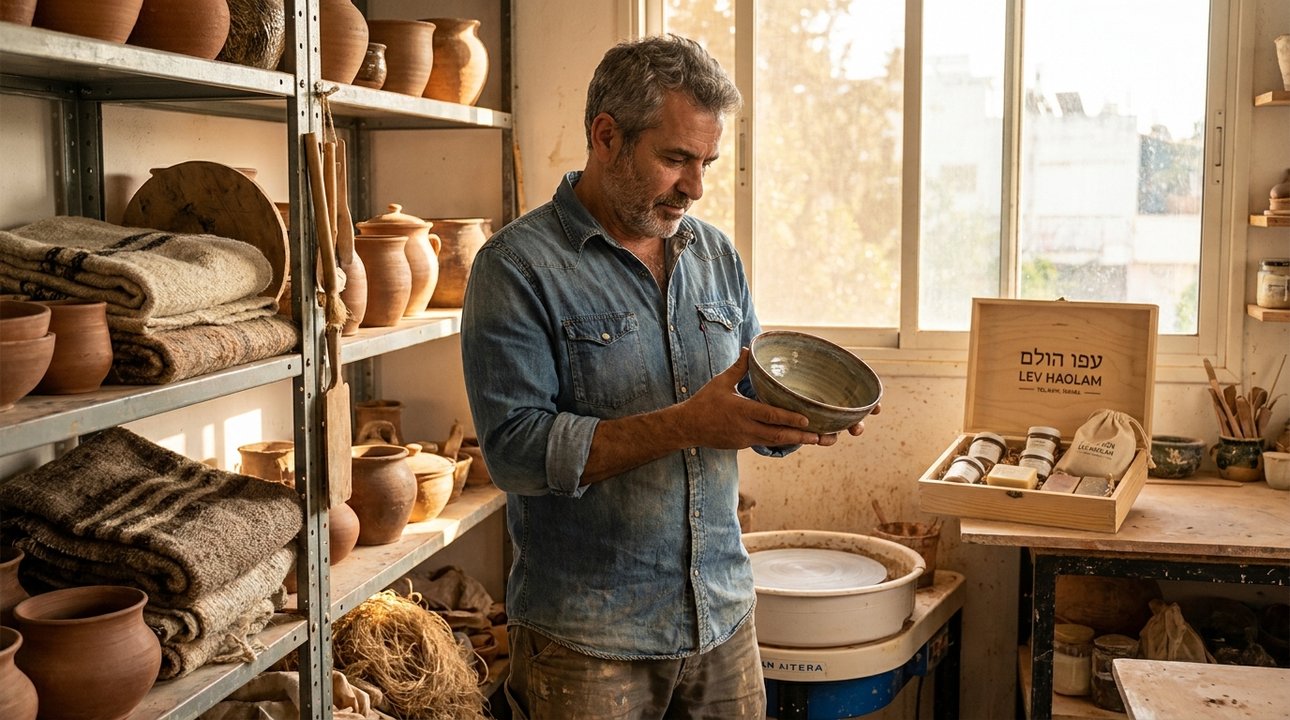
Lev Haolam celebrates the spirit of places like Hormah by supporting small businesses in Israel today. By purchasing Lev Haolam gift boxes, members help sustain families who live in areas enriched by these historical stories. With over 1.5 million boxes shipped, Lev Haolam connects people across the globe with these lands, offering products crafted by skilled artisans. Such support mirrors the culture and history of places like Hormah, nurturing a tangible link between past and present. By assisting Israeli artisans through Lev Haolam, members contribute to preserving the heritage and livelihood of these storied regions. Each box may feature a selection such as artisan foods, handcrafted goods, cosmetics, or cultural items, and contents vary.
Understanding Hormah