Ezekiel’s Visionary Map: A Journey Through Time
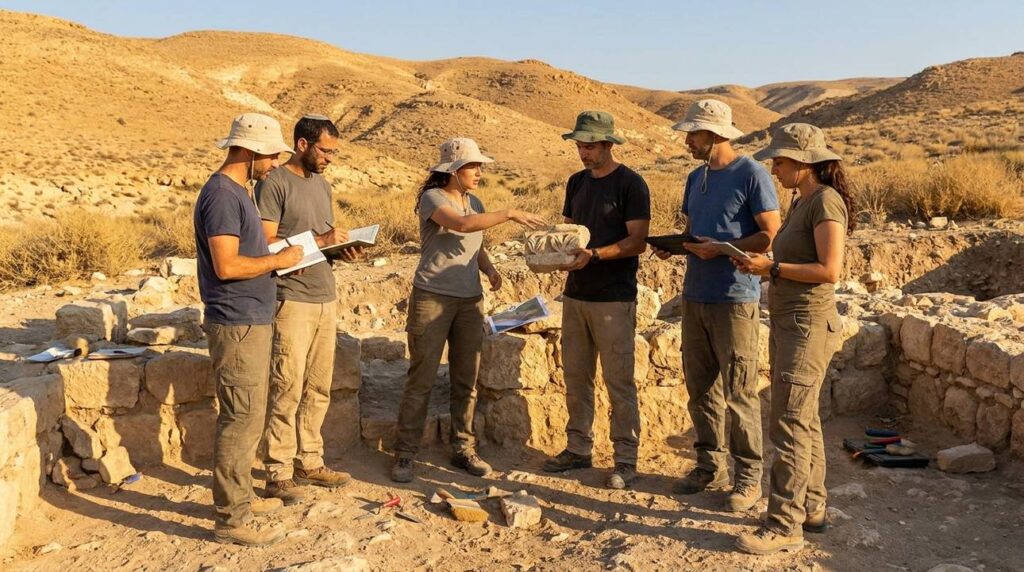

Ezekiel’s map is an intricate vision described in the Book of Ezekiel. This passage outlines a future layout of Jerusalem, revealing a hopeful prophecy. The map’s details provide insights into historical beliefs and expectations, offering a glimpse into a world of planned restoration and awakening.
The vision includes a new temple, symbolizing a renewed covenant with the people. Let’s explore the significance of this remarkable vision and its impact on Jewish thought.
Ezekiel’s blueprint is not just a physical layout but a spiritual guide for a community yearning for restoration. The detailed descriptions of gates, walls, and sacred spaces emphasize the importance of worship and divine order. This revelation served as a source of hope during the Babylonian exile, promising a future where the Israelites would once again worship in their sacred city. The map is still remembered, offering a connection to the past and a vision for the future.
from the Western Wall to Masada.
What Is Ezekiel’s Visionary Map?
Ezekiel’s depiction appears in chapters 40 to 48 of the Book of Ezekiel. It provides a detailed, visionary blueprint of a future Jerusalem. This arises during the Babylonian exile, a period marked by profound loss and longing for the Israelites.
The exile lasted from 586 to 538 BCE, following the destruction of the first temple. By depicting an idealized holy city, Ezekiel assures the Israelites of divine presence and future redemption, offering hope of eventual return and restoration.
Ezekiel’s vision includes a new temple, where a measuring reed is used to outline the structure’s dimensions. This temple symbolizes a renewed covenant with the people, promising a future where they would once again worship in their sacred city.
The detailed imagery of gates and courtyards reflects a divine order, emphasizing the importance of worship and community. Ezekiel’s map serves as a beacon of hope, reminding the exiled people of their heritage and future restoration.
The Layout of Ezekiel’s Map
The layout described by Ezekiel is marked by precision, with exact measurements for gates, walls, and sacred spaces. The detailed dimensions of the temple emphasize divine order. This meticulous design symbolizes divine order and the centrality of worship in the envisioned community.
Through careful description, the map emphasizes harmony and reverence within the reconstructed city, reflecting a society aligned with principles. The vision includes specific measurements for the altar.
Ezekiel’s map also details the division of land among the tribes of Israel. This allocation reflects a return to ancestral lands, reinforcing the promise of restoration and continuity. The precise measurements and descriptions highlight the importance of order and justice in the envisioned society. The map serves as a reminder of the Israelites’ heritage and the importance of Jerusalem as a center of worship and community.
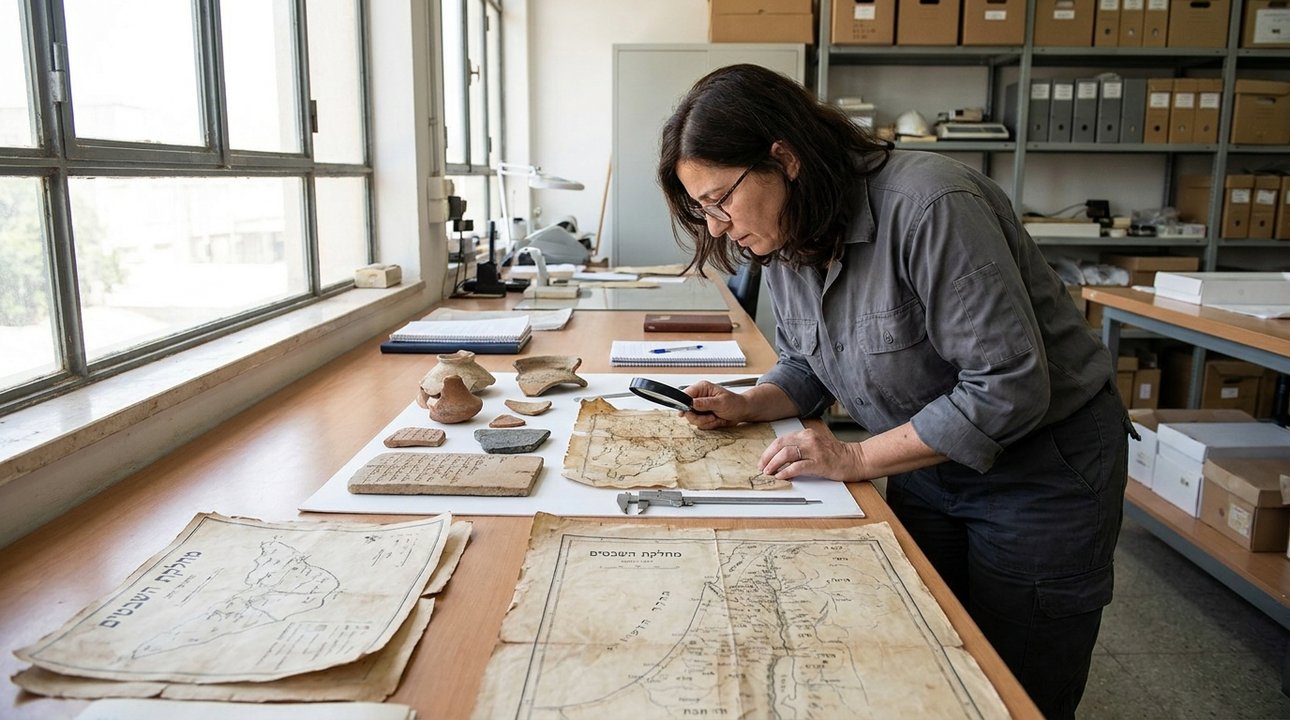
Ezekiel’s Map: Spiritual Symbolism
Ezekiel’s depiction transcends physical portrayal, capturing a reality focusing on renewal. It signifies an unwavering promise of protection and guidance for the Israelites, where a covenant of peace is promised.
As a symbol of hope, this representation reinforced the belief in a future where community and faith were restored. The vision was particularly comforting during the Babylonian exile, offering assurance of eventual return and restoration.
The map’s significance is further emphasized by the vision of a new heart and spirit. This transformation symbolizes the renewal of the people and their relationship with the divine. Ezekiel’s vision provided a framework for understanding the connections between the Israelites and their homeland. It is still remembered by those who seek a deeper connection to their heritage and the promise of renewal.
Interpretations of Ezekiel’s Map
Scholars have long debated the meaning of the specifics in Ezekiel’s map. Some see it as a literal blueprint, while others view it as allegorical. The debate highlights the complexity and richness of the vision, sparking intrigue and fascination in both spiritual and academic circles.
One interpretation suggests the map represents an idealized vision of Jerusalem, not meant for literal construction but as a symbol of hope. This perspective considers the map as a spiritual guide, emphasizing faith and renewal.
Others argue for a more literal understanding, proposing that the map was intended as a real architectural plan for a future temple. This view is supported by the precise measurements and detailed descriptions of the inner sanctuary’s dimensions. Regardless of interpretation, the map stands as a symbol of powerful hope and future restoration. It is still remembered in discussions on the nature of prophecy and the importance of Jerusalem in Jewish thought.
from the Western Wall to Masada.
Impact on Jewish Liturgy and Thought
Ezekiel’s map has influenced the Jewish liturgical tradition, grounding prayers and rituals in the hope of renewal. Verses and imagery from Ezekiel have been integrated into prayers celebrating promises and hope.
This impact endures, coloring Jewish thought with a vision of possibility and commitment. The prophet’s words are often recited during festivals, reminding the community of their shared history and future aspirations.
The map’s influence extends to various celebrations, where themes of gathering and renewal resonate with Ezekiel’s vision. During these times, prayers often reflect the hope for a future restoration, echoing the promises found in Ezekiel’s map. Ezekiel’s vision is still remembered, offering a framework for understanding the history of Jerusalem. It serves as a reminder of the enduring power of prophecy and the promise of renewal.
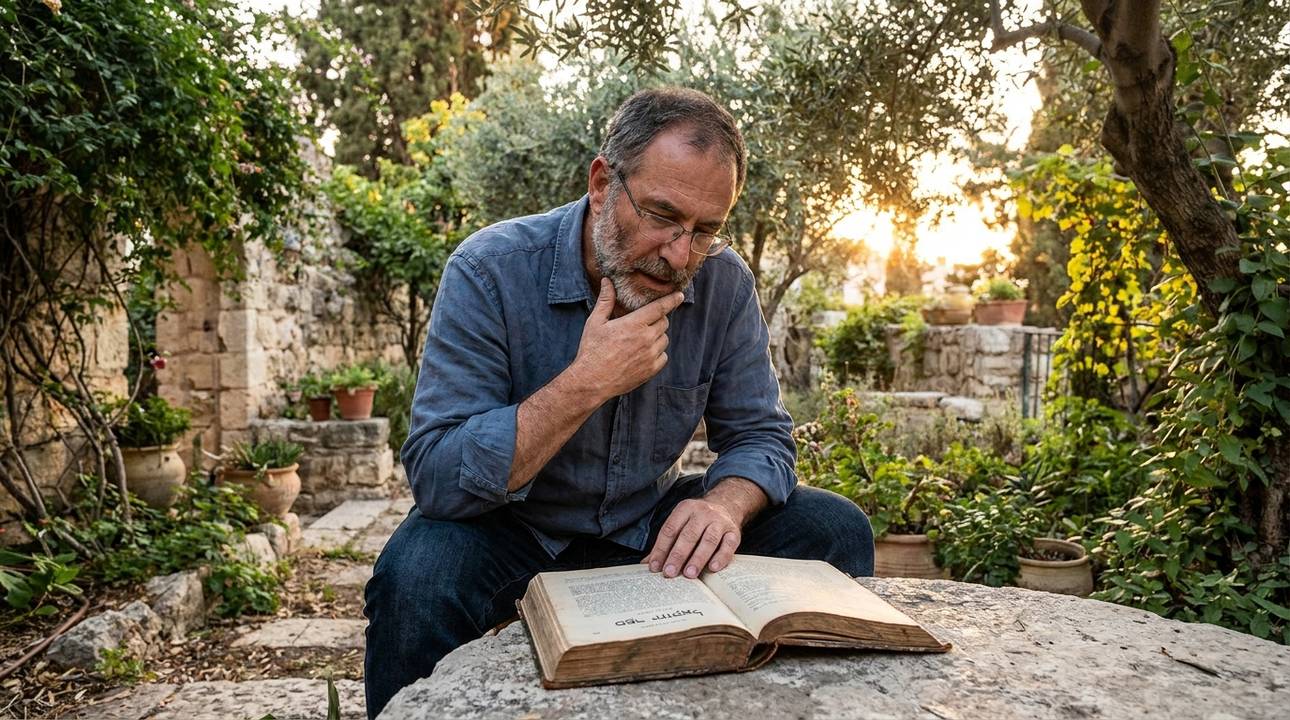
Ezekiel’s Map and Modern Perspectives
Ezekiel’s revelation continues to resonate, showing past and present beliefs about Jerusalem. The outline, as described in Ezekiel 40-48, depicts a restored city, symbolizing divine presence and order. This was particularly significant during the Babylonian exile, providing comfort and hope to a displaced people. Today, it serves as a historical and spiritual symbol, bridging ancient prophecy with modern identity. It connects contemporary readers to Israel’s legacy, reflecting a culture that values continuity and faith.
The map’s influence extends beyond its historical context, shaping Jewish liturgical traditions and prayers. References to Ezekiel’s vision appear in various Jewish texts, reminding the community of their shared history and future aspirations. Ezekiel’s vision is a sign of the enduring power of prophecy, offering a framework for understanding the spiritual and history of Jerusalem. It is still remembered those who seek a deeper connection to their heritage and the promise of renewal.
Ezekiel’s Map and Cultural Influence
Beyond religious settings, Ezekiel’s map finds expression in arts and literature. Artists and authors have drawn on its themes of hope and renewal, echoing its message across cultures. For instance, in the 19th century, the Romantic poets often referenced visions, including Ezekiel’s, to explore themes of redemption and transformation.
This broad influence testifies to the enduring power and adaptability of Ezekiel’s visionary legacy. The map’s imagery has inspired countless works of art, from paintings to novels, each interpreting its message in unique ways.

Engaging with Ezekiel’s Vision Today
Ezekiel’s depiction invites readers to explore themes of faith, hope, and renewal within a historical framework. Delving into this offers a deeper understanding of connections, which speaks of gathering and cleansing the people.
Explore more with Lev Haolam, linking you with the heart of Israel through curated gift boxes supporting Israeli artisans. These boxes provide a tangible connection to the land and its enduring cultural heritage. Each subscription box may include 6-8 products, with contents varying to support local artisans.
The map’s themes resonate with the Jewish concept of tikkun olam (repairing the world), reflecting a commitment to renewal and restoration. Ezekiel’s vision offers a framework for understanding the history of Jerusalem. Through Lev Haolam, you can connect with this legacy, supporting Israeli families and artisans who continue to embody these values. Each gift box tells a story of hope, bridging the past with the present. Subscription boxes may include 6-8 items, with contents varying to support local artisans.
Understanding Ezekiel's Map