Polish Sweet and Sour Cabbage Delight
11 March 10:57
326
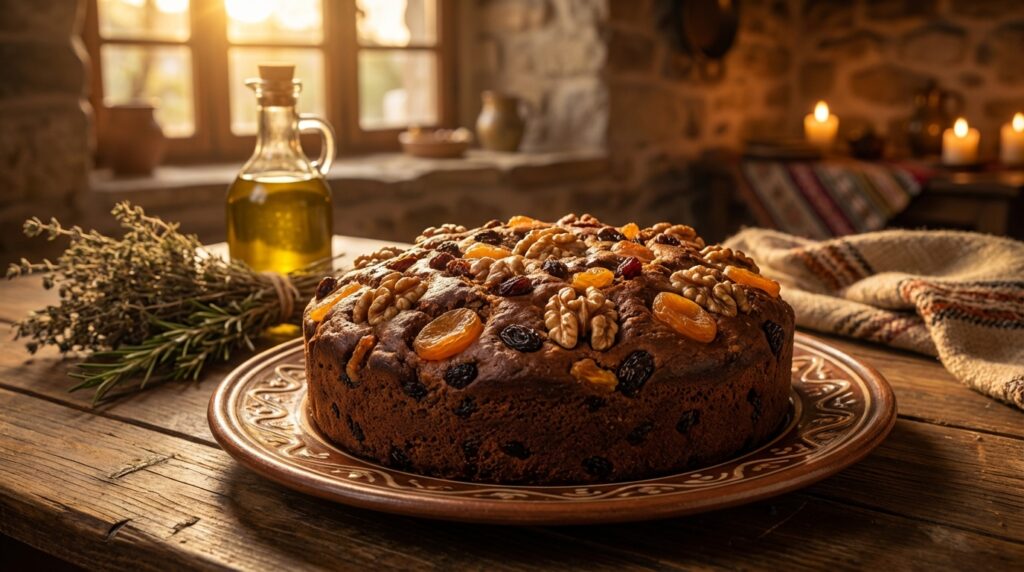

The origins of Romanian Cake trace back to Eastern Europe, where it was often prepared for festive occasions. Families would gather to bake this delightful dessert, sharing stories and creating memories. The cake’s rich flavors and comforting aroma made it a staple in many households, symbolizing warmth and togetherness.
In Romania, this cake is known for its unique blend of ingredients, including nuts and dried fruits, which were readily available in the region. The recipe has been passed down through generations, with each family adding their own special touch. This tradition of customization has allowed the cake to evolve while maintaining its core essence.
As Romanian families emigrated, they brought their beloved cake recipes with them, introducing this delightful dessert to new cultures. Today, Romanian Cake is enjoyed worldwide, celebrated for its rich taste and the sense of nostalgia it evokes. It serves as a delicious reminder of home for many.
The cake’s association with holidays and celebrations is deeply rooted in Romanian culture. During festive seasons, families come together to bake and enjoy this dessert, often accompanied by laughter and storytelling. The cake’s presence at these gatherings symbolizes joy and unity, making it a cherished part of the festivities.
Over time, the Romanian Cake has become a symbol of cultural heritage, representing the resilience and adaptability of Romanian traditions. Its ability to bring people together, regardless of their background, highlights the universal appeal of this sweet treat. The cake’s enduring popularity is a testament to its delicious flavor and the emotional connections it fosters.
Today, Romanian Cake is a beloved dessert in many countries, enjoyed by people of all ages. Its rich history and delightful taste continue to captivate those who try it, making it a timeless classic in the world of sweets and desserts.