Due to the war in Israel, shipments may be delayed. Thank you for standing with Israel.

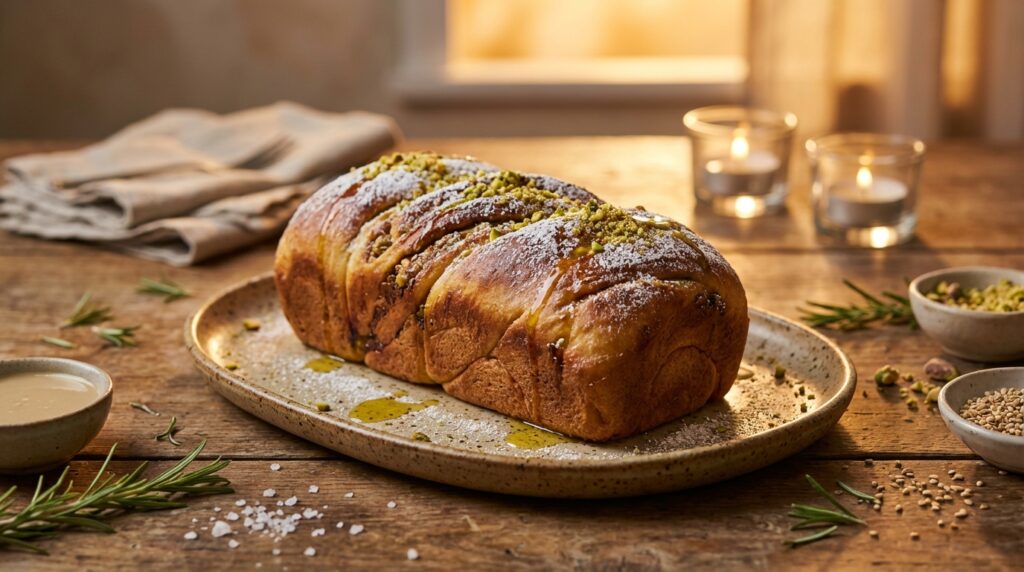
Delicious Halva Babka: A Sweet Israeli Delight

A Taste of Tradition with a Modern Twist
Explore the rich and nutty flavors of Halva Babka, a beloved Israeli dessert that combines the sweetness of halva with the soft, swirled texture of babka.
Image illustrating:Delicious Halva Babka: A Sweet Israeli Delight
33
David Pliner
Culinary & Israeli Heritage Enthusiast
Discover the delightful fusion of flavors in our Halva Babka recipe, a sweet treat that brings the taste of Israel to your kitchen.

Health Benefits of Halva Babka

  • Tahini is rich in healthy fats and antioxidants.
  • Halva provides a source of calcium and protein.
  • This dessert offers a balance of carbohydrates and energy.

Ingredients You'll Need

All-purpose flour
3 cups
Sugar
1/2 cup
Salt
1 teaspoon
Instant yeast
2 teaspoons
Milk
1 cup
Unsalted butter
1/4 cup
Eggs
2
Tahini
1 cup
Honey
1/4 cup
Vanilla extract
1 teaspoon

Chef's Tips for Perfect Halva Babka

For the best results, ensure your dough is well-kneaded and rested. Use high-quality tahini for a rich halva flavor. When braiding, be gentle to maintain the babka's structure. Allow the babka to cool completely before slicing to ensure clean cuts and retain moisture.

Step-by-Step Instructions

  • 1
    1
    Prepare the Dough
    In a large bowl, combine flour, sugar, salt, and yeast. In a small saucepan, heat milk and butter until warm. Add to the flour mixture along with eggs. Mix until a dough forms. Knead on a floured surface for about 10 minutes until smooth. Place in a greased bowl, cover, and let rise for 1 hour.
  • 2
    2
    Make the Halva Filling
    In a medium bowl, mix tahini, honey, and vanilla extract until smooth. Set aside. This filling will provide the rich, nutty flavor characteristic of halva babka.
  • 3
    3
    Shape the Babka
    Once the dough has risen, roll it out into a large rectangle on a floured surface. Spread the halva filling evenly over the dough, leaving a small border. Roll the dough tightly into a log, then cut it lengthwise to expose the filling.
  • 4
    4
    Braid and Bake
    Gently twist the two halves together, forming a braid. Place the braid in a greased loaf pan, cover, and let rise for another 30 minutes. Preheat the oven to 350°F (175°C). Bake for 30-35 minutes until golden brown.
  • 5
    5
    Cool and Serve
    Remove the babka from the oven and let it cool in the pan for 10 minutes. Transfer to a wire rack to cool completely. Slice and serve, enjoying the delightful combination of flavors.

The Story of Halva Babka

Halva Babka is a modern twist on traditional Jewish babka.

The origins of babka date back to Eastern European Jewish communities, where it was a staple in many households. Traditionally, babka was made with simple ingredients and filled with cinnamon or chocolate. Over time, it evolved as Jewish immigrants brought the recipe to new lands, adapting it with local flavors and ingredients.
Halva, a sweet confection made from tahini and sugar, has been a beloved treat in the Middle East for centuries. Its rich, nutty flavor pairs perfectly with the soft, doughy texture of babka, creating a unique fusion that has become popular in Israeli cuisine. This combination reflects the blending of cultures and traditions, making it a symbol of culinary innovation.
In Israel, halva babka is often enjoyed during festive occasions and family gatherings. It represents a connection to the past while embracing new culinary trends. The dessert’s popularity has grown internationally, with many bakeries offering their own versions, each adding a personal touch to the classic recipe.

Halva Babka is a celebration of cultural fusion and culinary creativity.

The preparation of halva babka involves a meticulous process of dough making, filling, and braiding. Each step requires patience and skill, ensuring that the final product is both visually appealing and delicious. The art of making babka is often passed down through generations, with families sharing their unique techniques and secrets.
Many home bakers enjoy experimenting with different fillings and toppings, adding nuts, dried fruits, or even a drizzle of chocolate to enhance the flavor. This adaptability makes halva babka a versatile dessert, suitable for various tastes and preferences. Whether enjoyed as a breakfast treat or a dessert, it continues to delight those who savor its rich taste.
The rise of artisanal bakeries has further popularized halva babka, with chefs and bakers exploring new ways to present this traditional dessert. From mini babkas to elaborate braided loaves, the creativity in presentation adds to the allure of this sweet treat. Its presence in cafes and bakeries worldwide is a testament to its enduring appeal.

Halva Babka is a testament to the enduring appeal of traditional flavors.

The combination of halva and babka not only satisfies the sweet tooth but also offers a glimpse into the rich tapestry of Israeli culinary heritage. It embodies the spirit of innovation while honoring the past, making it a cherished dessert for many. As more people discover its delightful taste, halva babka continues to inspire and bring joy to those who indulge in its flavors.
Related Recipes

FAQ

Can I substitute tahini in the recipe?
Yes, you can substitute the tahini with almond butter for a different flavor.
How should I store the babka?
Store the babka in an airtight container at room temperature for up to three days.
Can I freeze the halva babka?
Yes, you can freeze the babka for up to two months. Thaw before serving.