
Savor the Sweetness of Plum Jam Cake
26 April 11:01
189
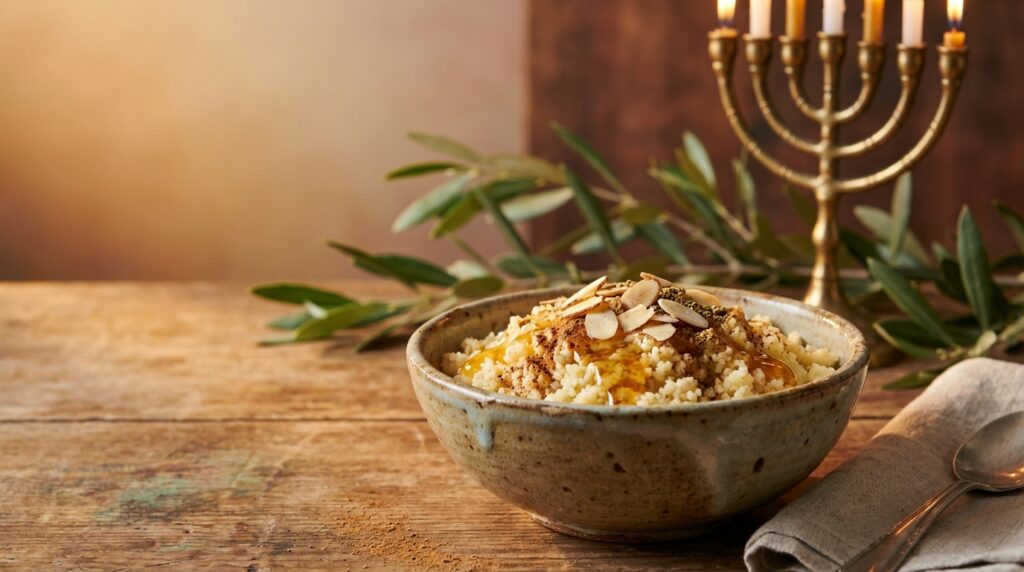

Originating from North African Jewish communities, sweet couscous has become a staple in Israeli households. Its simplicity and versatility make it a favorite for both everyday meals and festive occasions. Traditionally, it is served during celebrations, symbolizing abundance and joy.
The dish is made by steaming couscous grains until they are fluffy and light. Sweeteners like honey or sugar are added, along with spices such as cinnamon and cardamom, to create a warm and inviting flavor profile. This combination of ingredients reflects the diverse cultural influences that have shaped Israeli cuisine over the centuries.
In many families, sweet couscous is a cherished recipe passed down through generations. It is often prepared with love and care, bringing back memories of family gatherings and shared meals. The aroma of spices and sweetness fills the home, creating an atmosphere of comfort and togetherness.
In addition to its role in sweet dishes, couscous is widely used in savory recipes across Israel. It pairs well with vegetables, meats, and sauces, making it a versatile staple in Israeli kitchens. This adaptability has contributed to its enduring popularity.
Sweet couscous can be customized with various toppings and additions. Some families like to add dried fruits such as raisins or apricots, while others prefer to sprinkle nuts or seeds on top for added texture and flavor. These variations allow each family to put their unique spin on the traditional recipe.
The preparation of sweet couscous is often a communal activity, with family members gathering in the kitchen to contribute their skills and share stories. This communal aspect adds to the dish’s significance, reinforcing bonds and creating lasting memories.
During holidays and special events, sweet couscous takes center stage on the dessert table. Its presence is a reminder of the rich culinary heritage and the joy of sharing food with loved ones. The dish’s sweet and aromatic qualities make it a fitting end to any celebratory meal.
The tradition of serving sweet couscous during celebrations highlights its role as a symbol of hospitality and generosity. Guests are often treated to this delightful dessert, showcasing the host’s warmth and welcoming spirit. This tradition continues to be cherished in modern Israeli society.
As Israeli cuisine continues to evolve, sweet couscous remains a beloved classic. Its timeless appeal and comforting flavors ensure that it will be enjoyed by future generations, preserving a piece of cultural history.