
Celebrate with Rosh Hashanah Rice
15 March 09:52
356
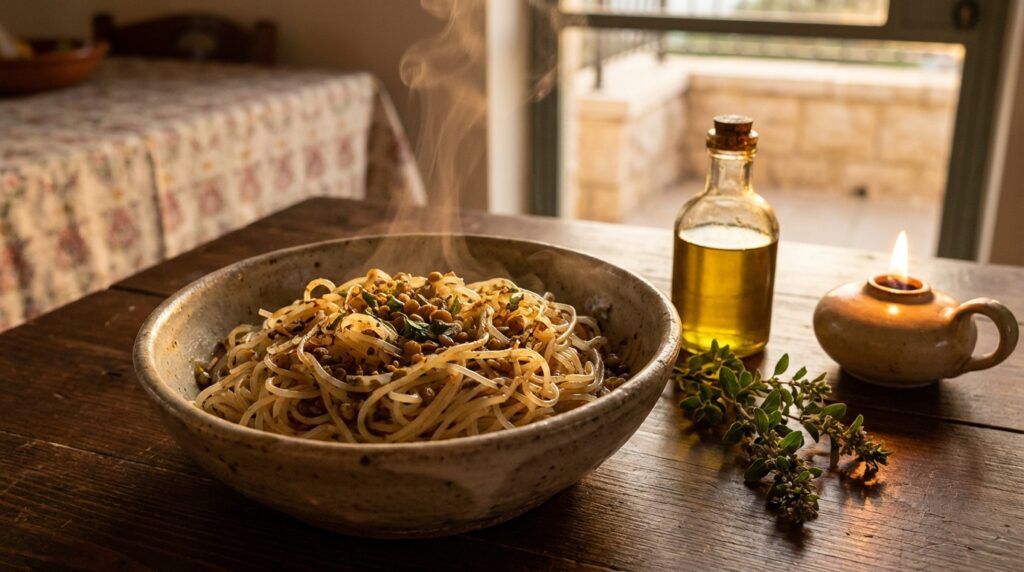

The journey of rice noodles into Middle Eastern kitchens is a tale of cultural exchange and adaptation. Originally from Asia, these noodles found a home in the Middle East, where they were embraced for their versatility and ability to absorb rich, aromatic flavors. Over time, they became a staple in many households, often featured in festive meals and family gatherings.
In the bustling markets of the Middle East, vendors offer a variety of rice noodle dishes, each with its own unique twist. These dishes reflect the diverse culinary influences that have shaped the region, blending spices and ingredients from different cultures. The popularity of rice noodles continues to grow, as they provide a delicious and gluten-free alternative to traditional wheat-based noodles.
Families often pass down their favorite rice noodle recipes through generations, each adding their own special touch. Whether it’s a secret blend of spices or a unique method of preparation, these recipes are treasured family heirlooms. The communal aspect of cooking and sharing meals is a cherished tradition, bringing families together around the dinner table.
The adaptability of rice noodles makes them a favorite choice for cooks looking to experiment with different ingredients. From savory meats to fresh vegetables, these noodles can be paired with a variety of toppings and sauces, allowing for endless creativity in the kitchen. This flexibility has helped rice noodles maintain their popularity across different culinary traditions.
In recent years, there has been a resurgence of interest in traditional Middle Eastern dishes, with rice noodles playing a starring role. Chefs and home cooks alike are rediscovering the joys of preparing these noodles, often incorporating modern twists to appeal to contemporary tastes. This renewed interest has sparked a culinary renaissance, celebrating the rich heritage of Middle Eastern cuisine.
The story of rice noodles in the Middle East is one of innovation and tradition, a testament to the enduring appeal of this beloved ingredient. As more people discover the joys of cooking with rice noodles, they continue to be a symbol of cultural connection and culinary creativity.
The unique texture of rice noodles, combined with the aromatic spices of Middle Eastern cuisine, creates a dish that is both satisfying and comforting. Whether served as a main course or a side dish, rice noodles are a versatile addition to any meal. Their light and delicate nature makes them an ideal choice for those seeking a healthier alternative to heavier pasta dishes.
For many, the preparation of rice noodles is a meditative process, allowing cooks to connect with the ingredients and the rich culinary traditions they represent. The simple act of cooking becomes a way to honor the past while creating new memories with family and friends. This connection to tradition is a key reason why rice noodles remain a beloved staple in Middle Eastern kitchens.
As the popularity of rice noodles continues to grow, they are increasingly being featured in fusion dishes that blend Middle Eastern flavors with other global cuisines. This trend highlights the universal appeal of rice noodles and their ability to bring people together through the shared experience of food.