
Pescado con Huevo: A Taste of Israeli Tradition
16 April 09:36
317
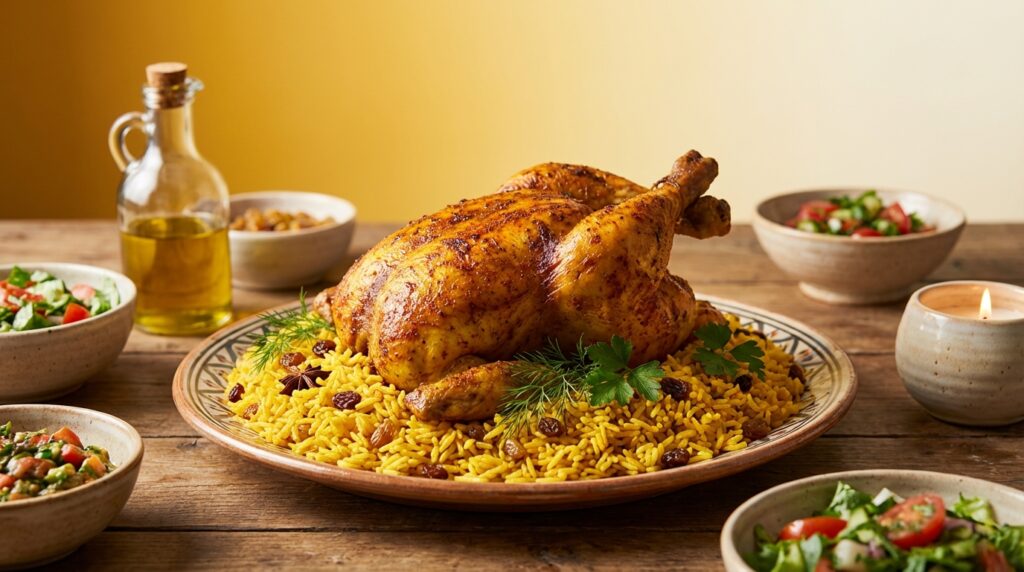

Originating from the Jewish communities of Iraq, Tbeet has been passed down through generations. It is a dish that symbolizes warmth, family, and tradition. The preparation of Tbeet is often a communal activity, bringing families together in the kitchen. The slow-cooked chicken and rice, infused with aromatic spices, create a comforting aroma that fills the home.
The dish is typically prepared on Friday afternoons, allowing it to cook slowly overnight. This method not only enhances the flavors but also aligns with the traditional observance of Shabbat, where cooking is limited. The long cooking process results in a tender, flavorful meal that is eagerly anticipated by family members.
Tbeet’s ingredients are simple yet carefully chosen to create a harmonious blend of flavors. The use of spices like turmeric and allspice adds depth, while the chicken and rice provide a hearty base. This simplicity reflects the resourcefulness of past generations, who made the most of available ingredients.
In addition to its culinary appeal, Tbeet holds cultural significance. It is a dish that connects families to their heritage, serving as a reminder of their roots. For many, preparing Tbeet is an act of preserving tradition, ensuring that the flavors and memories of their ancestors are not forgotten.
Tbeet is more than just a meal; it is a celebration of family and community. The dish is often shared with extended family and friends, fostering a sense of togetherness. Its preparation and consumption are rituals that strengthen familial bonds and create lasting memories.
As families gather around the table to enjoy Tbeet, they share stories and laughter, creating a warm and welcoming atmosphere. The dish serves as a centerpiece for these gatherings, embodying the values of hospitality and generosity that are central to Jewish culture.
The traditional accompaniments for Tbeet include fresh salads, pickles, and sometimes a dollop of yogurt. These sides add a refreshing contrast to the rich, savory flavors of the main dish. Each family may have its own variations, adding personal touches to the meal.
In modern times, Tbeet continues to be a beloved dish, enjoyed by both young and old. It is a testament to the enduring nature of culinary traditions, adapting to contemporary tastes while retaining its core essence. Many families take pride in teaching the next generation how to prepare Tbeet, ensuring its legacy continues.
The preparation of Tbeet can be a meditative process, allowing the cook to reflect on the past and present. It is a time to appreciate the simple pleasures of life and the joy of sharing a meal with loved ones. Each bite of Tbeet is a taste of history, a connection to a rich cultural tapestry.