Exploring the Symbolism of Challah Bread
6 March 13:36
154
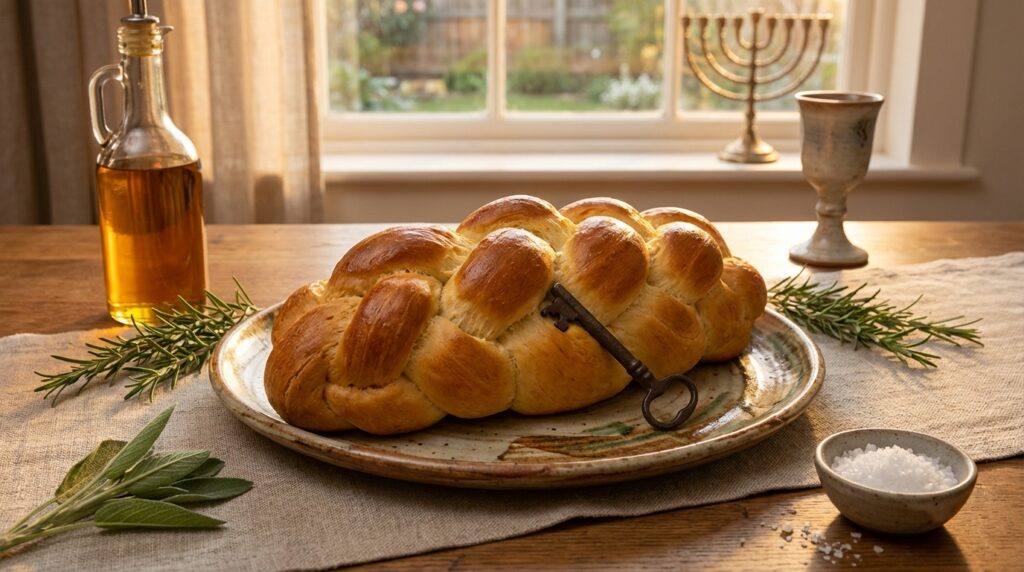

The tradition of Shlissel Challah dates back centuries, rooted in Jewish communities across Europe. After Passover, families would bake this special bread, embedding a key or shaping the dough to resemble one. This practice was believed to invite prosperity and blessings into the home, marking a hopeful beginning to the new agricultural season.
The word ‘shlissel’ means ‘key’ in Yiddish, reflecting the central symbol of this tradition. The key is often placed on top of the challah or hidden inside, representing the unlocking of divine abundance. This custom is particularly cherished among Ashkenazi Jews, who have passed it down through generations.
In modern times, Shlissel Challah continues to be a beloved tradition, celebrated by families around the world. The act of baking and sharing this bread fosters a sense of community and continuity, connecting past and present. It serves as a reminder of the enduring hope and faith that sustains Jewish life.
The preparation of Shlissel Challah is often a communal activity, with family members gathering to knead the dough and shape the loaves. This shared experience strengthens familial bonds and reinforces cultural identity. The aroma of freshly baked challah fills the home, creating an atmosphere of warmth and togetherness.
Each family may have its unique twist on the Shlissel Challah recipe, adding personal touches that reflect their heritage and taste preferences. Some incorporate sweet elements like raisins or honey, while others focus on the traditional plain dough. These variations add richness to the tradition, allowing it to evolve while maintaining its core significance.
The symbolism of the key in Shlissel Challah is multifaceted, representing not only material abundance but also spiritual openness. It encourages individuals to embrace new opportunities and remain hopeful for the future. This message of optimism is particularly resonant during challenging times, providing comfort and inspiration.
The baking of Shlissel Challah is more than a culinary endeavor; it is a spiritual practice that aligns with the rhythms of the Jewish calendar. By participating in this tradition, individuals connect with their cultural roots and express gratitude for the blessings they have received. It is a moment to pause and reflect on the values that guide their lives.
In addition to its symbolic significance, Shlissel Challah is a delicious treat enjoyed by all ages. Its soft, fluffy texture and slightly sweet flavor make it a favorite at family gatherings and festive occasions. Whether served plain or with a spread of butter or jam, it is a delightful addition to any meal.
As the challah is shared among family and friends, it becomes a vehicle for storytelling and memory-making. Each bite carries with it the history and hopes of those who have come before, creating a tapestry of shared experiences. This communal aspect of Shlissel Challah enriches its meaning, making it a beloved tradition that endures.