
El’ad Area Guide
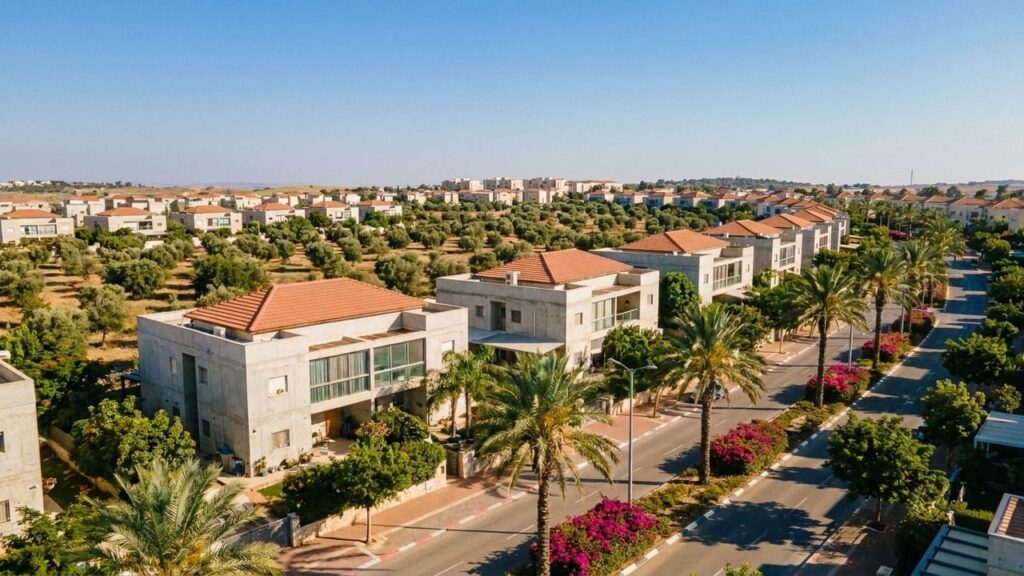

El’ad is a planned city in the Central District of Israel, established to meet the needs of a growing religious and Haredi population. The city combines a community-focused residential environment with road and bus links to nearby regional centres.
El’ad at a Glance
City: El’ad • Country: Israel • District: Central District • Population: 49766 • Area: 2.756 km² • Nearest major city: Tel Aviv • Distance: 25 km • Main transport connection: Route 444 with regional bus services; nearest rail access via Rosh HaAyin–North (Israel Railways) • Known for: Planned Haredi/religious municipality with rapid population growth and larger-than-average household sizes • Historic origins: The modern town was founded in 1998; the site lies within the historic Lod (Lydda) sub-district and was later the location of the Arab village al‑Muzayriʿa in the 18th–19th centuries; the name El’ad is biblical (1 Chronicles 7:21).
Where Is El’ad?
El’ad sits in the Central District on the eastern edge of the Gush Dan lowlands. It lies roughly 25 kilometres east of Tel Aviv by road, with direct access to regional highways via Route 444.
The city is surrounded by a mix of small towns and agricultural land. Nearby municipalities include Rosh HaAyin and Shoham to the west and northwest, Petah Tikva to the west, and Modi’in‑Maccabim‑Re’ut to the south‑southeast. The local setting is primarily suburban and low-rise, transitioning quickly into cultivated fields and open areas beyond the urban boundary.
History of El’ad
The place now occupied by El’ad sits within the historic Lod (Lydda) sub-district. In the 18th–19th centuries the locality was the site of the Arab village al‑Muzayriʿa, and through the Ottoman and British Mandate eras the area formed part of the rural hinterland around Lod.
The modern settlement of El’ad is new by Israeli standards: it was planned and established in 1998 as a community designed to serve Orthodox and Haredi families. The name El’ad comes from the Bible (1 Chronicles 7:21). The town grew quickly after its founding, became a local council in the late 1990s and achieved city status in the 2000s.
El’ad Population
As of 2023 El’ad’s population was 49,766. Since its foundation in 1998 the city has experienced rapid growth tied to high household sizes and steady in-migration.
With nearly 50,000 residents, El’ad is a small-to-medium sized Israeli city. Demographic characteristics are shaped by a predominantly religious and Haredi community, which influences household composition, communal services and municipal planning priorities.
What Is It Like to Live in El’ad?
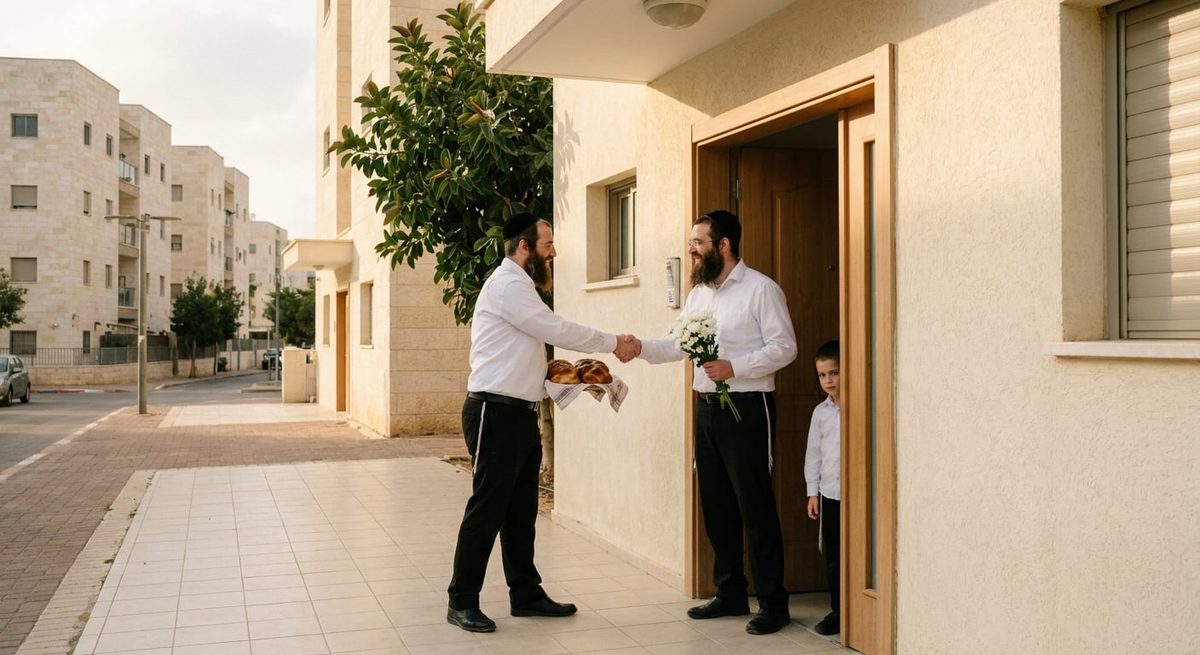
El’ad is primarily a planned, community-oriented municipality with a religious/Haredi character. Daily life tends to be oriented around family and communal institutions, religious study centres and local services tailored to those communities.
The pace of life is quieter than in central urban cores such as Tel Aviv. Residents benefit from lower-density housing and relatively spacious family properties compared with inner-city neighbourhoods, while municipal services and shops cover everyday needs.
Infrastructure supports a suburban commute pattern: Route 444 is the main road artery, and regional bus services link El’ad to neighbouring towns and to Tel Aviv. For wider cultural and specialist services, many residents travel to larger regional centres.
Nature and open space are readily accessible on the edges of the built area: agricultural lands, local open spaces and planning documents that reference a surrounding greenbelt and ecological corridor provide opportunities for outdoor recreation.
Areas and Neighbourhoods in El’ad
Detailed official neighbourhood names are not provided here, but the city’s residential character is generally consistent across the built areas.
Residential character and housing
Housing in El’ad is dominated by family-oriented formats: detached houses, family cottages and newer apartment developments intended for households with children. Local real-estate summaries note a mix of older and recently constructed projects and occasional plots for development.
Streets tend to be low-density with private yards and community facilities nearby. Public amenities and local commercial strips serve everyday needs, while larger shopping or specialised services usually require trips to nearby regional centres.
Transport access within the city is primarily by road. On-foot or bicycle travel can cover local errands, but many households rely on cars or regional buses for commutes and longer journeys.
Education in El’ad
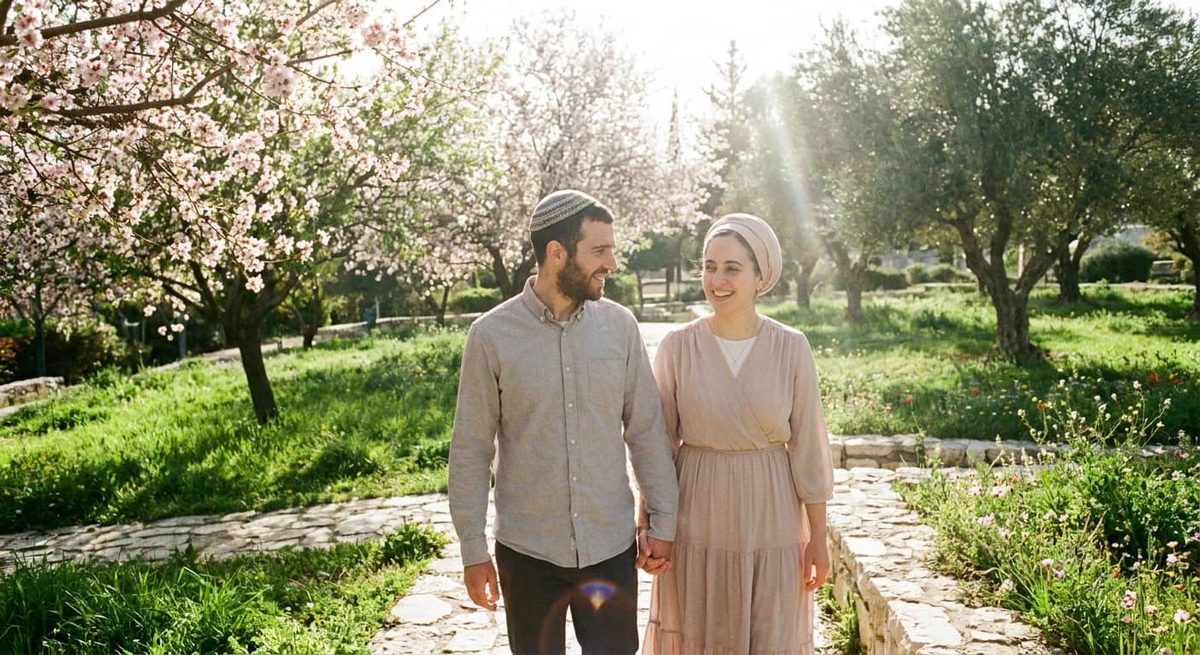
Education in El’ad is dominated by a large religious and Haredi school system. Municipal and Central Bureau of Statistics reporting points to dozens of schools and a very large student population — on the order of tens of thousands of students across primary and secondary education.
Local provision includes many yeshivot and kollels as well as formal primary and secondary schools serving religious communities. Historically reported matriculation (Bagrut) eligibility rates in the city have been lower than the national average; an example figure reported for 2023–24 is approximately 26.3%.
There are no major universities within El’ad itself; students seeking academic degrees typically commute to institutions in larger regional centres such as Tel Aviv and its metropolitan area.
Transport and Connectivity
Road: The primary local arterial is Route 444, which links El’ad to regional highways and to Highway 6. Road access to Tel Aviv is approximately 25 km, with driving times typically ranging from about 25 to 40 minutes depending on traffic.
Rail: El’ad does not have its own Israel Railways station; the closest rail access by road is Rosh HaAyin–North. Regular services from Rosh HaAyin–North connect to Tel Aviv, with typical journey times to the city centre of roughly 25–35 minutes.
Buses and operators: Regional bus companies (for example Metropoline and Kavim) operate multiple routes connecting El’ad with Rosh HaAyin, Petah Tikva, Tel Aviv and nearby towns.
Airport: Ben Gurion Airport lies at a distance of approximately 16 km by road, making it the nearest international airport for residents.
Car-free feasibility: While local errands can be undertaken on-foot in parts of the city, many residents rely on private cars or regional buses for commuting and accessing wider services. Public-transport options are available but more limited than in larger urban centres.
Nature and Outdoor Spaces
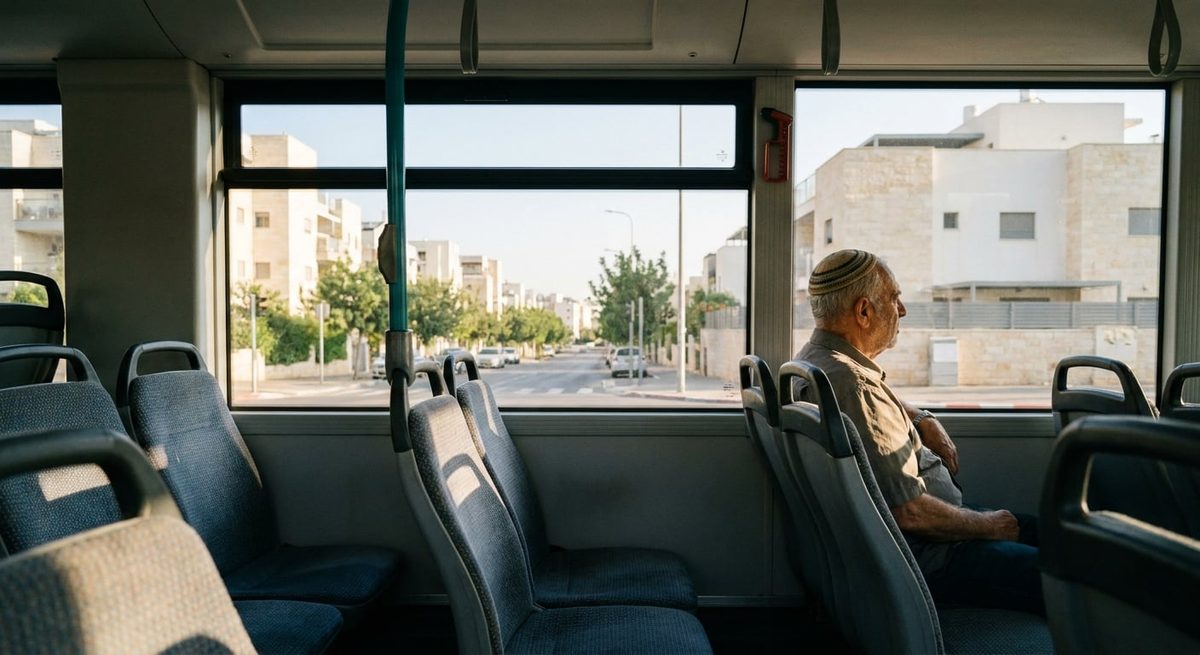
El’ad’s urban area sits adjacent to agricultural lands and smaller local open spaces on the eastern side of the Gush Dan plain. The built environment gives way fairly quickly to cultivated fields and open countryside beyond the municipal boundary.
Local planning documents reference a greenbelt and an ecological corridor around the town, and there are municipal parks and amenity spaces that support family recreation and outdoor activity. These nearby open areas make short nature outings and weekend walks readily accessible to residents.

Amenities and Things to Do in El’ad
Everyday amenities in El’ad cover municipal services, local shopping and healthcare clinics. The El’ad City Hall and municipal centre provide civic services; retail on the local scale meets most daily needs.
The Barkat (Barket) industrial and employment area is a local focal point for jobs and light industry. Educational and religious institutions such as numerous yeshivot and kollels are also central to city life.
Leisure and cultural options are more modest than in larger cities: community centres, sports facilities and neighbourhood parks provide recreation, while larger cultural attractions, specialised shopping and a wider restaurant scene are found in nearby regional hubs.

Cities and Towns Near El’ad
El’ad is located amid a cluster of suburban towns and small cities that are readily reached by road, making regional services and commuting options practical for residents.
Nearby cities and towns: Rosh HaAyin — 7 km, approx. 12 min; Shoham — 7 km, approx. 10 min; Petah Tikva — 10 km, approx. 22 min; Modi’in‑Maccabim‑Re’ut — 16.6 km, approx. 30 min; Tel Aviv — 25 km, approx. 35 min.
Advantages of Living in El’ad
Strong community focus: The city’s planning and municipal life are tailored to religious and Haredi families, supporting social networks and communal services.
Family-oriented housing: Low-density housing and family-sized properties suit households with children.
Proximity to regional centres: About 25 km from Tel Aviv and within easy range of Rosh HaAyin, Petah Tikva and Modi’in for work, study and specialised services.
Access to outdoor space: Immediate access to agricultural edges and planned greenbelt areas offers regular opportunities for outdoor recreation.
Employment cluster nearby: Barkat industrial area provides local employment and commercial activity within the municipal area.
Things to Consider Before Moving to El’ad
Public transport is functional but more limited than in metropolitan cores; commuting often relies on regional buses or private cars. The nearest rail station is by road in Rosh HaAyin.
Local cultural and entertainment options are limited compared with larger cities; many residents travel to Tel Aviv or other nearby centres for nightlife, major shopping and specialised medical services.
Educational outcomes as measured by national matriculation rates have historically been lower than the national average; families prioritising secular academic pathways may want to review local school performance carefully.
The city’s strong religious character makes it highly suitable for observant families but potentially less aligned with the lifestyle preferences of those seeking a more secular, urban environment.
Who Is El’ad Best For?
Families
Large families and those seeking a community-oriented, religious environment will find El’ad well suited to their needs: housing formats, schools and municipal services are largely built around family life.
Commuters
Commuters who travel to Tel Aviv or nearby employment centres can manage regular journeys by road or by using the nearby Rosh HaAyin–North rail link; driving times to Tel Aviv are typically around 25–40 minutes depending on traffic.
Young Professionals
Young professionals working in the region who prioritise affordability, family housing and a quieter pace of life may find El’ad appealing, though those seeking an active nightlife or dense urban culture will prefer larger cities.
Students
Religious students and those attending local yeshivot and kollels will find a strong institutional presence in El’ad; students pursuing university degrees commonly commute to institutions in larger nearby cities.
