
Mattan Area Guide
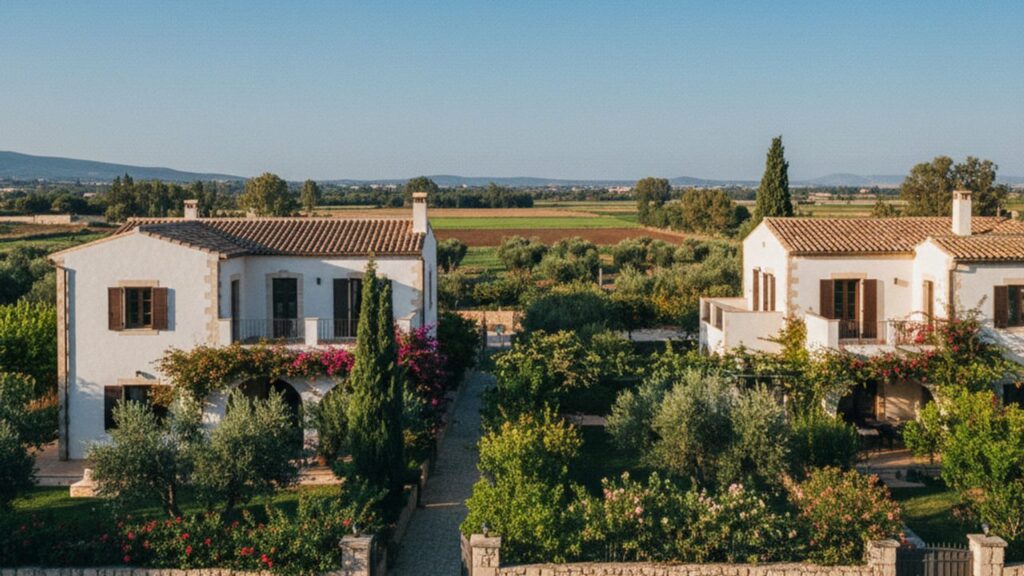

Mattan is a small community in Israel’s Central District with a suburban, low-density character and close links to nearby regional centres. This guide gives a clear overview of location, population, transport, schools and daily life to help you decide if Mattan might suit you.
Mattan at a Glance
City: Mattan • Country: Israel • District: Central • Population: 3068 • Area: 0.57 • Nearest major city: Kfar Saba • Distance: 6.3 • Main transport connection: Local roads to Highway/Route 531 and access to Israel Railways at Kfar Saba–Nordau station • Known for: A community established in the 1990s; low-density suburban character in the eastern Sharon and a high socioeconomic ranking within its regional council • Historic origins: No known ancient settlement at the exact site of modern Mattan; lies within the broader historic Sharon/Binyamin region and is near traditional sites in the wider area
Where Is Mattan?
Mattan sits on the eastern Sharon foothills in the Central District, a short drive inland from the coastal plain. The locality is between established towns and smaller cities in the central metropolitan belt, giving it a mix of suburban and semi-rural feel.
Neighbouring places include Kfar Saba to the west and Hod HaSharon to the northwest; Rosh HaAyin and Petah Tikva are also a short drive away. The nearest regional centre is Kfar Saba, about 6.3 kilometres away, which supplies shopping, services and rail connections.
Mattan is close to the seasonal Nahal Kana stream and to pasture and farmed land on the eastern edge of the Sharon. That setting gives slightly rolling ground compared with the flat coastal plain and offers easy access to green spaces around the locality.
History of Mattan
Mattan was planned and established in the 1990s as a residential community. Its creation reflects late 20th-century planning that responded to suburban growth and demand for family-oriented housing in the region.
The name Mattan, meaning ‘gift’ in Hebrew, was chosen when the locality was established. There is no verified record of an ancient settlement exactly at the site of modern Mattan. The wider Sharon/Binyamin area does contain traditional and ancient places of interest.
Although the modern locality is recent, the site sits within longer regional patterns of habitation, agriculture and transport across the Sharon plain. Mattan’s growth follows the wider trend of suburban development in the central coastal region during the late 20th century.
Mattan Population
As of 2026 the population of Mattan is 3,068. The community is small by municipal standards and covers about 0.57 square kilometres, giving it a low-density residential profile compared with nearby urban centres.
Local residents include families, singles and older people. This mix makes Mattan a modest-sized locality within the regional framework rather than a standalone town. Population changes in recent years have shown steady, measured growth typical of communities established in the 1990s; for exact annual figures consult the regional council.
What Is It Like to Live in Mattan?
Daily life in Mattan is relaxed and community focused. The low-density layout means many properties have private outdoor space, and local services are geared to a small population.
Basic infrastructure supports everyday needs: a small commercial strip for groceries and services, a community centre (matnas) that runs local activities, and a municipal swimming pool for sport and leisure. For larger supermarkets, specialist healthcare or a wider cultural programme, residents travel to nearby regional centres.
Transport is mainly by car, with regional buses linking Mattan to Kfar Saba and other towns. The locality suits households who want a quieter home within commuting distance of bigger employment and education centres, and people who value easy access to outdoor spaces.
Areas and Neighbourhoods in Mattan
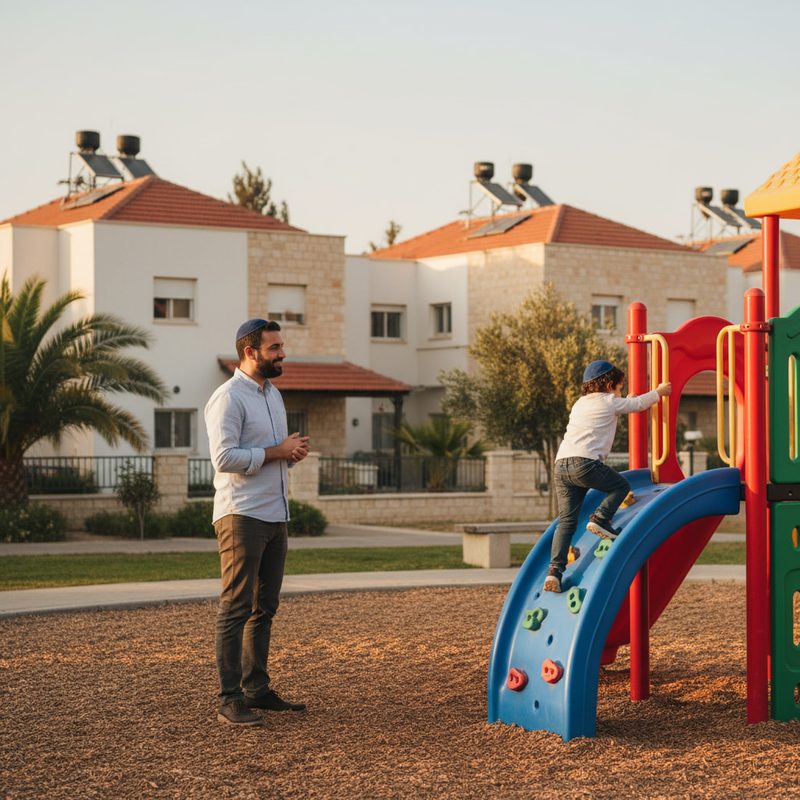
Mattan is compact and arranged as residential pockets rather than formally large districts. The parts of the community share a general low-density, family-oriented character.
Nof HaSharon (Nof Ha-Sharon)
Nof HaSharon is a residential pocket with the suburb’s typical pattern of detached homes and small clusters suitable for family living. Houses tend to be single dwellings or low-rise buildings with gardens and private parking. Residents use local roads for car travel and regional buses for connections to Kfar Saba and other nearby towns. This area appeals to families and people who prefer quiet streets and direct access to local amenities and outdoor spaces.
Pardes HaGiborim (Pardes Ha-Giborim)
Pardes HaGiborim combines suburban plots and green settings with an emphasis on privacy. The housing is low-density and located close to the shopping strip and the community centre. Travel is mostly by car, with bus links to neighbouring towns. The sector suits households seeking green space and easy access to community facilities.
Education in Mattan
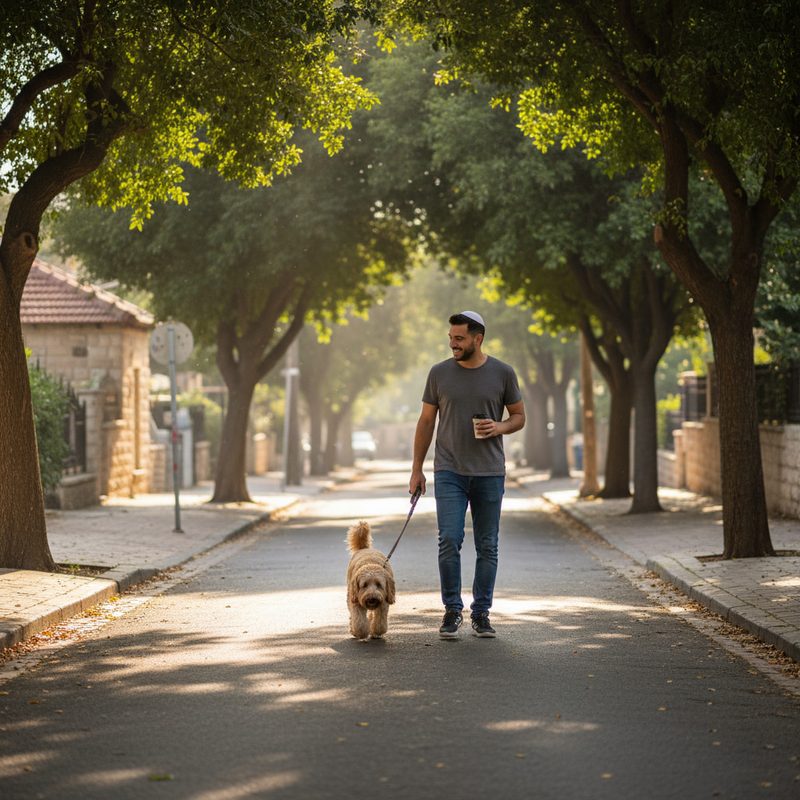
Mattan has local kindergartens and an elementary school that serve younger children and act as community hubs for activities and parent networks.
For secondary education, most students attend regional high schools in nearby towns. Tertiary and vocational students travel to colleges and universities in the larger urban centres of the central region.
Transport and Connectivity
Mattan’s road links connect the locality to Highway/Route 531, which leads west toward the Ayalon corridor and other main routes to Tel Aviv and the coastal plain.
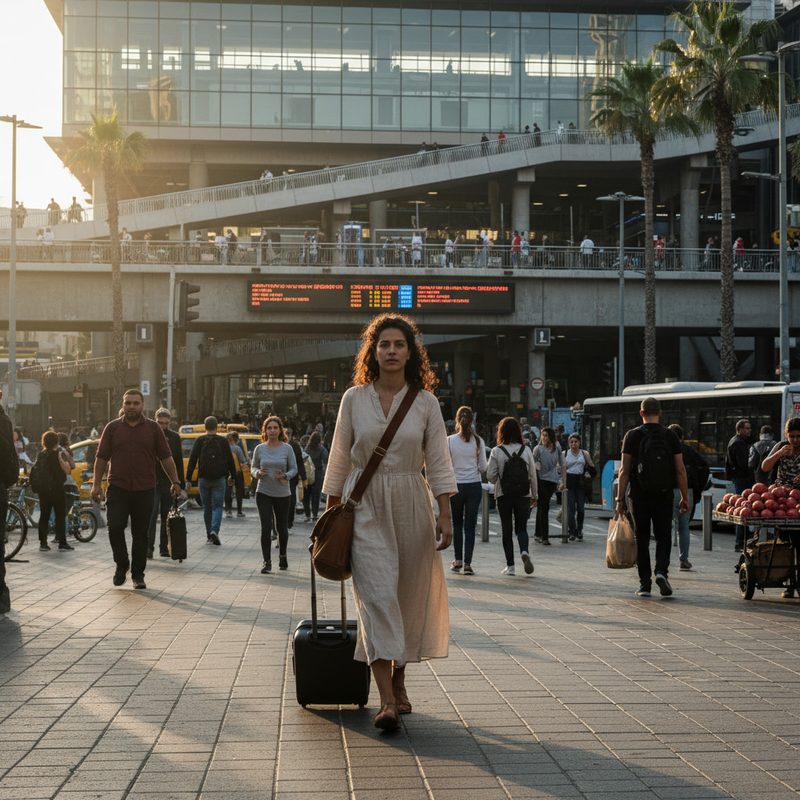
Public transport exists but is limited: regional bus lines serve Mattan and link it with nearby towns, though some trips require transfers. The closest railway station is Kfar Saba–Nordau; suburban Israel Railways services from there connect to Tel Aviv.
By road, Tel Aviv is about 19.7 kilometres from Mattan, and Ben-Gurion Airport is roughly 20 kilometres away, making air travel reasonably straightforward by car. While occasional public transport is possible, many residents find a car the most convenient option for daily use.
Nature and Outdoor Spaces
Mattan benefits from its position on the eastern Sharon foothills and near the seasonal Nahal Kana stream. That setting gives residents access to open green spaces and nearby agricultural plots, offering an alternative to the denser coastal plain.
Local outdoor options include walking routes, informal green areas near residential streets and access to pastoral land for weekend walks, cycling and family outings. The blend of low-density housing and fringe countryside is attractive to people who prioritise ready access to nature.

Amenities and Things to Do in Mattan
Mattan’s services match its small size but cover core daily needs. The community centre (matnas) hosts social and cultural activities, and the municipal swimming pool supports sport and leisure for families and local clubs.
A small commercial strip provides basic groceries and services. For larger shopping, specialist services, hospitals and more cultural options, residents go to Kfar Saba and other nearby towns.
Local life includes events organised by the matnas, sports and recreational activities at the pool, and occasional markets or neighbourhood gatherings. There is also a nearby traditional local landmark that can be part of short day trips or walks.
Cities and Towns Near Mattan
Mattan is linked by short drives to a network of towns and smaller cities that provide most services and employment. These nearby urban centres shape everyday life and regional travel for residents.
Nearby cities and towns: Kfar Saba — 6.3 km; Hod HaSharon — 6.9 km; Rosh HaAyin — 7.9 km; Petah Tikva — 11.5 km; Tel Aviv — 19.7 km.
Advantages of Living in Mattan
Low-density, family-oriented environment – spacious housing and more private outdoor space compared with denser urban neighbourhoods.
Strong community facilities – a local matnas and organised programming help build social ties and offer cultural and recreational activities.
Proximity to nature – location on the eastern Sharon foothills and near Nahal Kana provides easy access to outdoor spaces and a semi-rural feel near the metropolitan area.
Convenient regional access – short drives to Kfar Saba and other towns give access to rail, expanded shopping, healthcare and employment while keeping a quieter home base.
Established modern community – formed in the 1990s, Mattan benefits from planned residential development and an established local identity within the regional council.
Things to Consider Before Moving to Mattan
Limited local services – while everyday needs are covered locally, specialised medical care, large supermarkets and big cultural venues require trips to nearby towns.
Reliance on car travel – public transport is available but not as frequent or direct as in larger urban centres; many people find owning a car necessary for convenience.
Commuting – those working in central Tel Aviv or other major hubs should factor in commute times and possible transfers to reach rail services.
Property market and costs – prices and availability reflect the community’s attractiveness; prospective buyers should check current listings and expect typical suburban market conditions in the central region.
Who Is Mattan Best For?
Families
Mattan suits families who want space, local elementary education and a community-focused environment with organised activities and outdoor room for children.
Commuters
Commuters who value a quieter home and travel mainly by car—or who use Kfar Saba–Nordau station—will find Mattan practical because of its road links to Route 531 and onward to Tel Aviv.
Young Professionals
Young professionals who prefer quieter living and are prepared to commute to job centres in nearby cities can enjoy Mattan’s mix of community life and regional access.
Students
Students may live in Mattan while studying in nearby cities; expect to travel to central-area campuses rather than study locally.
Retirees
Retirees seeking a peaceful residential setting with local social activities and easy access to regional services may appreciate Mattan’s calm pace and community facilities.
