
Rosh HaAyin Area Guide
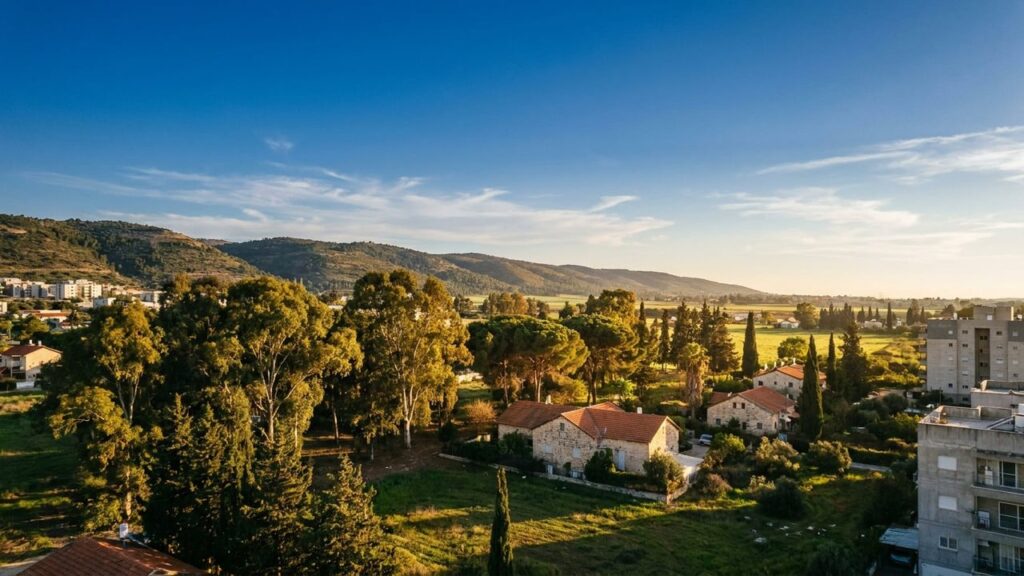

Rosh HaAyin is a city in Israel with a mix of residential neighbourhoods, parks, and commuter links to the Tel Aviv area. This guide summarizes its history, transport, services and who tends to enjoy living here.
Rosh HaAyin at a Glance
City: Rosh HaAyin • Country: Israel • District: Central District • Population: 77104 • Area: 15.87 • Nearest major city: Tel Aviv • Distance: 27 km • Main transport connection: Interchange of Highway 5 and Highway 6 and Rosh HaAyin–North railway station • Known for: Branded locally as the “City of Music”; proximity to Tel Afek/Migdal Afek and the Yarkon springs; Rosh HaAyin Forest and green spaces; rapid population growth since the 1990s • Historic origins: Modern town founded in 1949 adjacent to ancient Tel Afek/Antipatris and the Yarkon springs, with archaeological remains from prehistoric to Ottoman periods
Insider's Guide to Israel
and can't-miss places most tourists never find.

Where Is Rosh HaAyin?
Rosh HaAyin sits in the Central District of Israel on the coastal plain north-east of Tel Aviv. It lies near the headwaters of the Yarkon River and next to planted and natural green areas such as the Rosh HaAyin Forest and the Migdal Afek/Tel Afek site.
Neighbouring towns and cities are relatively close by: Kafr Qasim about 3 km away, Petah Tikva roughly 11 km to the west, Ramat Gan around 14 km southwest and Hod HaSharon about 12 km to the west. The city is where several regional roads and rail links meet, making it a practical commuter location.
History of Rosh HaAyin
The modern town of Rosh HaAyin was founded in 1949. Its foundation followed the patterns of new towns and neighbourhoods established in the early statehood period.
The site is adjacent to ancient Tel Afek, also known as Antipatris, and the historic springs of the Yarkon (Ra’s al-ʿAyn). Archaeological evidence in the area includes prehistoric occupation (for example sites such as Qesem Cave), classical and Herodian remains at Antipatris, Byzantine period ruins including a monastery, Crusader-era fortifications linked to Castle Mirabel, and Ottoman-era settlements around the Ras al-Ayn springs.
In short, while the present municipal settlement dates from 1949, the location has been important across multiple historical periods and contains layered archaeological remains that reflect long-term human presence.
Rosh HaAyin Population
As of 2023 the population of Rosh HaAyin is 77,104. The city has grown noticeably since the 1990s, expanding in population and housing stock.
Within the Central District it is a medium-sized city: larger than many small towns but smaller than major regional centres such as Petah Tikva or Tel Aviv. Recent growth has been driven by new residential developments and inward migration.
What Is It Like to Live in Rosh HaAyin?
Living in Rosh HaAyin combines a calmer pace with practical links to nearby employment centres. The city offers lower density than central Tel Aviv while providing core municipal services: schools, cultural programmes, healthcare access and local shopping.
Infrastructure includes a municipal public education system, a music centre and cultural venues, local and regional bus services and a commuter rail station. Road access via Highway 5 and nearby Highway 6 makes driving straightforward when traffic allows.
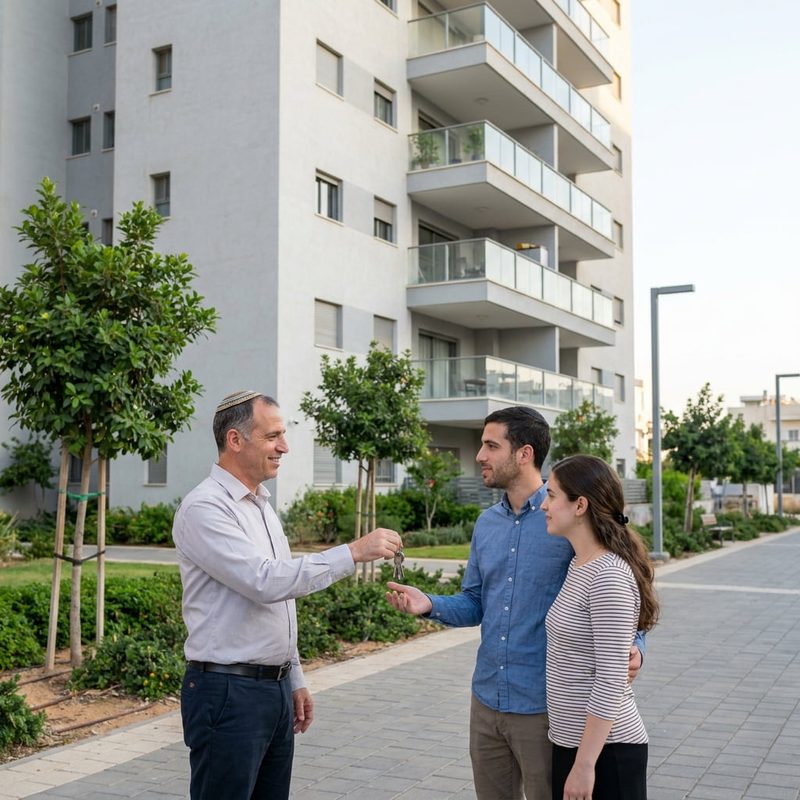
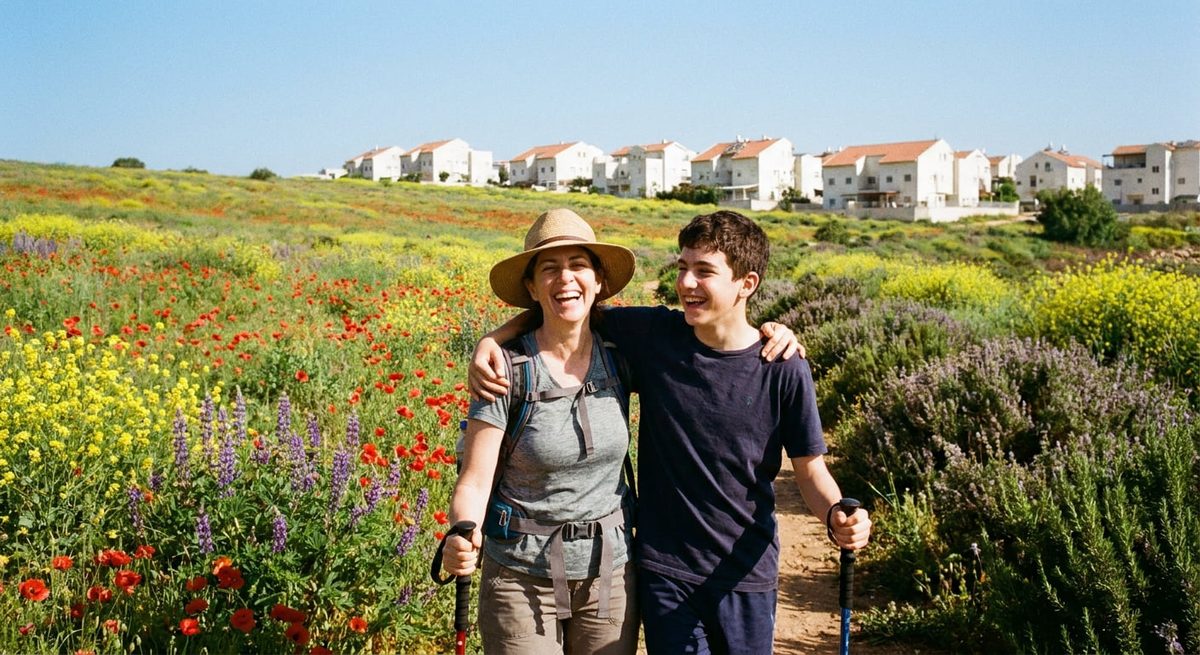
Residents have ready access to green and recreational areas — the forest, river springs and nearby national-park sites — so outdoor activities and family outings are common. Housing ranges from established neighbourhoods to newer developments, which means the city can suit families and people seeking more space than central urban cores.
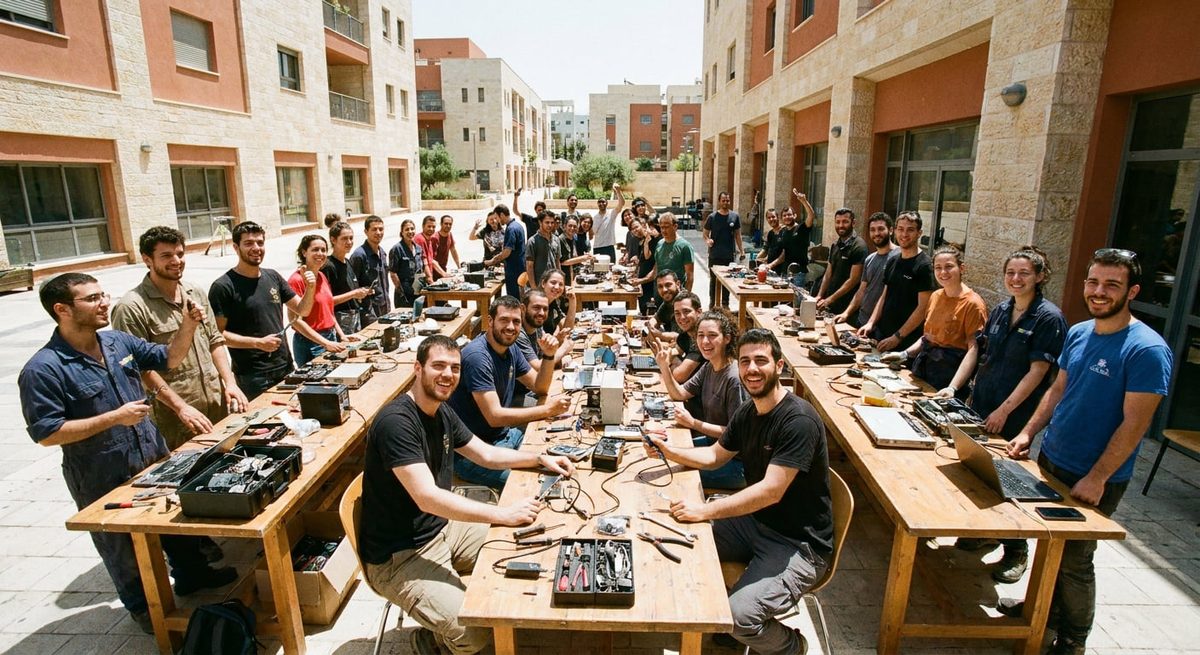
Areas and Neighbourhoods in Rosh HaAyin
Rosh HaAyin contains a number of neighbourhoods with differing characters. Below are brief descriptions of the main residential areas, their general location and the types of housing and residents they tend to attract.
Aviv
Aviv is one of the established residential neighbourhoods, featuring a mix of low-rise family homes and apartment buildings. It is well served by local roads and bus routes and suits families seeking established community amenities.
Harkafim
Harkafim is a residential area with quiet streets and family housing. Residents typically use local services and commuting links for work in larger employment centres.
Tzahal (IDF)
Tzahal is a neighbourhood that historically had ties to military families and personnel. Housing is predominantly residential and functional, with access to municipal services and public transport.
Rambam
Rambam is a community-focused neighbourhood with a mix of housing types. It is close to schools and parks and appeals to families and long-term residents.
Shabazi
Shabazi offers a blend of older homes and apartment blocks. Local shops and municipal services are within short distances, making it practical for everyday living.
Mishkenot HaMusica
Named with a musical association, Mishkenot HaMusica reflects the city’s cultural branding. Housing here includes low- to mid-rise residential units and benefits from proximity to cultural venues such as the local music centre.
Givat Tal
Givat Tal is a residential sector offering family homes and apartment options. It provides convenient access to the city’s green spaces and local facilities.
Mitzpe Afek
Mitzpe Afek sits close to the Migdal Afek/Tel Afek area and offers easy access to the national park and springs. Housing is positioned to take advantage of nearby natural and recreational spaces.
Givat HaSelaim
Givat HaSelaim is primarily residential with small green pockets. Residents value a neighbourhood feel while remaining within reach of main transport routes.
Neve Afek
Neve Afek is located near the Afek area and offers residential options that benefit from proximity to natural and archaeological sites. It is suitable for those who want easy access to outdoor spaces.
Psagat Tal
Psagat Tal is a residential quarter offering standard housing options and local services; its location makes commutes to nearby employment centres straightforward by road.
Psagot Afek (under construction)
Psagot Afek is an area under construction and reflects the city’s ongoing residential expansion. Newer projects in this zone will add housing variety when completed.
Education in Rosh HaAyin
Education in Rosh HaAyin is provided through the municipal public system with numerous kindergartens and primary and secondary schools. The city also supports cultural and youth education through a municipal music centre and youth programmes.
Recent cohorts have shown relatively high Bagrut eligibility rates, reported around 79–83% in recent years according to national statistics. For higher education, residents commonly travel to colleges and universities in nearby larger cities such as Tel Aviv and Ramat Gan.
Transport and Connectivity
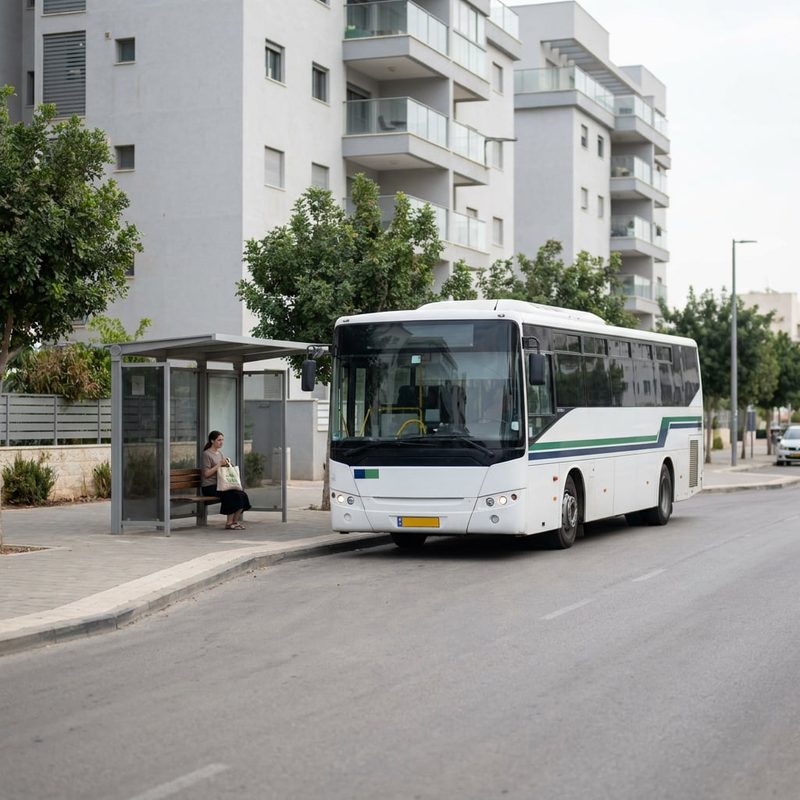
Rosh HaAyin is served by the Rosh HaAyin–North railway station with regular Israel Railways commuter services on the Herzliya–Ashkelon/Yarkon corridor; typical train journeys to central Tel Aviv take around 25–30 minutes. Local and intercity buses run by Afikim and Egged provide internal routes and connections to Petah Tikva, Tel Aviv and regional routes along Highway 5.
Insider's Guide to Israel
and can't-miss places most tourists never find.
Road connections include Highway 5 to the west and proximity to Highway 6, with the city located at their interchange. Driving time to Tel Aviv is commonly around 25–40 minutes depending on traffic and route. Ben Gurion Airport is often reached in around the same order of magnitude by car, depending on traffic.
While public transport and the commuter rail make commuting feasible without a car, many residents rely on private vehicles for flexibility, especially for local trips or travel outside main public transport hours.
Nature and Outdoor Spaces
Green and recreational areas are a prominent feature of life in Rosh HaAyin. The Rosh HaAyin Forest provides planted woodland for walks and informal recreation, and the Raba stream promenade offers riverside paths.
Nearby Migdal Afek/Tel Afek (a national park) includes archaeological sites, historic springs and open space around the Yarkon headwaters. The Yarkon springs and adjacent parkland are important local natural landmarks and settings for outdoor activities.
Amenities and Things to Do in Rosh HaAyin
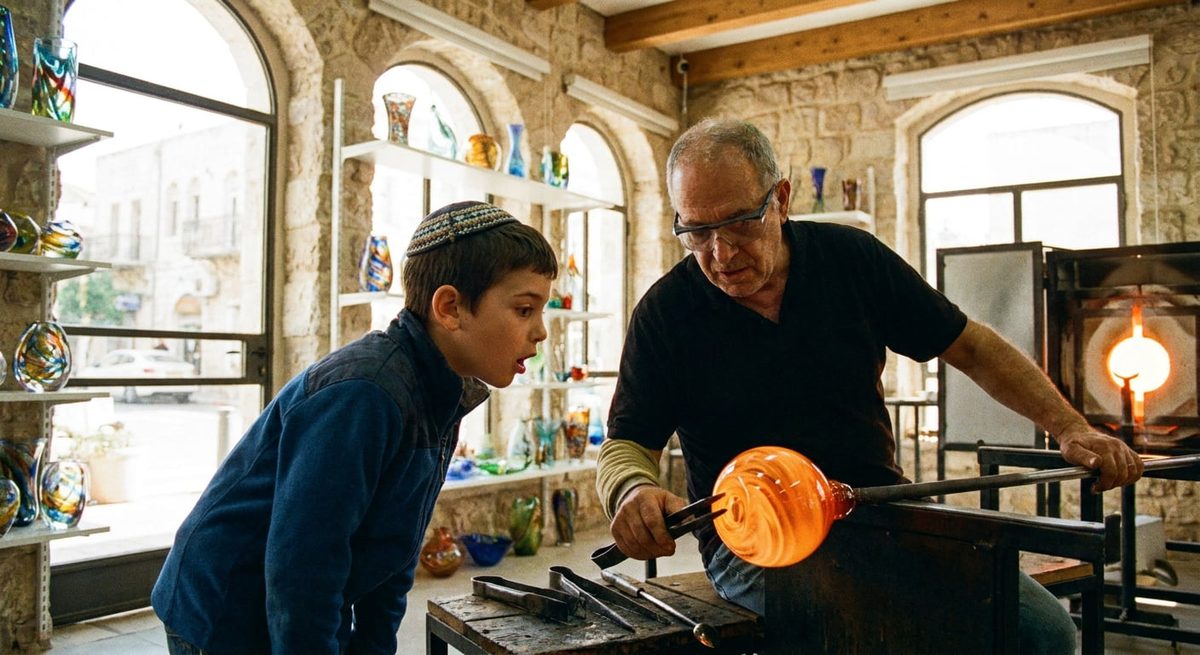
Amenities include shopping for day-to-day needs, municipal healthcare services and sports facilities. The city is notable for its music and cultural life, with the Kimerling Culture Hall and the Rosh HaAyin Music Center among local venues.
Outdoor recreation centres on the forest, the Lev HaIr Park (Heart of the City) and the national-park site at Migdal Afek/Tel Afek. Local markets, restaurants and cafes serve neighbourhoods, while larger retail and specialised services are available in nearby Petah Tikva and Tel Aviv.
Cities and Towns Near Rosh HaAyin
Several towns and cities lie within a short drive or bus ride of Rosh HaAyin, making regional errands and employment commutes practical.
Nearby places include Kafr Qasim (about 3 km, roughly 7 minutes), Petah Tikva (around 11 km, roughly 20 minutes), Hod HaSharon (about 12 km, roughly 22 minutes), Ramat Gan (around 14 km, roughly 25 minutes) and Tel Aviv (about 25–30 km by road, roughly 25–40 minutes by car or similar by train).
Nearby cities and towns: Kafr Qasim — 3 km, approx. 7 min; Petah Tikva — 11 km, approx. 20 min; Ramat Gan — 14 km, approx. 25 min; Hod HaSharon — 12 km, approx. 22 min; Tel Aviv — 27 km, approx. 30 min.
Advantages of Living in Rosh HaAyin
Easy access to nature: the city offers nearby forests, river springs and a national-park site for outdoor recreation.
Good commuter links: a commuter rail station and direct road connections make travel to Tel Aviv and surrounding employment centres feasible.
Family-oriented services: schools, youth programmes and municipal facilities support local families.
Housing variety: a mix of established neighbourhoods and newer developments provides options for different household needs and budgets.
Cultural activity: the municipal music centre and cultural venues contribute to local life.
Things to Consider Before Moving to Rosh HaAyin
Some specialised services and retail or healthcare options are concentrated in larger nearby cities, so residents may need to travel for certain needs. This is common in municipalities that balance local amenities with regional dependencies.
Traffic affects driving times to Tel Aviv and other centres; travel times vary by hour and day. While public transport exists, some residents find a car useful for flexibility.
Ongoing growth has led to construction in parts of the city, so newer neighbourhoods may still be integrating municipal services and infrastructure.
Who Is Rosh HaAyin Best For?
Families
Families benefit from the city’s schools, parks and quieter residential environment paired with access to regional services and leisure destinations.
Commuters
Commuters who work in Tel Aviv or nearby employment centres will find the rail station and highway connections convenient for daily travel.
Young Professionals
Young professionals seeking more space than central urban neighbourhoods but still needing strong transport links can find Rosh HaAyin practical, especially if they commute into the Tel Aviv area.
Students
Students attending colleges or universities in the Tel Aviv metropolitan area may use Rosh HaAyin as a base, using commuter rail and bus links for campus access.
Retirees
Retirees who prioritise access to parks, quieter streets and local municipal services may appreciate the city’s green spaces and community amenities.
