
Yehud-Monosson Area Guide
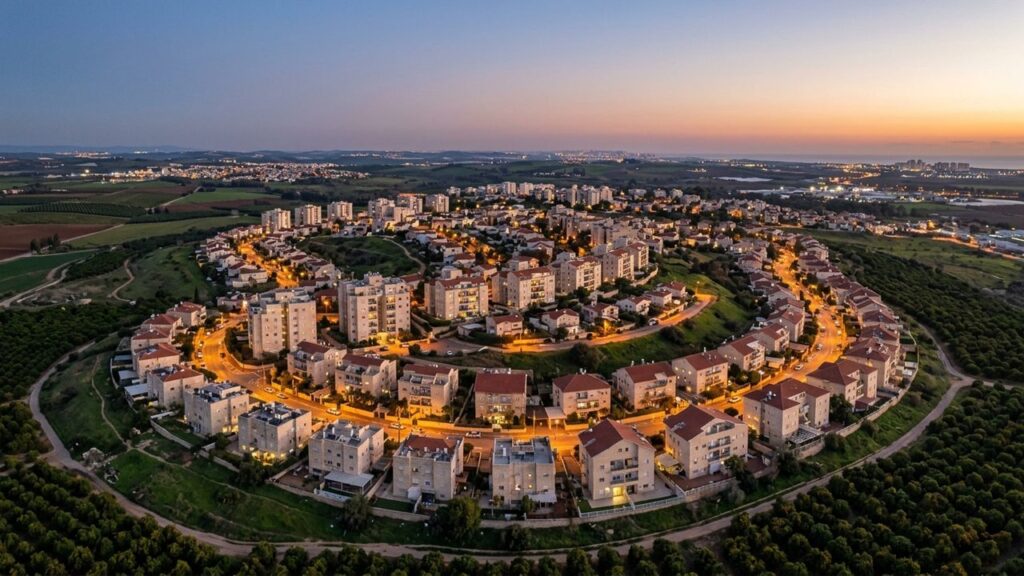

Yehud-Monosson is a small suburban city offering close access to Tel Aviv while keeping a quieter residential feel. The area mixes modern municipal development with places that have older historical connections.
Yehud-Monosson at a Glance
City: Yehud-Monosson • Country: Israel • District: Central District • Population: 32146 • Area: compact area (see municipal sources for exact figure) • Nearest major city: Tel Aviv • Distance: 11.7 km • Main transport connection: Road 461 to Highway 1 / Ayalon corridor; nearest major rail access via Ben Gurion Airport or Lod stations; regular intercity and local bus services • Known for: Proximity to Ben Gurion Airport; industrial, high-technology and manufacturing base including an Israel Aerospace Industries (IAI) campus; established suburban neighbourhoods such as Kiryat Savyonim • Historic origins: The name Yehud appears in the Hebrew Bible (Joshua). Archaeological finds show activity in various ancient periods, though continuous habitation across every classical period is not definitively established in all sources. During the Ottoman era the village was recorded as al‑Yahudiya. The modern town grew in the mid 20th century, Neve Monosson was founded in 1953, and the current municipality dates from a 2003 merger.
Insider's Guide to Israel
and can't-miss places most tourists never find.

Where Is Yehud-Monosson?
Yehud-Monosson sits in the Central District on the coastal plain in the Ono Valley (Bik’at Ono). It is on the eastern side of the Tel Aviv metro area and forms part of the surrounding suburban belt.
Neighbouring communities include Or Yehuda to the west, Lod to the southeast, and Petah Tikva and Ramat Gan to the northwest. The city is about 11.7 kilometres from central Tel Aviv. Local roads link it into Highway 1 and the Ayalon corridor.
The landscape is mainly low-lying coastal plain. Inside the built area you will find urban parks and small greenspaces. At the edges there is open agricultural or undeveloped land. Ben Gurion Airport is a few kilometres away and is an important nearby landmark.
History of Yehud-Monosson
The place-name Yehud is ancient and appears in biblical texts. Archaeological work has identified activity from several ancient periods, but sources do not uniformly show uninterrupted occupation through every classical era.
Under Ottoman administration the village was known as al‑Yahudiya. In the mid 20th century the modern town grew, with notable development after 1948. Neve Monosson was founded in 1953 as a neighbouring residential community.
The present municipality, Yehud-Monosson, was formed in 2003 by merging the city of Yehud and the adjacent Neve Monosson. The merger brought together Yehud’s longer historical associations and the planned suburban character of Neve Monosson.
Key historical periods
Biblical and ancient period: the place-name appears in early texts and archaeological finds point to ancient activity.
Roman and Byzantine eras: evidence shows occupation in classical antiquity, though continuous habitation through every period is not established in all sources.
Ottoman and British Mandate periods: the village persisted through Ottoman rule and into the mandate era under the name al‑Yahudiya.
Modern period: major growth occurred in the 20th century, Neve Monosson was founded in 1953, and the municipal merger took place in 2003.
Yehud-Monosson Population
The municipality recorded a population of 32,146 in 2024. This number covers the merged city and neighbouring community areas that make up the Yehud-Monosson municipality.
Population growth over recent decades has been steady. Expansion is linked to suburban development around Tel Aviv and the availability of mixed housing types.
Yehud-Monosson is a modest-sized municipality with a compact footprint. It is larger than many local councils but smaller than the major regional cities nearby.
What Is It Like to Live in Yehud-Monosson?
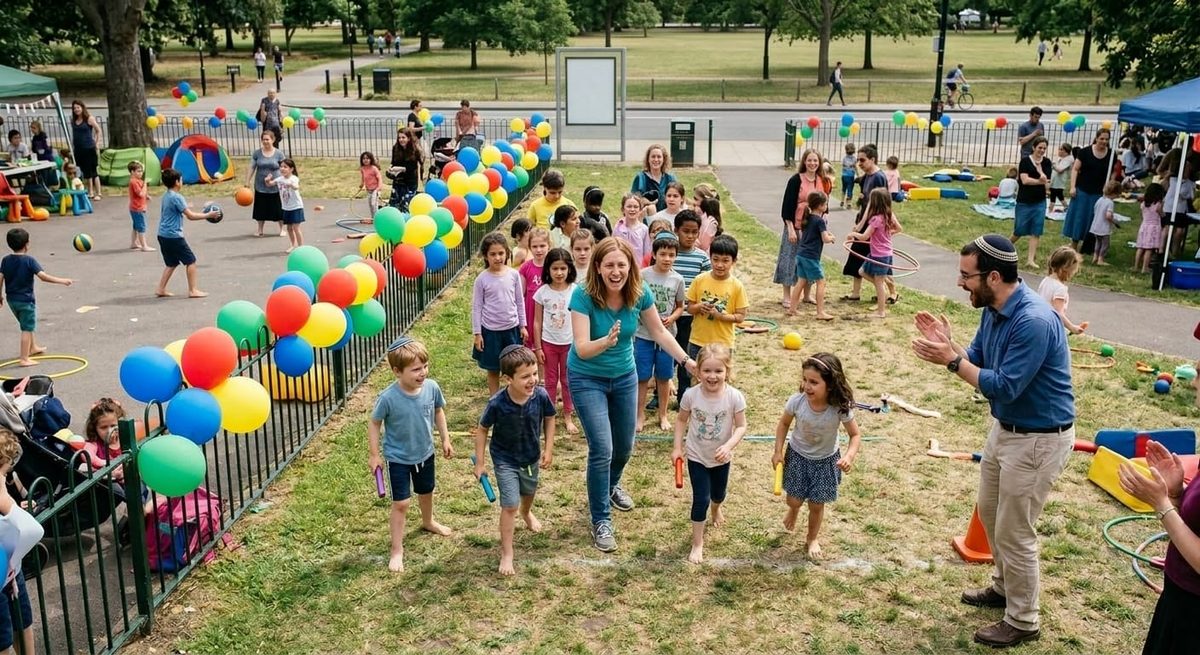
Daily life combines suburban calm with easy access to regional services. The city has family-oriented neighbourhoods, parks and local shops. Tel Aviv’s cultural and commercial amenities are a short commute away.
Municipal services include schools, local clinics and retail areas such as the Savyonim shopping district. Small greenspaces and community facilities are spread through the built-up area.
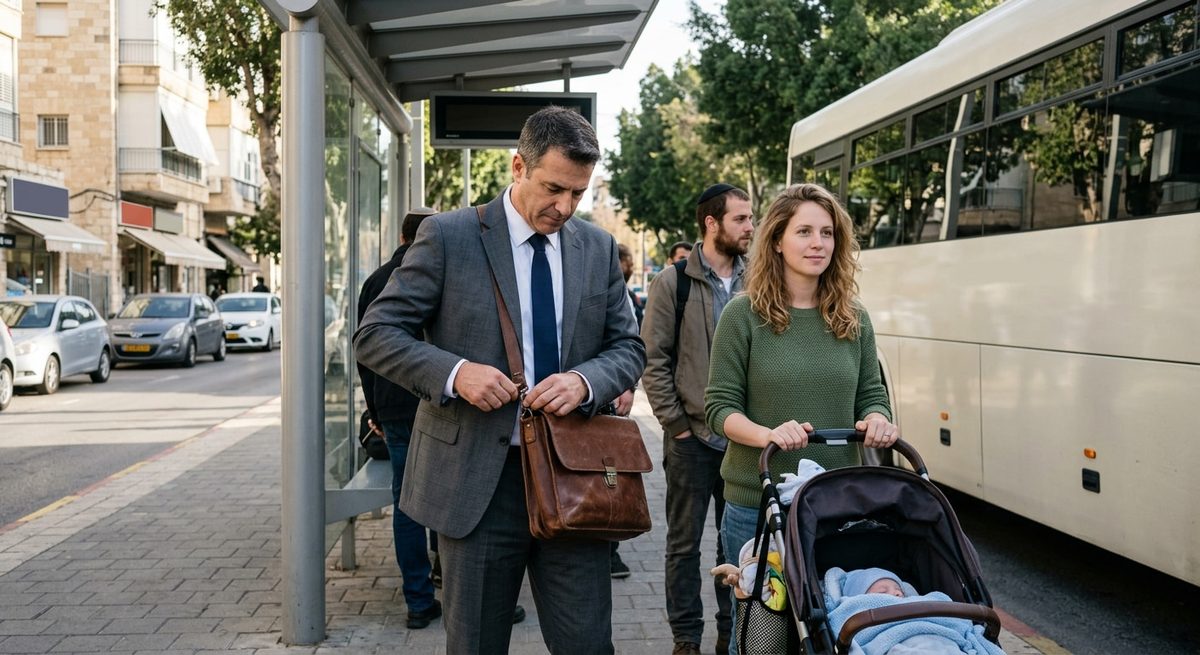
Transport is a practical advantage. Local and intercity buses connect Yehud-Monosson with Tel Aviv, Lod and nearby towns. Residents use Ben Gurion Airport and Lod railway stations for fast rail links to central Tel Aviv. Road 461 links the city to major highways for car travel.
Yehud-Monosson tends to suit people who want a suburban pace with good commuting options. Typical residents include families, long-term buyers and professionals who need access to the Tel Aviv job market but prefer more space than central neighbourhoods provide.
Areas and Neighbourhoods in Yehud-Monosson
The municipal area includes several neighbourhoods and an industrial/employment zone. Different parts of the city offer varied housing, services and local character.
Kiryat Savyonim (Kiryat HaSavyonim)
Overview: a family-oriented residential neighbourhood with local shops and services.
Transport and housing: mainly low-rise housing and apartment blocks. Local buses connect to central Yehud-Monosson and onward to Tel Aviv.
Who it suits: families and those seeking a suburban area close to schools and everyday amenities.
Kiryat Bialystok
Overview: an established neighbourhood with local landmarks and community facilities, including memorial sites.
Transport and housing: a mix of residential blocks and community services with easy road and public transport access.
Ideal for: residents who value established neighbourhood character and convenient services.
Givat Avia
Overview: a residential quarter noted in municipal planning and local listings.
Transport and housing: primarily residential streets with local bus access to central nodes.
Who it suits: people seeking quiet residential streets with nearby municipal amenities.
Neve Oved
Overview: a neighbourhood within the city’s residential footprint, referenced in municipal documents.
Transport and housing: mainly residential in character with nearby services and public transport links.
Ideal for: residents looking for neighbourhood-level amenities and a close community atmosphere.
Neve Monosson (Neve Efraim)
Overview: founded in 1953 and later incorporated into the municipality, Neve Monosson retains an identifiable suburban feel.
Transport and housing: largely residential with green spaces and pedestrian links. Residents use local buses and nearby roads for commuting.
Who it suits: those who prefer a distinct community inside the larger municipality, including families and long-term residents.
Insider's Guide to Israel
and can't-miss places most tourists never find.
Industrial / employment zone (Yehud industrial area)
Overview: a concentrated industrial and high-technology area that hosts manufacturing and tech firms, including an IAI campus.
Transport and housing: not primarily residential, but important for local employment and served by major roads and public transport for commuting workers.
Who it suits: employees and businesses in manufacturing, high-tech and logistics sectors.

Education in Yehud-Monosson
The municipality provides local education through municipal schools. Public data for the 2021/22 school year shows roughly 6,047 students across about 12 schools.
Municipal and statistical reporting note relatively strong matriculation (bagrut) attainment rates, indicating focus on secondary education outcomes.
For higher education, residents commonly travel to institutions in the wider Tel Aviv area and other regional centres. Those options are reachable by the transport links that connect Yehud-Monosson with nearby cities.
Transport and Connectivity
Yehud-Monosson has multiple transport links that make commuting to Tel Aviv and nearby cities straightforward. Road 461 is the main local arterial. It provides an east-west link to Highway 1 and the Ayalon corridor.
Rail access is via nearby stations rather than within the municipality itself. The Ben Gurion Airport railway station is the closest major rail link. Lod station is also nearby. Trains from Ben Gurion Airport to central Tel Aviv typically take about 15–20 minutes on frequent Israel Railways services.
Ben Gurion Airport is a few kilometres from the city, which helps with air travel and rail connections that run through the airport complex. Regular intercity and local buses (operators include Egged, Kavim and Metropoline) link Yehud-Monosson with Tel Aviv, Lod, Or Yehuda, Petah Tikva and surrounding communities.
Typical driving time to central Tel Aviv is around 20–30 minutes, depending on traffic. Many residents use a car for errands and some commutes, but reliable bus and rail options make car-free travel feasible for those commuting to major employment centres.
Nature and Outdoor Spaces
Yehud-Monosson is on the coastal plain in the Ono Valley. The city has a network of parks and small greenspaces for walking and play. These serve local residents in many neighbourhoods.
Beyond municipal parks, surrounding open and agricultural areas mark the edge between the city and the countryside. The compact footprint means many homes are a short walk from a small green space or community garden.

Amenities and Things to Do in Yehud-Monosson
Local shopping centers include the Savyonim shopping area and Kanyon Savyonim, which offer everyday retail and dining options. A city centre renewal project has aimed to improve pedestrian access and create a more active civic core.
Local institutions include the Israel Aerospace Industries (IAI) Yehud campus and civic landmarks such as the Kiryat Bialystok memorial. The Mekif Yehud High School is a notable local school.
Healthcare is provided via clinics and community providers. Hospitals and specialists are readily reachable in the wider metropolitan area. Sports facilities, parks and community centres support recreational programmes for families and young people.
Cities and Towns Near Yehud-Monosson
Yehud-Monosson sits within a close network of towns and cities on the eastern edge of the Tel Aviv metro area. Nearby centres provide additional shopping, jobs and cultural options, all within a short drive or bus ride.
Nearby cities and towns: Or Yehuda — 4.8 km, approx. 10 min; Lod — 9.1 km, approx. 20 min; Ramat Gan — 9 km, approx. 20 min; Petah Tikva — 9 km, approx. 15 min; Rishon LeZion — 16 km, approx. 25 min.
Advantages of Living in Yehud-Monosson
Close to Tel Aviv and transport nodes: short commutes by road and rail make metro jobs and services accessible.
Family-oriented services: municipal schools and community facilities target families and longer-term residents.
Local employment: an industrial and high-technology base, including the IAI campus, offers nearby jobs.
Suburban living with green spaces: neighbourhood parks and a quieter pace suit people who want more space than central urban neighbourhoods.
Things to Consider Before Moving to Yehud-Monosson
Some specialised services and a wider cultural offer require travel to larger nearby cities, especially Tel Aviv. This is a trade-off for a quieter local environment.
Real estate choices can be limited at times. Buyers seeking specific property types or rapid moves should plan and consult current market listings.
Commuting times vary with traffic. Public transport and rail are good for many commuters, but car travel times to central areas depend on peak-hour congestion.
Who Is Yehud-Monosson Best For?
Families
Well suited: the city’s schools, parks and family-oriented neighbourhoods make it attractive for households seeking a stable community near Tel Aviv.
Commuters
Good for commuters who want short rail or road journeys into central Tel Aviv and nearby employment centres, using services at Ben Gurion Airport or Lod stations and regular bus links.
Young Professionals
Appealing for young professionals who work in Tel Aviv or in local tech and industrial sectors and who prefer a suburban base with reasonable travel times.
Students
Relevant but conditional: higher-education students typically commute to universities in the wider Tel Aviv area. Yehud-Monosson can work as a residential base if students are comfortable travelling into metropolitan campus areas.
