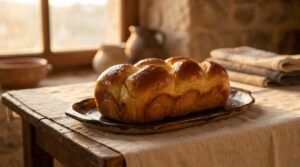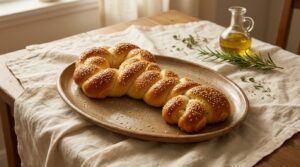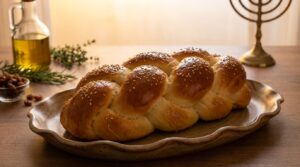
Celebrate with Traditional Purim Challah
6 March 13:34
141
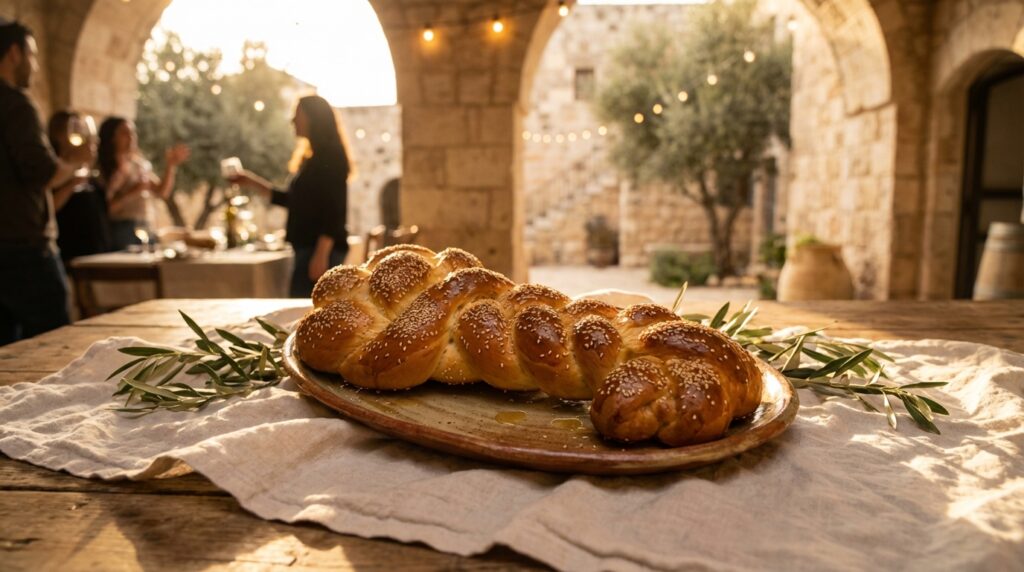

The tradition of baking Shlissel Challah dates back centuries, with roots in Eastern European Jewish communities. It is typically baked after Passover, marking the beginning of a new agricultural cycle. The challah is often shaped like a key or has a key baked into it, symbolizing the unlocking of sustenance and blessings for the year ahead.
In many families, the preparation of Shlissel Challah is a communal activity, bringing together generations to share stories and techniques. The process is as much about the connection and shared experience as it is about the final product. Each family may have its own unique twist on the recipe, passed down through generations.
The symbolism of the key in Shlissel Challah is deeply rooted in Jewish tradition. It represents the key to the gates of heaven, a metaphorical opening for prayers and blessings. This tradition highlights the importance of hope and faith in the community, reinforcing bonds and shared beliefs.
While the tradition is ancient, modern adaptations of Shlissel Challah have emerged. Some bakers incorporate new ingredients or techniques, blending traditional and contemporary styles. This evolution keeps the tradition alive and relevant, allowing it to resonate with new generations while honoring its historical roots.
The act of baking Shlissel Challah is often accompanied by storytelling and reflection. Families gather to share memories and hopes for the future, making the baking process a meaningful ritual. This shared experience fosters a sense of community and continuity, linking past, present, and future.
In recent years, Shlissel Challah has gained popularity beyond traditional Jewish communities. Its rich symbolism and delicious taste have made it a favorite among those who appreciate cultural and culinary heritage. This broader appreciation highlights the universal themes of hope and renewal that Shlissel Challah embodies.
The ingredients for Shlissel Challah are simple, yet each plays a crucial role in the final product. Flour, water, yeast, sugar, and eggs combine to create a dough that is both rich and tender. The addition of a key or key shape is a unique touch that sets this challah apart from others, adding a layer of meaning to each bite.
As the dough rises, so does the anticipation of sharing the finished bread with loved ones. The aroma of freshly baked challah fills the home, creating a warm and inviting atmosphere. This sensory experience is an integral part of the tradition, enhancing the emotional connection to the bread and its symbolism.
The final step of baking Shlissel Challah is often accompanied by a blessing or wish for prosperity. This moment of reflection adds a spiritual dimension to the process, reinforcing the themes of hope and renewal. The completed challah is more than just bread; it is a symbol of community, tradition, and faith.