
Beer Sheva Area Guide
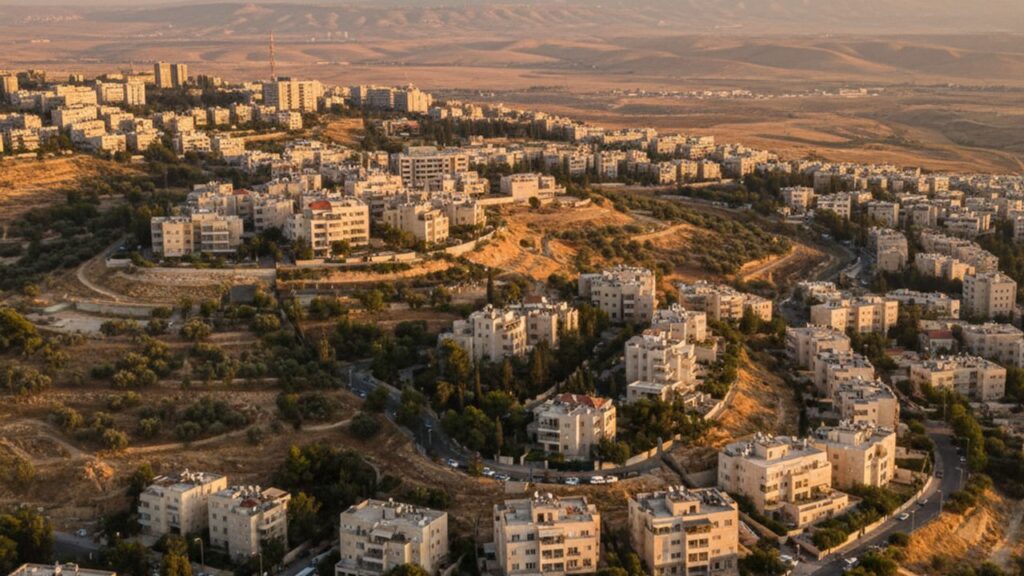

Beer Sheva is the main city of the Negev and a regional centre in southern Israel. This guide covers the city’s history, population, neighbourhoods, transport and everyday amenities to help you see if it suits your lifestyle.
Beer Sheva at a Glance
City: Beer Sheva • Country: Israel • District: Southern • Population: Over 200,000 residents (estimates vary by source) • Area: 117.5 km² • Nearest major city: Jerusalem • Distance: 72 km • Main transport connection: Rail: Israel Railways services to Tel Aviv. Road: Highway 40 / Route 25 and connections to Highway 6. Central intercity bus station provides regional links. • Known for: Capital of the Negev; Ben-Gurion University; Soroka Medical Center; Tel Be’er Sheva archaeological site; regional administrative, educational and health-care centre. • Historic origins: Ancient settlement at Tel Be’er Sheva with habitation from the 4th millennium BCE. The modern town began around 1900 and expanded through the 20th century.
Insider's Guide to Israel
and can't-miss places most tourists never find.

Where Is Beer Sheva?
Beer Sheva sits on the northern edge of the Negev Desert and is the main urban centre in the Southern District. The city acts as an administrative, education and healthcare centre for the wider region.
Nearby communities include Omer, Rahat, Dimona, Arad and Ashkelon. The nearest major city is Jerusalem, about 72 km to the north.
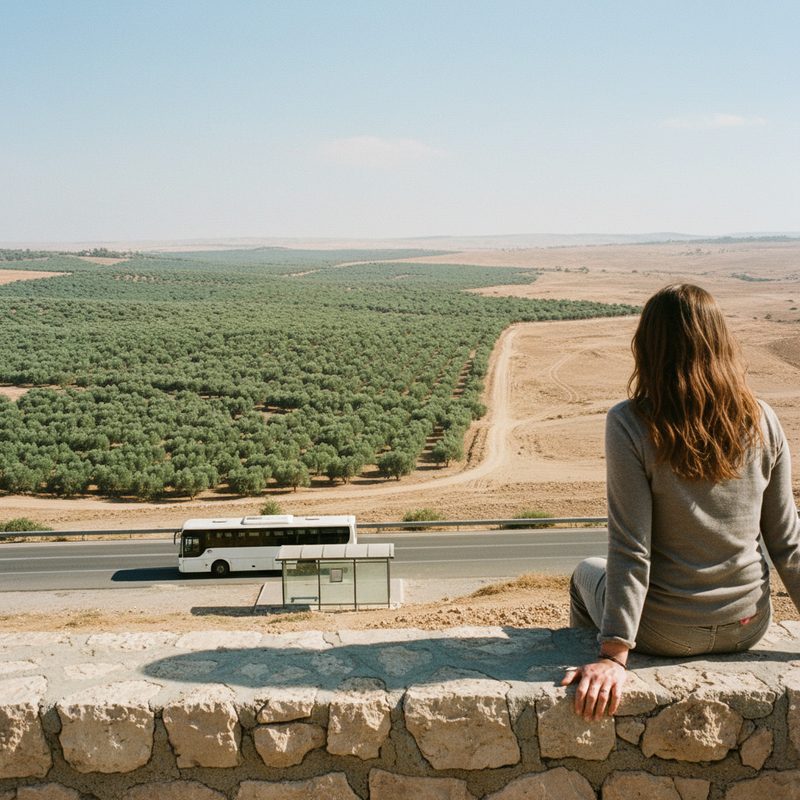
The setting is semi-arid, with dry wadis and open terrain leading into the Negev. Good road and rail links connect Beer Sheva with Israel’s central areas and with nearby desert sites.
History of Beer Sheva
The tell at Tel Be’er Sheva, a few kilometres east of the modern city, shows very early settlement with archaeological layers from the 4th millennium BCE. The site includes fortified remains from the Iron Age and later Persian, Hellenistic and Roman layers; it is preserved as Tel Be’er Sheva National Park.
Over later centuries the locality was affected by various historical phases. Ottoman and British Mandate developments influenced the wider region. The modern urban centre grew from the late 19th and early 20th centuries and expanded through the 20th century.
Beer Sheva Population
The city has a population of over 200,000 residents; estimates vary between sources. Growth in recent decades has been driven by internal migration, natural increase and a notable student population.
Beer Sheva is the largest city in the Negev and an important municipality in the Southern District. Its role as a centre for services, education and health has supported steady growth.
What Is It Like to Live in Beer Sheva?
Daily life combines urban services with a more open, lower-density feel than Israel’s central coastal cities. There are shops, municipal facilities and regional institutions, and the desert is close for outdoor activities.
The pace of life is generally calmer than in the central metropolitan corridor. Transport options include an intercity bus station, local buses and rail services. Soroka Medical Center and Ben-Gurion University are major local anchors.
People who value space, straightforward services and proximity to open landscapes will find Beer Sheva offers a clear, community-minded city lifestyle. The student presence, and the concentration of government and health services, creates a mix of younger residents and families.
Areas and Neighbourhoods in Beer Sheva
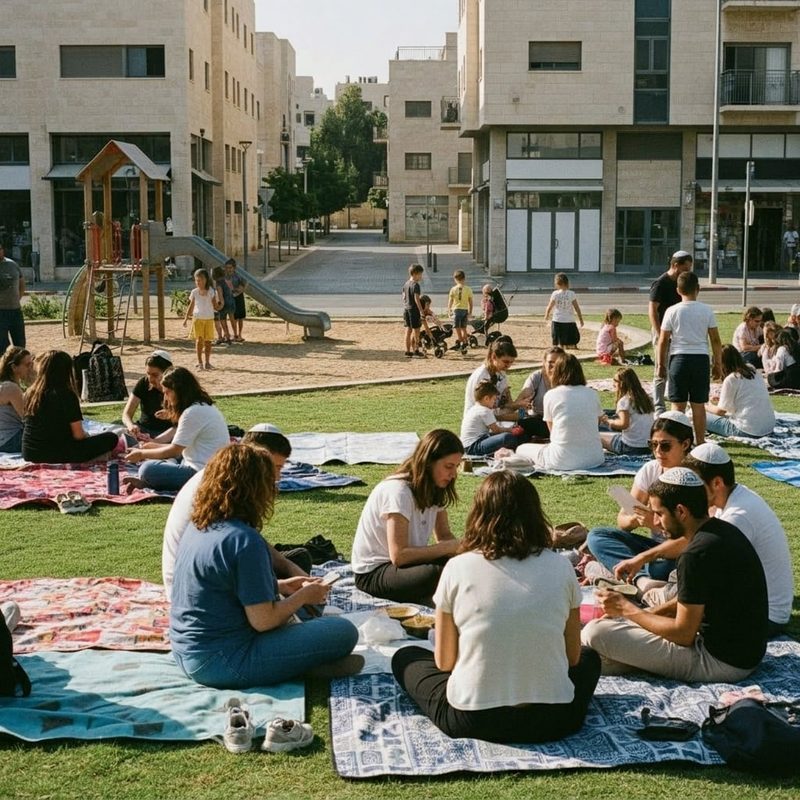
Beer Sheva has neighbourhoods from a compact Old City core to later planned districts and newer peripheral areas. Local buses and roads link these quarters to the city centre and regional routes.
Old City
The Old City is the historic core with narrow streets, shops and cultural sites such as Abraham’s Well. Housing is older and denser. It suits people who want to be near central shops and historic places.
Alef
Alef is an established residential district with mid-20th-century housing, apartment blocks and small green areas. Bus links to the centre make it suitable for families and long-term residents.
Bet
Bet is a settled neighbourhood with everyday amenities and residential streets. Local buses link to central Beer Sheva and the area is convenient for schools and shops.
Gimmel
Gimmel expanded during later residential development. Housing mixes older and newer blocks and public transport supports commuting. It is popular with residents seeking quieter streets and nearby services.
Dalet and Dalet Mizrah
These are planned residential sectors with family-focused streets, a mix of apartment buildings and local shops. Bus routes connect to the centre and schools and community facilities are nearby.
Hei
Hei is mainly residential with nearby community services. Most buildings are apartment blocks and local transport links are available. It fits households looking for straightforward neighbourhood amenities.
Vav
Vav combines residential and local commercial uses. Multi-storey apartment buildings are common and bus routes connect the area to the centre. It is a practical option for working families and commuters.
Tet
Tet is a residential area with local green space and shops. Housing is mainly apartments and public transport provides urban connections.
Yud Alef
Yud Alef is one of the numbered quarters with typical urban housing and access to the wider bus network. Local shops serve day-to-day needs.
Nahal Ashan and Nahal Beka
These names refer to local wadis where the urban edge meets more open terrain. Residential sectors here offer relatively quick access to outdoor areas and are served by local roads and buses.
Neot Lon and Neve Noy
Neot Lon and Neve Noy are residential neighbourhoods with apartment-focused housing, local retail and bus access. They suit families and professionals seeking stability.
Neve Ze’ev
Neve Ze’ev is a residential area with municipal services nearby. Apartments and local shops are common and buses connect to the centre.
Ramot
Ramot is a residential quarter near the urban core with a mix of housing types and direct transport links to civic and commercial areas. It appeals to families and people wanting easy access to the centre.
Education in Beer Sheva
Beer Sheva is an educational centre for the Negev, anchored by Ben-Gurion University of the Negev and supported by technical and academic colleges. The city hosts a sizeable student population and related cultural and research activity.
Institutions include Shamoon College of Engineering and Kaye Academic College, and Soroka Medical Center supports medical education and research. Local primary and secondary schools provide municipal education across the city.
Transport and Connectivity
The city is served by railway stations with frequent direct services to Tel Aviv operated by Israel Railways; journey times vary by service and route.
Insider's Guide to Israel
and can't-miss places most tourists never find.
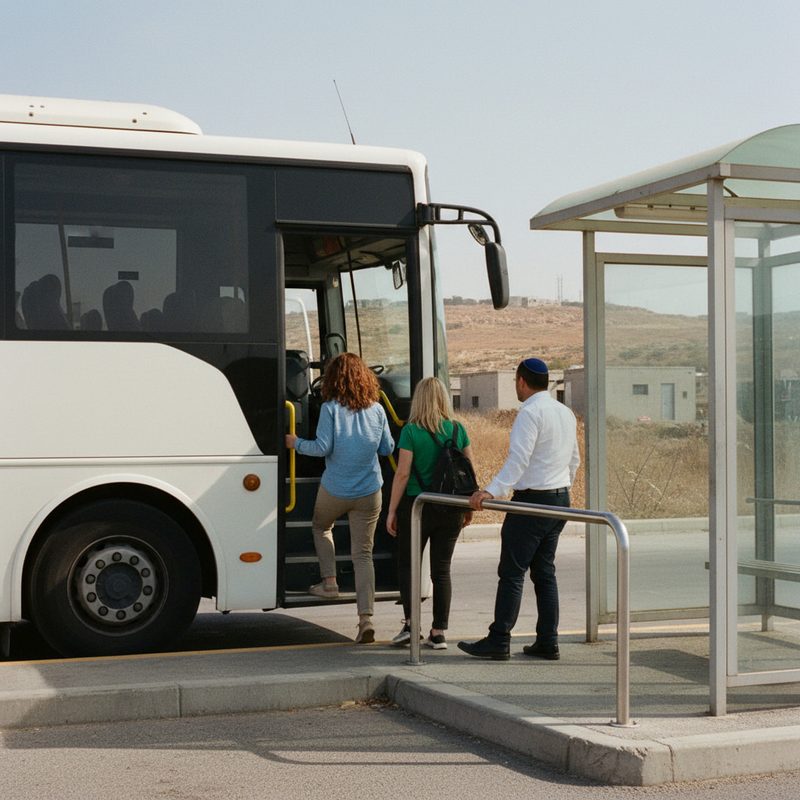
Be’er Sheva Central Bus Station offers intercity services (Egged, Metropoline and others) and many local routes. Regular buses link Beer Sheva with Tel Aviv, Jerusalem, Ashdod, Ashkelon, Dimona, Arad and nearby towns. By road, driving distance to Tel Aviv is roughly 95 to 105 km and journey times depend on route and traffic, commonly taking about 1 hour 15 minutes to 1 hour 45 minutes.
Ben Gurion Airport is about 92 km by road. While central parts of Beer Sheva can be navigated without a car, owning one is useful for some commuters and for trips into more remote Negev areas.
Nature and Outdoor Spaces
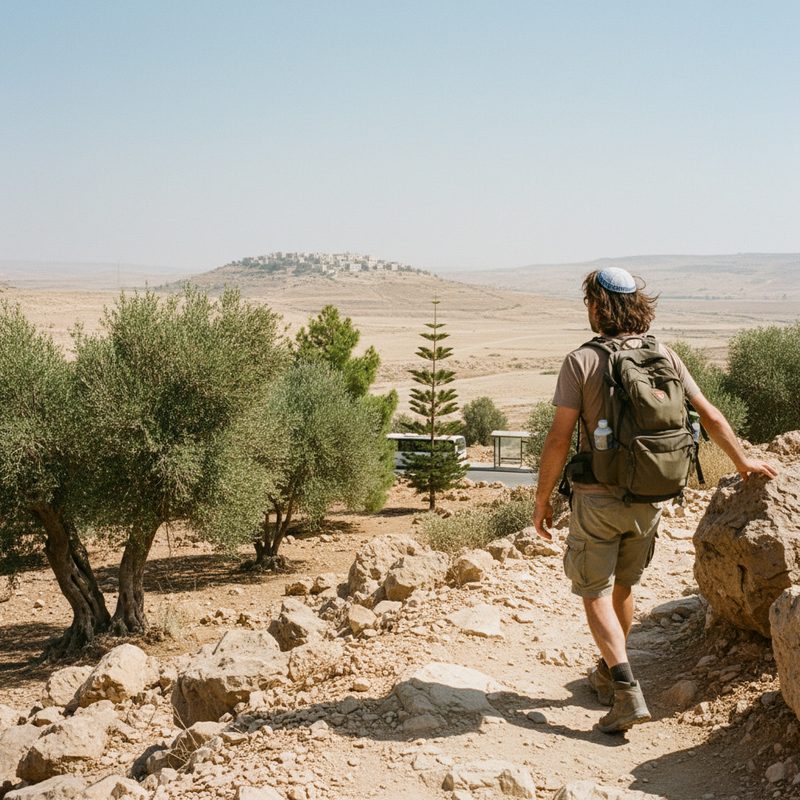
Beer Sheva sits at the northern edge of the Negev’s semi-arid landscape. Urban parks and green pockets provide daily outdoor options, and nearby wadis such as Nahal Be’er Sheva lead into desert scenery and short hikes.
The city is a practical base for exploring wider Negev natural sites and hiking areas farther south. Summers are hot and dry, while winters are milder and relatively drier than coastal regions.
Amenities and Things to Do in Beer Sheva
Civic and cultural institutions are central to local life. Notable places include Ben-Gurion University (with campus events), Soroka University Medical Center, the Negev Museum of Art, the Old Turkish Railway Station, Abraham’s Well visitor centre and Tel Be’er Sheva National Park.
The centre and nearby districts offer shopping, restaurants, cafés and everyday services. Cultural life is driven by university events, museums and community programming rather than a large city entertainment scene.
Sports facilities, community centres and public parks add to local options. Many regional services are concentrated in Beer Sheva, though some specialised or national-level services may require travel to larger central cities.
Cities and Towns Near Beer Sheva
Beer Sheva sits among a range of nearby towns and smaller cities that act as suburbs, commuter towns or regional neighbours. Nearby places include Omer, Rahat, Dimona, Arad and Ashkelon, which offer extra residential, cultural and employment options within relatively short travel times.
Nearby cities and towns: Omer — 6 km, approx. 7 min; Rahat — 21 km, approx. 25 min; Dimona — 39 km, approx. 35 min; Arad — 46 km, approx. 43 min; Ashkelon — 51 km, approx. 60 min.
Advantages of Living in Beer Sheva
Regional services: Beer Sheva concentrates government, health and educational services for the Negev region.
Education and research: Ben-Gurion University and other colleges give the city a strong academic and student presence.
Healthcare access: Soroka Medical Center provides major hospital services and many medical specialties for the south.
More space and affordability: Compared with Israel’s central coastal cities, Beer Sheva typically offers more space and a wider range of housing at relatively lower prices.
Access to nature: The city’s location on the edge of the Negev gives residents easier access to desert landscapes, wadis and outdoor recreation.
Things to Consider Before Moving to Beer Sheva
Entertainment and specialised services: Local entertainment and some specialised services are more limited than in larger central cities, so trips to Tel Aviv or Jerusalem may be needed for certain cultural or professional needs.
Public transport and travel times: While well connected by rail and bus, some journeys can be long and road travel depends on traffic. Owning a car can help for frequent regional travel or visits to remote Negev areas.
Climate: The semi-arid climate brings hot, dry summers and limited rainfall; consider cooling needs and outdoor planning in the hotter months.
Variable property conditions: The housing stock includes older buildings that may need renovation; prospective buyers and renters should inspect properties carefully.
Who Is Beer Sheva Best For?
Families
Families benefit from neighbourhoods with local services, more space than central cities, and convenient access to schools and healthcare.
Commuters
Commuters to the central belt can use rail and major highways, but travel times to coastal cities are significant and should be planned for.
Young Professionals
Young professionals working in education, healthcare, research or public services will find relevant job options and more affordable housing than in larger metropolitan areas.
Students
Students are well served by Ben-Gurion University and local colleges; the city supports an active academic community and related activities.
Retirees
Retirees who prioritise quieter neighbourhoods, access to medical services and a relaxed pace of life may find Beer Sheva attractive, especially if they value proximity to open landscapes.
