
Ramat HaSharon Area Guide
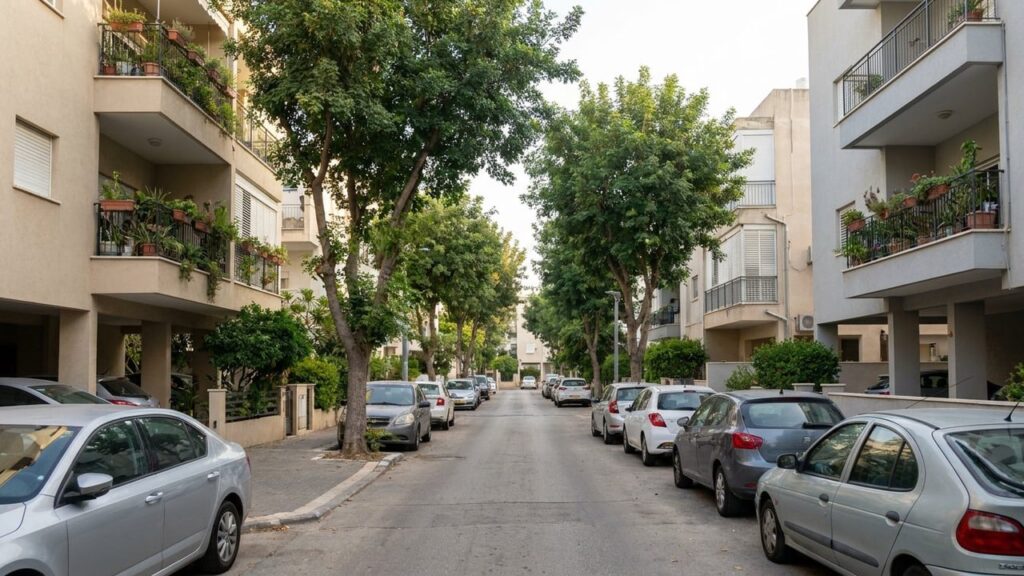

Ramat HaSharon is a suburban city in the Tel Aviv District offering leafy streets, family-oriented neighbourhoods and convenient links to the metropolitan core. This guide lays out what to expect when living in Ramat HaSharon, its history, population, transport and local amenities in a practical way.
Ramat HaSharon at a Glance
City: Ramat HaSharon • Country: Israel • District: Tel Aviv • Population: 48860 • Area: 16.792 km² • Nearest major city: Tel Aviv-Yafo • Distance: 9.2 km • Main transport connection: Road via the Glilot / Highway 2 corridor and an extensive local bus network; rail access via the nearby Herzliya Israel Railways station. • Known for: Affluent suburban residential character with tree-lined boulevards; historically known for strawberry fields and citrus groves; home to the Israel Tennis Center (Canada Stadium) and local cultural and educational institutions. • Historic origins: Archaeological evidence shows Byzantine and Early Islamic occupation at sites such as Khirbat el-‘Ora; modern settlement founded in 1923 (originally as Ir Shalom / Kfar Ramat HaSharon) and later granted city status in 2002.
Insider's Guide to Israel
and can't-miss places most tourists never find.

Where Is Ramat HaSharon?
Ramat HaSharon sits on the coastal plain immediately north of central Tel Aviv, within the Tel Aviv District. It occupies a zone between the Mediterranean coastal strip and the inland suburban belt, connecting directly to neighbouring towns and the wider urban region.
The city is bordered by Herzliya to the northwest, Hod HaSharon and Kfar Saba to the east and Ramat Gan and Tel Aviv to the south and southwest. Its location places it within easy reach of the main economic and cultural centres of the metropolitan area while maintaining a quieter residential atmosphere.
Geographically, Ramat HaSharon occupies roughly 16.8 square kilometres of mostly low-lying coastal plain. Much of the present built environment grew up on former agricultural land that historically supported citrus groves and strawberry fields.
History of Ramat HaSharon
The area now known as Ramat HaSharon has a layered history. Archaeological excavations, for example at Khirbat el-‘Ora, have revealed remains from the Byzantine and Early Islamic periods — including a winepress, mosaic and coins — indicating settlement and activity in late antiquity and the early medieval era.
During the Ottoman period the land that would become the modern town formed part of the coastal plain under Ottoman administration. In the early twentieth century, with the British Mandate in place, Jewish settlement efforts led to the foundation of new agricultural communities across the region.
Modern Ramat HaSharon traces its formal founding to 1923, when it was established as Ir Shalom (later known as Kfar Ramat HaSharon) as part of the early Zionist settlement movement. Over the course of the twentieth century the settlement evolved from agricultural plots and orchards into a suburban town.
After the establishment of the State of Israel and decades of suburban development, Ramat HaSharon continued to expand its residential neighbourhoods and public amenities. The municipality was granted city status in 2002, reflecting its mature urban character within the Tel Aviv metropolitan area.
Ramat HaSharon Population
As of 2024 the population of Ramat HaSharon is 48,860. This figure reflects the city’s role as a mid-sized suburban municipality within the Tel Aviv District.
Population trends in recent decades have been shaped by suburban development, family-oriented housing and the municipality’s appeal to residents seeking more space than central Tel Aviv. The city’s population size places it among the moderate-sized local authorities in the metropolitan area rather than among the largest urban centres.
What Is It Like to Live in Ramat HaSharon?
Living in Ramat HaSharon feels suburban and residential, with an emphasis on space, greenery and community amenities. The built environment mixes detached family homes, low-rise apartment blocks and pockets of newer development, set along tree-lined boulevards and local parks.
Daily life centers on neighbourhood services, schools and local shopping, while the proximity to Tel Aviv provides access to broader employment, entertainment and cultural options. Residents commonly balance quieter daytime neighbourhoods with regular commuting or trips into the city for work and leisure.
Infrastructure and public services are geared toward family life: elementary and secondary schools, community centres and sports facilities are well represented. Public transport links exist, though many residents rely on private cars for convenience and flexibility; buses and the nearby rail station provide alternatives for commuting.
The pace is generally calmer than inner-city living. The city offers ready access to outdoor spaces and local cultural institutions, making it a practical choice for households prioritizing a residential environment with metropolitan connectivity.
Areas and Neighbourhoods in Ramat HaSharon
Ramat HaSharon is organized into several neighbourhoods, each with its own character and housing mix. Below are short profiles of commonly referenced districts within the city.
Neve Gan
Neve Gan is one of the established residential quarters with tree-lined streets and a mix of low-rise apartment buildings and private homes. It tends to attract families who value quieter streets and proximity to local schools and parks.
Transport connections are typical of central Ramat HaSharon, with local bus lines linking the neighbourhood to commercial areas and to bus routes toward Herzliya and Tel Aviv. Housing here ranges from older, well-maintained properties to more recent renovations.
Morasha
Morasha is known as a settled, residential area that blends family houses and smaller apartment blocks. It benefits from access to local amenities and neighbourhood green spaces.
The neighbourhood suits residents looking for a calm community atmosphere but who still want straightforward access to the city’s main roads and bus services for trips to nearby urban centres.
Sokolov / City Center
Sokolov / City Center functions as the municipal heart with shops, services and some higher-density housing along main boulevards. This area concentrates municipal facilities, retail and daily conveniences.
For those who prefer to be near cafés, supermarkets and municipal services, the City Center brings short walks to many everyday needs while maintaining a suburban scale compared with larger urban centres.
Usishkin
Usishkin is a primarily residential sector characterized by family homes and local schools. Streets here are often quieter and lined with trees, supporting a neighbourhood feel.
The area is well suited to families who want space and proximity to educational facilities while remaining a short drive or bus ride from central amenities and commuting routes.
North Ramat HaSharon
North Ramat HaSharon includes newer developments and residential zones that interface with adjoining towns. It tends to offer a mix of housing types and is attractive to households seeking a slightly more modern built environment.
Its location toward the city’s edge provides relatively easy access to arterial roads while preserving local amenities and green spaces for residents.
The Park (HaPark)
The Park (HaPark) area centers on green public space and surrounding residential streets. Properties here often benefit from proximity to parks and recreational facilities.
This neighbourhood is popular with people who prioritize access to outdoor space, weekend recreation and a quieter residential setting while still being close to the city’s services.
Education in Ramat HaSharon
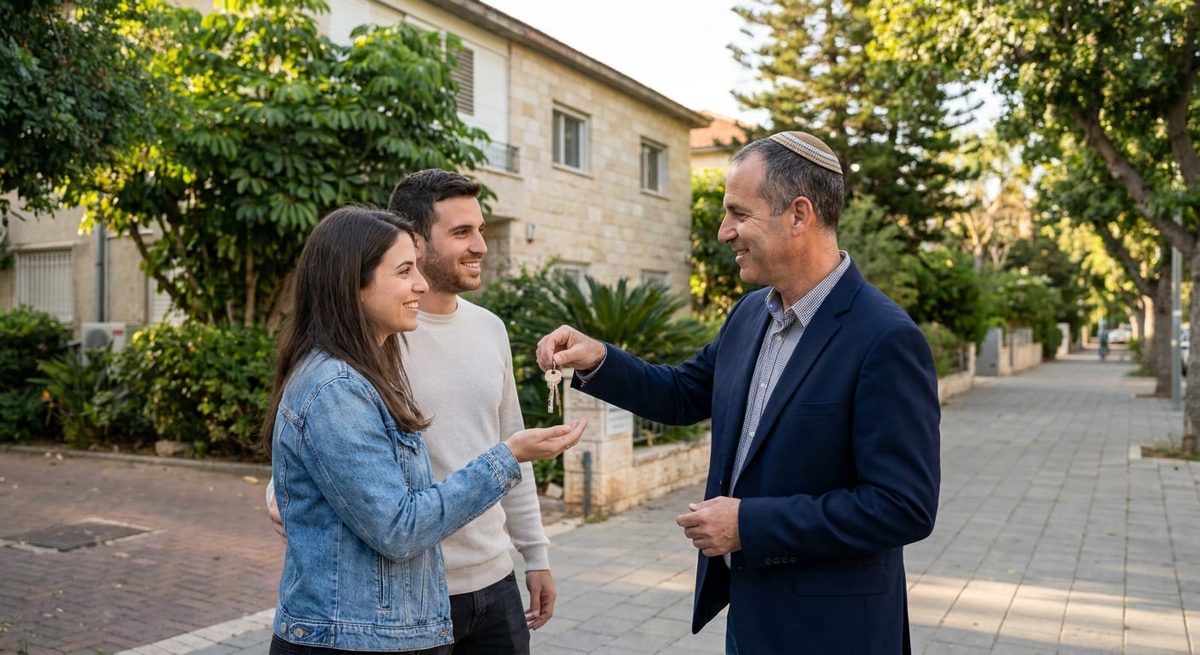
Education provision in Ramat HaSharon covers primary and secondary levels with multiple local schools serving the city’s families. The municipality operates seven elementary schools, two middle schools (Alumim and Kelman) and two high schools (Rothberg and Alon).
Beyond mainstream schooling, Ramat HaSharon hosts specialist institutions such as Midrasha LoOmanut, which trains art teachers, and the Rimon School of Jazz & Contemporary Music, a notable centre for music education. There is also a Geology Museum housed in a historic building, reflecting local cultural and educational resources.
For university-level studies, residents typically travel into the wider Tel Aviv metropolitan area where major universities and colleges are located; the city’s transport links support daily commuting for students attending institutions in neighbouring cities.
Insider's Guide to Israel
and can't-miss places most tourists never find.
Transport and Connectivity
Ramat HaSharon’s main transport connections run along the Glilot / Highway 2 corridor and a network of local arterial streets that link the city to Herzliya, Tel Aviv and the northern suburbs. This road corridor supports regular driving and bus journeys into the metropolitan area.
The nearest Israel Railways station is Herzliya railway station, which is commonly used by residents for rail travel. Frequent direct rail services run from Herzliya to Tel Aviv terminals, with typical journey times on the order of approximately 20–30 minutes depending on the destination station.
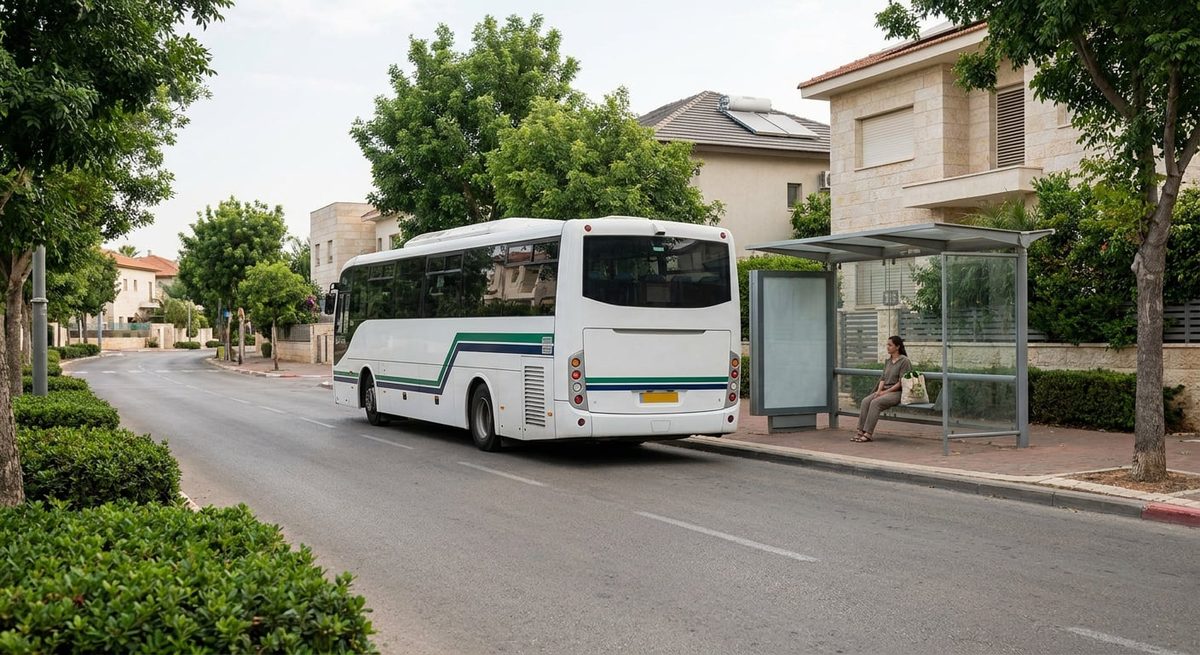
Multiple intercity and local bus lines serve Ramat HaSharon, connecting it with Tel Aviv and nearby towns. These services are part of the regional bus network operated by several companies and provide a practical alternative to driving for many commuters.
Ben Gurion Airport lies approximately 17 kilometres from Ramat HaSharon, making air travel reachable by car or public transport with a moderate transfer time. While the city has reasonable public transport options, many households find private cars convenient for everyday mobility; car-free living is possible but depends on personal lifestyle and commute patterns.
Nature and Outdoor Spaces
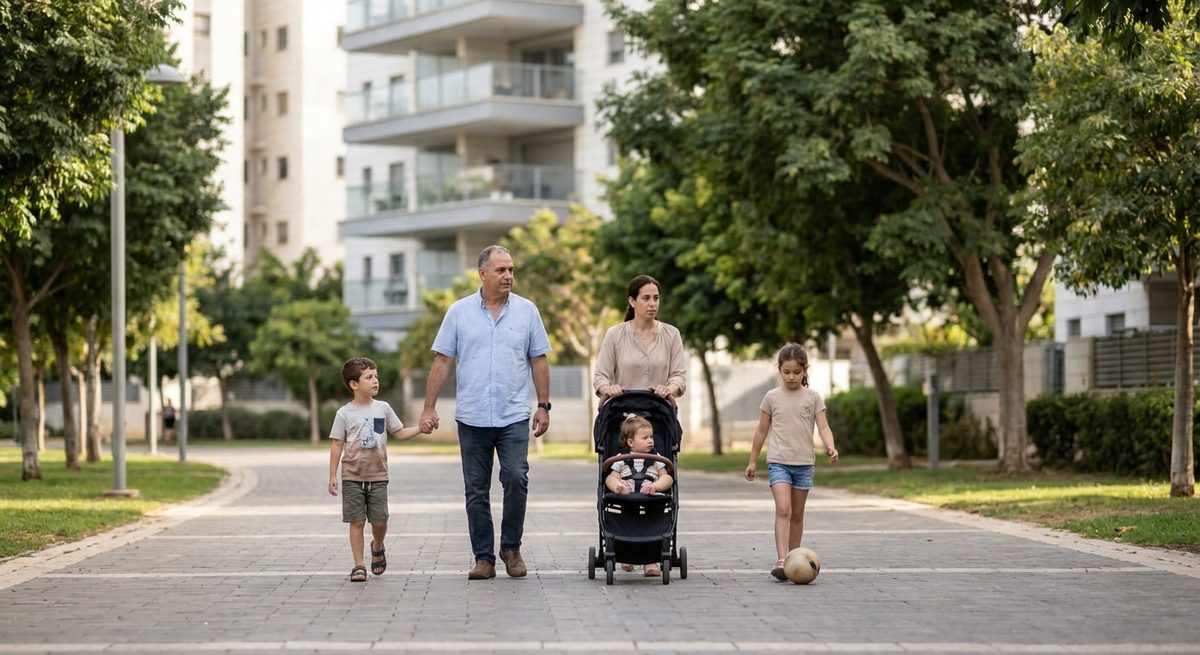
Parks, tree-lined boulevards and urban green spaces form a core part of Ramat HaSharon’s character. The city retains an emphasis on planted streets and neighbourhood parks that provide recreational space for families and sports activities.
Historically, the surrounding landscape supported citrus groves and strawberry fields; although much of that agriculture has given way to suburban development, the legacy of open spaces and parkland remains visible in the urban fabric.
Opportunities for walking, local sports and weekend outdoor recreation are widely available within the municipality, and nearby coastal and inland green areas expand choices for nature outings beyond the city limits.
Amenities and Things to Do in Ramat HaSharon
Ramat HaSharon offers a selection of notable leisure and cultural venues alongside everyday shopping and services. Significant places include the Israel Tennis Center (Canada Stadium), which supports local and national tennis activities, and Cinema City Glilot for cinema and entertainment.
The Rimon School of Jazz & Contemporary Music brings cultural activity and performance to the city, while the Geology Museum provides a unique educational attraction in a historic building. The area around the former IMI site features industrial and employment functions that have been part of the locality’s economic history.
Local shopping, cafés and restaurants are concentrated in the city centre and along main streets, providing daily conveniences. Healthcare facilities and municipal services cover routine needs, while more specialised medical and cultural offerings are readily accessible in neighbouring cities.
Cities and Towns Near Ramat HaSharon
Ramat HaSharon is closely integrated with a cluster of neighbouring towns and cities along the coastal plain, making short journeys to nearby centres a regular part of life for residents.
Nearby cities and towns: Herzliya — 2.1 km; Hod HaSharon — 4.7 km; Kfar Saba — 7.5 km; Ramat Gan — 8.9 km; Tel Aviv-Yafo — 9.2 km.
Advantages of Living in Ramat HaSharon
Space and residential comfort: The city emphasizes low- to medium-density housing, tree-lined streets and neighbourhood parks, appealing to families and those seeking more room than inner-city living.
Proximity to Tel Aviv: At roughly 9.2 kilometres from central Tel Aviv, residents benefit from short commutes to major employment and cultural hubs while keeping a suburban lifestyle.
Good local schools and cultural institutions: Multiple elementary and secondary schools, plus specialist institutions like the Rimon School and Midrasha LoOmanut, support a broad local education offer.
Leisure and sports facilities: The presence of the Israel Tennis Center and local recreational spaces supports active lifestyles and community sport programming.
Things to Consider Before Moving to Ramat HaSharon
Higher property prices: As a desirable suburban municipality in the Tel Aviv metropolitan area, property values can be relatively high compared with more distant suburbs.
Public transport limitations: While buses and the nearby Herzliya rail station provide connections, some residents find public transport options more limited than in central urban areas and prefer to own a car for flexibility.
Some services require travel: For specialised healthcare, higher education or a wider variety of cultural venues, trips into Tel Aviv or neighbouring cities are common.
Who Is Ramat HaSharon Best For?
Families
Well suited: the city’s family-oriented neighbourhoods, parks and local schools make it attractive to households with children.
Commuters
Good option: proximity to Tel Aviv and access to the regional road network and Herzliya rail services support daily commuting into the metropolitan job market.
Young Professionals
Appealing for those who want close access to city jobs while preferring quieter residential surroundings; transport links permit relatively easy travel into central business areas.
Students
Relevant: the city hosts specialist music and art education institutions, and is close enough to major universities in the Tel Aviv area for daily travel.
Retirees
Suitable for retirees seeking a relaxed pace, local services and community life while remaining near major urban amenities when needed.
