Traditional Passover Egg Recipe
3 May 15:25
226
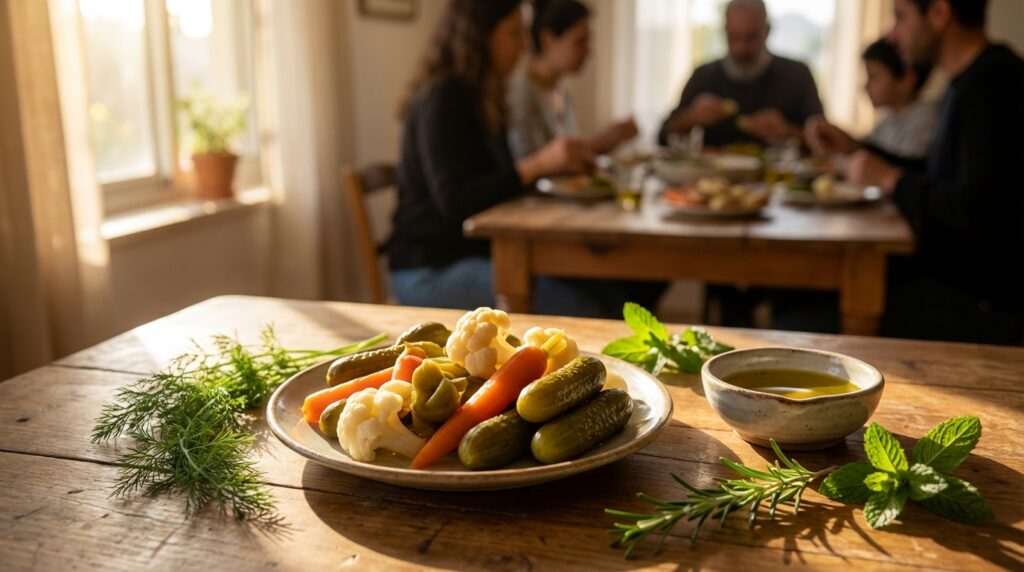

Originating from Eastern European Jewish communities, pickles have become a quintessential part of Israeli meals. The process of pickling cucumbers in brine was brought to Israel by immigrants who cherished the tangy, refreshing taste. Over time, these pickles have been embraced by all Israelis, becoming a symbol of the country’s diverse culinary heritage.
In Israel, pickles are often enjoyed as a side dish or a snack. They are commonly served alongside falafel, shawarma, and other popular street foods. The crisp texture and tangy flavor provide a perfect contrast to the rich, savory dishes they accompany.
The popularity of Israeli pickles has grown internationally, with many people around the world seeking to recreate their unique taste. The traditional method of pickling involves using fresh cucumbers, water, salt, and various spices, allowing the natural fermentation process to enhance the flavors.
Families in Israel often have their own secret recipes for pickles, each adding a personal touch to the classic preparation. Some prefer to add garlic, dill, or even chili peppers to give their pickles an extra kick. This customization reflects the personal and cultural significance of pickling in Israeli households.
The process of making Israeli pickles is relatively simple, yet it requires patience and care. The cucumbers are first washed and then soaked in a brine solution, where they ferment over several days. This fermentation not only preserves the cucumbers but also enhances their nutritional value, making them a healthy addition to any meal.
Israeli pickles are not just a food item; they represent a connection to the past and a celebration of cultural identity. They are a reminder of the resilience and adaptability of the people who brought this tradition to Israel, and of the vibrant culinary landscape that continues to evolve today.
Throughout Israel, pickles can be found in markets, restaurants, and homes, each offering a slightly different flavor profile. This diversity is a testament to the rich tapestry of cultures that have influenced Israeli cuisine. From Ashkenazi to Sephardic traditions, each community has contributed to the unique taste of Israeli pickles.
The love for pickles in Israel is evident in the various festivals and events dedicated to this humble food. These gatherings celebrate not only the pickles themselves but also the community and shared heritage they represent. It’s a time for people to come together, share recipes, and enjoy the simple pleasures of life.
As more people discover the joys of Israeli pickles, the tradition continues to thrive, bringing a taste of Israel to kitchens around the world. Whether enjoyed on their own or as part of a larger meal, Israeli pickles offer a delightful culinary experience that is both familiar and exotic.