
Delicious Tirshi: A Taste of Israeli Heritage
17 March 09:22
293
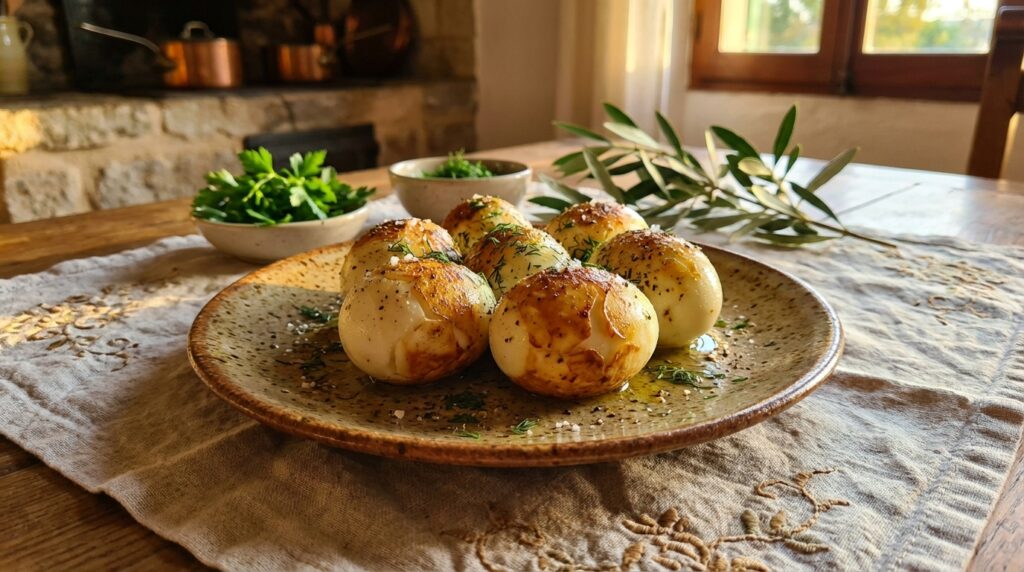

The tradition of eating eggs during Passover dates back centuries. Eggs are a symbol of life and renewal, representing the cycle of life and the hope for a new beginning. In many Jewish communities, eggs are served at the Seder meal, often roasted or boiled, to remind participants of the sacrifices made in ancient times.
In Israel, the preparation of Passover eggs has become an art form. Families gather to cook eggs in various ways, each adding their unique touch. The eggs are often boiled with onion skins, which give them a rich, golden hue. This method not only enhances the flavor but also adds a visual appeal to the dish.
The eggs are typically served as part of the Seder plate, alongside other symbolic foods. Each item on the plate holds a special meaning, and the egg is no exception. It serves as a reminder of the sacrifices made by the Jewish people and the enduring spirit of their culture.
The process of cooking Passover eggs is simple yet meaningful. Families often gather in the kitchen, sharing stories and traditions as they prepare the dish. The eggs are placed in a pot with water and onion skins, then simmered slowly to allow the flavors to meld. This communal activity strengthens family bonds and preserves cultural heritage.
Passover eggs are not just a dish but a connection to history. They are a way to honor the past while celebrating the present. The act of preparing and eating these eggs is a tribute to the resilience and faith of the Jewish people, a testament to their enduring traditions.
In modern times, Passover eggs have gained popularity beyond Israel. Many Jewish families around the world have adopted this tradition, adding their own variations and flavors. This global embrace of Passover eggs highlights the universal appeal of cultural traditions and the joy of sharing them with others.
The simplicity of the recipe allows for creativity and personalization. Some families add spices or herbs to the cooking water, enhancing the flavor and aroma of the eggs. Others may choose to serve them with a sprinkle of salt or a drizzle of olive oil, adding a modern twist to this ancient tradition.
The versatility of Passover eggs makes them a favorite among many. Whether served as a side dish or a main course, they are a delicious and nutritious addition to any meal. Their rich flavor and cultural significance make them a cherished part of the Passover celebration.
As Passover approaches, the anticipation of enjoying these eggs grows. Families look forward to gathering around the table, sharing stories, and savoring the flavors of this beloved dish. The Passover egg is more than just food; it is a symbol of unity, tradition, and the enduring spirit of the Jewish people.