
Delicious Zucchini Latkes for Every Occasion
19 April 08:59
249
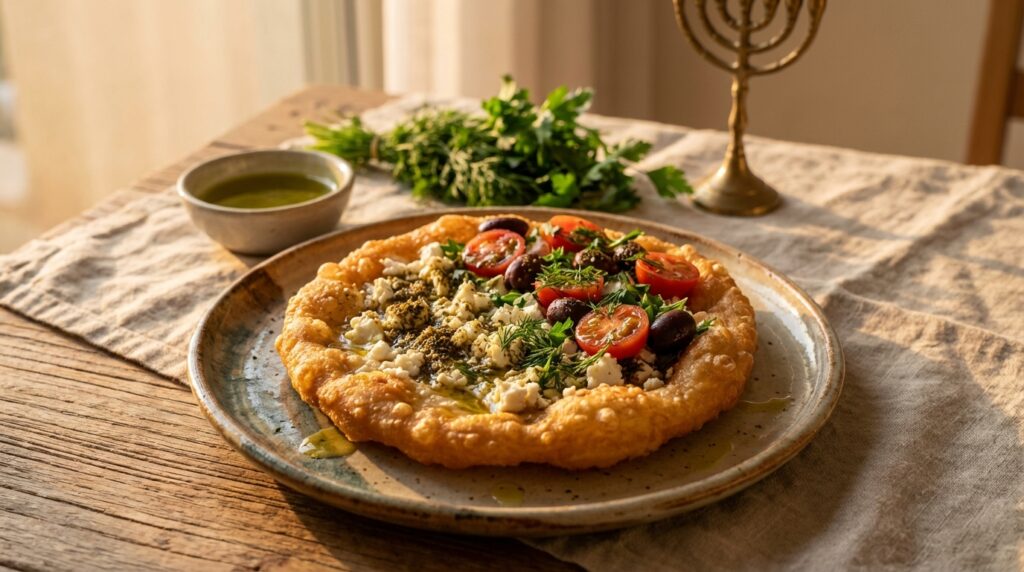

Langos has its roots in the rural kitchens of Hungary, where it was traditionally made as a quick and satisfying meal. Farmers would prepare it using simple ingredients like flour, yeast, and water, frying the dough to create a crispy yet soft delight. Over time, this humble dish became a staple in Hungarian street food culture, loved for its versatility and comforting taste.
The traditional Langos was often topped with sour cream and cheese, offering a rich and savory experience. As it gained popularity, variations began to appear, incorporating different toppings and flavors. This adaptability allowed Langos to transcend its origins, becoming a canvas for culinary creativity.
In Israel, Langos found a new home, embraced by locals who appreciated its simplicity and flavor. Israeli cooks began experimenting with toppings, adding local ingredients like za’atar and labneh, infusing the dish with a Middle Eastern flair. This fusion of Hungarian and Israeli elements created a unique culinary experience, celebrating the shared love for delicious, hearty food.
The introduction of Langos to Israel was met with enthusiasm, as it resonated with the country’s diverse culinary landscape. Its presence in markets and festivals highlights the cultural exchange between Hungary and Israel, showcasing how food can unite different traditions and communities.
Israeli chefs have embraced Langos, using it as a base for innovative creations. From sweet to savory, the possibilities are endless, reflecting the country’s vibrant food scene. This adaptability ensures that Langos remains a beloved dish, cherished by both locals and visitors alike.
The story of Langos is a testament to the power of food in bridging cultures and creating new traditions. Its journey from Hungarian villages to Israeli streets illustrates how culinary traditions evolve, adapting to new environments while preserving their essence.