
Traditional Malawach from the Heart of Israel
25 March 10:18
255
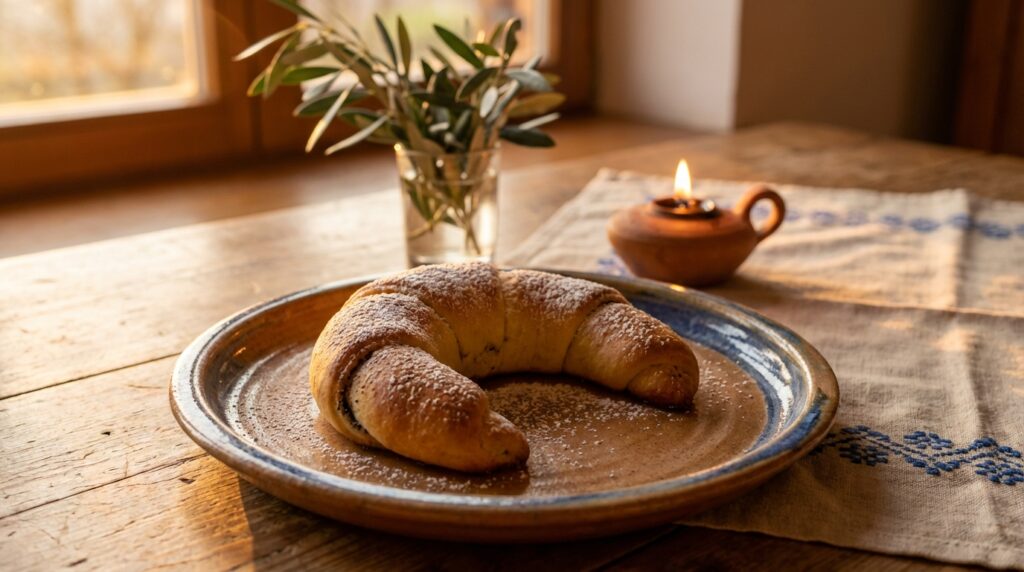

Originating from Central Europe, this delightful pastry has found a special place in Israeli kitchens. Its rich, nutty flavor and soft texture make it a favorite during festive occasions. The roll is often prepared with care, using traditional methods passed down through generations.
In Hungary, the poppy seed roll is known as ‘Beigli’ and is traditionally made during Christmas and Easter. However, in Israel, it has become a year-round treat, enjoyed by families who cherish its comforting taste. The poppy seeds are ground to perfection, creating a filling that is both sweet and slightly savory.
The integration of this pastry into Israeli cuisine is a testament to the country’s diverse culinary influences. Jewish immigrants from Hungary brought their beloved recipes with them, enriching the local food culture. Today, the Hungarian poppy seed roll is not just a dessert; it’s a connection to heritage and family memories.
Rich in calcium and magnesium, poppy seeds add a nutritional boost to this indulgent treat. They are also a source of fiber, which aids in digestion. The seeds’ slightly nutty taste complements the sweetness of the dough, creating a balanced flavor profile that is both satisfying and nourishing.
The preparation of the Hungarian poppy seed roll is an art in itself. The dough must be rolled thinly and evenly, ensuring that the filling is distributed perfectly. This requires patience and skill, as well as a deep appreciation for the craft of baking. Each roll is a labor of love, reflecting the baker’s dedication to tradition.
Sharing a slice of this roll is more than just enjoying a dessert; it’s an experience that brings people together. Whether served at a family gathering or gifted to friends, the Hungarian poppy seed roll is a symbol of generosity and connection. Its presence on the table is a reminder of the joy found in simple pleasures.
As more people discover the Hungarian poppy seed roll, its legacy is preserved and celebrated. Young bakers are learning the techniques from their elders, ensuring that this cherished recipe is not lost to time. The roll’s enduring appeal lies in its ability to adapt while remaining true to its roots.
In modern Israeli bakeries, variations of the traditional recipe can be found, incorporating local ingredients and flavors. These innovations keep the Hungarian poppy seed roll relevant and exciting, attracting a diverse audience who appreciate both its history and its evolution. The roll’s journey from Hungary to Israel is a story of cultural exchange and culinary creativity.
Ultimately, the Hungarian poppy seed roll is more than just a pastry; it’s a celebration of heritage, community, and the simple joys of baking. Its rich history and delicious taste continue to inspire and delight, making it a beloved part of Israeli culinary tradition.