Indulge in a Chocolate Poppyseed Cake Delight
8 March 08:40
241
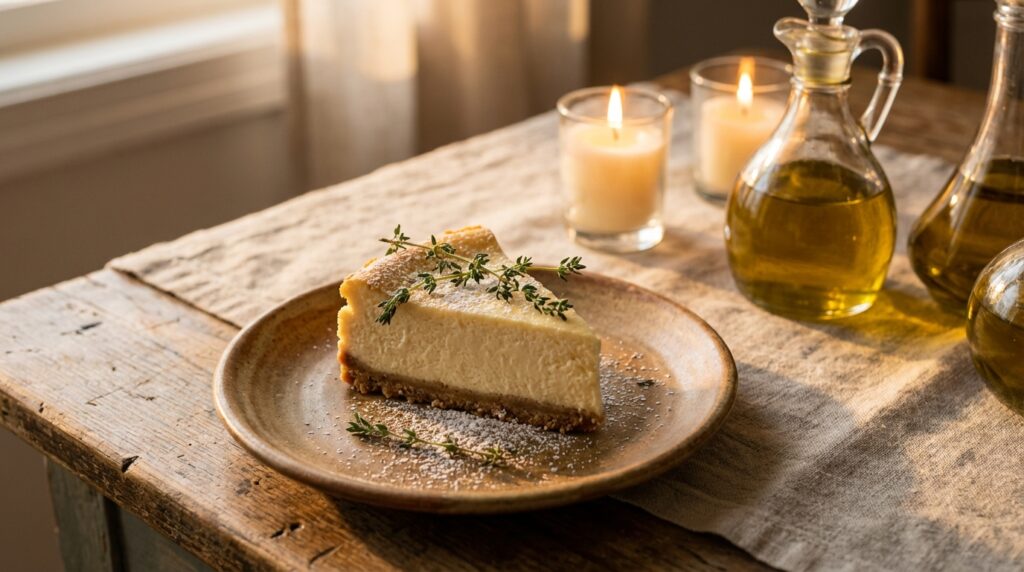

Israeli cheesecake, often called “gevina levana cheesecake,” traces its roots to the European Jewish communities who brought their dairy‑rich desserts to Israel. Over time, the recipe evolved to suit local tastes and ingredients, especially the beloved quark‑style cheese known as gevina levana. This cheese, lighter than cream cheese, gives the dessert a uniquely airy texture that feels both familiar and refreshingly different.
In the mid‑20th century, Israeli families began adapting the classic cheesecake into a no‑bake version, using tea biscuits or cookie crumbs for the base and layering a whipped cheese filling. This made the dessert accessible and easy to prepare, even in busy kitchens. It became a staple at Shavuot celebrations, when dairy dishes are lovingly shared among family and friends.
Over the decades, home cooks added their own touches—instant pudding mixes for sweetness, vanilla sugar for aroma, and sometimes sour cream or whipped cream for extra richness. These small changes turned the cheesecake into a comforting, everyday treat, not just a holiday indulgence.
Modern versions often include a cookie crumb crust and a light, whipped cheese filling that sets in the fridge overnight.
Many families still use Kedem tea biscuits or similar cookies for the crust, dipping them in coffee or layering them dry, then topping with a smooth blend of quark, pudding mix, sugar, and cream. The result is a cake that’s both nostalgic and effortless.
This cheesecake’s popularity has grown beyond Israel. Jewish communities around the world now enjoy it at holiday tables and family gatherings, cherishing its simplicity and the memories it carries.
Whether served plain, dusted with powdered sugar, or topped with fresh fruit, Israeli cheesecake remains a beloved dessert that speaks of home, tradition, and the joy of sharing.