
How to Make Authentic Israeli Schnitzel
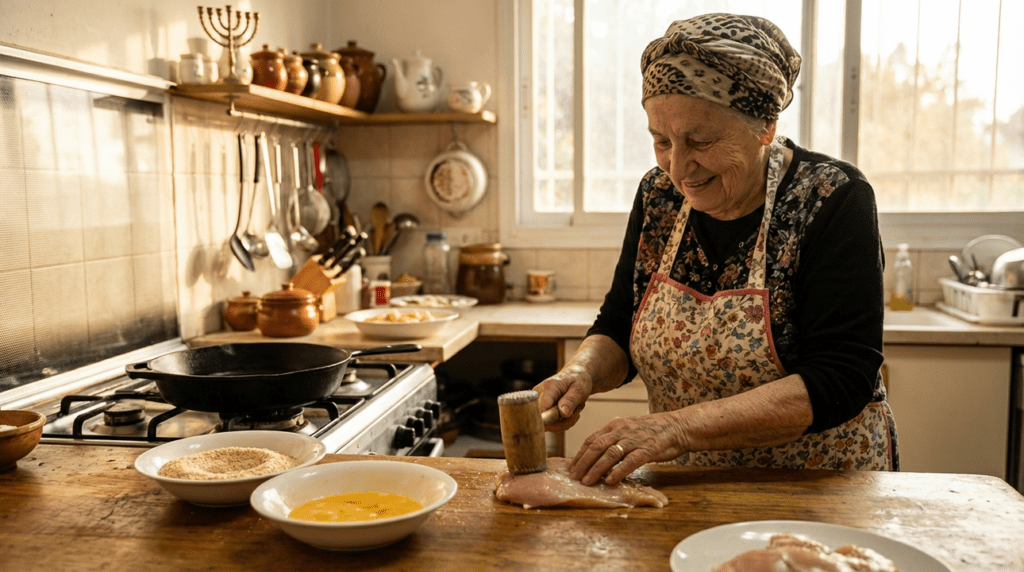

Welcome to the delicious world of Israeli schnitzel. This beloved dish has become a staple on many dinner tables across Israel, cherished for its comforting flavors and satisfying texture.
Originating from European influences, particularly Austria’s Wiener schnitzel, it has been adapted to suit local tastes. The dish combines the perfect balance of crispiness and flavor, creating a meal that everyone can enjoy.
In this article, we explore the origins of Israeli schnitzel, its cultural significance, and provide a step-by-step recipe to make it at home. The evolution of this dish is a testament to the adaptability of culinary traditions.
This adaptation reflects the diverse influences that have shaped Israeli cuisine. Israeli schnitzel is more than just a meal; it is a symbol of cultural adaptation and culinary creativity, deeply rooted in the country’s history and everyday life.
Israeli Cookbook
Inspired by the Farms of Israel
The History of Schnitzel in Israel
Schnitzel made its way to Israel through European immigrants, becoming an instant favorite. The dish is believed to have originated from Austria, but Israelis have adapted it to their own tastes. Today, schnitzel is often made with chicken, providing a lighter alternative to traditional veal.
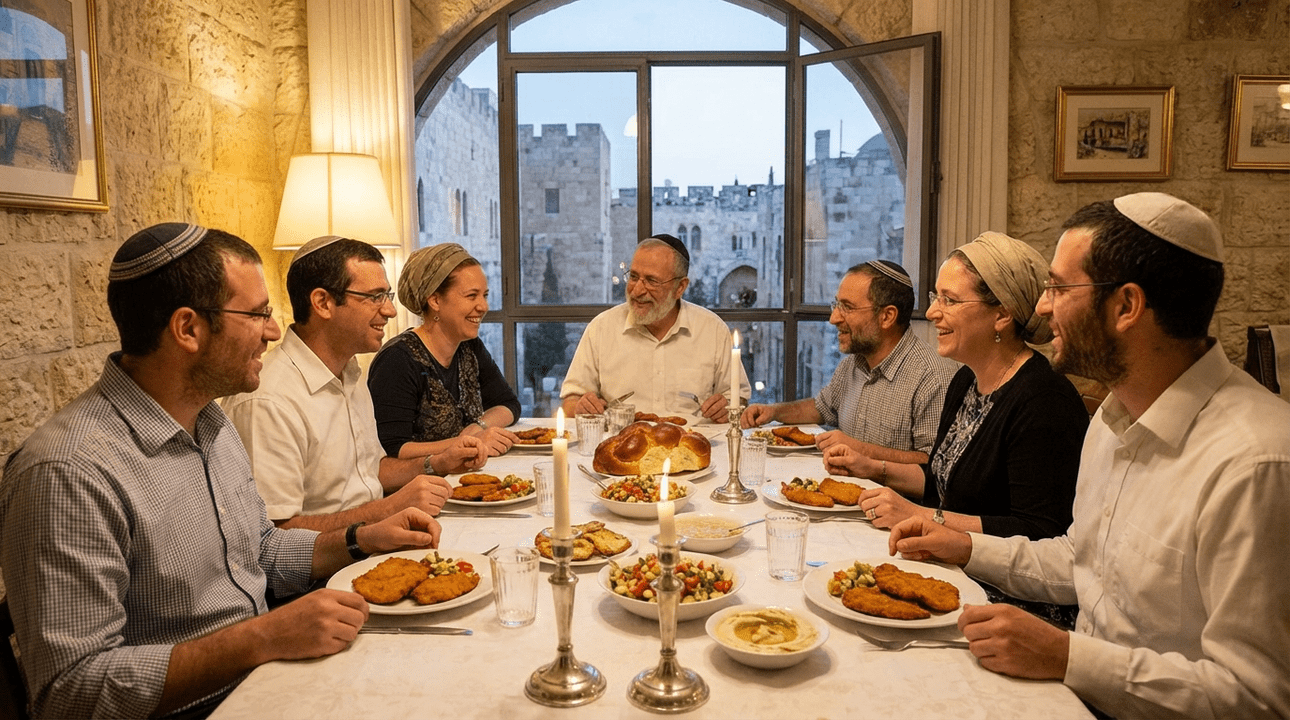
Its welcoming crunch and savory seasoning make it a hit with both children and adults. Israeli families have embraced schnitzel as a go-to meal for various occasions. It is often accompanied by sides like mashed potatoes or fresh salads.
The simplicity and availability of ingredients have made it a popular choice for weekday dinners and festive gatherings alike.
For many Israelis, schnitzel is more than just a meal; it’s a part of cultural identity. The spirit of community and family is evident when sharing a plate of schnitzel, much like the communal meals described in the festivals of ancient Israel (Leviticus 23).
This dish has found a special place in the hearts of many, reinforcing the idea that comfort food transcends borders, bringing people together through shared culinary experiences. Whether you are a seasoned cook or a culinary adventurer, Israeli schnitzel is an inviting dish to make and explore.
The combination of tender meat and crispy coating is an experience not to be missed.
Ingredients for Israeli Schnitzel
To prepare Israeli schnitzel, you’ll need the following ingredients: – 4 chicken breasts, pounded thin – 2 cups of breadcrumbs – 1 cup of all-purpose flour – 2 large eggs – Salt and pepper to taste – 1 tablespoon of paprika – Oil for frying.
These ingredients are easy to find and allow for customization. Feel free to experiment with different spices to suit your taste preferences. Some may prefer adding a pinch of cumin for an earthy flavor, or a dash of garlic powder for extra zest.
This flexibility mirrors the diverse flavors found in the markets of Jerusalem.
The beauty of Israeli schnitzel lies in its simplicity and adaptability, allowing you to tailor it to your own taste while still enjoying its classic appeal.
Step-by-Step Preparation
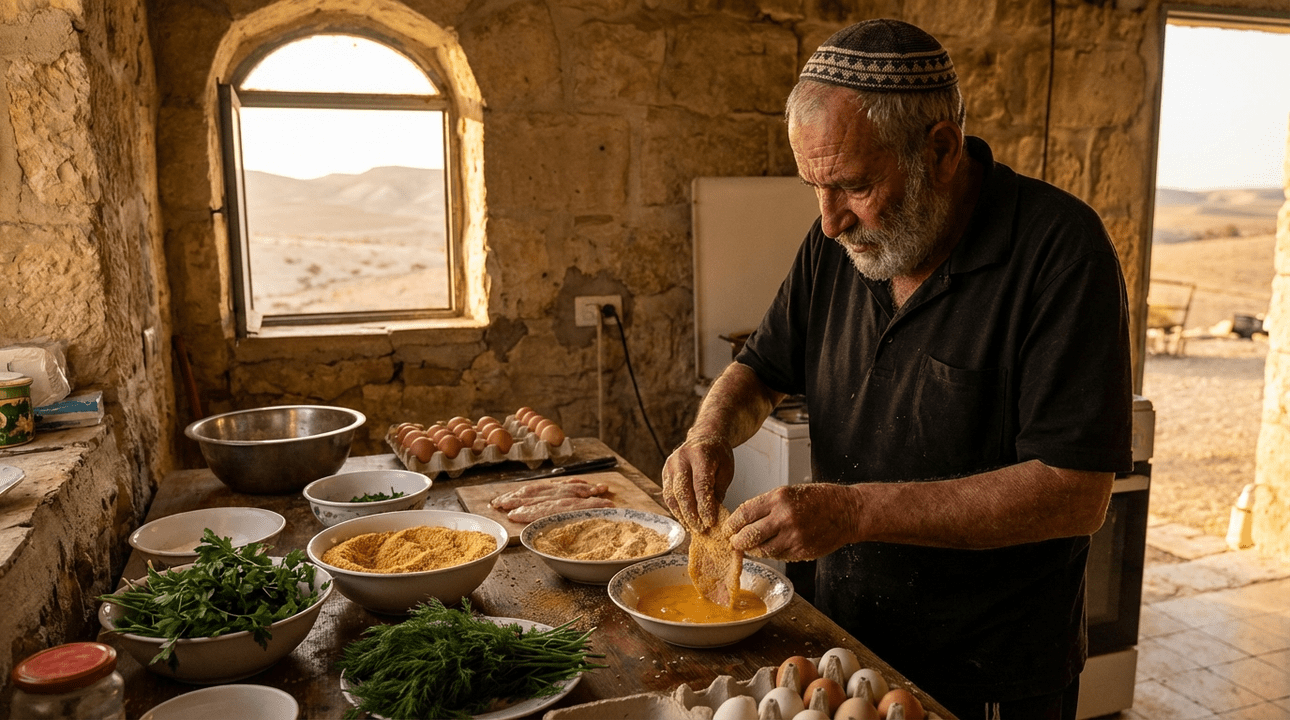
1. Begin by seasoning the chicken breasts with salt, pepper, and paprika. This initial flavoring sets the foundation for the dish. 2. Prepare three separate bowls: one with flour, one with beaten eggs, and one with breadcrumbs. Each bowl serves a crucial role in breading the chicken. 3.
Dip each chicken breast into the flour, ensuring a light dusting before moving to the egg wash. This helps the breading stick effectively. 4. Next, coat the chicken in the beaten eggs, allowing for even coverage.
This step is key for the breadcrumbs to adhere properly, ensuring the schnitzel’s signature crispness.
5. Finally, press the chicken into the breadcrumbs until fully covered. The breadcrumbs form the signature crispy crust of schnitzel, akin to the protective coverings used in ancient times, such as the Ark’s gold overlay (Exodus 25:11). This step is crucial for achieving the desired texture. 6.
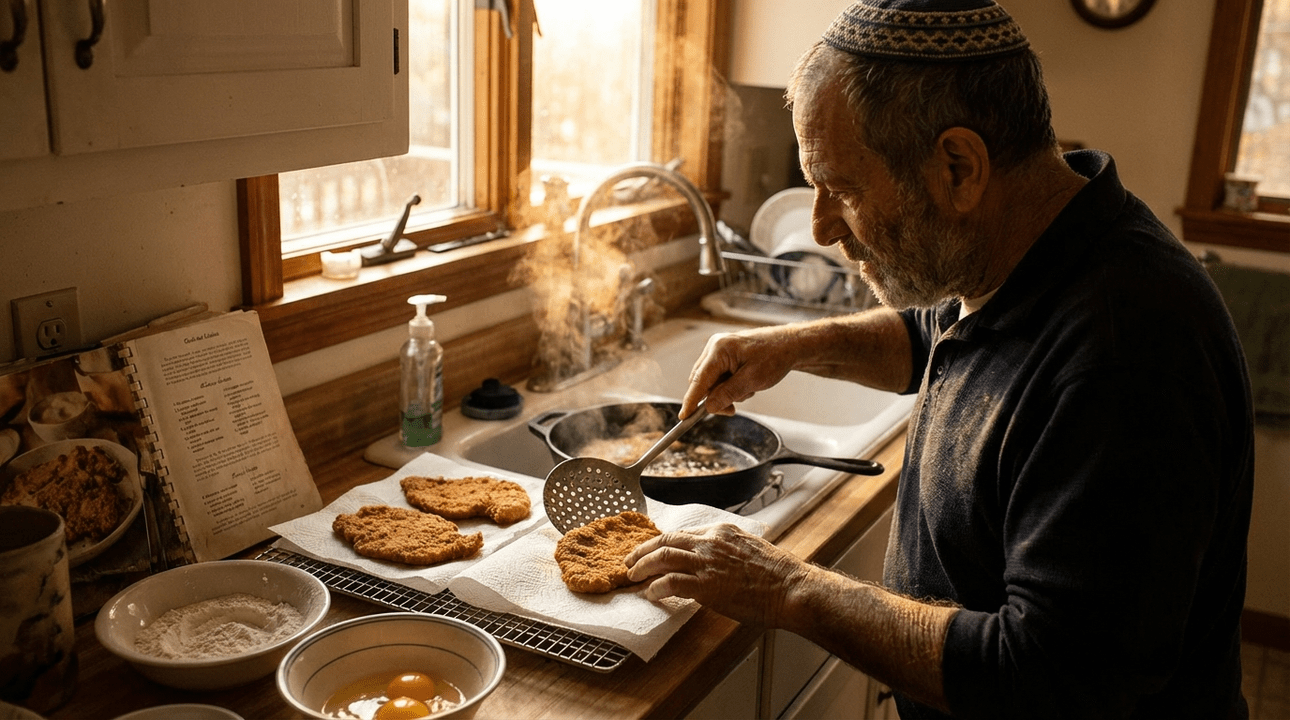
Heat oil in a pan over medium-high heat. Fry each schnitzel for 3-4 minutes per side, or until golden brown and cooked through.
This method ensures a crunchy exterior while keeping the chicken juicy inside, much like the meticulous preparations described in the building of the Tabernacle (Exodus 25:9).
These steps bring the authentic taste of Israel to your kitchen, offering a delightful meal for any occasion. By following these steps, you can enjoy a dish that encapsulates the essence of Israeli cooking—simple, flavorful, and deeply satisfying.
Israeli Cookbook
Inspired by the Farms of Israel
Variations and Serving Suggestions
Israeli schnitzel is flexible, and you can experiment with various tweaks to make it your own. Some enjoy adding herbs like parsley or oregano to the breadcrumbs for an aromatic touch. This practice is reminiscent of the fragrant offerings described in the Temple (Exodus 30:34-38).
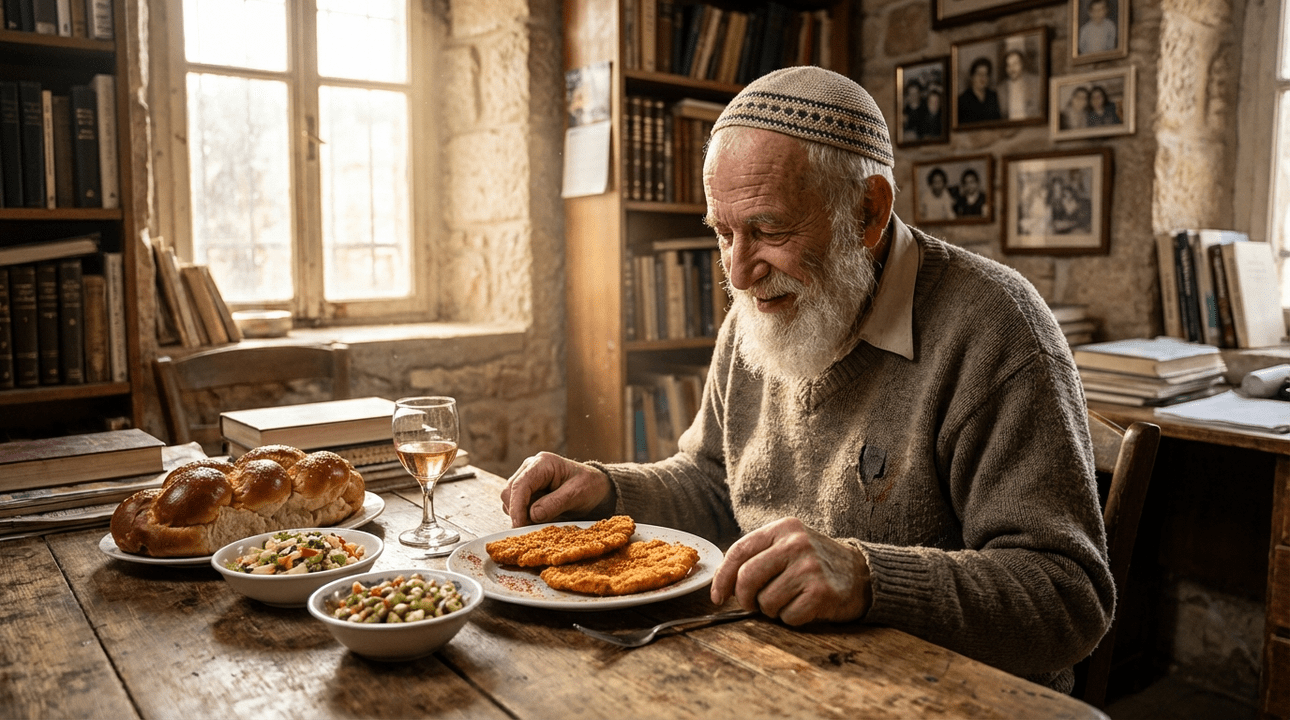
Serving schnitzel with a wedge of lemon adds a zesty burst of flavor that complements the savory notes. For a complete meal, pair schnitzel with classic Israeli side dishes such as fresh Israeli salad, hummus, or a simple potato salad.
These sides enhance the schnitzel’s flavors, creating a satisfying balance on the plate.
This story underscores the importance of resourcefulness and gratitude for what is available, much like the Israelites’ reliance on divine provision. By experimenting with flavors and sides, you can create a personalized meal that honors the rich culinary traditions of Israel.
Inspired by Tradition, Enjoyed Globally
The popularity of Israeli schnitzel has spread beyond its borders, with variations appearing in kitchens worldwide. Its universal appeal lies in its simplicity and the comfort it brings to any dining experience.
As you enjoy making and sharing this dish, remember that you are part of a larger story—a narrative of flavors, traditions, and connections spanning continents and generations.
Israeli schnitzel represents more than sustenance; it’s a testament to cultural exchange and culinary delight, much like the shared festivals and feasts described in the book of Esther (Esther 9:22).
This story highlights the beauty of integrating new customs while respecting one’s roots. Israeli schnitzel is a culinary bridge that connects people across the globe, celebrating the shared joy of good food and cultural heritage.
A Soft Invitation to Explore More
We hope you’ve enjoyed this exploration into the world of Israeli schnitzel. If you’re inspired to discover more about Israeli culture and cuisine, consider exploring Lev Haolam’s gift boxes. Each box supports local Israeli producers, offering a taste of the land’s rich culinary heritage.
The boxes reflect the spirit of community, much like the Israelites’ collective effort in building the Tabernacle (Exodus 35:21). These boxes not only provide delicious treats but also connect you with the stories and traditions of Israeli families, fostering a sense of community and support.
In the Bible, the land of Israel is often described as a land flowing with milk and honey (Exodus 3:8), symbolizing abundance and richness. Lev Haolam gift boxes are a gateway to experiencing Israel’s vibrant culinary landscape, while supporting the people who keep these traditions alive.
Understanding Israeli Schnitzel
